International Desk
Published: September 20, 2026
Main Facts
In a decisive maneuver aimed at overcoming years of institutional paralysis, the Ministry of Justice and Public Security of Haiti officially authorized the transfer of several key individuals detained in connection with the assassination of former President Jovenel Moïse to the United States. Announced on September 20, 2026, this landmark cross-border judicial cooperation marks a dramatic shift in a case that has languished within the Caribbean nation’s domestic courts for over five years.
The agreement allows for the extradition and subsequent trial of high-profile suspects on American soil, operating under strict bilateral extradition frameworks designed to guarantee the fundamental tenets of due process. Among the individuals originally captured following the July 2021 magnicidio are 17 former Colombian military personnel, whose legal status has remained a focal point of international scrutiny.
The decision by Port-au-Prince to lean heavily on U.S. federal courts stems from a glaring disparity in how the investigation has progressed on both sides of the water. While United States federal prosecutors have methodically secured multiple high-profile arrests, guilty pleas, and substantial prison sentences, the domestic judicial apparatus in Haiti has been fundamentally hobbled. Crippled by chronic political instability, systemic corruption, and pervasive gang violence that has repeatedly overrun the nation’s capital, the local legal process has failed to bring the mastermind or primary conspirators to a formal trial. By transferring custody of critical defendants to Washington, the Haitian government hopes to bypass domestic bottlenecks and finally deliver a measure of accountability.
Chronology of a Tragedy and Its Aftermath
To understand the gravity of the current judicial transfer, one must reexamine the unfolding of the events that shocked the international community in the summer of 2021, followed by the labyrinthine legal battles that ensued.
July 7, 2021: The Assassination
In the dead of night, a heavily armed commando unit breached the private residence of Haitian President Jovenel Moïse located in the hills above-masking their operation as a simulated U.S. Drug Enforcement Administration (DEA) raid. According to the harrowing forensic report detailed by local magistrate and justice of the peace Carl Henry Destin to the daily newspaper Le Nouvelliste, the sitting president was ruthlessly executed in his own bedroom.

Magistrate Destin, who conducted the initial crime scene inspection, revealed that Moïse’s body bore no fewer than twelve bullet wounds inflicted by large-caliber assault rifles and 9-millimeter handguns.
"We found him lying on his back, wearing blue trousers, a white shirt stained with blood, his mouth open, his left eye pierced," Destin recounted of the grisly scene. "We saw a bullet hole in his forehead, one in each nipple, three in the hip, and one in the abdomen."
First Lady Martine Moïse was also seriously wounded in the targeted attack but survived, later becoming a vocal advocate for international intervention to uncover the truth behind her husband’s murder.
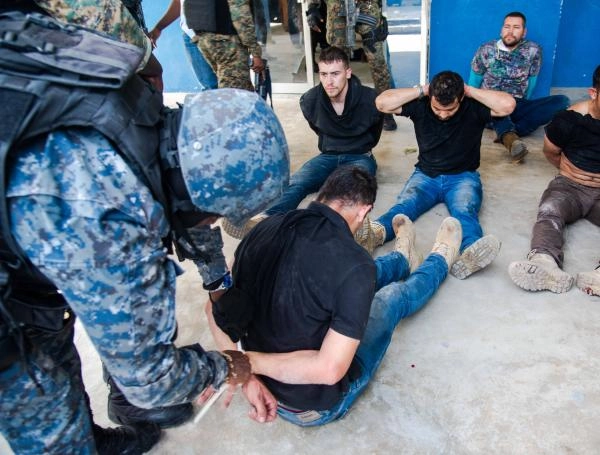
July–August 2021: The Manhunt and Arrests
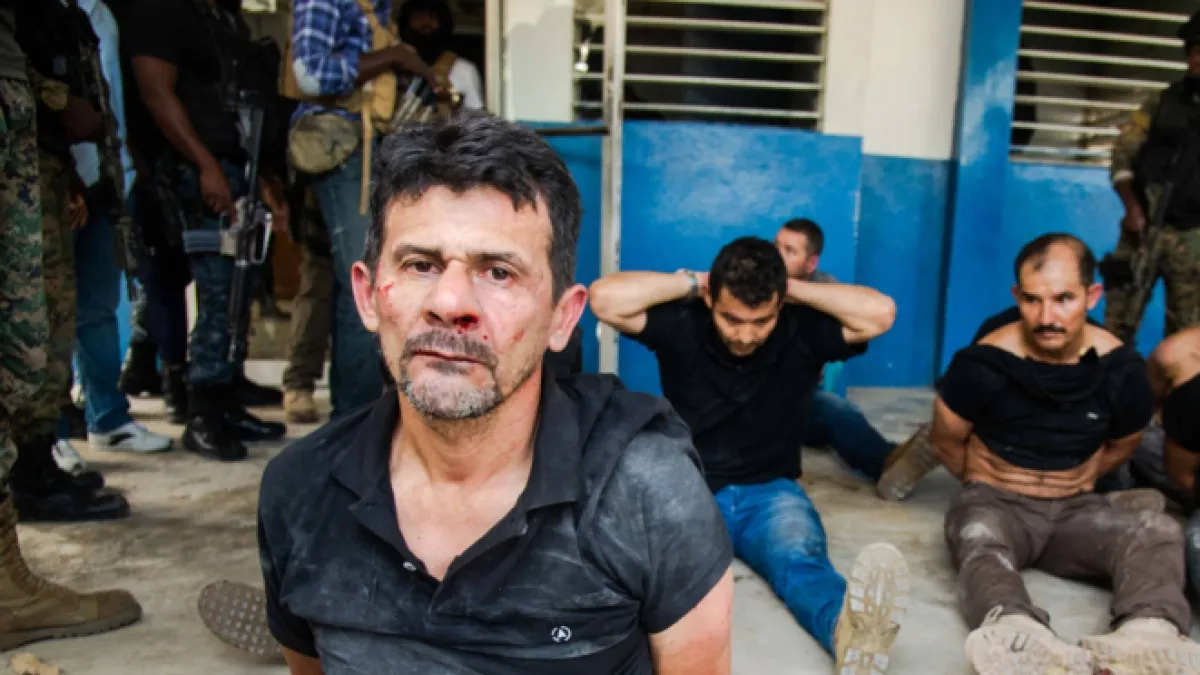
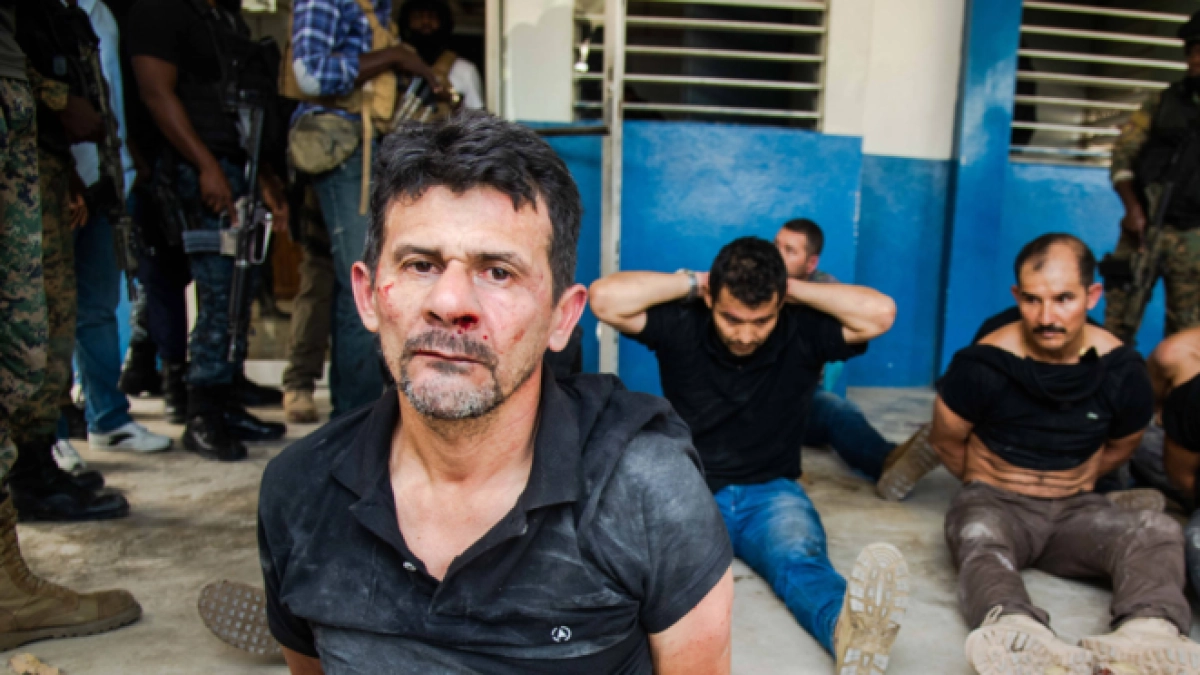
In the immediate aftermath of the assassination, the Haitian National Police launched an intensive manhunt, engaging in sporadic gunfights with the suspected mercenaries barricaded in various parts of Port-au-Prince. The dragnet quickly ensnared dozens of suspects, revealing an international conspiracy involving former Colombian soldiers—many of whom were elite veterans hired through dubious security firms—alongside dual Haitian-American nationals and local political operatives.
2022–2025: Domestic Stagnation vs. U.S. Federal Progress
As the months turned into years, the divergence in the two nations’ judicial tracks became glaringly apparent:
- The Haitian Stalled Track: Domestically, the investigation cycled through multiple investigative judges, several of whom resigned or recused themselves out of fear for their lives, citing rampant death threats and lack of security. Key evidence was routinely misplaced, court files languished in bureaucratic limbo, and prison conditions deteriorated to catastrophic levels. To date, the Haitian judiciary has failed to organize a coherent, comprehensive trial capable of standing up to public scrutiny.
- The U.S. Federal Track: Conversely, the United States Department of Justice seized jurisdiction over aspects of the plot because the conspiracy was partially hatched, funded, and coordinated on American soil (specifically in Florida). Utilizing federal statutes governing conspiracies to kill outside the U.S., American prosecutors indicted and systematically prosecuted a string of key figures. High-profile conspirators—including former Colombian military officer Mario Palacios and affluent Haitian-Chilean businessman Rodolphe Jaar—faced swift federal proceedings, resulting in multiple life sentences handed down by U.S. District Courts in Miami.
September 2026: The Turning Point
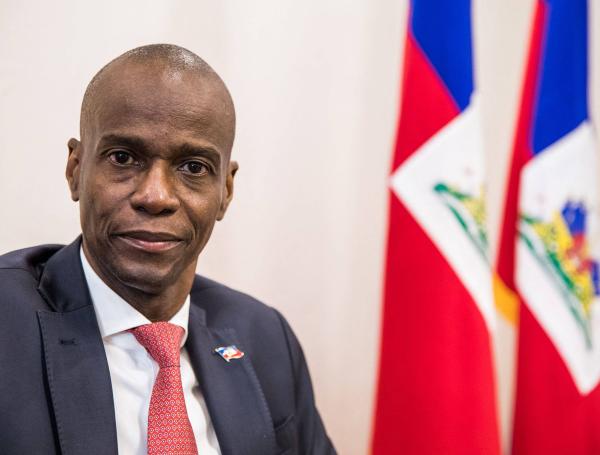
Recognizing that local courts are structurally incapable of delivering a definitive resolution, the Haitian Ministry of Justice and Public Security took the unprecedented step of authorizing the transfer of detained suspects to the U.S. judicial system, effectively internationalizing the trial of the remaining defendants.
Supporting Data and Legal Framework
The cooperation agreement relies on established international extradition protocols, balancing Haitian sovereignty with the procedural safeguards required under American constitutional law.
- The Accused Contingent: At the heart of the extradition matrix are the 17 former Colombian soldiers. Recruited under the guise of providing private security for infrastructure projects or political figures in Haiti, these veterans were allegedly subverted into an assassination squad. Their families and legal defense teams in Colombia have repeatedly raised concerns regarding human rights violations, prolonged arbitrary detention without formal charges in Haiti, and lack of consular access.
- The American Jurisdictional Hook: U.S. federal involvement is anchored by Title 18 of the United States Code, which grants extraterritorial jurisdiction when U.S. citizens or property are targeted, or when financial transactions and planning occur within U.S. borders. Investigators discovered that key meetings financing the logistical chain of the assassination—including the procurement of vehicles, weapons, and equipment—took place in South Florida.
- Financial and Institutional Disparity: While the U.S. Federal Bureau of Investigation (FBI) and Homeland Security Investigations (HSI) deployed extensive forensic, technological, and interrogation resources, the Haitian National Police and judicial system have operated under a near-total collapse of state infrastructure, heavily exacerbated by gang-controlled territories encompassing over 80% of the capital.
Official Responses and Diplomatic Reactions
The decision to hand over key suspects to Washington has elicited polarized reactions across the international community, reflecting the delicate tension between national sovereignty and the practical necessity of foreign judicial intervention.
The Haitian Government and Legal Community
Official statements from Port-au-Prince frame the decision as an act of pragmatic necessity. Senior officials within the Ministry of Justice emphasized that the primary objective is to secure justice for the late president and the Haitian people—an outcome that domestic courts, currently overwhelmed by an existential security crisis, can no longer guarantee independently.

However, local civil society organizations and legal watchdogs in Haiti have expressed mixed feelings. While many acknowledge that the domestic legal system is broken, some critics argue that outsourcing a historic trial of this magnitude to a foreign power undermines national sovereignty and deprives the Haitian citizenry of witnessing justice dispensed on home soil.
The United States Government
Washington has welcomed the enhanced cooperation. Spokespersons from the U.S. State Department and the Department of Justice reiterated their commitment to supporting the rule of law in Haiti and ensuring that all co-conspirators are brought to justice. U.S. federal prosecutors have indicated readiness to incorporate the newly transferred detainees into existing indictments, promising transparent trials governed by federal evidentiary standards.
The Government of Colombia
Bogotá has maintained a cautious diplomatic stance regarding the 17 Colombian nationals caught up in the dragnet. The Colombian Foreign Ministry has repeatedly stressed the importance of guaranteeing the human rights, physical safety, and due process rights of its citizens abroad. With the transfer to the United States now authorized, Colombian consular officials in Miami and Washington are expected to closely monitor the federal proceedings to ensure that the defendants receive adequate legal representation and fair treatment under U.S. law.

Global and Domestic Implications
The decision to route the prosecution of Jovenel Moïse’s alleged assassins through American courts carries profound long-term implications for Haiti, bilateral relations, and international law:
- Redefining International Justice in Failed States: The case serves as a precedent for how transnational crimes can be handled when the host nation’s judicial infrastructure is completely incapacitated. It establishes a model where failing states may increasingly rely on robust foreign partners to adjudicate high-stakes criminal conspiracies.
- Uncovering the True Masterminds: For years, public anger in Haiti has been fueled by the perception that while low-level operatives and hired guns (such as the Colombian veterans) were rounded up, the intellectual authors—the powerful political and financial elites who funded the conspiracy—remained shielded. U.S. federal courts, equipped with subpoena powers and financial tracking mechanisms reaching deep into offshore accounts, may finally pierce the veil of secrecy surrounding who ultimately ordered the president’s death.
- Domestic Political Fallout in Haiti: By relinquishing custody of the prisoners, the current transitional administration in Haiti effectively acknowledges its own limitations. While this may buy temporary relief from international critics demanding accountability, it also underscores the deep-seated fragility of Haitian democratic institutions.
- Future Bilateral Relations: The deepened judicial alignment with Washington signals a strengthening of security and legal ties between Port-au-Prince and the United States. This cooperation could pave the way for broader institutional reforms once stability is restored, though it also deepens Haiti’s reliance on external powers for internal governance and security enforcement.
As the legal proceedings shift definitively to American courtrooms, the central question remains whether this cross-border transfer will finally provide the definitive answers that have eluded the people of Haiti for more than half a decade.