
By Andrés Felipe Bejarano Bejarano
Redacción Últimas Noticias
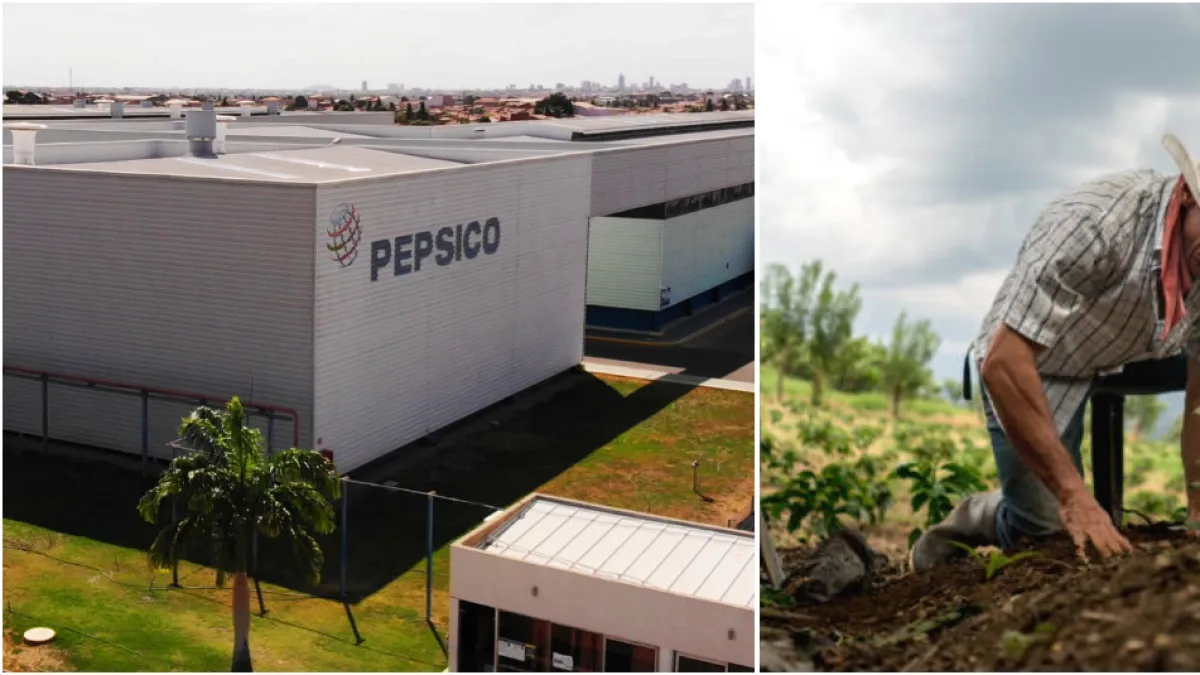
In a significant boost to the Colombian economy, President Abelardo De La Espriella announced this Sunday, September 27, 2026, that global beverage and snack giant PepsiCo has committed to a massive capital injection of $1 billion USD in the country over the next five years. This strategic investment is designed to overhaul the multinational’s industrial footprint, modernize its technological infrastructure, and expand its distribution network across the Colombian territory.
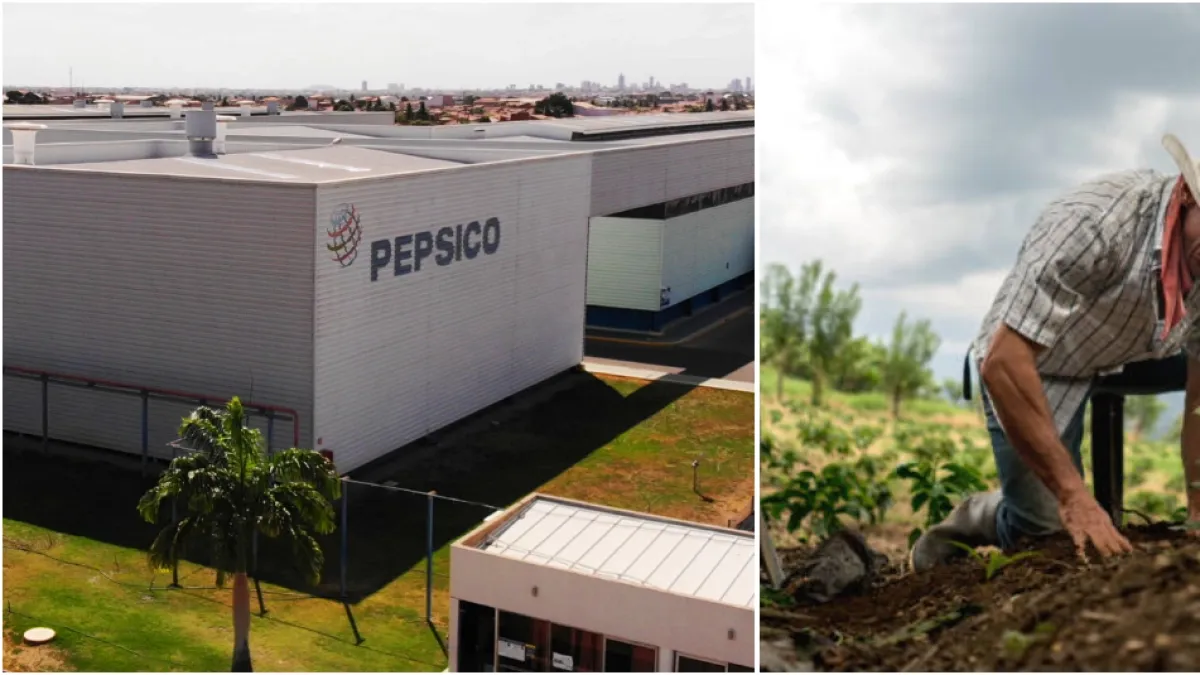
The announcement marks a pivotal moment for the nation’s industrial sector, signaling renewed confidence from foreign investors in the stability and growth potential of the Colombian market.
The Core Pillars of the Investment
The $1 billion commitment, which averages out to an annual investment of $200 million, is framed within three primary strategic objectives:

- Capacity Expansion: Increasing domestic production volume to meet both local demand and potential export needs.
- Operational Modernization: Implementing "Industry 4.0" standards, incorporating state-of-the-art machinery and digitalized supply chain management to enhance efficiency and sustainability.
- Distribution Optimization: Strengthening the logistics chain to ensure that PepsiCo products reach even the most remote corners of the country with greater speed and lower environmental impact.
While the specific allocation between physical infrastructure and technological upgrades has not been disclosed, industry analysts suggest that the scale of this investment indicates a complete refresh of legacy assets and a possible expansion into new product lines tailored to the evolving tastes of the Colombian consumer.
Chronology: Building Toward a Billion-Dollar Commitment
The path to this announcement has been marked by a long history of operational success and social responsibility in Colombia.

- 2023–2024: PepsiCo consolidates its market leadership in the snack and beverage sector, focusing on the "La Tienda de Todos" (The Store for Everyone) initiative, which aimed to digitize and support local small-scale retailers.
- 2025: The company releases its annual social impact report, which serves as a foundation for the current investment. The report highlights that over 4,100 potato and plantain producers—key suppliers for PepsiCo—were integrated into sustainable supply chain programs. Furthermore, the company successfully empowered 2,200 rural women through leadership and productivity initiatives.
- August 2026: The Colombian government intensifies efforts to attract foreign direct investment (FDI) as part of a strategy to navigate fiscal challenges.
- September 27, 2026: President Abelardo De La Espriella confirms the deal via his official X (formerly Twitter) account, marking the official launch of the five-year plan.
Supporting Data: An Ecosystem of Impact
The strength of PepsiCo’s presence in Colombia lies not just in its manufacturing capacity, but in its deep-rooted social and agricultural network. According to the 2025 impact report, the company’s influence reaches far beyond its corporate offices:
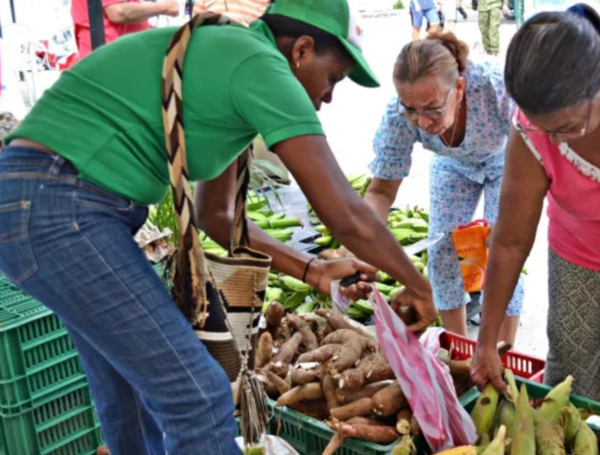
- Agricultural Reach: By supporting 4,100 farmers, PepsiCo has established itself as a cornerstone of the rural economy. This investment is expected to provide these farmers with access to better technologies and fair-trade practices.
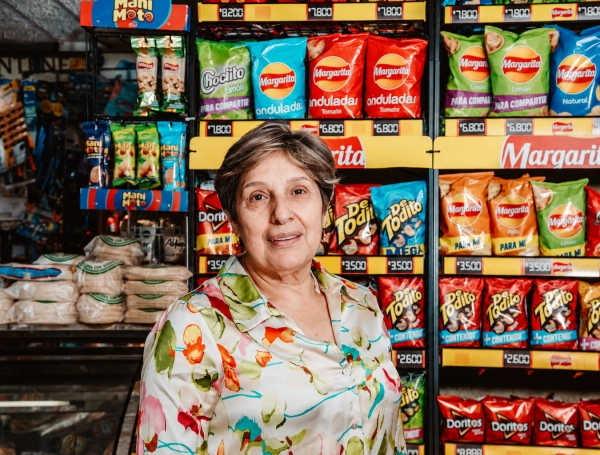
- Retail Empowerment: The "tenderos" (local shopkeepers) represent the backbone of the Colombian economy. With 2,784 of them already trained in commercial and digital skills as of 2025, the new investment aims to deepen this integration, helping small businesses digitize their sales and inventory management.
- Geographic Scope: The company’s footprint spans 33 municipalities across 17 departments, impacting approximately 263,000 people through indirect and direct social and environmental programs.
Official Responses and Political Implications
President De La Espriella has framed this investment as a direct outcome of his administration’s efforts to foster a pro-business environment. "Confidence is demonstrated by investing," the President stated in his public address. "This move not only upgrades industrial capacity but provides a tangible safety net for our farmers and the traditional corner stores that sustain our communities."

The government views this deal as a template for future international negotiations. By focusing on projects that combine industrial expansion with social development, the administration hopes to present Colombia as a "high-impact" destination for global capital.
However, observers note that the lack of specific details regarding job creation figures or the geographical distribution of the new facilities remains a point of curiosity. Economists are waiting for a more granular breakdown of how the $1 billion will be distributed across the various Colombian regions, particularly those that have historically struggled with infrastructure deficits.
Broader Economic Implications
The timing of this investment is critical. As Colombia seeks to stabilize its fiscal outlook, the entry of $1 billion in private capital serves as a vote of confidence that could influence other multinational corporations to follow suit.
The Technological Leap
Modernization in this context is expected to include the adoption of green energy in production plants and the optimization of water usage—a key concern for a company like PepsiCo. By shifting toward more sustainable operations, the company is also aligning itself with the global ESG (Environmental, Social, and Governance) standards that investors now prioritize.

The Retail Chain Effect
For the Colombian "tendero," this investment means more than just a supply of products. It implies access to a more robust distribution network, better training in financial literacy, and potential access to micro-financing tools supported by the multinational. This creates a "multiplier effect" where the investment flows directly into the local economy at the grassroots level.
Challenges and Future Outlook
Despite the positive sentiment, the road ahead involves challenges. The successful execution of a five-year, $1 billion plan requires a stable regulatory environment and consistent infrastructure support.
Analysts point to several variables that will define the success of this plan:
- Macroeconomic Stability: Maintaining manageable inflation rates to ensure that the purchasing power of the average consumer remains robust enough to absorb the production output.
- Infrastructure: The efficiency of the distribution network will heavily depend on the state of national highways and regional logistics hubs.
- Integration of Small Producers: The ability of PepsiCo to scale its agricultural programs without losing the "social touch" that has made its previous efforts successful will be crucial.
As the program begins to take shape, the private sector will be watching closely. The success of this investment could serve as a litmus test for the "New Colombia" model of economic development—one that favors public-private partnerships as the primary engine of social mobility and national wealth.

Conclusion
The $1 billion investment by PepsiCo is, at its heart, a long-term bet on the Colombian people. By intertwining corporate growth with the livelihoods of thousands of farmers and small shopkeepers, the company is ensuring that its success is shared. As the five-year plan commences, the focus will now shift from the headline numbers to the tangible results: the new jobs, the upgraded factories, and the strengthened retail outlets that will define this new chapter in Colombian industrial history.
For now, the message from both the government and the corporate sector is clear: Colombia is open for business, and the benefits of such high-stakes partnerships are intended to reach every level of the economic ladder.

For more information on this story and ongoing updates regarding the Colombian economy, follow our dedicated coverage on social media and subscribe to our weekly newsletter for in-depth analysis.