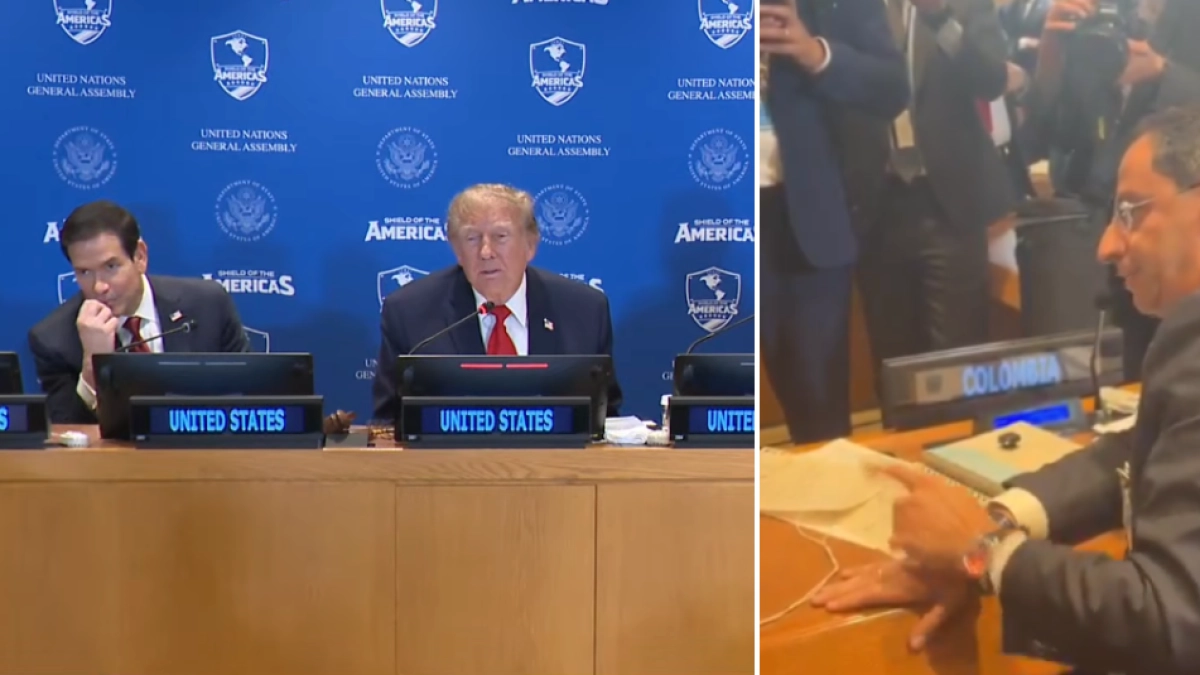
NEW YORK — Amidst the high-stakes diplomatic choreography of the United Nations General Assembly, a high-profile parallel summit captured the attention of international observers on Tuesday, September 22, 2026. Colombian Vice President José Manuel Restrepo stepped into the spotlight during a gathering of the "Shield of the Americas," where he engaged in a notable public and private exchange with United States President Donald Trump.
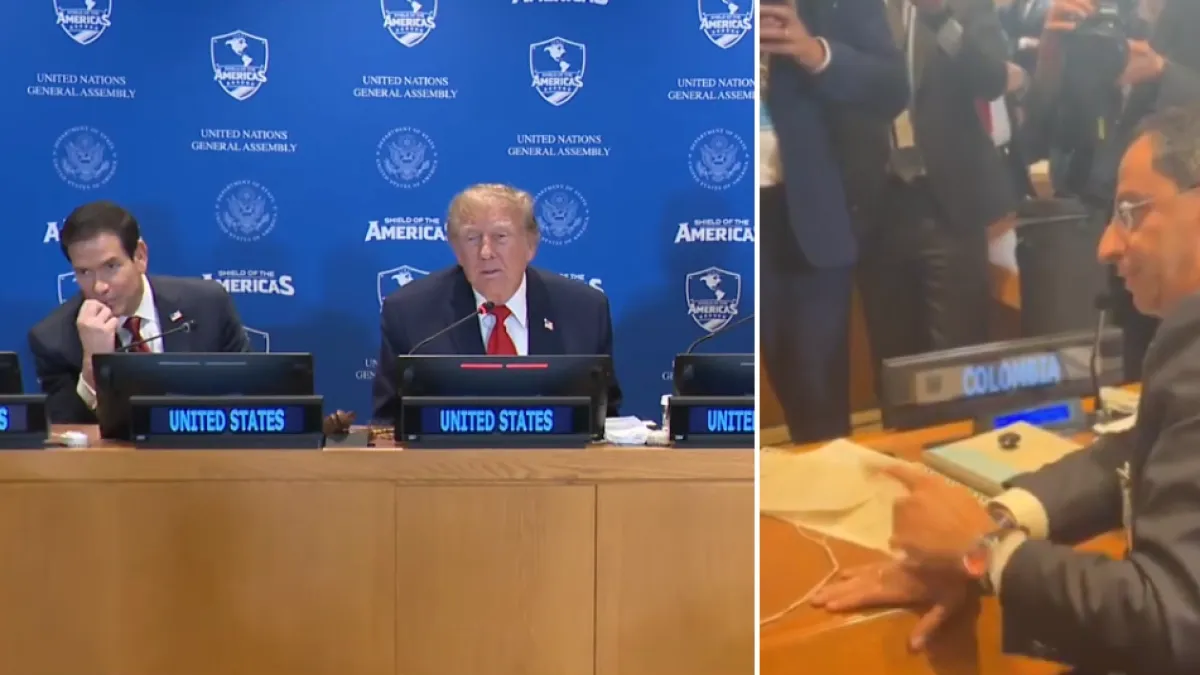
The encounter underscored a rapidly shifting geopolitical landscape in the Western Hemisphere, characterized by a renewed wave of conservative political alignment, aggressive anti-crime security pacts, and shifting regional alliances. With high-ranking figures from the current U.S. administration and regional leaders like Argentina’s President Javier Milei in attendance, the meeting served as a vital touchpoint for the newly inaugurated Colombian administration’s foreign policy debut on the world stage.

Main Facts
The core of the diplomatic engagement centered on Colombia’s official participation in the "Shield of the Americas" coalition, a security and economic integration initiative initially championed by U.S. President Donald Trump in Florida earlier in the year.
- The Delegation Shift: Vice President José Manuel Restrepo led the Colombian delegation to New York in lieu of President Abelardo de la Espriella. Restrepo humorously introduced himself to the assembly as "the vice president of the tiger"—a moniker frequently used by Trump to describe the newly elected Colombian leader.
- The Electoral Context: Restrepo addressed the assembly regarding Colombia’s turbulent June 21 presidential runoff, noting that the nation "almost lost democracy" before the narrow victory of the Defensores de la Patria candidate over rival Iván Cepeda by a margin of fewer than 300,000 votes.
- Expansion of the Alliance: With the recent shifts in political leadership in both Colombia and Peru—where conservative candidate Keiko Fujimori secured the presidency—the "Shield of the Americas" coalition has expanded to 14 member states.
- U.S. Security Backing: President Trump welcomed the new regional additions, reiterating Washington’s hardline stance against transnational organized crime and reaffirming that the United States is prepared to utilize its unparalleled military might to safeguard regional security.
Chronology of Events
Tuesday, September 22, 2026
- Morning: World leaders and diplomatic delegations convened in New York City for the opening phases of the United Nations General Assembly, setting the stage for numerous bilateral and multilateral meetings occurring outside the official UN framework.
- Mid-Day: President Donald Trump hosted a high-level summit for the "Shield of the Americas" initiative. The meeting drew key members of the U.S. executive branch, including Secretary of State Marco Rubio, Treasury Secretary Scott Bessent, and White House Deputy Policy Chief Stephen Miller, alongside foreign dignitaries such as Argentine President Javier Milei.
- Late Afternoon (Approx. 15:44 local time): Toward the conclusion of the 13-minute summit, Colombian Vice President José Manuel Restrepo took the floor. Following playful remarks from President Trump regarding President Abelardo de la Espriella’s domestic focus and campaign promises, Restrepo delivered an address highlighting the fragile state of Colombian democracy and the urgent necessity for economic and physical security integration.
- Following the Summit: Peruvian President Keiko Fujimori formally announced her nation’s enthusiastic entry into the coalition, emphasizing that cross-border criminal cartels demand a unified, uncompromising regional response.
- Evening: Vice President Restrepo transitioned to a broader itinerary in New York, initiating meetings with international business leaders, private sector representatives, and economic delegates to discuss bilateral trade, technological development, and security cooperation. Concurrently, President Trump prepared for separate diplomatic engagements, notably a scheduled meeting with Venezuela’s interim leader, Delcy Rodríguez.
Supporting Data and Key Context
The structural framework of the "Shield of the Americas" relies heavily on intelligence sharing, military coordination, and a unified legal designation of regional cartels.
- Electoral Margins: The June 21, 2026, presidential runoff in Colombia was among the most fiercely contested in modern history, resulting in a razor-thin victory of fewer than 300,000 votes against leftist challenger Iván Cepeda.
- Coalition Growth: With the recent integration of Colombia and Peru, the security bloc now encompasses 14 member nations across the hemisphere. Peru’s accession followed Keiko Fujimori’s successful presidential campaign, cementing a conservative bloc stretching across South America.
- Designations and Capabilities: Prior to the coalition’s formal establishment, the Trump administration designated several major regional drug cartels as "foreign terrorist organizations." This classification unlocks advanced federal resources, intelligence assets, and potential tactical cooperation between U.S. forces and partner Latin American governments.
- Parallel Diplomatic Channels: While Colombia and Peru solidified their alignment with Washington through the Shield, the U.S. administration has continued concurrent diplomatic outreach. Notably, President Trump’s schedule in New York included talks with Venezuelan interim leader Delcy Rodríguez, signaling a complex, multi-layered U.S. strategy in northern South America.
Official Responses and Statements
The dialogue between Washington and Bogotá during the summit revealed a high degree of mutual praise and a shared strategic vision.

- U.S. President Donald Trump: Addressing Restrepo’s presence and the absence of President de la Espriella, Trump noted, "He (Abelardo de la Espriella) made a promise that he would never leave the country if he won the elections and that he would never take a vacation. These are not vacations, but I told him: ‘Honra tu promesa’ [Honor your promise]." Trump added that the Colombian delegation was exceptionally well-represented, asserting, "This part of the world is being talked about by all parts of the world; what they are doing is astonishing, I think it will remain in history. If we can help, say so… We will stand with you all the way."
- Colombian Vice President José Manuel Restrepo: Highlighting the stakes of the recent political transition, Restrepo stated, "As you know, in the last elections we almost lost democracy in Colombia." He stressed that initiatives like the Shield of the Americas are indispensable tools to "work on economic and physical security and preserve the democracies" of the hemisphere during a crucial moment of political alignment.
- Peruvian President Keiko Fujimori: Welcoming her nation’s integration into the security pact, Fujimori remarked, "The crime we face respects no borders, so we are very happy to join this coalition. We applaud your initiative, Mr. President."
Implications
The high-profile alignment between the new Colombian administration and Washington carries profound domestic and international consequences.
1. Shift in Colombian Foreign Policy
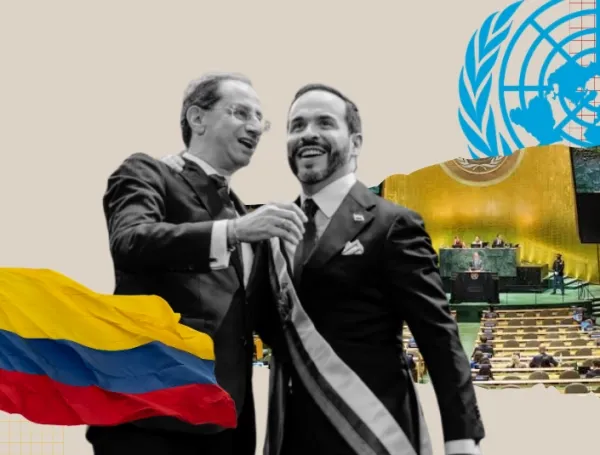
By immediately aligning with the U.S.-led "Shield of the Americas," the administration of President Abelardo de la Espriella and Vice President José Manuel Restrepo has signaled a decisive pivot away from previous diplomatic approaches. This positions Colombia as a central anchor for regional conservative governance, moving past years of ideological fragmentation in South America.
2. Heightened Security and Regional Militarization
The integration of intelligence and military capabilities under the banner of combating "terrorist-designated" cartels means that security operations along critical trafficking corridors could see increased cross-border cooperation. While proponents argue this is necessary to dismantle sophisticated transnational networks—especially those incorporating advanced technologies like drone warfare—critics may raise concerns regarding sovereignty and human rights oversight.

3. Economic and Trade Impacts
Beyond security, Vice President Restrepo’s parallel meetings with business leaders and private sector organizations in New York indicate a concerted effort to leverage this diplomatic momentum into foreign direct investment. Economic integration is framed by the current administration not merely as a commercial goal, but as a fundamental pillar required to sustain democratic stability across the region.

As the UN General Assembly proceedings continue, the solidified axis between Washington, Bogotá, Lima, and Buenos Aires signals that the Western Hemisphere is entering a period of pronounced geopolitical restructuring, where security partnerships and ideological alignment will dictate the terms of international engagement for the foreseeable future.