By Edwin Caicedo Environment and Health Journalist
Main Facts
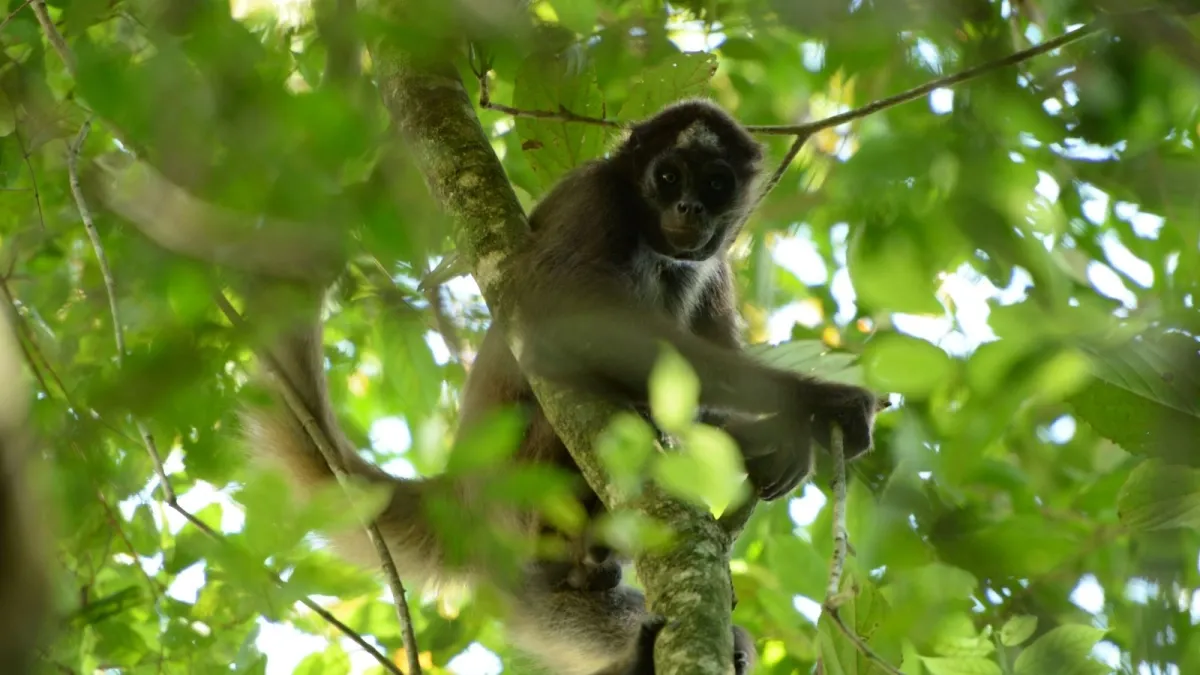
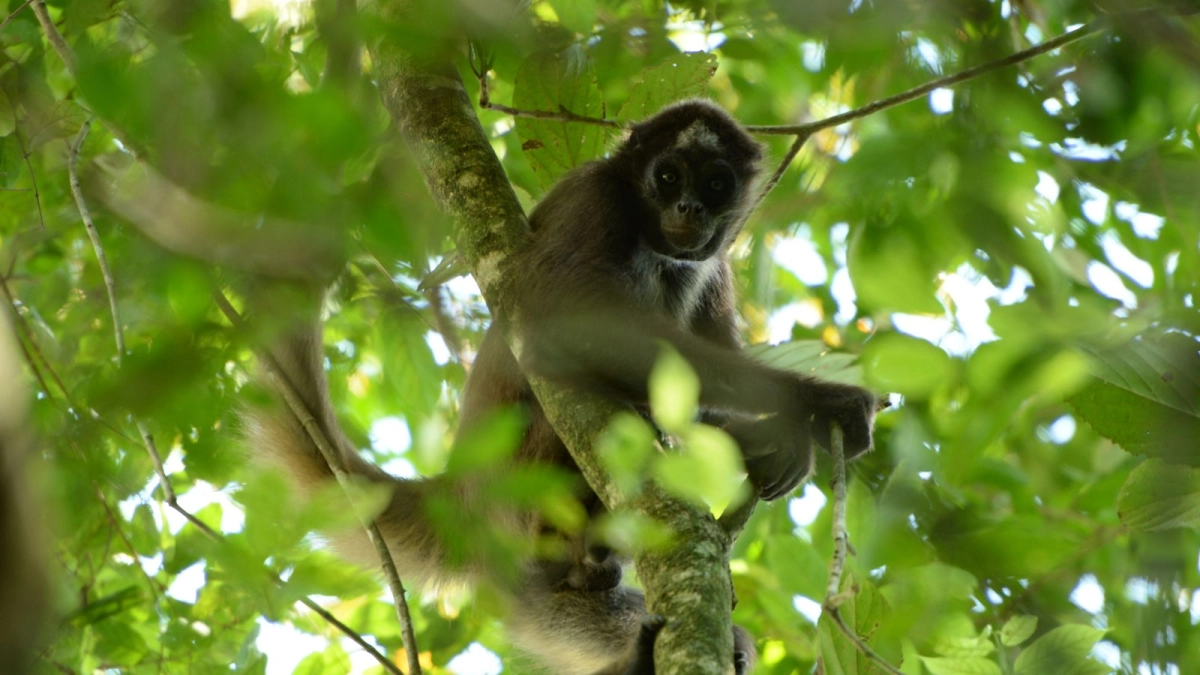
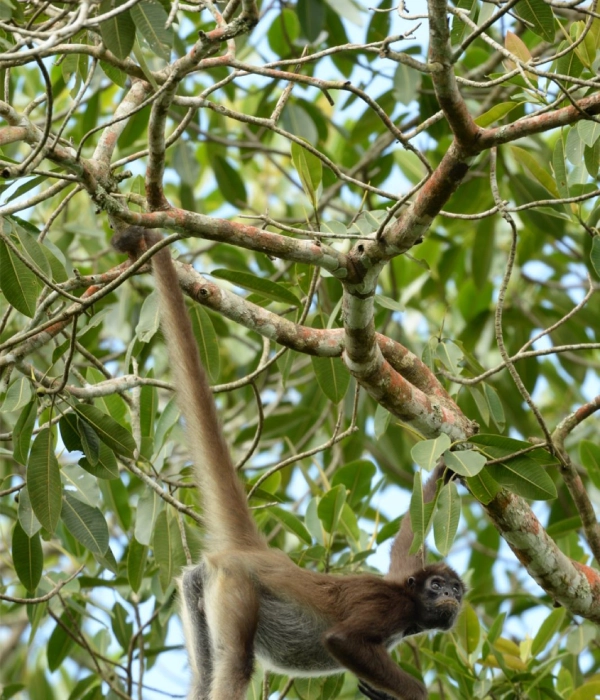
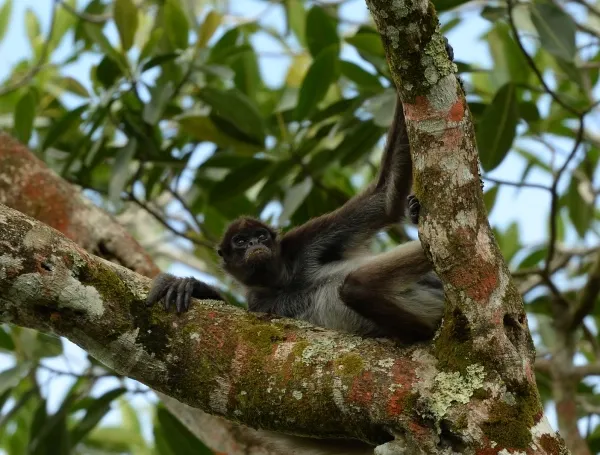
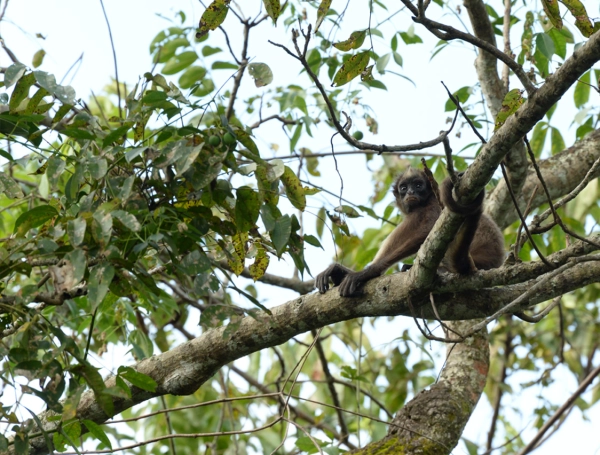
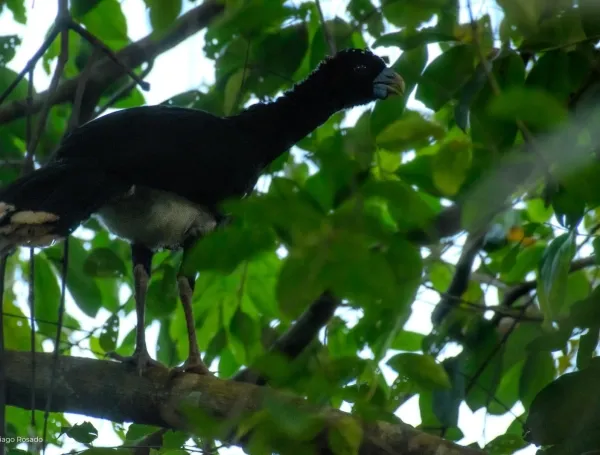
In the heart of Colombia’s Magdalena Middle region—an area historically scarred by intense deforestation, agricultural expansion, and cattle ranching—a quiet ecological renaissance is taking root. The Magdalena spider monkey (locally known as the choibo or brown spider monkey, Ateles hybridus) and the blue-billed curassow (Crax alberti), two iconic species teetering on the brink of extinction, are staging a remarkable comeback.
Once considered locally extinct in parts of the departments of Antioquia and Santander, these highly vulnerable animals are returning to private lands in the rural municipalities of Yondó and Cimitarra. This ecological turnaround is not a matter of random chance; it is the direct result of proactive conservation agreements spearheaded by private landowners. By voluntarily setting aside portions of their properties to protect and restore native forest cover, these landowners have disproved the notion that agricultural productivity and wildlife preservation are mutually exclusive.
Monitoring data gathered by the Wildlife Conservation Society (WCS) Colombia, alongside allied organizations such as Fundación Biodiversa Colombia and Fundación Proyecto Primates, reveals a sharp, sustained upward trajectory in the presence of both species. Where chainsaws and hunters once dominated the landscape, collaborative conservation models are weaving fragments of broken forest back together into functional ecological corridors, offering a blueprint for endangered species management across tropical Latin America.
Chronology of Recovery: A Decade of Ecological Monitoring
The journey toward species recovery in the Magdalena Middle has been meticulously documented by the Proyecto Vida Silvestre (PVS), a long-term conservation initiative. Through extensive field methodologies—including the deployment of camera traps, acoustic monitoring, and rigorous transect surveys spanning hundreds of kilometers—researchers have tracked the gradual reoccupation of habitats that were once thought to be permanently lost to wildlife.
2014–2015: The Baseline of Scarcity
When WCS Colombia and its partners first launched intensive biodiversity surveys across the region, the baseline data painted a grim picture. For every 100 hectares of forest surveyed in the Magdalena Middle, the Magdalena spider monkey was documented in a mere 15 percent of the areas. The situation for the blue-billed curassow was even more precarious, with the bird appearing in a meager 8 percent of the monitored forest plots. Both species were heavily fragmented, highly stressed by human encroachment, and suffering from continuous population depletion.
2016–2017: The Turning Point of Local Engagement
As local landowners in Yondó and Cimitarra began signing formal conservation agreements—committing parts of their working farms (fincas) like El Silencio, San Bartolo, and Lucitania to strict forest protection—the ecological landscape shifted rapidly.
By 2016, the presence of the Magdalena spider monkey jumped to 34 percent across the monitored tracts, while the blue-billed curassow rose to 19 percent.
By 2017, momentum accelerated further: the spider monkey’s presence surpassed 56 percent, and the blue-billed curassow’s presence climbed to 32 percent.
2020 and Beyond: Sustained Resurgence
Since 2020, population metrics have stabilized at remarkably encouraging highs. The Magdalena spider monkey has consistently maintained a presence above 65 percent in monitored areas, while the blue-billed curassow hovers above 34 percent. Crucially, comparative data highlights a stark contrast: in neighboring properties that did not sign conservation agreements, the recolonization rates for both species never exceeded 10 percent. The message from the data is unequivocal: when human pressure is lifted and forests are given breathing room, nature rebounds with astonishing speed.
Supporting Data and Scientific Insights
The success of the Magdalena Middle initiative is underpinned by rigorous scientific research into landscape connectivity, animal behavior, and habitat structure.
The Plight of the Magdalena Spider Monkey (Ateles hybridus)
Classified by the International Union for Conservation of Nature (IUCN) as Critically Endangered, the Magdalena spider monkey is endemic to northern Colombia and northwestern Venezuela. Over the past few decades, its populations have plummeted by an estimated 80 percent primarily due to rampant habitat loss. Furthermore, the species is targeted by illegal wildlife trafficking and hunting for human consumption. Consequently, Ateles hybridus holds an unenviable spot on the global list of the 25 most endangered primates in the world.
Biologically, the species requires undisturbed, multi-layered forest environments. They are heavily dependent on tall canopy trees to travel, forage, and socialize without descending to the forest floor, where they are vulnerable to predators and poachers.
The Fragile State of the Blue-Billed Curassow (Crax alberti)
Sharing the same fragile ecosystems, the blue-billed curassow faces equally daunting pressures. Also listed as Critically Endangered by the IUCN, this large, ground-foraging bird is strictly endemic to Colombia, historically found in the Sierra Nevada de Santa Marta and the lower Magdalena river basin.
Experts estimate that total adult populations may number barely over 1,000 individuals. The curassow’s decline has historically outpaced even the rate of deforestation, driven by intense hunting pressure. For generations, the bird suffered from a persistent local myth falsely claiming that small particles of gold accumulated in its throat, triggering a wave of speculative and destructive poaching. Additionally, the bird is extremely sensitive to human noise and disturbance, vanishing entirely from areas where human activity intensifies.
Small Corridors, Big Impacts
To reconnect isolated populations, the Proyecto Vida Silvestre established 10 strategic ecological corridors spanning roughly 15 hectares of active restoration. While 15 hectares might seem modest, their placement was engineered to functionally link nearly 1,000 hectares of fragmented forest.
Camera trap data within these restored corridors captured 21 out of 32 vertebrate species typical of reference forests, demonstrating that massive land acquisitions are not always necessary to achieve landscape connectivity. Crucially, botanical and structural analyses revealed that after just four to five years of growth, these restored corridors exhibited structural traits nearly identical to mature reference forests in the region, proving that tropical ecosystems in the Magdalena Middle possess a high degree of natural resilience.
Official Responses and Expert Perspectives
The triumphs in Yondó and Cimitarra are rooted in a collaborative philosophy championed by conservation scientists and local stewards alike.
Leonor Valenzuela, Coordinator of Analysis and Synthesis at WCS Colombia, emphasizes that the initiative redefines the relationship between rural landowners and biodiversity.
"This experience proves the profound impact that dedicated landowners can have," Valenzuela explains. "Our studies show that species colonization increases directly as protected areas expand. Animals that had completely vanished from specific properties are returning simply because the primary threats—hunting and deforestation—are deliberately dialed back."
Rather than forcing a false choice between economic survival and ecological purity, the project demonstrates that production and preservation can coexist. By redesigning farm layouts—protecting riparian zones, establishing living fences, and setting aside forest patches—landowners have created a mosaic landscape where cattle ranching and critically endangered primates share the same geographic grid.
Furthermore, a specialized WCS study indicated that if surviving populations of the blue-billed curassow within the largest forest remnants of Yondó are granted absolute immunity from hunting, the species possesses a viable pathway to long-term survival exceeding 100 years.
Implications for the Future of Colombian Conservation
The triumphs documented in the Magdalena Middle carry profound implications for national and international conservation policy:
Scalability of Private Land Stewardship: Traditional conservation often relies exclusively on expanding National Parks and state-protected reserves. However, the Yondó and Cimitarra case studies underscore the vital role of private land stewardship. With nearly 18,000 hectares now under voluntary conservation management in the zone, private landowners are proving to be frontline guardians of biodiversity.
The Umbrella Effect: Protecting high-profile flagship species—such as the Magdalena spider monkey and the blue-billed curassow—generates an "umbrella effect." Safeguarding the complex, tall-canopy forest structures these two species require automatically preserves the habitat for dozens of co-existing mammals, birds, amphibians, and plant species.
Expansion Plans: Building on the momentum generated at benchmark farms like El Silencio, San Bartolo, and Lucitania, Proyecto Vida Silvestre announced plans to expand its operational footprint to additional rural sectors of Yondó and Cimitarra.
Community Co-management: Ultimately, the return of the choibo and the blue-billed curassow serves as a powerful reminder that ecological degradation is not always irreversible. By aligning the economic realities of rural communities with science-based conservation strategies, Colombia is charting a hopeful path where its most threatened wildlife can reclaim the forests they once called home.
BOGOTÁ, COLOMBIA — Colombia is currently gripped by an extraordinary meteorological phenomenon characterized by a severe thermal dichotomy. As the nation transitions through September 2026, citizens across multiple regions are enduring punishing afternoon heatwaves that…
By Edwin Caicedo | Environment and Health Journalist Published: September 17, 2026 Main Facts: A Groundbreaking Discovery in the Yungas In a milestone for modern mammalogy, an international team of scientists has officially described a…
By Edwin Caicedo Environmental and Health Journalist Published: September 15, 2026 Main Facts: A Precise and Iniquitous Geography of Violence Behind the 39 environmental and land defenders murdered in Colombia during 2025 lies a geography…