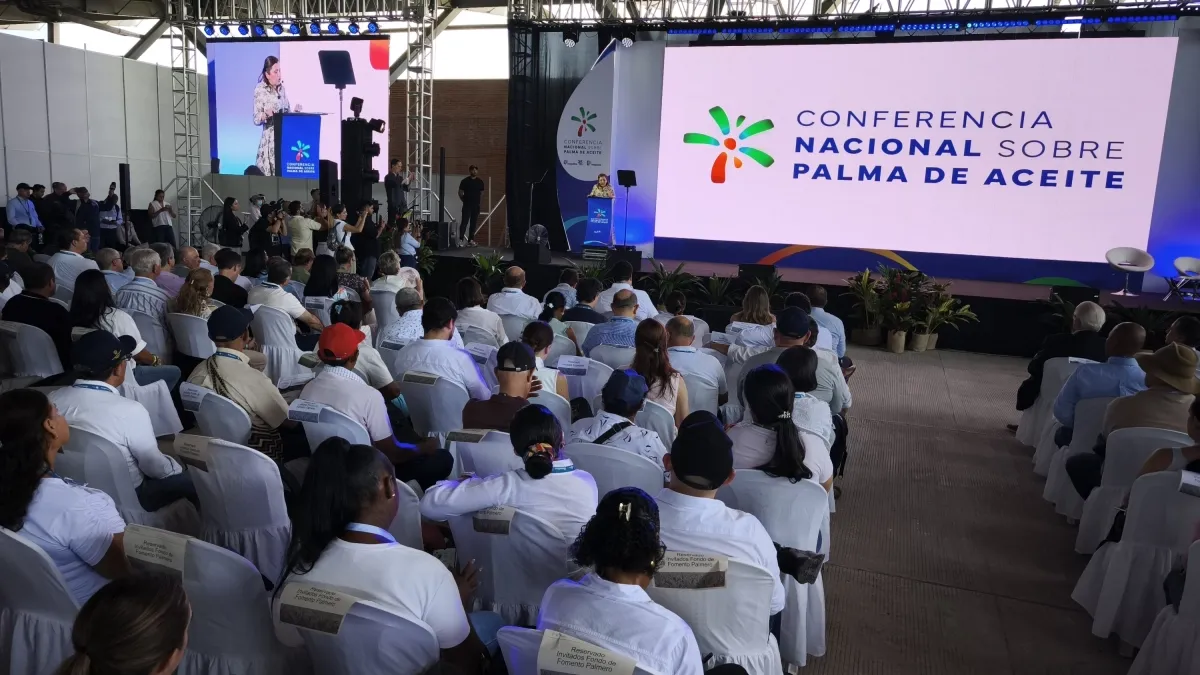
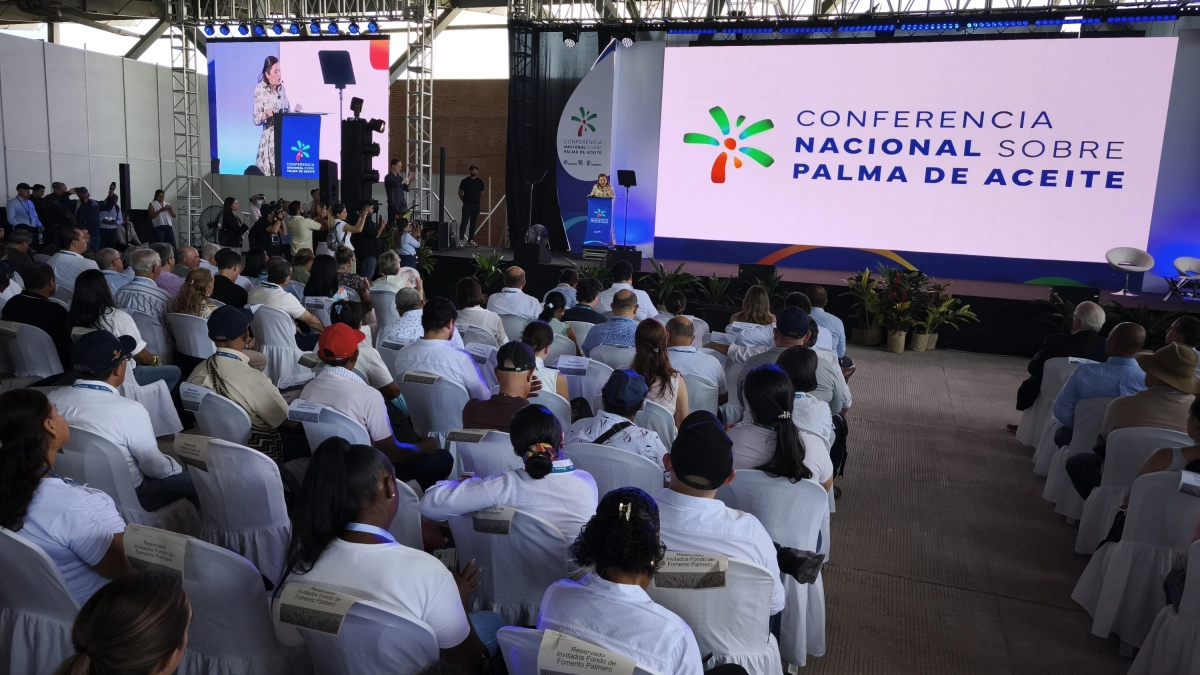
VILLAVICENCIO, Colombia – In a move that signals a new era for one of Colombia’s most vital agricultural sectors, the Development Bank of Latin America and the Caribbean (CAF), the National Federation of Oil Palm Growers (Fedepalma), and the Oil Palm Research Center (Cenipalma) have officially entered into a strategic partnership. The memorandum of understanding (MoU), signed during the prestigious National Oil Palm Conference in Villavicencio, marks a concerted effort to fortify the competitiveness, sustainability, and climate resilience of the Colombian palm oil industry.
This landmark agreement brings together the financial and technical expertise of a leading multilateral institution with the deep-rooted industrial and scientific knowledge of Colombia’s palm sector leadership. As the global demand for sustainable vegetable oils grows, this alliance aims to position Colombian palm oil as a global benchmark for social responsibility and environmental stewardship.
The Pillars of the Agreement: A Roadmap for Modernization
The memorandum is not merely a symbolic gesture; it is a framework designed to streamline and regulate future cooperation. At its core, the document outlines a commitment to identify, promote, and develop initiatives that address the multifaceted challenges currently facing the agro-industrial sector.
The collaboration is built upon several strategic pillars:
- Environmental and Social Sustainability: The partners aim to refine practices that reduce the carbon footprint of palm oil production while ensuring that smallholders and rural communities benefit from equitable economic growth.
- Climate Resilience: Given the increasing volatility of global weather patterns, the agreement emphasizes the development of adaptive agricultural techniques to protect crops from extreme climate events.
- Productivity and Innovation: By leveraging Cenipalma’s cutting-edge research, the partnership seeks to integrate advanced technological solutions that enhance crop yield without expanding the land footprint.
- Inclusive Growth: A primary objective is to integrate small-scale producers into the value chain, ensuring that the modernization of the industry is inclusive and provides a stable livelihood for thousands of families across Colombia.
Chronology of an Evolving Industry
To understand the significance of this agreement, one must look at the trajectory of the Colombian palm industry over the last two decades.
- Early 2000s: The sector begins a rapid expansion phase, transitioning from domestic consumption to a significant export-oriented market.
- 2010–2015: Fedepalma and Cenipalma lead the charge in establishing "sustainable production" as the gold standard, moving away from practices that have historically plagued palm oil industries in other parts of the world, such as uncontrolled deforestation.
- 2020: The COVID-19 pandemic highlights the importance of national food security and the resilience of the agricultural sector. Palm oil emerges as a key component of the Colombian economy, providing essential supplies during supply chain disruptions.
- September 2026: During the National Oil Palm Conference in Villavicencio, the tripartite MoU with CAF is signed, marking a pivot toward international institutional backing to address long-term climate and market challenges.
Supporting Data: Why This Partnership Matters
The palm oil sector is a cornerstone of the Colombian rural economy. According to recent industry data, the sector supports over 180,000 direct and indirect jobs, many of which are located in remote regions where formal employment opportunities are scarce.

- Economic Contribution: Palm oil accounts for a significant percentage of Colombia’s non-traditional agricultural exports. The industry’s growth has historically been correlated with regional development in the Orinoquía, the Caribbean, and the Pacific coast.
- Sustainability Metrics: Through Cenipalma’s research, Colombia has achieved one of the lowest rates of deforestation related to oil palm expansion globally. The industry currently utilizes less than 1% of the country’s total agricultural land.
- Climate Impact: With climate change threatening tropical crops, the industry faces the risk of yield reduction due to pests and drought. The involvement of CAF, which focuses heavily on green financing, provides the necessary capital to transition toward "Climate-Smart Agriculture."
Official Responses: Voices from the Leadership
The signing ceremony in Villavicencio featured key leaders who articulated the vision behind this new institutional marriage.
Rodrigo Peñailillo Briceño, Representative of CAF in Colombia:
"For CAF, this alliance is a testament to our commitment to sustainable development in the region. We are not just investing in an industry; we are investing in the people, the landscapes, and the future of Colombian agriculture. By partnering with Fedepalma and Cenipalma, we are ensuring that the palm oil sector remains a driver of prosperity that is both socially inclusive and environmentally conscious."
Nicolás Pérez Marulanda, Executive President of Fedepalma:
"This partnership with CAF marks a pivotal step in our professionalization. It allows us to access international standards of development and financing that will enable our producers—especially the smallholders—to compete in a global market that increasingly demands transparency and carbon neutrality. We are building a legacy of excellence."

Eduardo José Graterol Matute, Director General of Cenipalma:
"Science is the engine of this agreement. Our role is to ensure that the practices we promote are backed by rigorous research. With the support of CAF, we can accelerate the implementation of new technologies that will allow our growers to adapt to a changing climate, ensuring that palm oil production remains viable for generations to come."
Implications: The Path Toward a Global Standard
The implications of this agreement extend far beyond the borders of Colombia. As international regulations—such as the European Union’s Deforestation Regulation (EUDR)—begin to reshape global supply chains, the ability of Colombian producers to demonstrate traceability and sustainability becomes a matter of economic survival.
Strengthening Market Access
By aligning with a multilateral bank like CAF, the Colombian palm sector is signaling to international markets that it is ready to adhere to the highest global standards. This institutional backing serves as a "seal of quality" that could facilitate better terms of trade and attract further foreign investment into the sector.

A Model for the Tropics
If successful, the collaboration could serve as a blueprint for other palm-producing nations in the Global South. The challenge of balancing agricultural expansion with environmental conservation is universal. Colombia, through this tripartite effort, is attempting to prove that industrial agriculture can coexist with biodiversity conservation and community development.
Challenges Ahead
Despite the optimism, the road ahead is complex. The sector must navigate infrastructure deficits, the logistics of transport in rural areas, and the ongoing need to convince international consumers of the progress made in sustainability. Furthermore, the volatility of global commodity prices requires a robust financial safety net, which the partnership with CAF is expected to help establish.
Conclusion: A New Chapter
As the 2026 National Oil Palm Conference draws to a close, the mood among stakeholders is one of guarded optimism. The agreement between CAF, Fedepalma, and Cenipalma is a reflection of a broader, necessary shift in the global economic landscape: the recognition that long-term profit is inextricably linked to long-term sustainability.

For the thousands of palm growers, from the smallest family-owned plot to the largest industrial estate, this partnership represents a lifeline of technical support, financial security, and a shared vision. As the world watches, Colombia continues to refine its agricultural identity, aiming to demonstrate that the future of the palm oil industry is not in its past expansion, but in its future innovation.
This report is part of a series of updates on the 2026 National Oil Palm Conference. For further analysis on the economic impact of this partnership, follow our ongoing coverage in the Economy section.