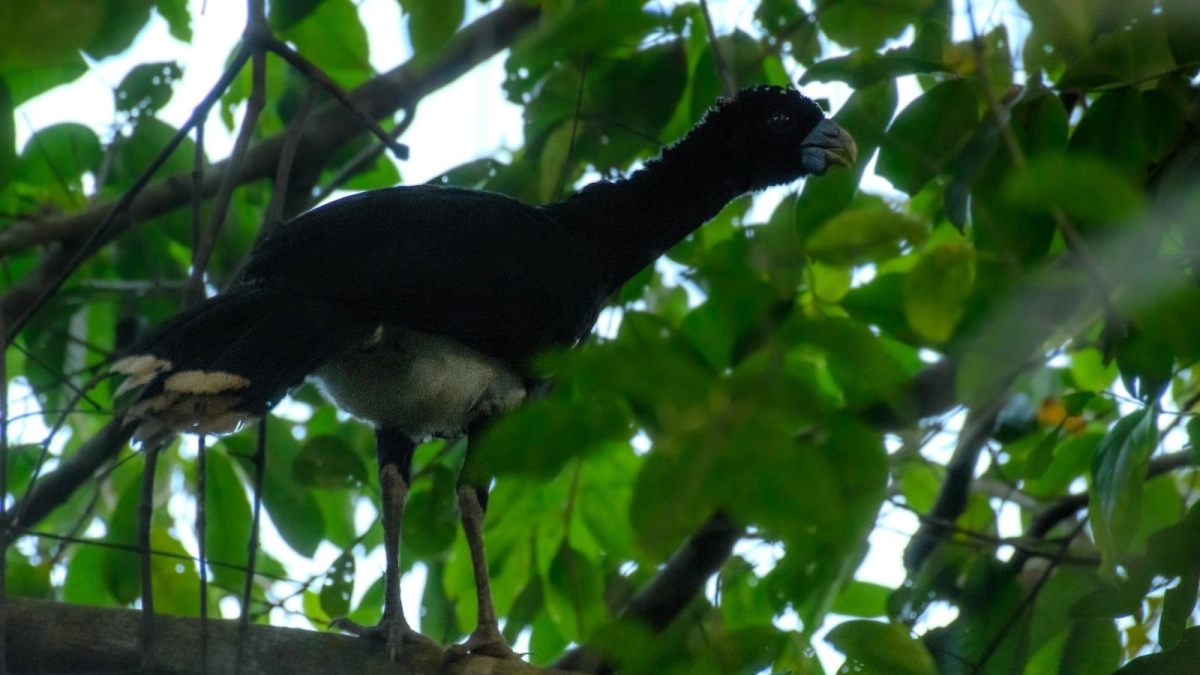
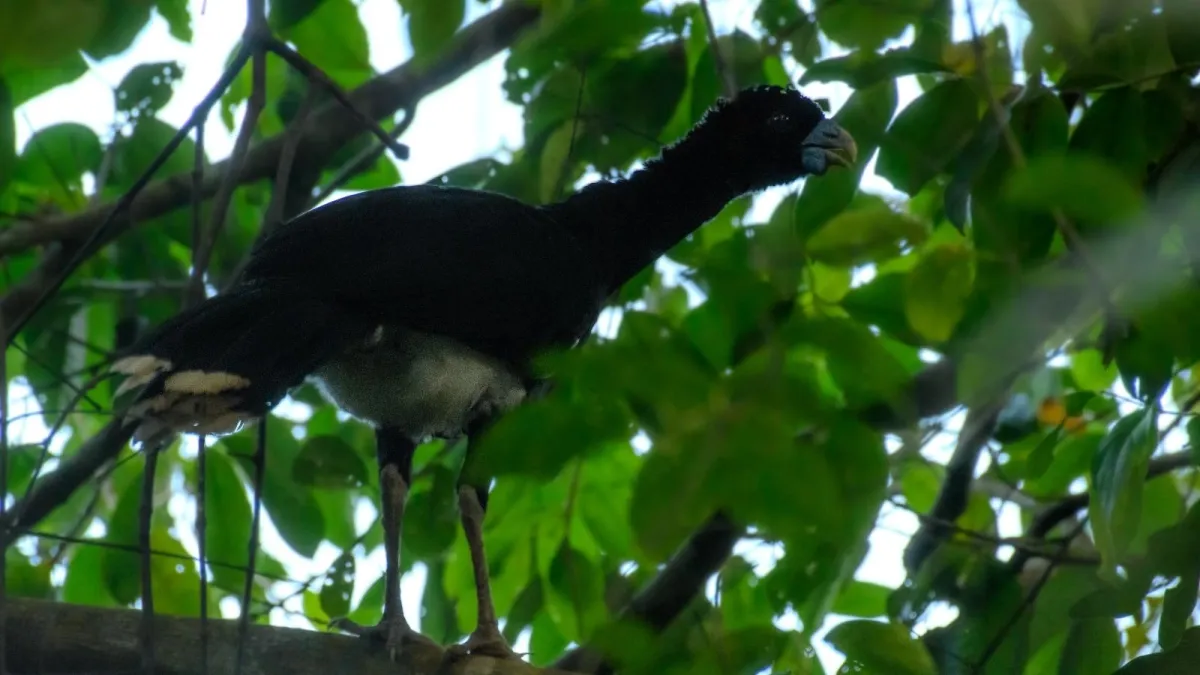
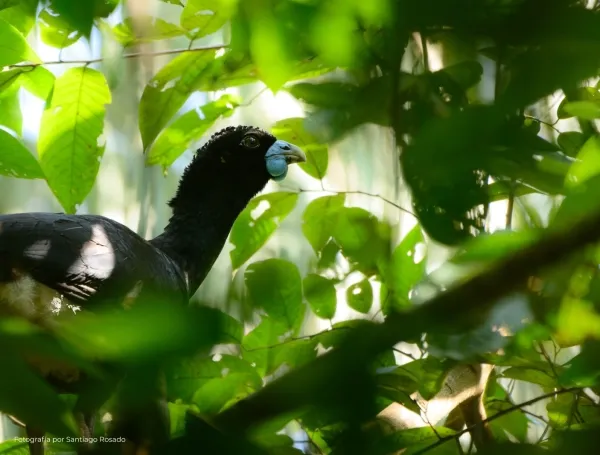
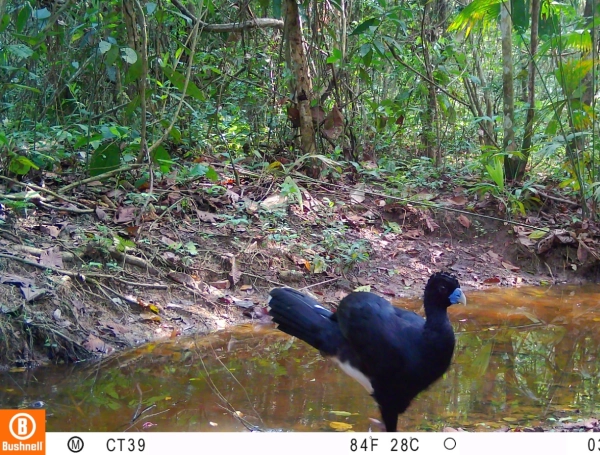
In the dense, labyrinthine wetlands of the Magdalena Medio region in Colombia, a "ghost" has returned to the forest. For years, the Blue-billed Curassow (Crax alberti) was a creature of myth for local inhabitants—heard in the canopy, sensed in the rustling leaves, but rarely seen. Now, thanks to a concerted effort between the Biodiversa Foundation and the energy company ISA, through its "Conexión Jaguar" program, the story of this critically endangered bird is being rewritten from the brink of oblivion.
The Plight of an Endemic Icon
The Blue-billed Curassow is a species of immense ecological and cultural significance. Endemic to Colombia, it is found nowhere else on Earth. As a "keystone" or "umbrella" species, its presence serves as a biological indicator of ecosystem health; where the curassow thrives, the forest is sufficiently robust to support a wide array of other flora and fauna.

Despite its importance, the species has been pushed to the edge of extinction by a "perfect storm" of threats: rampant deforestation, the fragmentation of its habitat for cattle ranching, and historical hunting. By the early 2000s, the species had disappeared from large swaths of its original range, leaving isolated populations struggling to find mates and food.

A Chronology of Conservation: From 2009 to the Present
The intervention in the Barbacoas wetland complex, located in Yondó, Antioquia, represents a turning point in Colombian conservation history.
- 2009: The Arrival: When the Biodiversa Foundation first arrived in the region, they encountered a landscape in rapid decline. Projections indicated that if the rate of forest loss continued, the remaining patches of tropical humid forest in the Magdalena Medio would have vanished entirely by 2023.
- The Establishment of El Silencio: To halt this tide, the foundation established the "El Silencio" Natural Reserve, which now spans approximately 3,300 hectares. This was not merely a land acquisition project but the beginning of a complex social and ecological pact.
- 2016: The Turning Point: The restoration efforts began to bear fruit in a tangible way. An area that had been actively reforested since 2016 saw its first curassow sighting in 2020. This proved that ecological restoration—reconnecting fragmented corridors—could yield results within years, rather than decades.
- 2024–2026: Consolidation: Today, the deforestation rate in the project zone has dropped to less than 1 percent annually, a remarkable feat in a region that once recorded some of the highest deforestation rates in the country. Over 2,700 hectares of forest have been reconnected, allowing the curassow to move freely across the landscape.
Supporting Data: Science Meets the Field
The success of this initiative is backed by rigorous scientific methodology. The Biodiversa Foundation employs a multi-faceted approach to monitor the species:
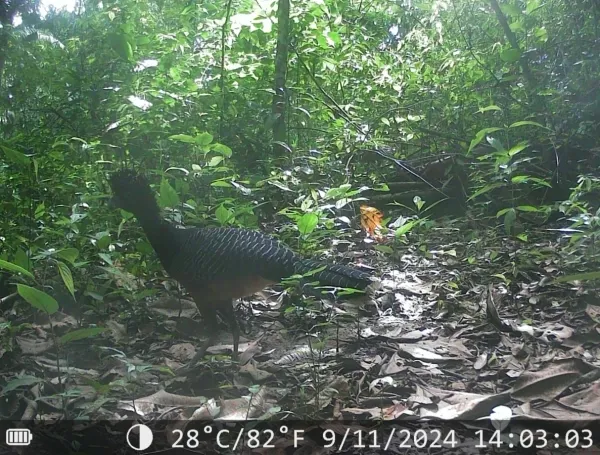
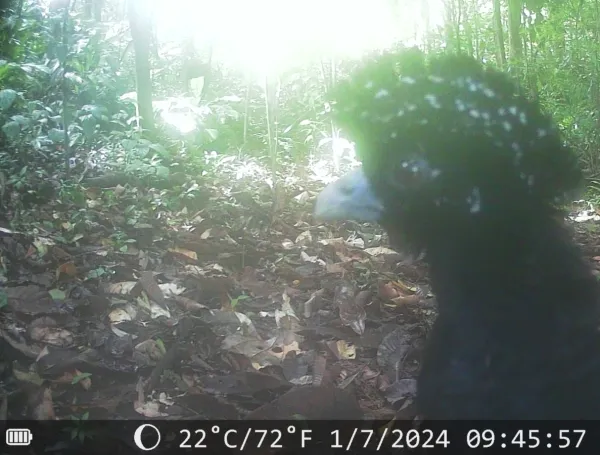
- Camera Traps and Acoustic Monitoring: Automated recording devices and motion-sensor cameras have provided the first reliable population estimates, confirming that the curassow is no longer a rare visitor but a resident of the restored corridors.
- Genetic Connectivity: By identifying specific plant species that form the curassow’s diet, the team has turned the restoration process into a "grocery store" project. Seeds are collected, germinated in nurseries, and planted to ensure the birds have the necessary sustenance to thrive.
- Landscape Analysis: Studies conducted in collaboration with the Wildlife Conservation Society (WCS) provided the roadmap for the project, emphasizing that the size of a forest fragment is secondary to the quality of the corridors connecting it to larger habitats.
Official Perspectives: The Human Element
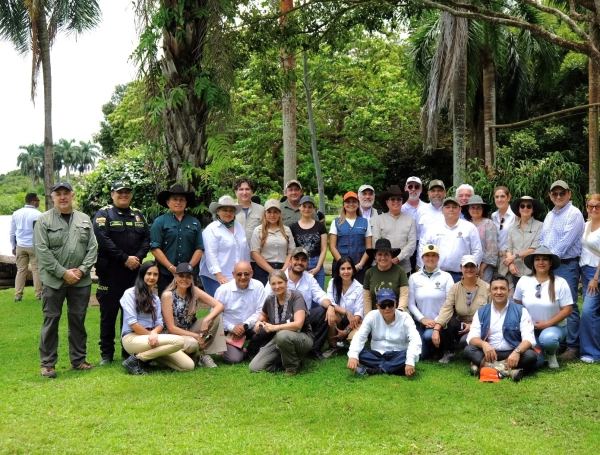
The most profound transformation has occurred not just in the forest, but in the hearts and minds of the local population. Fernando Arbeláez, representing the Biodiversa Foundation, notes that the community’s relationship with the land has undergone a total metamorphosis.
"Before, we were seen as outsiders, as obstacles," says Julio Marín, the regional field coordinator. "Today, we are partners." Through dialogue and voluntary conservation agreements, former hunters have become the forest’s staunchest protectors. Children who once used slingshots to target birds now participate in wildlife monitoring, and cattle ranchers are actively reaching out to the foundation to discuss reforestation on their properties.
Valeria Hincapié, coordinator of the "Conexión Jaguar" program at ISA, highlights the challenge of invisibility. "Many people didn’t understand why we were working so hard to protect a bird they barely knew," she explains. "We have had to prove that the bird is a piece of their natural heritage, a treasure that belongs to them."
Economic Viability: Conservation as a Development Tool
One of the core tenets of this project is the belief that conservation cannot exist in a vacuum. It must provide tangible economic benefits to the communities that manage the land. The partnership integrates carbon credit markets with local employment:
- Job Creation: The project has hired locals for seed collection, tree planting, and forest maintenance.
- Community Infrastructure: Efforts have extended to building local schools to prevent children from having to travel long distances by boat, as well as providing health and veterinary services.
- Sustainable Income: Approximately 30 percent of the 20,000 seedlings planted in the restoration areas were purchased directly from local family-run nurseries, keeping the economic benefits within the community.
Implications and Future Challenges
Despite the success in Barbacoas, the team remains cautious. "We cannot say the species is saved," Arbeláez warns. "We have protected one population, but there are others in the country that remain vulnerable."
The primary threat moving forward is the potential for institutional or social backsliding. A new wave of deforestation, a collapse in local interest, or a return to extractive practices could undo over a decade of progress. The long-term goal is to make the "Barbacoas Model" scalable—a template that can be exported to other regions of Colombia to protect not just the Blue-billed Curassow, but the entire biodiversity of the Magdalena Medio.
The return of the curassow is a powerful symbol. It suggests that if we provide the space and the resources for nature to recover, it will respond. However, as the project leaders emphasize, the greatest challenge is not merely biological—it is psychological. The battle to save the Blue-billed Curassow is ultimately a battle to ensure that all Colombians recognize this bird as a part of their national identity. Before a species can be saved, it must be seen, understood, and cherished.
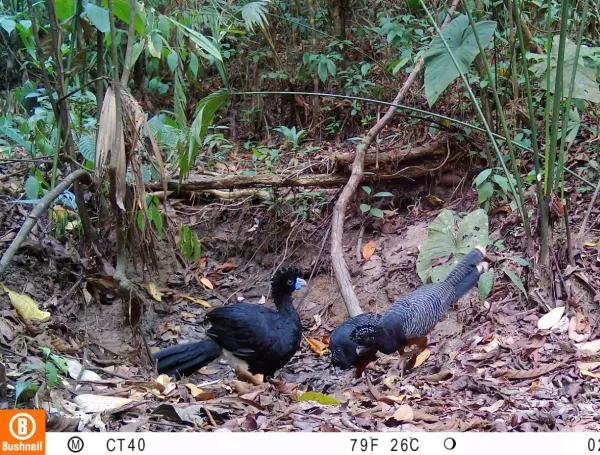
In the quiet, restored corridors of El Silencio, the "ghost" of the forest is no longer a whisper. It is a living, breathing testament to what happens when human ingenuity, corporate responsibility, and local commitment align for the sake of the wild.