By Edwin Caicedo, Environmental and Health Correspondent
In an era defined by the urgent need for a global energy transition, the paradox of modern infrastructure remains a significant challenge: how can nations expand their electrical grids—the very backbone of clean energy—without incurring massive environmental costs?
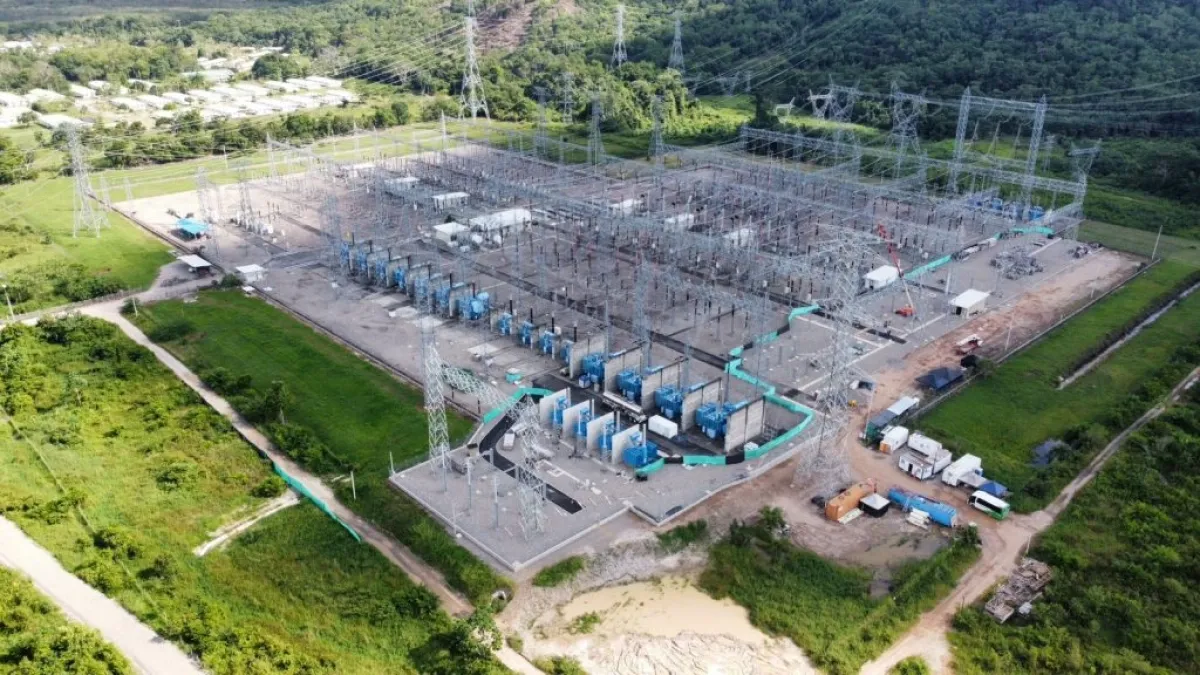
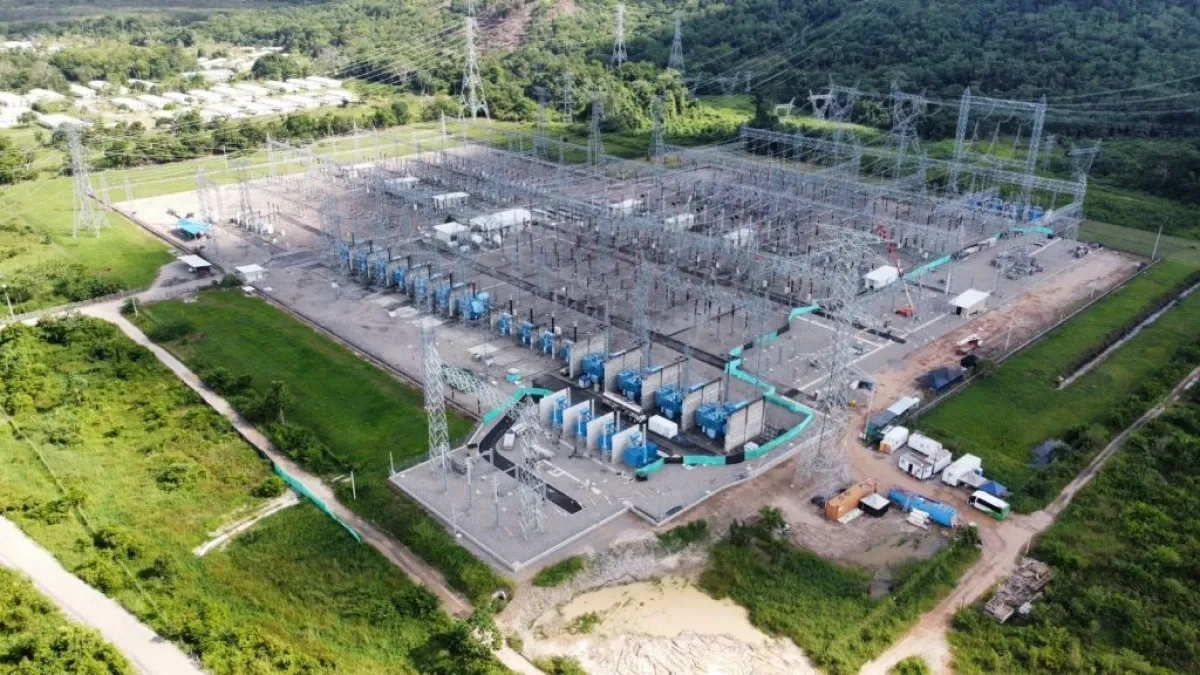
During the Climate Week 2026 held in Medellín, ISA, a leader in energy transmission across Latin America, presented a compelling case study on how to decouple operational growth from resource depletion. By pivoting toward circular economy principles and innovative "Green Substation" technologies, the company has demonstrated that the expansion of the power grid does not have to come at the expense of the planet.
Main Facts: A Paradigm Shift in Utility Operations
The core of ISA’s announcement centers on a measurable reduction in resource consumption achieved alongside a 20% growth in regional operations over the last four years. The company’s strategy is twofold: transforming existing infrastructure through retrofitting and integrating sustainable management systems into daily operations.

Key highlights from their report include:
- Water Conservation: Since 2018, the modernization of 28 electrical substations in Colombia has resulted in a cumulative saving of 24,208 cubic meters of water. This volume is equivalent to the consumption needs of 155 households over a full month.
- Circular Steel Usage: By rehabilitating and reusing transmission towers—specifically by reclaiming materials from decommissioned structures—the company slashed its consumption of new steel from 91 tons in 2024 to just 30 tons in 2025.
- Operational Autonomy: Eight substations in Colombia have achieved a "zero-discharge" status, eliminating soil and water contamination, while 12 sites have implemented rainwater harvesting systems that allow for self-sufficiency.
A Chronology of Sustainable Transformation
The path to these results was not sudden but the culmination of a multi-year effort to institutionalize environmental stewardship.
2018: The Genesis of "Green Substations"
ISA initiated its pilot program to transform existing electrical substations into "Green Substations." The objective was to minimize the footprint of these essential assets by incorporating natural resource management. This period focused on auditing water usage and identifying areas where traditional grid management was inherently wasteful.
2022–2024: Scaling Efficiency
As the company expanded its regional presence, it began to apply data-driven environmental targets. By 2024, the success of the pilot projects allowed for a broader rollout. This phase saw the implementation of advanced waste management and the integration of renewable energy sources, such as on-site solar panels, to power the facilities themselves.
2025: The Year of Circularity
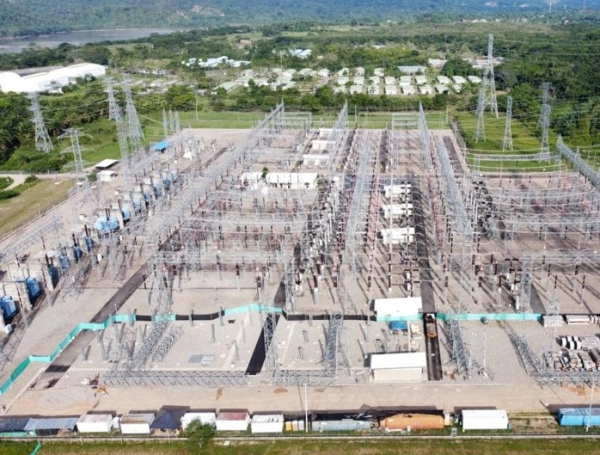
The most significant milestone in material efficiency occurred in 2025. By shifting focus from "new construction" to "re-manufactured infrastructure," ISA proved that steel, a carbon-intensive material, could be recovered and repurposed from old sites to build new segments of the grid. This reduction of 61 tons of virgin steel in a single year marked a turning point in the company’s decarbonization strategy.
2026: Climate Week Recognition
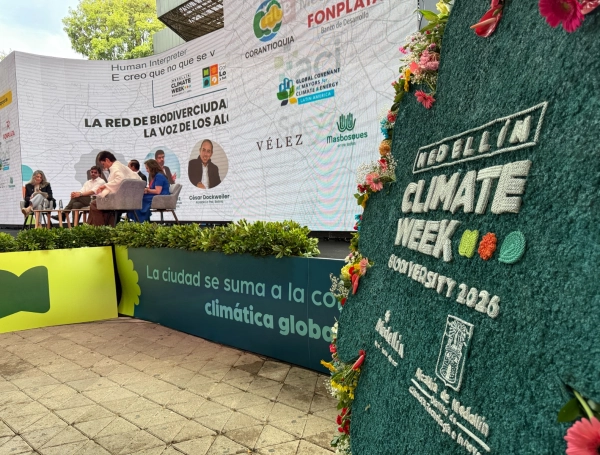
Presenting at Climate Week in Medellín, ISA solidified its position as a regional benchmark. The company now claims over 37 distinct circular economy practices currently active across its operations in Latin America.

Supporting Data: The Economics of Sustainability
The transition to a circular model is often viewed as a financial burden, but ISA’s internal metrics suggest the opposite. Environmental responsibility has proven to be a catalyst for fiscal efficiency.
The case of the Sogamoso Substation in Santander serves as the company’s flagship success story. By retrofitting the facility for 100% energy self-sufficiency, ISA invested approximately $723 million (COP). The project has yielded $1.310 billion in combined economic and environmental benefits. This represents a return on investment of $1.93 for every peso spent—a figure that should catch the attention of institutional investors and policy-makers alike.
Furthermore, the data regarding steel usage is striking. By moving to a reuse model, the company reported a 73% decrease in manufacturing-related costs compared to the previous year. This confirms that environmental mitigation and financial performance are not mutually exclusive; rather, in a resource-constrained future, they are inextricably linked.
Official Responses and Strategic Vision
Juliana Suso Jaramillo, Vice President of Institutional Relations at ISA, emphasized that the energy transition is as much about operational philosophy as it is about technology.

"The energy transition is not built solely with new infrastructure; it also demands that we learn to use the resources we already have better," Suso Jaramillo stated during her address at the summit. She argued that the company’s mission is to demonstrate that "security of energy supply" and "environmental protection" are two sides of the same coin.
According to ISA’s leadership, these initiatives are being exported as a model for the rest of the continent. By sharing the technical frameworks for their "Green Substation" model—which includes artificial wetlands for water purification, dry toilets, and composting programs—the company aims to turn their internal sustainability policy into a regional tool for climate action.

Environmental and Social Implications
The implications of ISA’s work extend far beyond the electrical grid. By treating substations as ecosystems rather than isolated industrial sites, the company is addressing several critical environmental challenges:
1. Water Scarcity
With climate change threatening hydrological cycles, the 17.5% reduction in global water consumption by a major utility is significant. By implementing rainwater harvesting and natural water treatment, ISA is easing the pressure on local water tables and regional water supplies, which is increasingly vital in areas experiencing drought or water stress.

2. Waste Reduction and Circularity
The transformation of 50.4 tons of organic waste into compost in just one year highlights a shift in how industrial entities manage their "non-industrial" waste. By integrating composting into their maintenance sites, the company is diverting organic matter from landfills and promoting soil health.
3. Decarbonizing the Supply Chain
The decision to reuse steel is perhaps the most impactful climate-related action. The production of steel is notoriously carbon-intensive. By reducing the demand for new steel, ISA is effectively reducing the Scope 3 emissions associated with their procurement processes. This is a crucial step for any company aiming to align with Net Zero targets.

The Path Forward: Beyond the Grid
The model presented by ISA provides a blueprint for other utilities and infrastructure developers. It suggests that the future of the power industry lies in "Smart Efficiency."
As the global demand for electricity surges due to the electrification of transport and heating, the pressure on natural resources will only intensify. ISA’s commitment to integrating circular economy principles from the design phase to the operational phase offers a template for sustainable growth.

While the company has already achieved significant milestones, the challenge ahead remains scaling these practices across its entire international portfolio. The transition from 37 circular practices to a fully circular operational model will require continued innovation, investment, and a willingness to challenge the "build-new-at-all-costs" mentality that has historically dominated the energy sector.
As the energy sector continues to evolve, ISA’s performance serves as a reminder: the most sustainable unit of energy is not just the one generated by a wind turbine or solar panel, but the one managed with the least amount of waste. By proving that efficiency can be profitable, ISA is not only keeping the lights on—it is helping to keep the planet in balance.