By Edwin Caicedo | Environmental and Health Correspondent
September 22, 2026
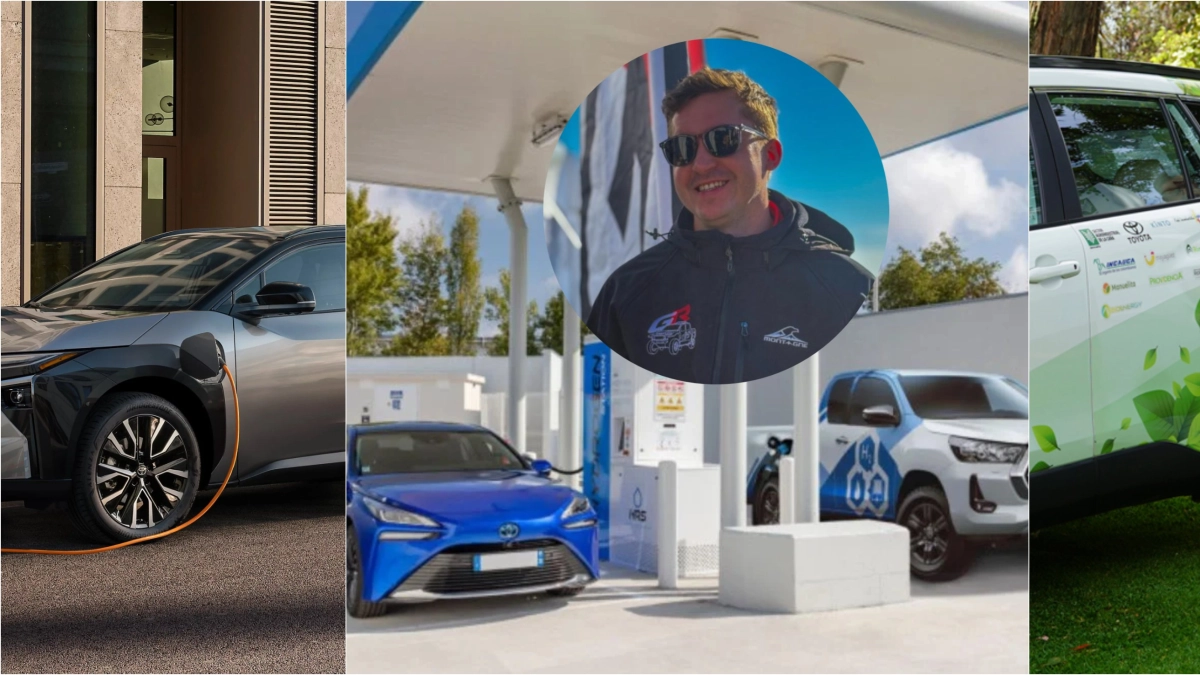
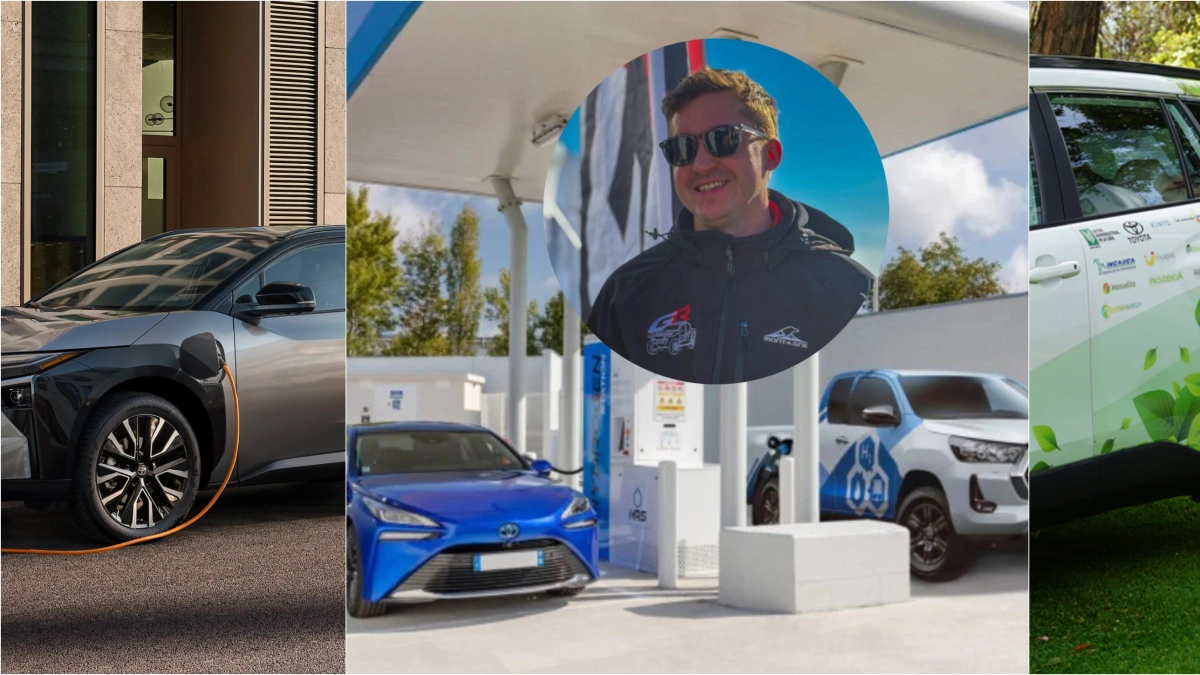
As the global automotive industry aggressively pivots toward full-scale electrification, a major debate has emerged: Is the battery-electric vehicle (BEV) the definitive "silver bullet" for the climate crisis? While many manufacturers have committed to sunsetting internal combustion engines (ICE) by the early 2030s, Toyota—through its high-performance division, Gazoo Racing (GR)—is championing a contrarian, nuanced strategy known as the "Multi-Pathway" approach.

This philosophy asserts that the road to carbon neutrality is not a single-lane highway, but a complex, multi-modal network. By simultaneously developing hybrid, battery-electric, synthetic fuel, and hydrogen-powered technologies, Toyota is positioning itself as a pragmatic disruptor, arguing that the future of mobility will not have a single protagonist.
The Core Philosophy: Why "One-Size-Fits-All" Fails
Nicolás Sánchez, Product Engineer for Gazoo Racing in Latin America, explains that the industry’s current obsession with a single technological solution may be shortsighted. "The vision is broad because we refuse to close ourselves off to just one solution," Sánchez stated in an interview.

Toyota’s skepticism regarding an "EV-only" future is rooted in supply chain realities and environmental ethics. The extraction of lithium, cobalt, and nickel required for high-capacity batteries involves finite resources and complex ecological footprints. By diversifying its research and development, Toyota aims to mitigate the risk of supply bottlenecks while ensuring that mobility remains accessible across different geographical and economic landscapes.
A Chronology of Innovation: From WEC Tracks to Global Roads
Toyota’s commitment to sustainable mobility has long been incubated in the high-pressure environment of motorsport. The evolution of its strategy can be mapped through its competition history:

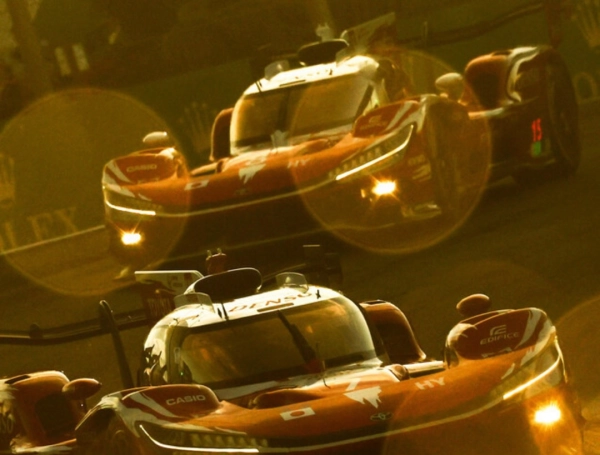
- Early 2010s: Toyota establishes its dominance in the World Endurance Championship (WEC), utilizing hybrid powertrains. These systems were not merely for speed; they were real-world laboratories for energy recovery and efficiency, proving that hybrid tech could handle the rigors of 24-hour racing.
- 2020-2023: Gazoo Racing begins testing internal combustion engines fueled by 100% synthetic, carbon-neutral fuels in the Super Taikyu series in Japan.
- 2024-2025: The shift toward hydrogen intensifies. Toyota moves from gaseous hydrogen to liquid hydrogen storage, testing prototypes in the WRC and preparing for a hydrogen-powered entry into the Dakar Rally.
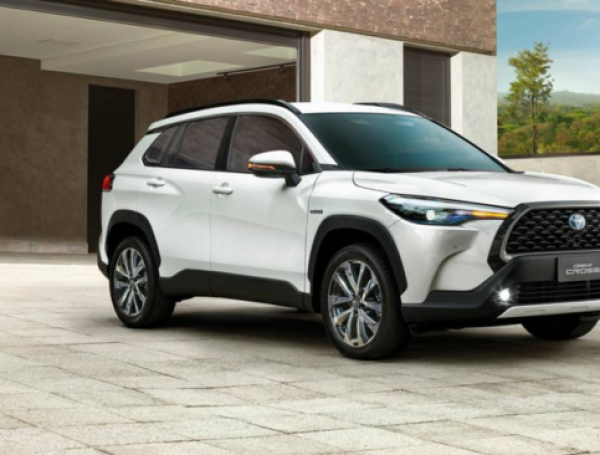
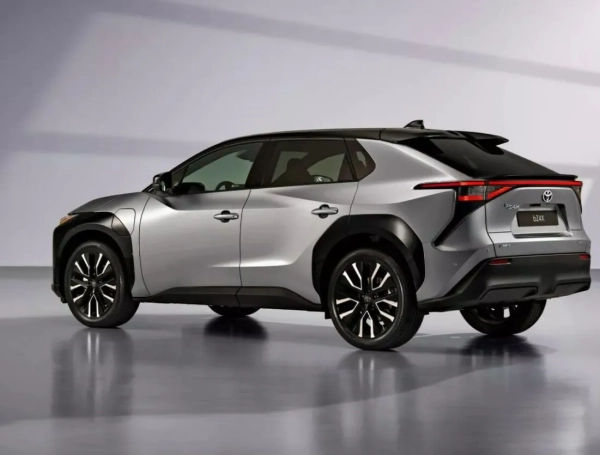
- 2026: The current "Multi-Pathway" strategy matures, with the brand balancing its BZ4X electric line in markets like Colombia alongside its new, high-performance hybrid SUVs, such as the Land Cruiser 300 HEV.
Supporting Data: The Case for Diversification
The argument for the Multi-Pathway approach relies on the principle of "optimal application." According to Toyota, the energy source should be matched to the vehicle’s intended use case:

- Urban Commuting: Compact Battery Electric Vehicles (BEVs) are ideal for short-range, city-based transport where charging infrastructure is dense and driving cycles are predictable.
- Long-Haul Transport: For heavy-duty or long-distance travel, hydrogen fuel cells or hydrogen-combustion engines offer faster refueling times and higher energy density without the weight penalty of massive battery packs.
- Legacy Infrastructure: Synthetic fuels allow the world’s existing fleet of millions of combustion-engine vehicles to operate with a near-zero carbon footprint, preventing the need for the immediate scrapping of functional, high-resource vehicles.
Official Responses and Technical Challenges
Despite the potential, the path to a hydrogen-powered future is fraught with technical hurdles. Nicolás Sánchez acknowledges that storage and fueling infrastructure remain the "Achilles’ heel" of the hydrogen movement.
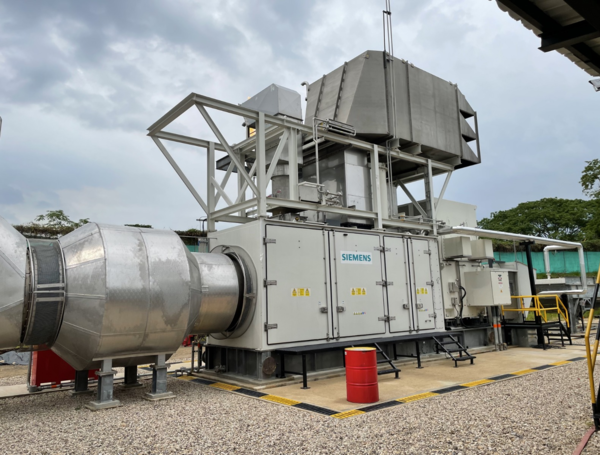
"The greatest risk lies in the storage and the tanking of the vehicles," Sánchez admitted. Hydrogen, particularly in liquid form, requires complex cryogenic management and high-pressure handling systems. Yet, Gazoo Racing argues that the trade-off is worth it because the architecture of modern combustion engines can be adapted to burn hydrogen, potentially saving trillions of dollars in manufacturing infrastructure turnover.
Furthermore, the engineering team emphasizes that "no solution is perfect." Every technology, from the lithium-ion battery to the hydrogen cell, carries an environmental "cost of production." Toyota’s mission is to find the "just balance"—an equilibrium where carbon emissions are minimized, but the passion, performance, and reliability of the automobile are preserved.
Implications: The Future of the "Driving Experience"
Perhaps the most significant implication of Gazoo Racing’s work is the preservation of the "soul" of the car. For many enthusiasts, the sound and mechanical feedback of an engine are integral to the driving experience. By utilizing carbon-neutral synthetic fuels, Toyota suggests that we can enjoy the emotion of a high-performance engine without the environmental guilt of burning fossil fuels.

This has major implications for markets like Latin America, where the adoption of pure EVs is hindered by power grid limitations and long-distance travel requirements. The Multi-Pathway approach provides a bridge:
- Hybrids provide an immediate reduction in emissions for consumers not yet ready to commit to full charging.
- Synthetic fuels keep the existing vehicle fleet sustainable.
- Hydrogen and EVs provide the long-term solution for localized and specialized mobility.
Conclusion: A Balanced Ecosystem
As the industry moves toward 2030, Toyota’s message is one of inclusion, not exclusion. The company maintains that the goal is not to declare a winner between hydrogen, electricity, or hybrids, but to create a sustainable ecosystem where each technology has a role to play.

"We want to achieve a competitive, emotional, and passionate motorsport scene that is also safe and sustainable," concludes Sánchez. By refusing to follow the herd, Gazoo Racing is betting that the most resilient future is one that embraces complexity, acknowledges the limitations of current resources, and treats the diversity of global mobility needs as a catalyst for innovation rather than a barrier to progress.

In the end, Toyota is not just building cars; it is building a roadmap for a world where technology serves the driver and the planet in equal measure—one pathway, or rather, many pathways, at a time.