By Edwin Caicedo, Environmental and Health Correspondent
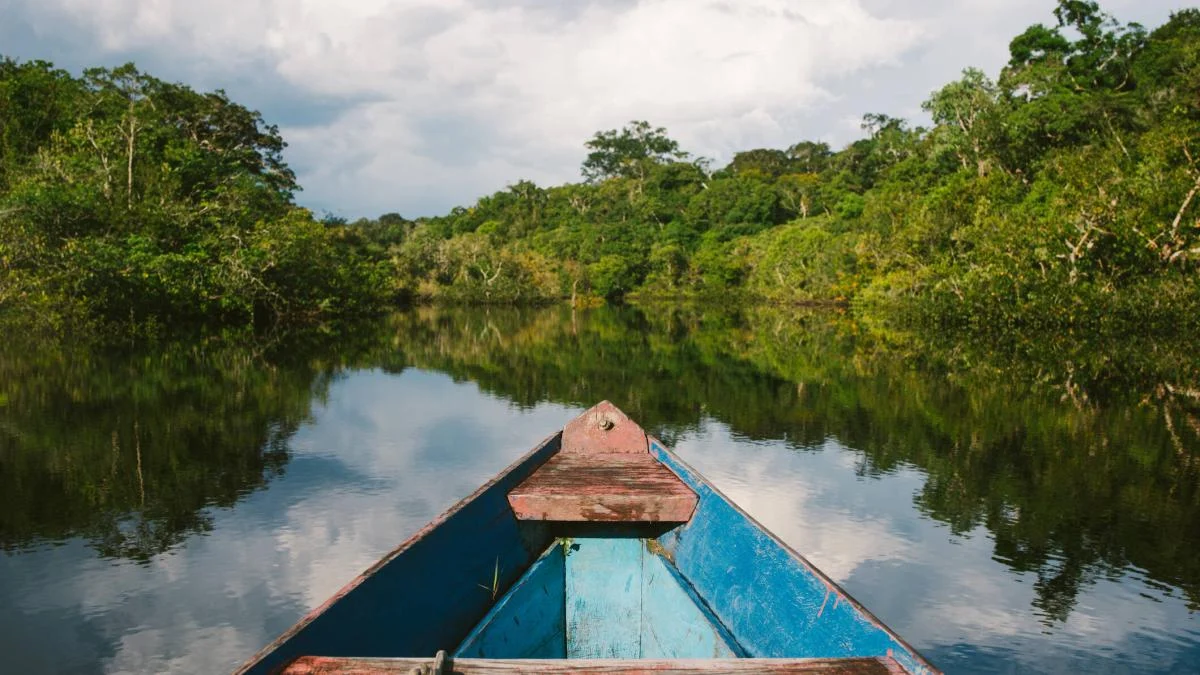
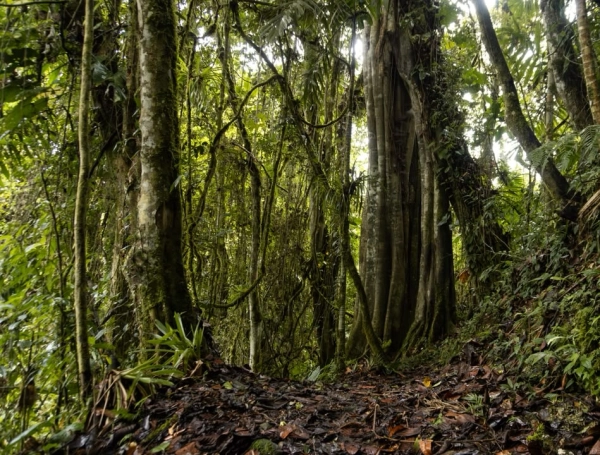
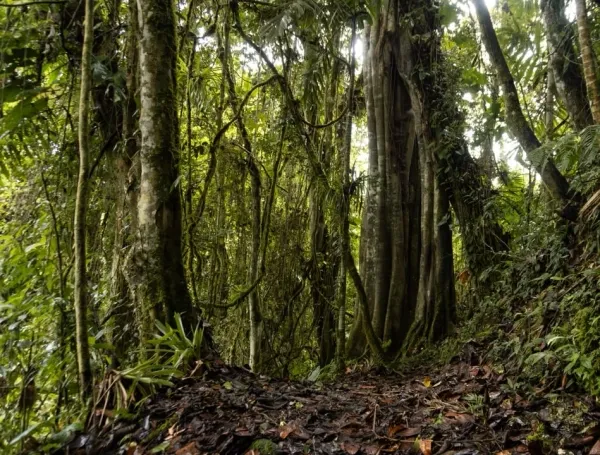
In the dense, mist-shrouded canopy of the Cueva de los Guácharos National Natural Park in southern Colombia, a quiet revolution in botanical science has taken place. Amidst the complex tapestry of the Andean forest, researchers have identified Trichostigma guacharense, a new species of shrub that has remained hidden from the formal record for over a century. This discovery is not merely an addition to a biological catalog; it is a profound testament to the untapped natural wealth of Colombia and the critical importance of fostering the next generation of scientific talent.
The last time a new species within the Trichostigma genus was formally described to science was in 1909. The fact that more than 117 years have passed between that historical milestone and this recent discovery underscores the immense task that lies ahead for those dedicated to mapping the living heritage of the planet.
The Genesis of a Discovery
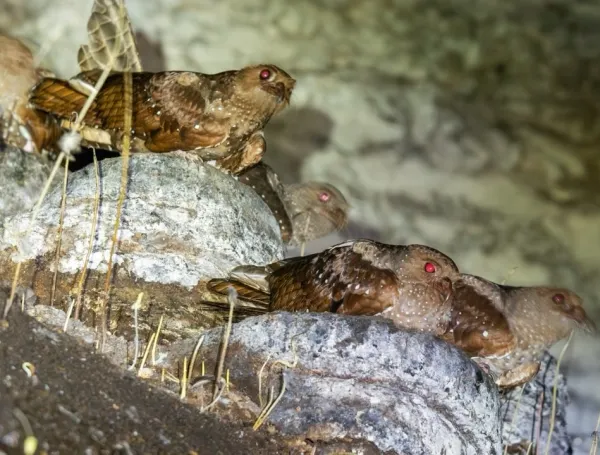
The journey to the discovery of Trichostigma guacharense began not in a high-tech laboratory, but in the rugged terrain of one of Colombia’s oldest protected areas. The park, established in 1960, was the nation’s first, created specifically to protect the habitat of the oilbird—the guácharo—from which the park derives its name.

The research was spearheaded by Andrés Majín, a young biologist from the Military University of New Granada. His work was part of a broader, collaborative academic effort involving the University of the Andes, under the guidance of Professor Pablo Stevenson. During his fieldwork, Majín encountered a plant that, while superficially resembling others of the Trichostigma genus, exhibited subtle, distinct morphological traits that piqued his curiosity.
"The last time a species of Trichostigma had been described was in 1909," explains Alejandra Jaramillo, a key researcher involved in the formal classification. "It is truly fascinating that we are able to describe a new species for this genus after such a long interval."

The validation process was rigorous. It required a combination of deep field observations, meticulous herbarium research, and taxonomic analysis. Along with Jaramillo and researcher Gerardo Aymard, the team corroborated that the specimen possessed unique anatomical characteristics that set it apart from its known relatives. The effort was bolstered by the historical records maintained by local experts like Laura I. Ramos and the logistical support provided by the staff of Parques Nacionales Naturales de Colombia.
A Botanical Profile: Trichostigma guacharense
Trichostigma guacharense belongs to the family Petiveriaceae. It is an elegant shrub that typically reaches heights of approximately three meters. Its natural habitat is the humid montane forest, specifically thriving at elevations between 1,800 and 2,150 meters above sea level.
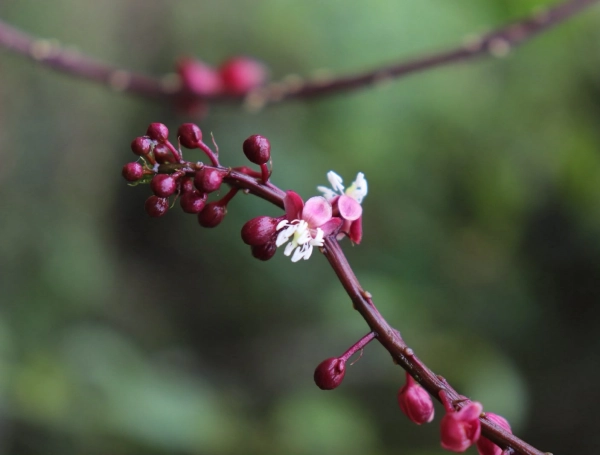
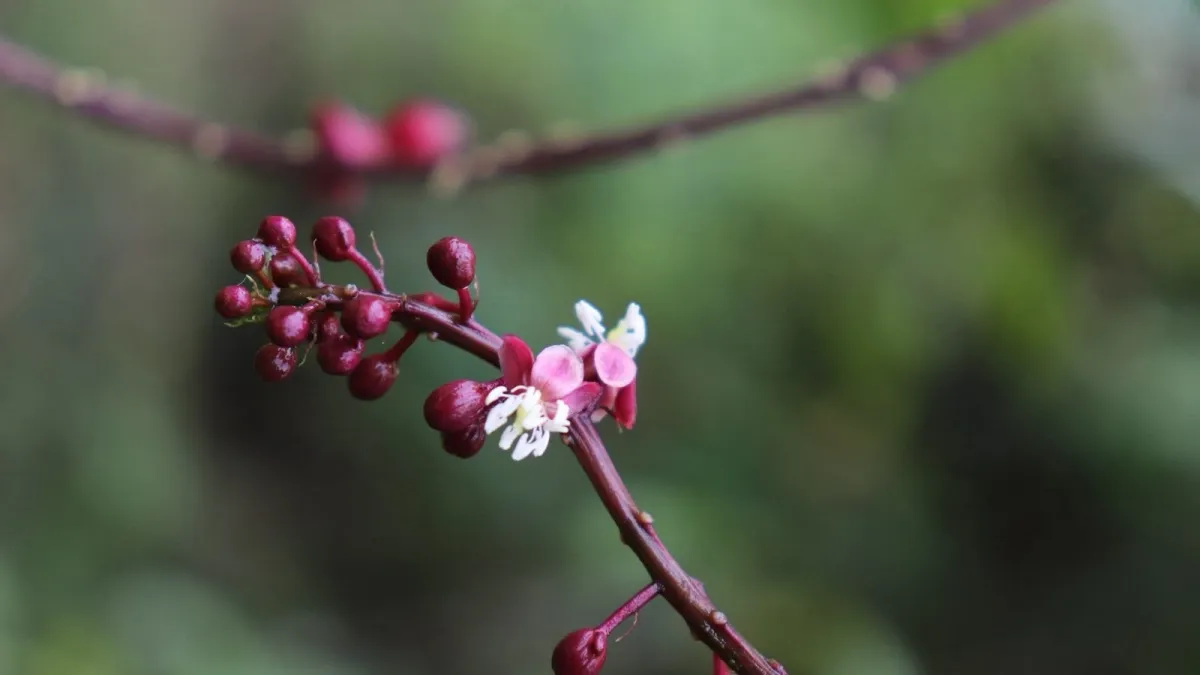
Botanically, it distinguishes itself through a specific set of features: its leaves, the structure of its grooved petioles, its unique stamen patterns, and its distinct, vibrant magenta-red fruits and inflorescences. The name itself is a tribute to the landscape that cradled its existence: the Cueva de los Guácharos. By naming it guacharense, the researchers honor not only the geographical location but also the spirit of the park that has served as a sanctuary for biodiversity for over six decades.
Chronology of the Research Process
The path to formal recognition was a multi-stage endeavor that highlights the complexity of modern botanical study:
- Preliminary Fieldwork (Early 2024–2025): Andrés Majín conducts graduate-level research within the Cueva de los Guácharos National Park. During routine surveys, he flags an unusual specimen that does not fit existing keys.
- Taxonomic Verification (2025): The specimen is brought to institutional herbariums. Comparison with historical samples—some dating back to the early 20th century—reveals consistent differences in floral and leaf structure.
- Collaborative Review (2026): Dr. Alejandra Jaramillo and Gerardo Aymard join the research, applying advanced taxonomic protocols to ensure the discovery meets international scientific standards.
- Formal Publication (November 2026): The findings are peer-reviewed and published in the international journal Brittonia, providing the scientific community with an updated analytical key for the genus.
Scientific Implications: Why New Species Matter
The discovery of Trichostigma guacharense is more than a trophy for taxonomy. It serves as a stark reminder of the "unknown" in our own backyards. Colombia remains one of the most biodiverse nations on Earth, yet a significant portion of its flora remains undescribed.
Dr. Jaramillo points out that many species remain "hidden in plain sight" because there is a lack of specialized focus on certain plant families. "When you don’t have researchers dedicated to a specific genus, the variations between plants are often dismissed as minor, intra-species differences," she explains. "Essentially, herbariums become stagnant, with multiple species lumped under a single name because no one has taken the time to perform the granular work of differentiation."
This issue is exacerbated by the need for more resources and specialized training. The botanical field, while vital for conservation, often struggles to attract the funding and the long-term institutional support required to train experts who can devote their lives to specific, often overlooked, plant groups.
The Role of Young Scientists
Perhaps the most significant takeaway from this discovery is the empowerment of young researchers. The success of Andrés Majín proves that the academic pipeline in Colombia is capable of producing world-class scientists who are not only observant but also capable of navigating the complex bureaucratic and analytical requirements of modern science.
"It is fascinating that we have dedicated people in Colombia studying our flora, identifying these differences, and documenting our diversity," says Jaramillo. "The importance of this goes beyond just adding a name to a list; it is about taking ownership of our natural history. We want our young scientists to feel the pride of discovery and to know that they are the ones who will define the future of our environmental knowledge."
The mentorship model demonstrated here—where seasoned researchers collaborate with students—is vital. It ensures that the knowledge gained over decades of experience is passed down, allowing the next generation to build upon the work of their predecessors rather than starting from scratch.

Conservation as an Imperative
The Cueva de los Guácharos is not just a site of biological curiosity; it is a critical refuge. The existence of a species like Trichostigma guacharense, which has seemingly evolved to occupy a very specific niche in the high-altitude, humid Andean forest, highlights the fragility of these ecosystems.
As climate change shifts the boundaries of these montane forests, species that are restricted to narrow altitudinal bands face existential threats. Knowing that a species exists is the first step toward protecting it. Without a formal description, a plant has no status in conservation policy, no protection in environmental impact studies, and no voice in the debates surrounding land use.
Conclusion: A Call for Continued Exploration
The discovery of Trichostigma guacharense is a triumph of patience and precision. It invites the global scientific community to look closer at the "well-known" regions of the world, reminding us that even in areas that have been protected for generations, the secrets of evolution are still waiting to be revealed.
As Colombia continues to navigate the challenges of environmental conservation and sustainable development, the work of researchers like Majín, Jaramillo, and Aymard serves as a lighthouse. It confirms that the path to a sustainable future is paved with data, deep ecological understanding, and an unwavering commitment to discovering what lies beneath the canopy.

For now, the magenta-red blooms of the Trichostigma guacharense stand as a symbol of hope—a quiet, resilient reminder that our natural world is far more diverse than we currently realize, and that there is still much to be found for those with the curiosity to look.