The footballing world turned its eyes toward Brazil this past Sunday, but not merely for the tactical prowess displayed in the semifinal of the Copa de Brasil between Palmeiras and Vasco da Gama. Instead, the match became the epicenter of a heated debate regarding player safety and the efficacy of Video Assistant Referee (VAR) technology, following a violent challenge on Colombian international Jhon Arias.
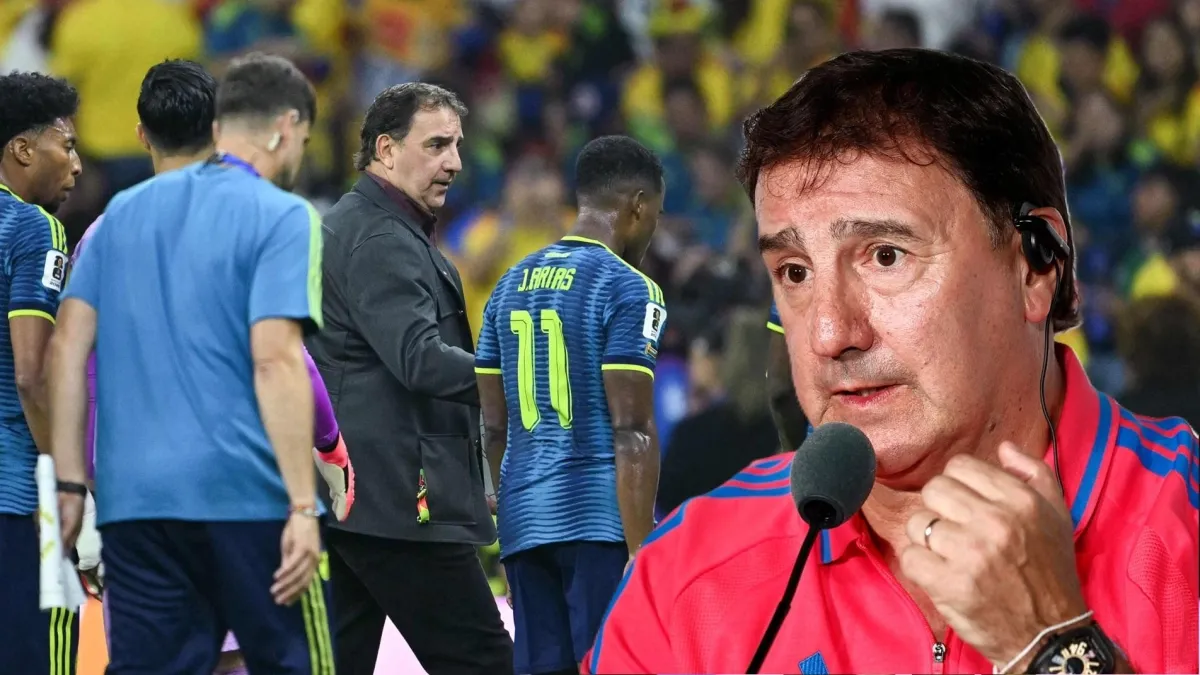
As the countdown begins for the upcoming international break and the crucial FIFA World Cup qualifying matches, the incident has sent shockwaves through the Colombian National Team’s coaching staff, who watched in horror as one of their most vital creative outlets was left writhing in pain on the pitch.
The Incident: A Moment of Tension
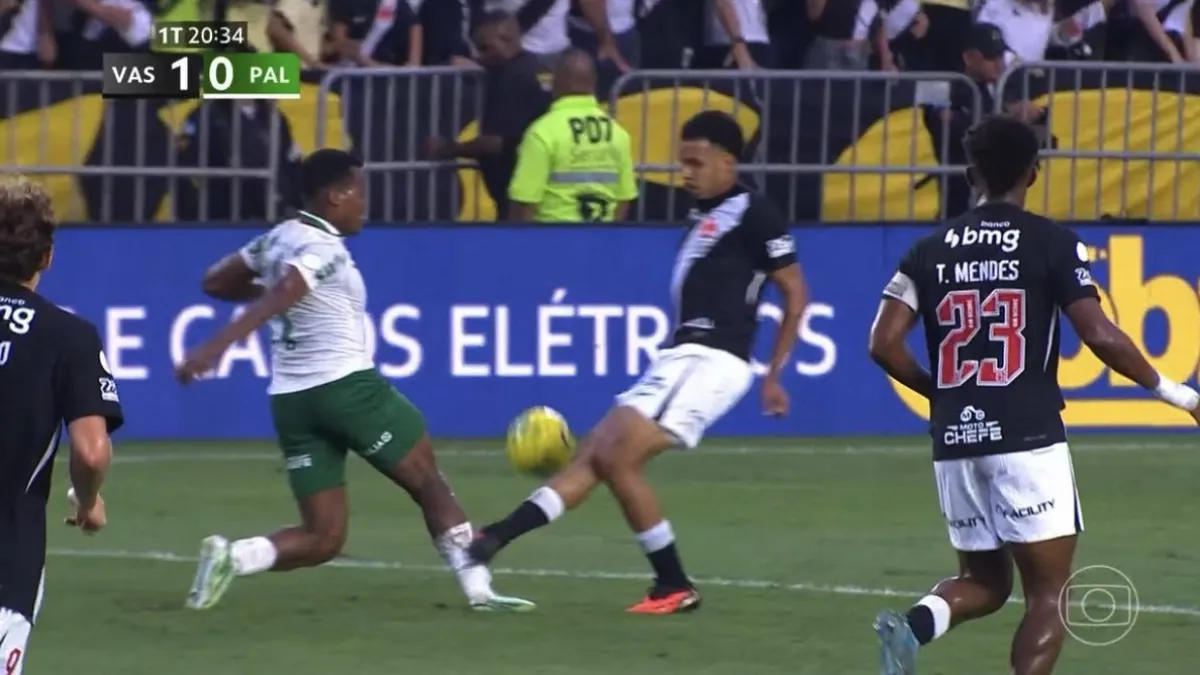
The clock had barely ticked past the 19th minute of the high-stakes encounter when the incident occurred. Jhon Arias, known for his agility and ability to dictate the tempo of play, was engaged in a standard transition play in the midfield. As he attempted to control the ball, Vasco da Gama defender Gabriel Pereira lunged into a tackle with excessive force and questionable timing.
The impact was immediate and visceral. Pereira’s studs connected directly with Arias’s shin, resulting in an instant, deep laceration that caused visible bleeding. The Colombian star collapsed to the turf, clutching his leg, while the immediate reaction of the medical staff signaled the severity of the blow. The game was halted for three minutes as team doctors rushed onto the field to stabilize the wound.
For the Colombian faithful and national team manager Néstor Lorenzo, the sight of Arias receiving emergency care on the pitch was a moment of profound anxiety. With the national team preparing for high-pressure fixtures against Chile, any long-term injury to a player of Arias’s caliber would represent a catastrophic blow to their tactical blueprint.
Chronology of a Controversial Match
The match unfolded as a tactical chess match that quickly descended into physical warfare:

- 00’ – 15’: The game began with high intensity. Both Palmeiras and Vasco da Gama showed early signs of fatigue but maintained a disciplined defensive structure.
- 19’: The defining moment of the match. Gabriel Pereira commits a reckless sliding tackle on Jhon Arias in the middle third of the pitch.
- 20’ – 22’: Medical teams swarm the field. Referee Bráulio da Silva Machado, after a brief pause to confer with his assistants, brandishes only a yellow card to Pereira.
- 23’: Jhon Arias is forced to leave the pitch to undergo further cleaning and bandaging of his shin injury.
- 26’: After a tense period on the sidelines, the Colombian star is cleared to re-enter the pitch, much to the relief of the Palmeiras bench.
- 27’ – 90’: The remainder of the match saw a more cautious approach from both sides, though the atmosphere remained volatile due to the officiating decisions made earlier.
The VAR Conundrum: A Failure of Protocol?
The most significant fallout from the match is not the injury itself, but the perceived failure of the technological safety net designed to protect players: the VAR.
In modern football, a tackle resulting in a significant laceration—often characterized by high impact and potential for serious structural damage—is almost universally considered a red card offense under FIFA’s guidelines regarding "serious foul play." However, in this instance, the VAR booth, led by official Wagner Reway, remained silent.
The Analyst’s Perspective
PC Oliveira, a prominent arbitration analyst for the Globo network, was swift in his condemnation of the officiating team. In a post-match breakdown, Oliveira noted that the tackle exhibited all the hallmarks of a red-card challenge: excessive force, a lack of control, and contact with the opponent’s lower leg that endangered the physical integrity of the player.

"The refereeing team failed to utilize the tools at their disposal," Oliveira stated during his analysis. "The VAR is there to correct clear and obvious errors. Given the nature of the contact and the resulting injury, this was not a matter of subjective interpretation; it was a clear case of professional misconduct that warranted an immediate expulsion."
The decision not to summon the on-field referee to the monitor to review the footage has sparked a broader conversation in Brazil about the inconsistency of VAR interventions. Many fans and pundits argue that the current protocols are creating a "gray area" where player safety is secondary to the referee’s desire to avoid the spotlight.
Implications for the Colombian National Team
For the Colombian national setup, the aftermath of this match is a logistical nightmare. Jhon Arias has become a cornerstone of the Colombian midfield, offering a unique blend of defensive work rate and offensive creativity. As the team gears up to face Chile, their primary concern is not just the immediate status of the wound, but the potential for underlying bruising or ligament damage that might not be immediately apparent.

Medical protocols now dictate a 48-hour observation period for Arias. While the player was able to finish the match—a testament to his resilience—the long-term impact of such a trauma can often manifest as inflammation or compensatory injuries in other parts of the leg.
"We are monitoring his progress hourly," stated a source close to the national team. "Arias is a professional who wants to play, but we must ensure that his participation in the upcoming qualifiers does not exacerbate a situation that should have been prevented by better officiating."
Broader Context: The Physicality of South American Football
This incident serves as a microcosm for the ongoing struggle between physical intensity and technical safety in South American football. The Copa de Brasil is renowned for its high-octane, physical style of play, but there is an increasing movement among fans, players, and coaches to demand that referees take a harder stance against tackles that serve no tactical purpose other than to intimidate or injure an opponent.

The failure to punish Gabriel Pereira sends a message that such challenges might go unpunished, which could lead to a cycle of retaliatory fouls in subsequent matches. This is a precarious position for the governing bodies of the sport, who are simultaneously trying to market the league globally while managing the integrity of the competition.
Looking Ahead: Justice or Precedent?
As of Monday morning, there have been no official disciplinary reports from the Brazilian Football Confederation (CBF) regarding a retrospective suspension for Gabriel Pereira. In many professional leagues, the governing body has the authority to review "clear and obvious errors" that were missed by the officiating crew and impose additional bans.
Whether or not justice is served via a retrospective ruling, the damage to the reputation of the officiating in the match has already been done. The conversation in Brazil has shifted from the tactical brilliance of the semifinal to the limitations of the VAR.

For Jhon Arias, the focus remains on recovery. As he prepares to represent his country, he carries not just the hopes of his fans, but the physical scars of a match that serves as a sobering reminder of the dangers inherent in the sport. The hope remains that by the time the whistle blows for the next match, the focus will return to the beauty of the game, rather than the violence that threatened to cut a star’s performance short.
In the coming days, the medical report from the Palmeiras training facility will be the most anticipated document in Colombian football. Until then, the incident remains a stark point of contention, leaving fans to wonder: in an era of high-definition cameras and constant monitoring, how does a "clear and obvious" danger to a player go ignored? The answer to that question may well determine the future of officiating standards in the region.