By Judicial Reporting Desk
Updated: November 11, 2026
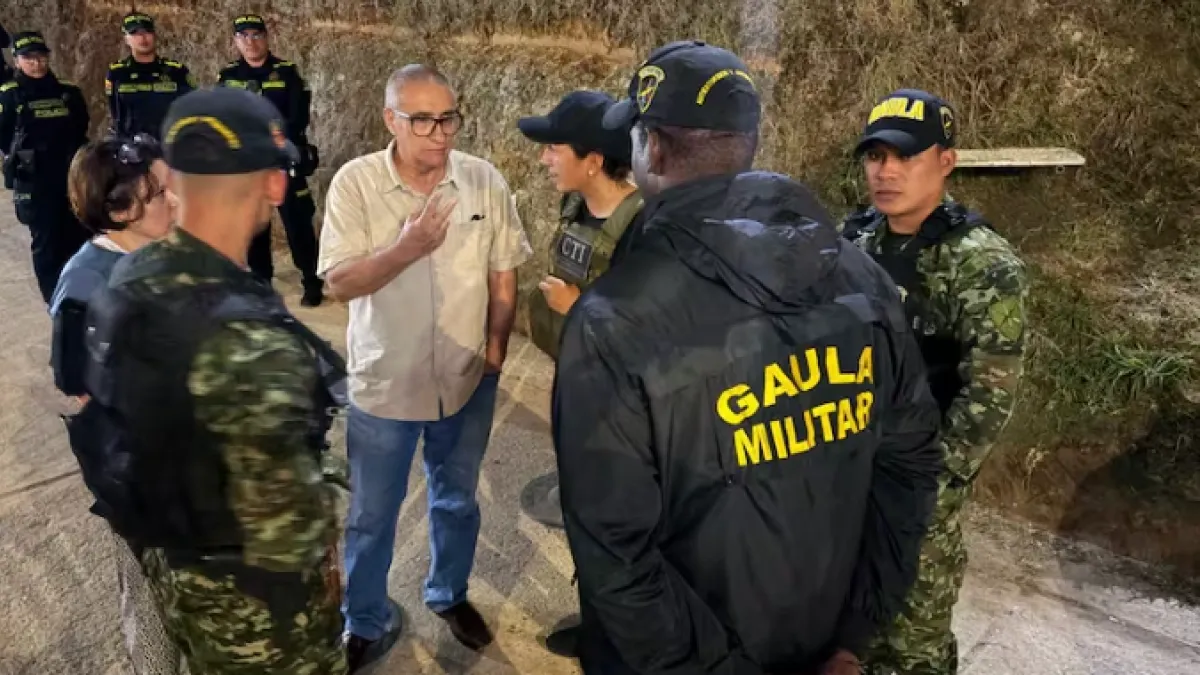
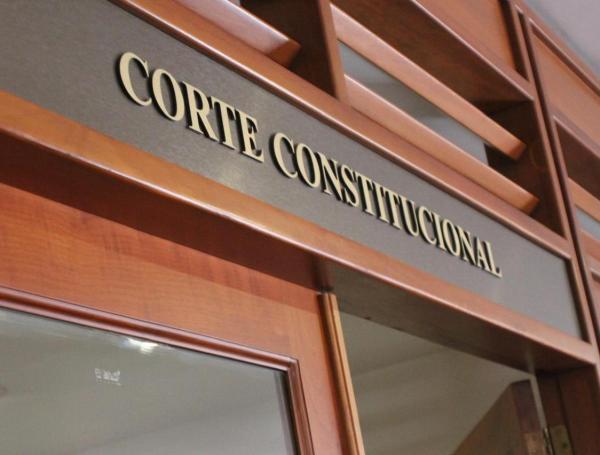
The Constitutional Court of Colombia has issued a landmark ruling regarding the government’s response to the catastrophic 7.4-magnitude earthquake that struck the nation’s southwestern region on August 10, 2026. In a session led by Magistrate Juan Carlos Cortés González, the high tribunal declared the government’s “Economic, Social, and Ecological Emergency” decree—issued on August 19—as legally valid (exequible). However, the Court imposed stringent conditions, effectively curtailing the executive branch’s ability to use the crisis as a vehicle for unrelated structural reforms.
This decision marks a critical moment in the administration of President Abelardo De La Espriella, balancing the urgent need for disaster relief against the constitutional necessity of maintaining the separation of powers and fiscal responsibility.
The Core Ruling: Balancing Urgency and Oversight
The Constitutional Court’s ruling centers on the limits of extraordinary powers granted to the President under an emergency declaration. While the Court recognized that the earthquake constituted a legitimate "grave public calamity" that necessitated rapid government intervention, it established a "constitutional perimeter" to prevent the misuse of emergency powers.
Under the ruling, the government is strictly prohibited from utilizing the emergency framework to address pre-existing systemic issues. The Court was particularly firm regarding the national prison and carceral system, noting that these long-standing institutional challenges cannot be rebranded as "earthquake-related" to bypass legislative debate.
Furthermore, the Court ordered the Ministry of Finance, currently headed by Miguel Gómez, to conduct a comprehensive recalculation of the emergency’s fiscal impact. The executive branch has been granted a non-extendable period of 20 business days to present a detailed breakdown of the budgetary additions required. This move aims to ensure transparency and prevent the commingling of reconstruction funds with general government expenditures.

Chronology of the Crisis and Legal Response
To understand the weight of this decision, one must look back at the chaotic weeks that followed the disaster.
- August 10, 2026: A massive 7.4-magnitude earthquake strikes southwestern Colombia, causing widespread destruction of infrastructure, power grid failures, and the collapse of essential services.
- August 19, 2026: President Abelardo De La Espriella signs Decree 1261, formally declaring a state of economic, social, and ecological emergency to mobilize state resources.
- August 31, 2026: The government issues Decree 1348 to adjust the territorial scope of the emergency. This adjustment proved controversial, as it excluded Putumayo while adding the departments of Caquetá and Santander to the list of priority zones.
- October 2026: The Office of the Inspector General (Procuraduría General de la Nación) issues a formal opinion to the Constitutional Court, validating the legal requirements of the decree and confirming that the earthquake met the constitutional criteria of being an "extraordinary, unpredictable, and sudden" event.
- November 11, 2026: The Constitutional Court releases its final verdict, upholding the emergency but placing it under rigorous judicial and fiscal supervision.
The Territorial Debate: Precision vs. Generalization
A significant portion of the Court’s review focused on Decree 1348, which redefined the geographical boundaries of the emergency. The Court emphasized that emergency measures are not "blanket" policies.
Under the new judicial guidance, government aid and extraordinary administrative actions must be restricted exclusively to municipalities that have documented evidence of impact from the earthquake or its subsequent aftershocks. The Court cited the need for technical reports from the National Unit for Disaster Risk Management (UNGRD) to justify any expenditure. If a municipality cannot provide technical data showing concrete physical or social harm related to the seismic event, it is ineligible for the special funds allocated under the emergency decree.
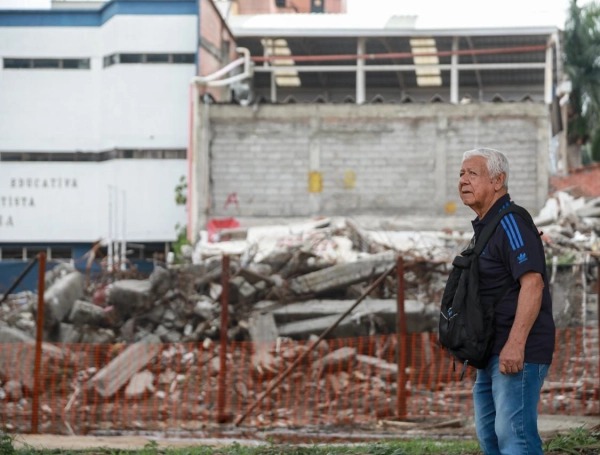
This decision directly addresses concerns from opposition lawmakers and regional analysts who feared that the government might use the earthquake to bolster political support in regions where the seismic impact was minimal or nonexistent.
Financial Implications and Accountability Mechanisms
The mandate issued to Finance Minister Miguel Gómez represents one of the most stringent oversight measures in recent memory. The Court has not only demanded a recalculation of the costs but has also insisted on the implementation of a real-time tracking system.
"The funds allocated for the recovery must be ring-fenced," a legal expert close to the proceedings noted. The Court’s requirement for "plurianual planning" (multi-year planning) suggests that the judiciary expects the reconstruction process to take years, not months, and rejects the notion of "quick-fix" budgetary shifts. By demanding clear indicators of progress, the Court is attempting to shield these resources from the risks of corruption that often plague post-disaster reconstruction efforts in the region.
Furthermore, the Court has invited control agencies, including the Comptroller General and the Prosecutor’s Office, to establish a joint task force to audit every peso spent under the emergency umbrella.
Official Responses and Political Implications
President Abelardo De La Espriella’s administration has expressed a commitment to comply with the Court’s directives. In a brief statement issued from the Casa de Nariño, the government acknowledged the Court’s role as the guardian of the Constitution and pledged to adjust its recovery plan accordingly.
However, political analysts point out that the restriction on using emergency funds for "structural problems" is a major setback for the President’s legislative agenda. Many of the reforms the administration had hoped to push through via decree—particularly those related to social policy—were tied to the emergency context. With this avenue effectively closed by the Constitutional Court, the President will now be forced to negotiate these changes through the regular legislative process in Congress, where his coalition faces significant opposition.

The Procuraduría’s involvement throughout the process provided a vital layer of legitimacy to the government’s initial actions. By supporting the declaration of the emergency in October, the Inspector General signaled that the executive had followed the letter of the law in its initial reaction. Nevertheless, the Procuraduría also supported the Court’s later intervention, emphasizing that "emergency status is a temporary exception, not a permanent governance tool."
The Path Forward: Reconstruction and Rehabilitation
The Court’s "exhortation" to President De La Espriella to adopt a comprehensive, multi-year recovery plan is the final piece of the puzzle. The judiciary is clearly signaling that it expects a transition from "emergency response" to "strategic development."
As the affected regions—particularly the areas in the southwest that remain the focus of recovery efforts—continue to rebuild, the role of the Constitutional Court will remain pivotal. By acting as an arbiter of necessity, the Court has ensured that the state’s reaction to the disaster is guided by scientific evidence and fiscal discipline rather than political expediency.

Key Takeaways for Stakeholders:
- Strict Territorial Focus: Aid is limited to areas with verified damage reports; no "geographic expansion" without technical backing.
- No Structural Reforms: The government cannot use the earthquake as a pretext to bypass Congress on controversial social or economic legislation.
- Fiscal Transparency: The Ministry of Finance faces a 20-day deadline to provide a transparent, multi-year financial plan.
- Judicial Watch: The Court will maintain an open channel to monitor the execution of the budget, ensuring that "emergency" money is spent on reconstruction and not political projects.
In the coming weeks, the nation will turn its attention to the Finance Ministry’s response. Whether the government can present a plan that satisfies both the urgent needs of the disaster victims and the constitutional demands of the high court remains the primary challenge for the remainder of 2026.
For the citizens in the southwestern departments, the ruling brings a measure of relief: the focus has been definitively returned to their immediate needs, ensuring that the aid they receive is protected by the highest legal safeguards in the country. The disaster, while tragic, has forced a maturation of the relationship between the executive, the judiciary, and the citizenry—a dynamic that will define the success of the reconstruction effort for years to come.