By Edwin Caicedo Environment and Health Journalist Published: November 11, 2026
Main Facts
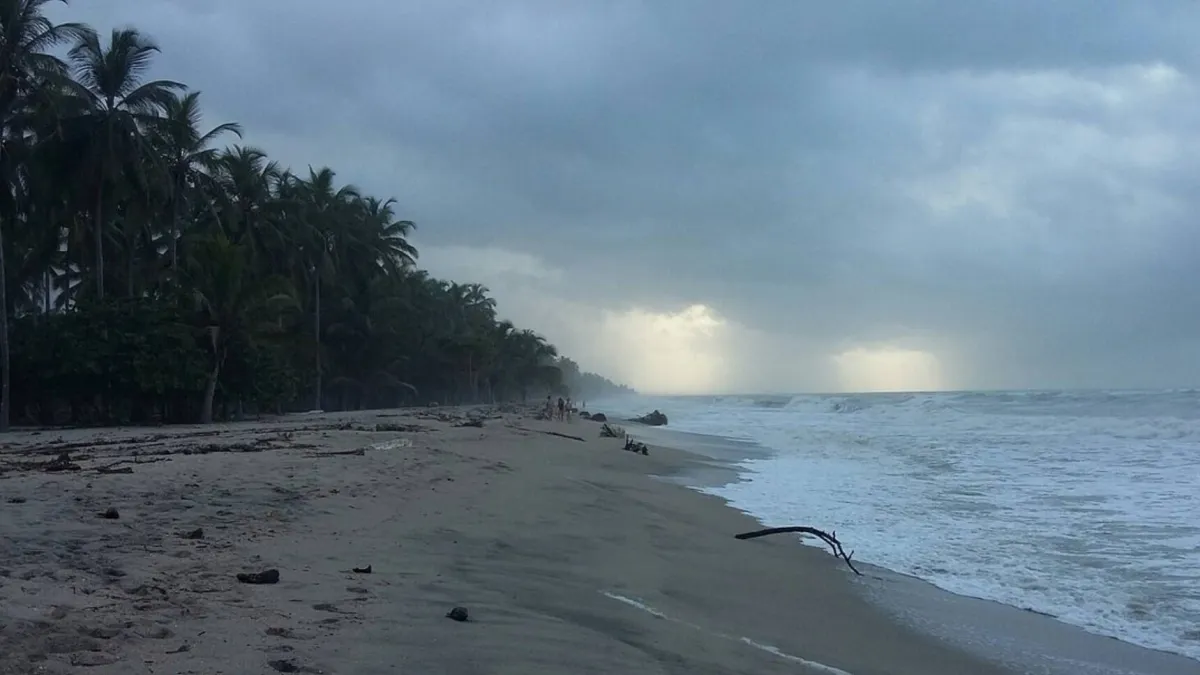
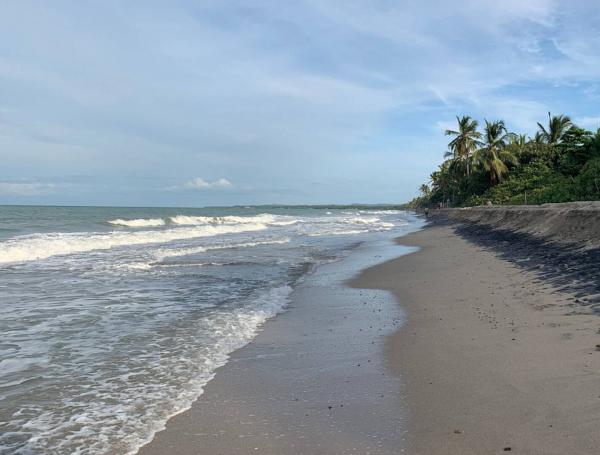
Palomino—the vibrant, eclectic coastal town nestled on the border of La Guajira and Magdalena in the Colombian Caribbean—is officially back on its feet. Known widely as "Colombia’s bohemian village," this unique destination where the foothills of the Sierra Nevada de Santa Marta plunge directly into the Caribbean Sea recently weathered a severe economic storm.
In September 2026, a 72-hour armed strike orchestrated by the Autodefensas Conquistadoras de la Sierra Nevada (ACSN), locally known as Los Pachenca, sent shockwaves across the region, affecting La Guajira, Santa Marta, and Magdalena. The unrest culminated with the death of the group’s commander, alias "Cholo," on September 25. While the security situation has since normalized, the ensuing climate of fear caused a drastic, weeks-long drop in tourism.
Today, however, the tide has turned. The streets are once again humming with the characteristic sounds of crashing waves, rolling surfboards, the put-put of iconic tuk-tuks, and the chatter of international and domestic travelers. Local business owners, eco-resort operators, surf instructors, and hospitality workers report that occupancy rates have rebounded, breathing new life into a local economy entirely dependent on sustainable, nature-driven tourism.
Chronology of Events: From Tension to Recovery
To understand Palomino’s resilience, it is necessary to trace the trajectory of the region over the past several months:
September 2026 (The Shock): A 72-hour armed strike called by the ACSN (Los Pachenca) paralyzed movement across parts of northern Colombia, including La Guajira and Magdalena. The blockade and subsequent security concerns immediately froze travel plans, leading to mass cancellations.
Late September 2026 (The Turning Point): Following military operations and the reported death of alias "Cholo" on September 25, the regional blockade dissolved, and security forces restored public order.
October to Early November 2026 (The Slow Awakening): Initial hesitation among travelers gave way to cautious optimism. Local transporters and boutique hotels reported their first returning guests as word spread that Palomino’s pristine natural spaces remained completely unaffected by the civil disturbances.
Mid-November 2026 (Full Resurgence): Peak-season energy has returned to the village. Eco-lodges are reporting full bookings, surf instructors are back in the water, and regional tourism networks are operating at full capacity.
Supporting Data and Local Perspectives
The economic heartbeat of Palomino relies on a tightly knit ecosystem of small-scale entrepreneurs, transport workers, and hospitality pioneers. The impact of September’s vacuum—and the subsequent relief of recovery—is best told through the voices of those who call the town home.
The Transport Lifeline
José, a driver of one of the colorful tuk-tuks that ferry tourists between beachside hostels and commercial avenues, remembers the stark emptiness of the streets just weeks ago.
"We had an entire month where virtually no one came. People were afraid," José shares while navigating a sandy avenue. "But they are coming back now. Everything is peaceful here. We live entirely on tourism, and we are so relieved to see travelers return."
Hospitality Rebounds
Major eco-resorts felt the pinch as well, but are now experiencing a powerful bounce-back. María, events and reservations coordinator at the renowned Aité Eco Resort, notes how quickly the landscape shifted from ghost-town quiet to vibrant activity.
"People stopped coming, and this paradise was left entirely empty," María explains. "Now, we are fully booked again. The guests have returned."
Adventure and Sports
For outdoor workers like Elías, a local surf instructor, the return of tourists means a resumption of the community’s signature active lifestyle.
"A lot happened in the broader territory, but everything is normal now, and visitors can fully enjoy the beach and the waves," Elías says.
Official Responses and Security Measures
Following the disruptions in late September, local authorities, departmental governments, and security forces in La Guajira and Magdalena enacted heightened patrol protocols along the Troncal del Caribe highway—the vital artery connecting Santa Marta, Palomino, and Riohacha.
Regional police commanders reinforced checkpoints to guarantee safe transit for domestic and international tourists alike. Tourism boards, in collaboration with private sector stakeholders, launched digital reassurance campaigns highlighting that Palomino’s natural attractions, eco-lodges, and adventure circuits remained isolated from urban centers of conflict, ensuring a secure environment for visitors looking to disconnect in nature.
Implications: A Destination Defined by Nature and Conscience
Palomino’s rapid recovery underscores a broader trend in modern travel: the deep resilience of destinations anchored in ecotourism and sustainable development. The town’s unique geography—bridging the Caribbean Sea, the Palomino River, and the snow-capped peaks of the Sierra Nevada—offers a diversified experience that continues to captivate global travelers.
The Geography of Adventure
Tubing the Palomino River: One of the region’s signature activities, where visitors float down tropical freshwater streams on inner tubes, winding through lush greenery before spilling out into the Caribbean Sea. Trips typically take about two to three hours, starting from upland sectors like Pozo Caimán or the neighboring San Salvador River.
Surfing and Aquatic Sports: With challenging waves and powerful coastal currents, Palomino’s shores offer prime conditions for surfing, bodyboarding, and paddleboarding, supported by local instructors who prioritize ocean safety.
Sierra Nevada Explorations: Beyond the sand, travelers can embark on horseback riding excursions, jungle treks to waterfalls like Quebrada Valencia, and guided cultural tours into ancestral indigenous territories (which require prior authorization and local community coordination).
A Model for Sustainable Luxury
The town’s commitment to low-impact tourism is exemplified by establishments like Aité Eco Resort, which recently secured a prestigious spot in the Condé Nast Johansens Luxury Hotels Collection for 2026. True to its conservationist ethos, the resort features 200 meters of private beachfront but strictly bans televisions in rooms and portable speakers in common areas, allowing the ambient sounds of ocean waves and native birdlife to take center stage.
Furthermore, the property operates "La Mello," a 300-hectare mountain farm in the Sierra Nevada foothills that blends ecological preservation with organic agriculture. Here, visitors can tour organic vegetable gardens, ride horses, and experience farm-to-table gastronomy curated by resident chefs blending Andean and Caribbean culinary traditions.
Looking Forward
As Palomino welcomes back its steady stream of backpackers, eco-tourists, and families, the village serves as a gateway to broader regional treasures, including Tayrona National Park, Taironaka, and the Los Flamencos Fauna and Flora Sanctuary.
For the drivers, instructors, hoteliers, and artisans of Palomino, the return of tourism is far more than a business metric—it is the restoration of daily life, cultural exchange, and economic survival. The bohemian village of Colombia stands once more as a testament to the fact that when nature and community unite, paradise is always worth returning to.
In an era defined by hyper-connectivity and the relentless pace of digital demands, the traditional concept of a "vacation" is undergoing a profound metamorphosis. What was once viewed as an occasional luxury—a fleeting escape from…
POPAYÁN, Colombia — In an ambitious push to position Colombia as a premier global destination for eco-conscious travelers, nearly 400 key stakeholders from across the country’s tourism ecosystem are gearing up for a landmark gathering.…
By Angie Rodríguez | Travel & Trends Desk Published: September 29, 2026 Main Facts The global tourism paradigm is undergoing a profound transformation. Modern travelers are no longer merely seeking passive leisure or aesthetic backdrops…