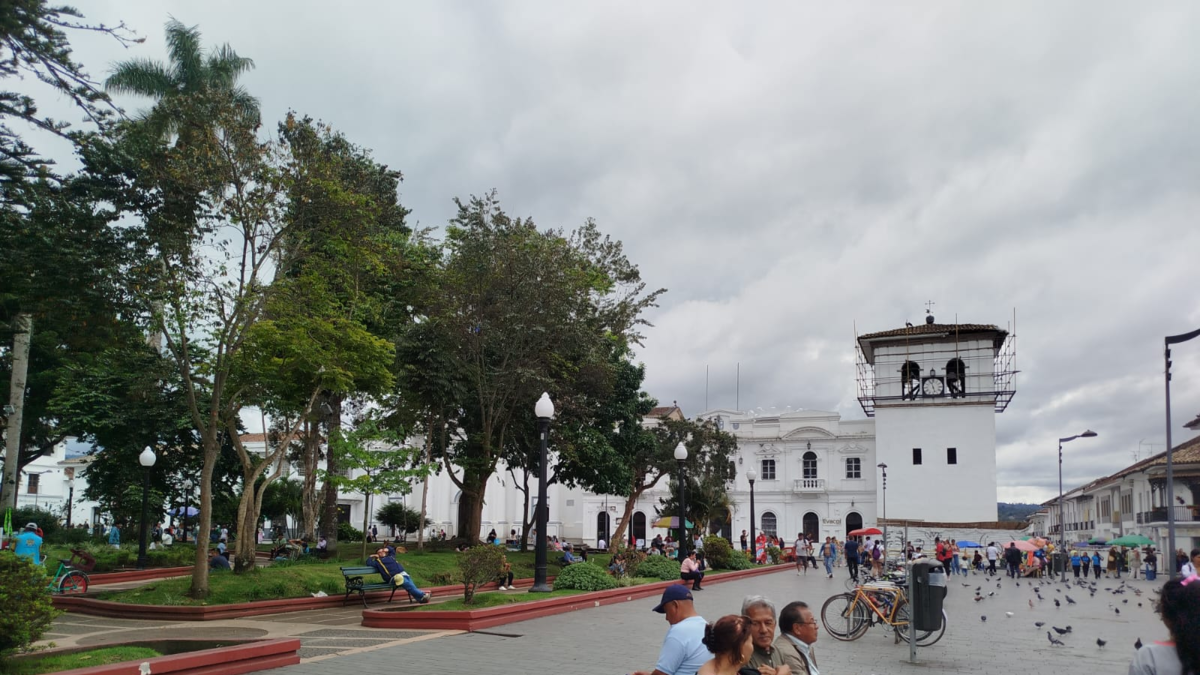
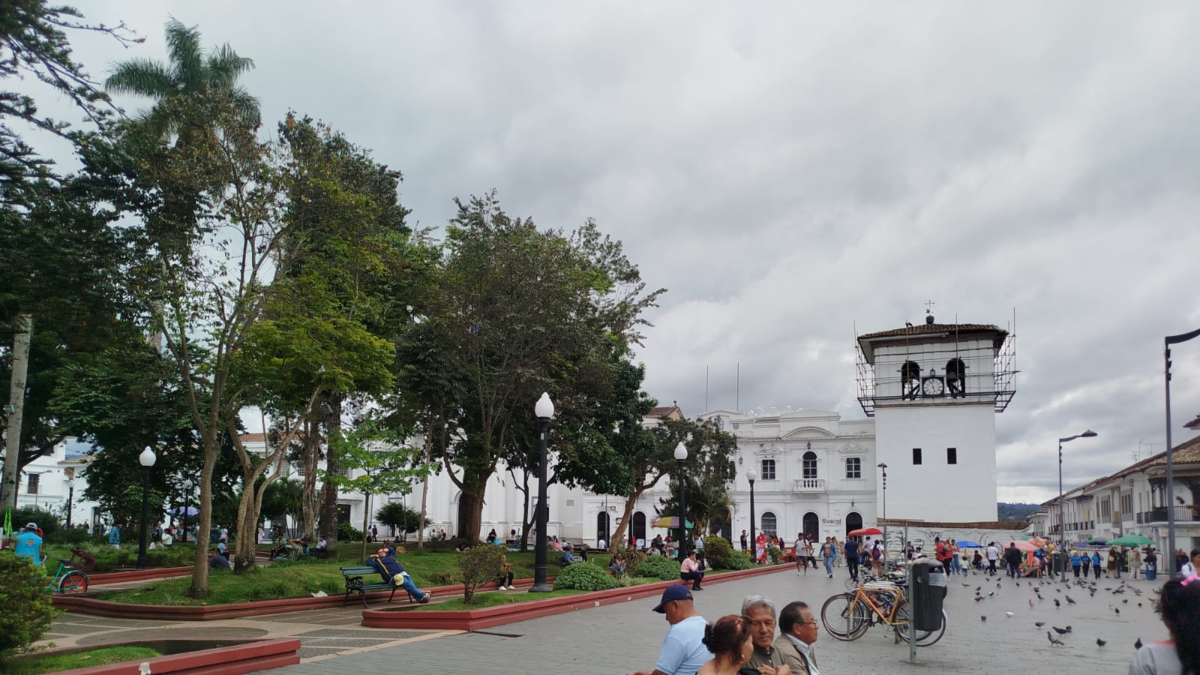
POPAYÁN, Colombia — In an ambitious push to position Colombia as a premier global destination for eco-conscious travelers, nearly 400 key stakeholders from across the country’s tourism ecosystem are gearing up for a landmark gathering. From November 25 to 27, 2026, the historic city of Popayán will host the VIII Annual Sustainable Tourism Encounter, organized by the Colombian Association of Responsible Tourism (Acotur).
This year’s edition carries heightened significance, featuring the European Union (EU) as the official international guest destination. The spotlight will shine brightly on regenerative nature tourism, cross-continental commercial connections, and the rigorous standards required to break into the highly competitive European outbound travel market.
The high-profile engagement is more than a ceremonial partnership; it is the culmination of targeted institutional efforts. Twenty carefully selected businesses hailing from three of Colombia’s most biodiverse and ecologically sensitive regions—Nuquí (Chocó), San José del Guaviare (Guaviare), and Chingaza-Guavio (Cundinamarca)—are currently undergoing an intensive capacity-building program. Through a sequence of specialized workshops, these localized enterprises are sharpening their business propositions to appeal directly to discerning European travelers.
1. Main Facts: The Intersection of Conservation and Commerce
The upcoming summit in Popayán represents a critical milestone for Colombia’s post-pandemic and rapidly evolving travel industry. Acotur’s annual encounter has evolved into the nation’s premier B2B and networking arena for incoming nature and sustainable tourism operators.
Key pillars of the 2026 event include:
The International Guest of Honor: The European Union takes center stage, highlighting a collaborative roadmap focused on ecological regeneration rather than mere sustainability.
Targeted Regional Representation: Twenty grassroots enterprises from Nuquí, San José del Guaviare, and Chingaza-Guavio are receiving specialized mentoring.
Institutional Backing: The event is heavily supported by the Ministry of Commerce, Industry and Tourism, Fontur (National Tourism Fund), the Governor’s Office of Cauca, the Mayor’s Office of Popayán, and the Cauca Chamber of Commerce.
Core Event Timeline: November 25 is dedicated to high-impact business matchmaking sessions (rueda de negocios), while November 26 and 27 feature academic agendas, conferences, and panel discussions.
The strategic inclusion of the EU is driven by the "Nature Tourism Development with a Regenerative Approach" program. Funded by the European Union under its ambitious Global Gateway strategy and executed by Expertise France (the French public agency for technical cooperation), this initiative aims to bridge the gap between remote, high-biodiversity territories in the Global South and mature consumer markets in Europe that actively demand strict environmental and social accountability.
2. Chronology: The Path to Popayán 2026
The road to the November summit has been paved with strategic planning, international diplomacy, and localized enterprise training.
The Genesis of the Partnership: The alliance between Acotur and European cooperation agencies was forged to address a persistent bottleneck in Colombian tourism: while the country boasts unrivaled biodiversity, local operators often lack the corporate scaling, digital marketing materials, and standardized pricing models required to court international wholesalers.
Selection of the Pilot Regions: Nuquí, San José del Guaviare, and Chingaza-Guavio were chosen due to their extraordinary natural wealth and their vulnerability. Each region represents a different ecosystem—the Pacific rainforest and coastline, the Amazonian transition savannahs, and the high-Andean paramos, respectively.
The Five-Step Training Bootcamp: Prior to stepping foot in Popayán, the 20 chosen businesses are participating in a rigorous, five-part virtual workshop series led by international and local tourism experts.
Workshop 1: Crafting a compelling value proposition tailored to international green-travel standards.
Workshop 3: Development of high-impact marketing and commercial collateral in multiple languages.
Workshop 4: Negotiation tactics, corporate presentations, and pitch perfection.
Workshop 5: Post-event lead conversion, relationship management, and tracking long-term opportunities.
November 25, 2026: The grand B2B matchmaking wheel opens in Popayán, where these prepared enterprises will pitch directly to regional wholesalers, national tour operators, and international delegates.
November 26–27, 2026: The academic segment kicks off, headlined by a keynote lecture from a premier European expert in regenerative tourism, focusing on the tactical shift from impact mitigation to active ecosystem restoration.
3. Supporting Data & Contextual Metrics
Colombia’s tourism sector has experienced an unprecedented boom. According to recent global competitiveness indices, the country has steadily climbed global rankings, cementing its status as one of the most attractive destinations for international travel.
Market Demographics: European travelers traditionally exhibit longer average lengths of stay and higher daily expenditures compared to regional tourists, making them highly desirable targets for developing local economies. Crucially, European consumers increasingly prioritize carbon-neutral supply chains, fair wages for local guides, and community-led conservation initiatives.
Biodiversity Advantage: Colombia houses nearly 10% of the planet’s biodiversity. By focusing on niche regions like Nuquí (renowned for humpback whale watching and dense rainforests), San José del Guaviare (famed for ancient rock art and Amazonian transition landscapes), and Chingaza-Guavio (vital water-source paramos near the capital), the country diversifies its offerings beyond mass-market sun-and-beach tourism.
Global Gateway Impact: The EU’s Global Gateway strategy mobilizes billions of euros in sustainable investments worldwide. In Colombia, directing a fraction of these resources toward technical tourism assistance ensures that economic growth does not come at the expense of fragile local ecosystems.
4. Official Responses and Leadership Insights
The partnership has garnered high praise from both Colombian tourism leaders and European diplomats, who emphasize that true sustainability must be rooted in local empowerment and economic viability.
"Receiving the European Union as a featured guest destination is a profound recognition of the tireless work executed by nature tourism entrepreneurs across our regions," stated Laura Durana, Executive Director of Acotur. "We share with the cooperation program the firm conviction that the true competitiveness of any destination relies entirely on strengthened enterprises that are directly connected with markets that value their efforts. This strategic alliance allows us to swing open the doors to Europe and keep regenerative practices at the very heart of the national tourism conversation."
Echoing this sentiment, François Roudié, Ambassador of the European Union to Colombia, underscored the mutual benefits of the partnership during a press briefing regarding the initiative.
"To make a destination truly competitive, you need robust business capabilities and solid commercial relationships that actively stimulate local economies," Roudié noted. "We want enterprises from Nuquí, San José del Guaviare, and Chingaza-Guavio to arrive at the Encounter fully prepared. We want them to connect seamlessly with the international market and prove that nature tourism, practiced through a regenerative lens, can elevate Colombia into higher-value markets while leaving concrete, lasting benefits for local territories, communities, and biodiversity. Europe remains one of the markets that most deeply values authentic, responsible nature tourism—and Colombia has an extraordinary amount to offer."
Local authorities in Popayán and the Department of Cauca have likewise expressed immense pride in hosting the event. Beyond the commercial negotiations, regional leaders view the gathering as a vital platform to showcase Cauca’s cultural heritage, historical architecture, and natural landscapes to an audience of domestic and international decision-makers.
5. Broader Implications for Colombia’s Tourism Future
The VIII Acotur Encounter is much more than a business convention; it is a conceptual blueprint for how Colombia intends to market its natural assets over the next decade.
Moving Beyond "Sustainability" to "Regeneration"
For years, the global tourism industry focused on "sustainable tourism"—a framework centered primarily on minimizing negative footprints (e.g., reducing plastic waste, lowering carbon emissions). However, the discourse has shifted dramatically toward regenerative tourism. This advanced paradigm demands that tourism actively leaves a destination better than it was found. This involves restoring degraded soils, actively funding local wildlife corridors, revitalizing indigenous and Afro-descendant cultural traditions, and ensuring that financial revenues circulate directly within rural cooperatives rather than leaking out to multinational intermediaries.
Empowering Remote Territories
By explicitly focusing resources on regions historically touched by conflict or economic isolation—such as Guaviare and the Colombian Pacific coast—the initiative acts as an engine for peacebuilding and rural development. When local communities see tangible economic incentives tied to protecting the forest or the ocean, they become the most effective guardians of their own natural capital.
The Long-Game: Retaining European Standards
As the twenty businesses finish their final virtual workshops and pack their bags for Popayán, the overarching test will lie in conversion rates. Can remote lodge owners from Nuquí or community guides from Guaviare successfully translate international sales pitches into long-term contracts with European tour operators?
If the rigorous preparation orchestrated by Acotur, Expertise France, and the European Union is any indication, Colombia is signaling to the world that it is no longer just an emerging adventure destination, but a sophisticated, professionally equipped player in the global market of regenerative travel. When the summit concludes on November 27, the success of these twenty businesses could very well serve as the pilot model for community-based tourism development across the entire Latin American region.
By Angie Rodríguez | Travel and Trends Desk Updated September 10, 2026 Main Facts Brazil has firmly established itself as one of the premier international destinations for Colombian travelers, registering a historic surge in visitors.…
By Global Travel & Culture Desk Published: October 24, 2026 Main Facts: The Multifaceted Metropolis of South Africa For generations, Western cinema and romanticized literature have painted a monolithic picture of Africa—a distant, untamed expanse…
By Global News Desk Published: September 9, 2026 Updated: September 9, 2026 Main Facts Following the powerful earthquake that struck western Colombia on August 10, heavily impacting the departments of Chocó, Risaralda, Quindío, and Valle…