By Global Travel & Culture Desk
Published: October 24, 2026
Main Facts: The Multifaceted Metropolis of South Africa
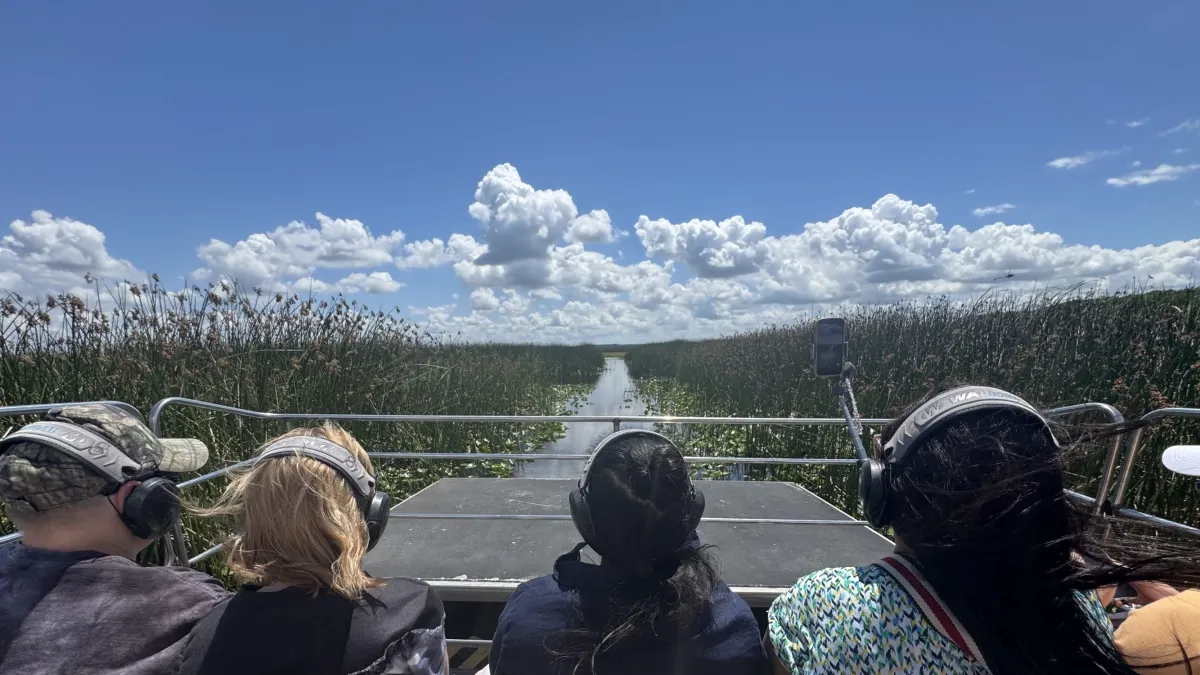
For generations, Western cinema and romanticized literature have painted a monolithic picture of Africa—a distant, untamed expanse defined by idyllic landscapes and abundant wildlife. This persistent, stereotype-laden mysticism has long obscured the profound cultural, historical, and economic diversity of a continent that offers far more than traditional safari fantasies.
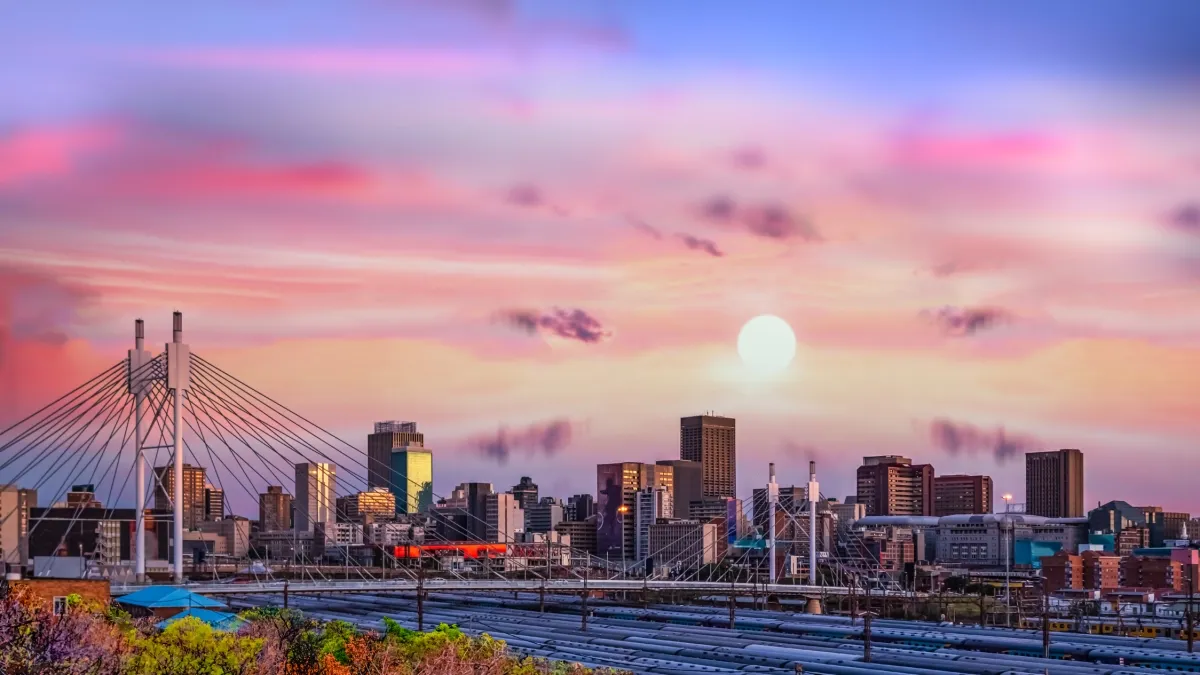
At the epicenter of this vibrant complexity stands Johannesburg. Often overlooked in conventional tourism itineraries in favor of coastal gems like Cape Town, South Africa’s largest and wealthiest city is an urban paradox. It seamlessly fuses the raw memory of historical trauma with rapid modernity, deep-rooted cultural pluralism, and immediate proximity to untamed wilderness.
Known universally as the "City of Gold" due to its origins following the explosive discovery of rich gold deposits in the late 19th century, Johannesburg is an economic powerhouse. While it is not one of South Africa’s three designated administrative capitals—a distinction shared by Pretoria, Cape Town, and Bloemfontein—it reigns supreme as the nation’s financial heartland. It is a metropolis that refuses to let visitors remain passive observers, demanding instead that they confront the turbulent history and ongoing social reconstruction of a society continuously healing from its past.
Chronology: A Timeline of Struggle, Transformation, and Rebirth
To understand Johannesburg is to trace a trajectory marked by colonial exploitation, institutionalized oppression, revolutionary resistance, and democratic triumph.
- Late 19th Century: The discovery of gold triggers a massive mining boom, transforming a sleepy stretch of the Transvaal highveld into a roaring tent city and laying the foundation for modern Johannesburg.
- 1948: The rise of the Afrikaner-dominated National Party institutionalizes apartheid, a brutal system of racial segregation and white supremacy that shapes the urban landscape for decades.
- The 1950s: The regime initiates the forced removal of non-white populations from inner-city enclaves, giving rise to sprawling townships like Soweto (South Western Townships).
- June 16, 1976: A peaceful student-led protest in Soweto against the mandatory use of the Afrikaans language in schools is met with savage police repression, sparking nationwide uprisings and turning the township into an enduring symbol of resistance.
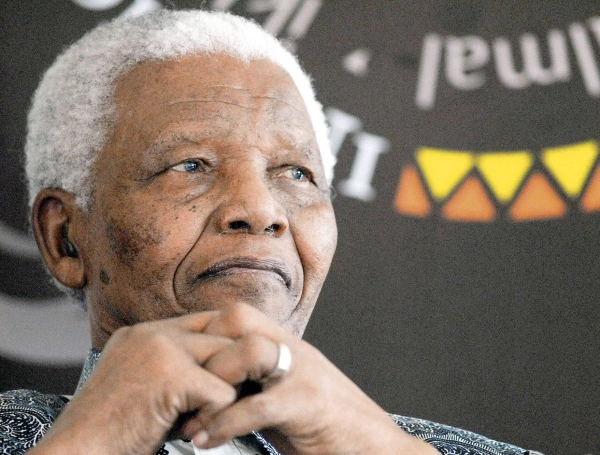
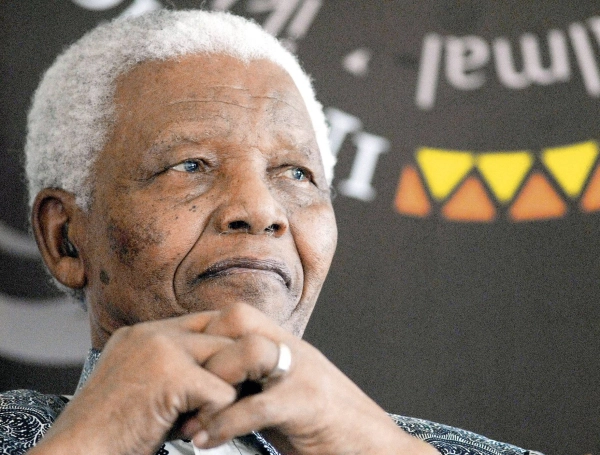
- 1990–1994: Following decades of domestic rebellion and intense international pressure, the apartheid regime collapses. Nelson Mandela is released after 27 years in prison, paving the way for South Africa’s historic first multiracial democratic elections.
- 2010: Johannesburg steps onto the global stage as a host city for the FIFA World Cup, highlighted by matches at the iconic Soccer City Stadium in Soweto.
- Present Day: The city functions as a dynamic multicultural hub, blending its dark historical legacy with state-of-the-art infrastructure, high-speed rail, and thriving arts movements.
Supporting Data: Infrastructure, Demographics, and Geography
A closer examination of Johannesburg reveals staggering statistics that underscore its scale, economic dominance, and historical significance:
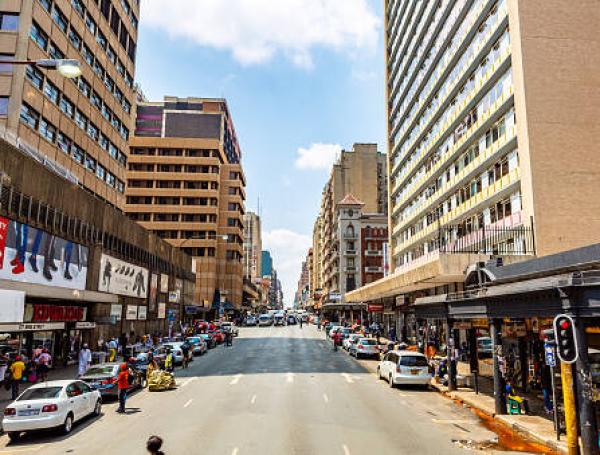
- Population and Economy: As South Africa’s most populous and affluent urban center, Johannesburg anchors the Gauteng province, driving a massive share of the national GDP.
- Infrastructure Marvels: The city houses the Oliver R. Tambo International Airport, greeting travelers with a bronze statue of the anti-apartheid revolutionary. Adjacent to it sits the Gautrain station—sub-Saharan Africa’s first rapid rail transit system.
- Urban Scale: Soweto is home to the Chris Hani-Baragwanath Hospital, the largest medical facility on the African continent and one of the largest globally, serving a catchment population exceeding three million people.
- Global Uniqueness: Vilakazi Street in Soweto holds a unique world record: it is the only street on Earth that has served as the home of two Nobel Peace Prize laureates—Nelson Mandela and Archbishop Desmond Tutu.
- Linguistic Diversity: Reflecting the "Rainbow Nation" ethos, South Africa officially recognizes 12 official languages, with Johannesburg acting as a linguistic melting pot for Zulu, Xhosa, Sotho, Afrikaans, English, and others.
- Wildlife Proximity: Unlike traditional safaris requiring lengthy travel, the Pilanesberg National Park—spanning 50,000 hectares within an ancient volcanic crater—lies less than a three-hour drive from the city center, offering sightings of the "Big Five."
Official Responses and Institutional Preservation
The transformation of Johannesburg from an engine of segregation to a beacon of human rights has been formally institutionalized through world-class museums, architectural preservation, and cultural projects.
The Urban Memoryscape: Soweto and Constitution Hill
The journey into the city’s past invariably begins in Soweto. Once a stark monument to segregationist social engineering, Orlando West is now a vibrant cultural corridor. At No. 8115 Vilakazi Street, the humble brick house where Nelson Mandela lived with his first wife, Evelyn Mase, and later with Winnie Madikizela Madikizela-Mandela before his arrest, stands as a national monument. Preserved with its original bullet holes and worn leather boots, it encapsulates the domestic reality of a global icon.
Nearby stands the Regina Mundi Catholic Church. Its brick walls still bear the violent scars of the 1976 police crackdowns. Inside, the sanctuary features striking stained-glass windows donated in 1998 by former Polish First Lady Jolanta Kwaśniewska; through a brilliant optical design, the figures depicted are perceived as white or Black depending on whether the viewer looks from the inside out or the outside in.
At the heart of the urban center lies Constitution Hill and the Old Fort—a grim military fortress converted into a notorious prison during the apartheid era where political dissidents, including Mandela, were detained. Today, the complex has been radically re-imagined: the ruins of the old jail now wrap around the striking modern glass-and-wood structure of the South African Constitutional Court. In Constitution Square, the Flame of Democracy burns permanently, anchored by the "We the People Wall," which etches the preamble of the nation’s democratic constitution into public consciousness.
Cultural Preservation at Lesedi
Beyond the urban core, initiatives like the Lesedi Cultural Village (lesedi translating to "place of light" in Sotho) actively preserve indigenous heritage. Located within the Cradle of Humankind—a UNESCO World Heritage Site boasting the world’s highest concentration of hominid fossil remains—Lesedi offers immersive education on South Africa’s founding ethnic groups, including the Zulu, Xhosa, and Sotho, complete with traditional culinary experiences like Nyama Choma and the beloved malva pudding dessert.
Implications: Tourism, National Identity, and Global Relevance
The evolution of Johannesburg carries profound implications for international tourism, national unity, and the broader narrative of post-colonial development.
Shifting Global Perceptions
For decades, international travelers sought out South Africa almost exclusively for its pristine beaches or remote wildlife reserves, treating urban centers merely as transit hubs. Johannesburg’s deliberate push to package its complex history—from the Apartheid Museum to guided tours of Soweto—challenges tourists to engage with difficult truths. This shift proves that cultural tourism can be both intellectually rigorous and deeply moving.
The Ongoing Test of the "Rainbow Nation"
Economically, Johannesburg highlights the stark contradictions of modern South Africa. While the gleaming skyscrapers and heavily guarded corporate mansions of the affluent Sandton financial district—home to the towering 230-meter Leonardo skyscraper—symbolize immense wealth and corporate power, deep socio-economic inequalities persist in the surrounding townships.
The city’s ability to maintain social cohesion amid such disparities remains a bellwether for the entire nation. By preserving the memory of its darkest hours while celebrating its vibrant multicultural present, Johannesburg serves as a global testament to human resilience. It reminds travelers that true discovery lies not in escaping reality into an idealized wilderness, but in confronting the complex, beautiful, and unbroken spirit of a city forged in gold and reborn in freedom.