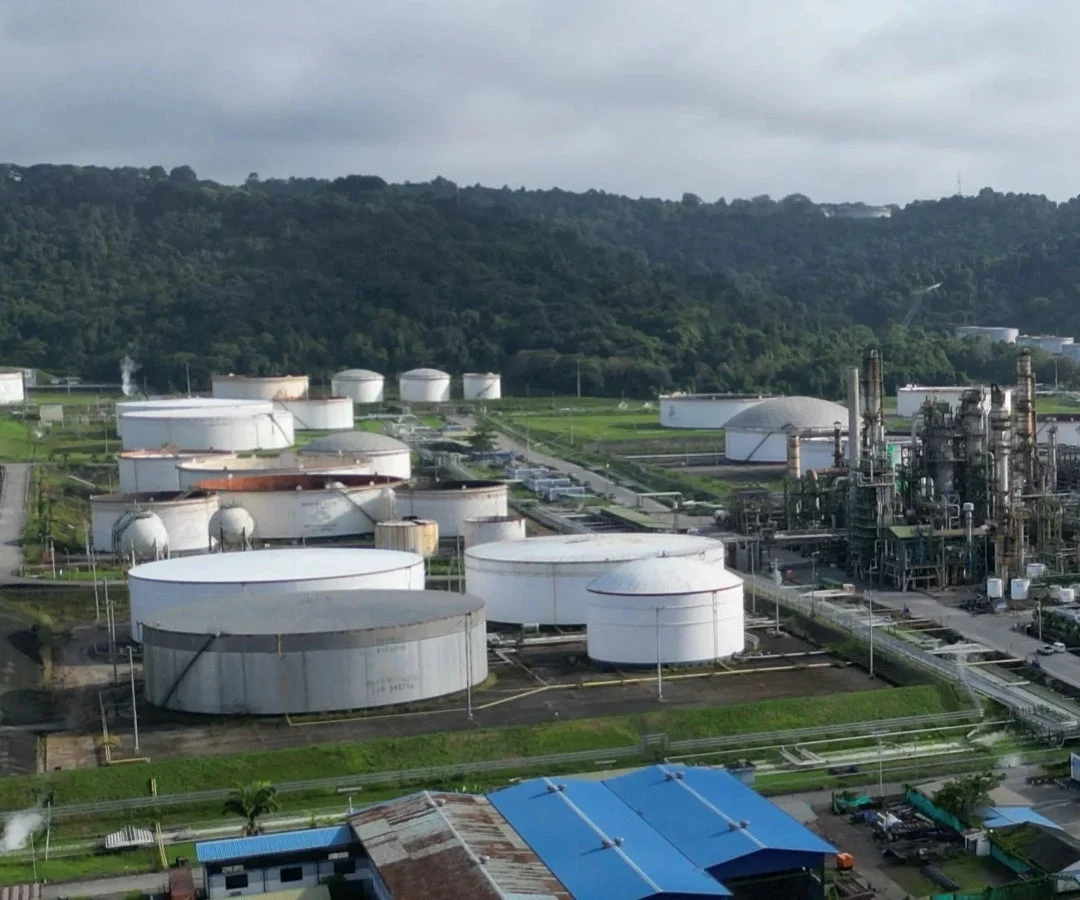
QUITO, ECUADOR — Facing an escalating national energy crisis that has tested the limits of public infrastructure and legislative patience, the Ecuadorian government has enacted sweeping regulatory reforms. Designed to alleviate severe strain on the National Interconnected System (SNI), the newly updated regulations compel high-demand industrial sectors—specifically mining and petroleum operations—to shoulder the burden of their own energy consumption.
Under the reformed framework of the Regulations to the Public Electric Energy Service Law, large-scale industrial projects are no longer permitted to rely entirely on the public grid for massive power allotments. Instead, the administration is shifting the paradigm toward mandatory self-sufficiency. At the same time, the regulatory framework has introduced streamlined provisions for isolated operations, exempting off-grid facilities from cumbersome electric generation licensing requirements.
These measures represent a decisive intersection of industrial policy, environmental oversight, and emergency resource management as Ecuador races toward a fast-approaching compliance deadline in late 2026.
Main Facts
The core of Ecuador’s newly minted energy mandate centers on capacity thresholds, mandatory self-generation, and regulatory exemptions designed to decouple heavy industry from the fragile national power grid.
- The 10 Megawatt (MW) Threshold for SNI-Connected Projects: Any mining or petroleum facility connected to the National Interconnected System (SNI) with an energy demand exceeding 10 MW is now legally required to install its own dedicated self-generation systems. These facilities must supply 100% of their own electrical consumption. This obligation must be formally codified directly into the clauses of their respective sectoral operating titles.
- Compliance Pathways for Smaller Operations: Operations with a maximum demand of up to 10 MW are granted two distinct pathways for compliance. They may choose to remain as regulated consumers through a local distribution company while simultaneously implementing internal auto-supply measures within a government-mandated timeframe. Alternatively, they can elect to install standalone self-generation infrastructure—officially classified as "self-consumption"—to completely cover their total energy needs.
- Regulatory Relief for Off-Grid Operations: Facilities operating entirely outside the SNI that rely on isolated, self-generated power are exempt from securing specific administrative accreditations as formal "electricity generators." These projects are legally authorized to operate exclusively under the authority of their pre-existing sectoral mining or petroleum titles, cutting through administrative red tape.
- The 2026 Deadline: Large, high-voltage consumers face a strict countdown. Governed by Executive Decree 32, these industries have been given a window of one and a half years—expiring in December 2026—to fully operationalize their self-generation infrastructure.
- Cross-Sectoral Alignment: This latest electricity law reform harmonizes past decrees with the mining sector. A prior reform to the Mining Law Regulations, enacted on December 31, 2025, had already established a parallel mandate requiring mining concessions to maintain independent power sufficiency.
Chronology of the Energy Regulatory Shift
The transition toward mandatory industrial self-generation in Ecuador did not happen overnight. It represents the culmination of a multi-year regulatory evolution driven by worsening hydrological droughts, structural energy deficits, and a series of emergency executive actions.
Mid-2025: Executive Decree 32 Sets the Clock
The foundational architecture of the current policy was laid on June 15, 2025, when the executive branch issued Executive Decree 32. Recognizing that heavy industrial consumers were placing an unsustainable burden on the SNI—particularly during periods of severe drought that crippled hydroelectric generation—the decree established a strict timeline. High-voltage industrial users were given precisely 18 months to decouple their primary demand from the public grid by constructing or contracting dedicated self-generation plants. The final compliance date was locked for December 2026.
Late 2025: Alignment with the Mining Sector
Recognizing that extractive industries represented the lion’s share of heavy industrial growth, the regulatory framework expanded. On December 31, 2025, the government published sweeping reforms to the Regulations of the Mining Law. This update legally codified the requirement that all mining concessions must possess internal generation capacity capable of sustaining 100% of their operational footprints, effectively ending the era of subsidized or grid-dependent mining booms.
Early 2026: Legislative Integration and Deadlines
As the legislative branch felt the pinch of public dissatisfaction over rolling blackouts and energy scarcity, the legal framework was tightened further. The recent updates to the Regulations of the Public Electric Energy Service Law unified the patchwork of decrees into a cohesive legal standard. By structurally differentiating between facilities above and below the 10 MW threshold, the government provided operational clarity while keeping the December 2026 deadline firmly in place. Furthermore, by waiving generator accreditation for off-grid sites, lawmakers sought to encourage remote investments without administrative bottlenecks.
Supporting Data and Technical Framework
To understand the gravity of these regulatory changes, one must examine the electrical metrics of Ecuador’s primary economic engines: the hydrocarbons and large-scale mining sectors.
The Scale of Industrial Energy Demand
In a developing economy like Ecuador, heavy industry—specifically crude oil extraction in the Amazon basin and large-scale metal mining in the Andean and southern regions—accounts for a disproportionate percentage of high-voltage energy consumption.
- Petroleum Sector: Oil extraction in fields such as Sacha, Shushufindi, and Block 43 (ITT) requires continuous, heavy-duty power for water injection, artificial lift systems, and pumping stations. Many of these fields consume tens of megawatts continuously.
- Mining Sector: Modern industrial mining operations, including major copper and gold projects like Fruta del Norte and Mirador, are inherently energy-intensive. Milling, crushing, flotation circuits, and subterranean ventilation demand stable, uninterruptible power loads that frequently surpass the 10 MW threshold.
Regulatory Differentiation: On-Grid vs. Off-Grid
The technical parameters established by the recent reforms create a bifurcated landscape for project developers:
| Facility Type | Connection Status | Demand Level | Compliance Requirement | Administrative Burden |
|---|---|---|---|---|
| Large Industrial | Connected to SNI | > 10 MW | Mandatory 100% self-generation | Must amend sectoral operating titles; strict 2026 deadline |
| Mid-Size Industrial | Connected to SNI | $le$ 10 MW | Dual pathway (Regulated + Auto-supply OR 100% self-generation) | Compliance within mandated timeframes |
| Remote/Isolated | Disconnected from SNI | Any Demand | Complete reliance on local self-generation | Exempt from specific "electricity generator" accreditation |
The exemption for off-grid facilities is a critical technical concession. Previously, any entity producing electricity—even for private, internal consumption on an isolated oil rig or remote mine site—faced a labyrinth of regulatory hurdles with the Arconel (Agency for Regulation and Control of Electricity). By streamlining this process, the government hopes to accelerate private investments in localized thermal, solar, or biomass generation without bogging developers down in utility-grade bureaucratic licensing.
Official Responses and Perspectives
Reactions to the regulatory overhaul have been mixed, reflecting the competing pressures of national energy security, corporate bottom lines, and environmental commitments.
The Government and Legislative Viewpoint
Proponents of the reform within the Ministry of Energy and Mines and the National Assembly argue that the measures are a matter of absolute national survival. Officials have repeatedly emphasized that the public grid can no longer subsidize or absorb the massive electrical spikes demanded by private extractive projects, especially when hydrological conditions compromise the country’s flagship hydroelectric plants, such as Coca Codo Sinclair.
A senior legislative advisor involved in drafting the electricity law reforms noted:
"Ecuador can no longer afford a model where industrial giants draw down public reserves during dry seasons. The state’s primary duty is to guarantee residential and baseline public services. Heavy industry is fully capable of capitalizing its own energy needs, and these reforms simply codify that economic reality into law."
Industry Perspectives: Mining and Hydrocarbons
Private sector response has been characterized by a pragmatic, albeit cautious, acceptance mixed with operational anxiety.
- The Mining Chamber: Representatives from Ecuador’s formal mining sector have pointed out that many major projects were already designing self-generation components—often utilizing a mix of solar, hydroelectric, or high-efficiency natural gas turbines—to meet ESG (Environmental, Social, and Governance) targets and hedge against public grid instability. However, industry executives have privately expressed concern over the rigid timeline of December 2026. Engineering, procuring, and constructing a dedicated power plant—whether clean energy or fossil-fuel-based—often requires a 24- to 36-month lead time, making the 18-month window exceptionally tight.
- The Petroleum Sector: Hydrocarbon operators face unique logistical hurdles. For mature Amazonian oilfields, transitioning to self-generation often means utilizing associated petroleum gas (APG) that would otherwise be flared. While this offers an environmental co-benefit by reducing flaring emissions, the capital expenditure required to overhaul field electrification systems comes at a time when state oil company Petroecuador and private operators are navigating financial constraints.
Implications of the Reform
The long-term ramifications of forcing Ecuador’s mining and oil sectors to become energetically self-sufficient will ripple across the national economy, environmental landscape, and industrial infrastructure.
1. Relief for the National Interconnected System (SNI)
The most immediate and intended consequence will be a structural reduction in peak-load demand on the SNI. By offloading dozens of megawatts of heavy industrial consumption onto private balance sheets, the state-run transmission grid will experience immediate breathing room. This reduction is expected to mitigate the severity of rolling blackouts during severe dry spells, stabilizing the grid for residential and commercial users.
2. Accelerated Capital Expenditure in Private Energy Infrastructure
To meet the December 2026 deadline, mining and petroleum companies will inject billions of dollars into private energy infrastructure. This will likely spark a boom in the engineering, procurement, and construction (EPC) sector within Ecuador. Analysts predict a surge in localized renewable energy projects—particularly solar-plus-storage arrays and run-of-river hydro—alongside high-efficiency natural gas generation plants designed to provide reliable baseload power to remote industrial sites.
3. Streamlined Red Tape for Remote Operations
The exemption of off-grid projects from formal "electricity generator" licensing is a major victory for ease of doing business in remote areas. By removing the bureaucratic friction associated with Arconel permits for isolated operations, the government has eliminated a persistent bottleneck that often delayed resource exploration and extraction in the Amazon and remote Andean regions.
4. Environmental and Decarbonization Trade-Offs
The policy introduces a complex environmental paradox. On one hand, decentralized self-generation allows mining and oil companies to invest directly in clean technologies, and in the case of the petroleum sector, utilize flared gas for power generation. On the other hand, if companies rush to meet the December 2026 deadline without adequate access to clean technology financing, there may be a short-term spike in the deployment of diesel-fired or heavy fuel oil generators, temporarily increasing industrial carbon emissions.
5. Legal Certainty and Contractual Adaptation
Because these self-generation requirements must now be formally embedded into the clauses of sectoral operating titles and mining concessions, non-compliance becomes a direct threat to a company’s legal license to operate. This elevates energy self-sufficiency from a mere administrative recommendation to a core contractual obligation, raising the stakes for corporate governance across Ecuador’s primary extractive industries.
Conclusion
Ecuador’s aggressive pivot toward industrial energy self-sufficiency marks a watershed moment in the nation’s economic and infrastructural management. By legally binding heavy mining and petroleum consumers to their own power generation—while simultaneously cutting red tape for isolated off-grid sites—the government is fundamentally restructuring how energy and heavy industry interact.
As the December 2026 deadline approaches, the success of this policy will depend entirely on the ability of private operators to mobilize capital and construct necessary infrastructure without stalling national production. Ultimately, these reforms seek to forge a more resilient Ecuador—one where the nation’s critical natural resources can be extracted without plunging its citizens into darkness.