By Edwin Caicedo Environment and Health Journalist Updated: September 8, 2026
Main Facts
When travelers envision the global capitals of winemaking, their imaginations naturally drift across continents and climates. Some picture the historic châteaux of Bordeaux, France, where world-class Cabernet Sauvignon and Merlot vines thrive under temperate skies. Others transport themselves to the rolling medieval hills and castles of Tuscany, Italy, the storied birthplace of Chianti and Brunello di Montalcino. For South American oenophiles, the images likely turn to the high-altitude grandeur of Argentina’s Uco Valley, the lush terroir of Chile’s Maipo Valley, or the rustic, fog-kissed expanses of Sonoma, California, renowned for exceptional Chardonnays and Pinot Noirs.
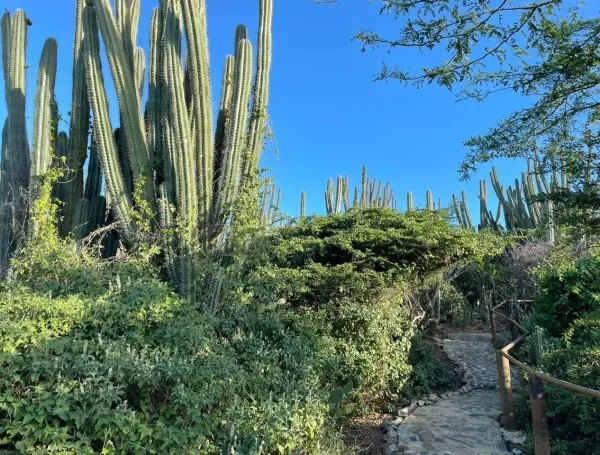
What travelers almost certainly do not picture is a thriving vineyard and boutique wine cave tucked away on a sun-drenched, arid Caribbean island framed by giant cacti, rugged desert terrain, and luminous turquoise waters.
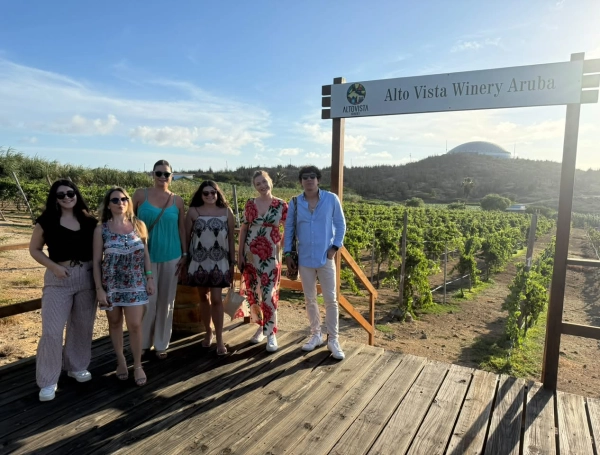
Yet, defying conventional geography and agricultural expectations, Alto Vista Winery achieves the seemingly impossible. Located on the highest topographical point of Aruba—an island where elevations rarely exceed 100 meters above sea level—this pioneering venture stands as one of the very few functioning estate wineries in the entire Caribbean and the undisputed sole wine producer on the island.
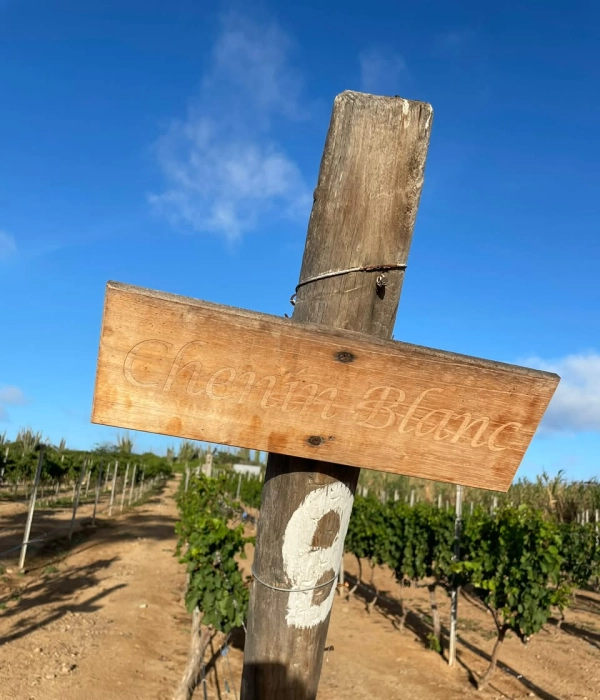
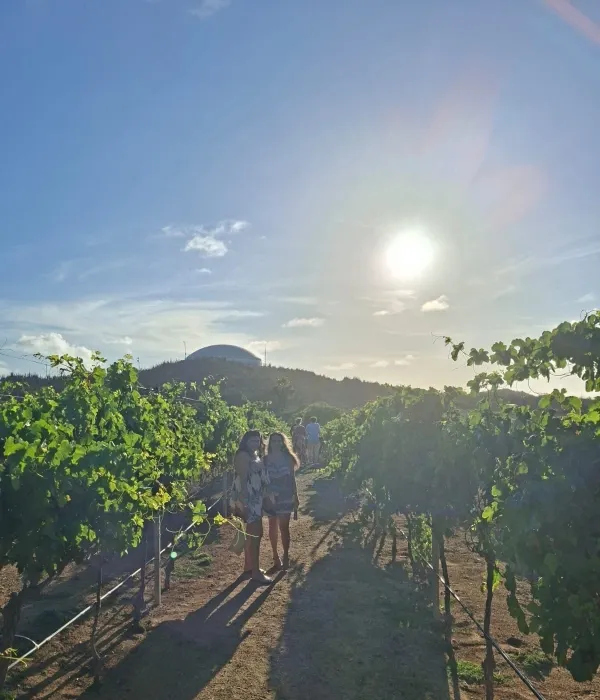
Far from a conventional agricultural novelty, Alto Vista Winery has evolved into a multi-sensory tourism destination. It merges viticulture, rum production, and artisanal gastronomy into a single immersive experience. Far from relying solely on what winds up in the glass, the project invites visitors on a holistic journey: walking across arid mountain terrain interspersed with sprawling grapevines, touring an on-site rum distillery, and settling down for a guided wine-and-dine pairing session overlooking the wild, windswept landscapes of the Dutch Caribbean.
Chronology: The Genesis of an Unlikely Vineyard
The story of Alto Vista Winery is as unconventional as the vines growing in its soil. It is a tale born of perseverance, serendipity, and an entrepreneurial leap of faith led by its founder, David Kock, a local attorney who dared to challenge the limits of Caribbean agriculture.
1. The Accidental Spark
Kock’s original business venture was not centered around wine at all; rather, he initially set out to establish a craft rum distillery, tapping into the historic sugar and spirit traditions of the Caribbean. However, while navigating the arduous bureaucratic channels and waiting for the extensive government permits required to launch a commercial distillery, Kock crossed paths with a defunct grape-cultivation project on the neighboring island of Curaçao.
Intrigued by the agricultural knowledge accumulated during that failed venture, Kock began to wonder if similar techniques could be adapted to the arid, sun-scorched ecosystem of Aruba. He began researching grape varieties capable of surviving intense heat, saline winds, and severely limited water supplies.
2. Overcoming Agricultural Obstacles
Transitioning from a legal career to viticulture was far from seamless.
"He had to overcome many obstacles along the way to achieve the product we have today," explains Fernanda Jiménez, the sommelier at Alto Vista Winery.
The primary hurdles were environmental. Unlike the classic wine-producing regions of the Southern Hemisphere—such as Chile, Argentina, or Uruguay—Aruba does not experience four distinct seasons. The absence of a cold winter dormancy period alters the biological clock of the grapevine. Furthermore, the island experiences consistently short daylight hours and intense tropical heat, compounded by a chronic scarcity of freshwater.
3. Bringing in Expertise and Scaling Up
To bridge the gap between ambitious vision and technical reality, Kock brought on board a professional winemaker (enologist) hailing from Mendoza, Argentina—one of the world’s premier wine capitals. This expert helped fine-tune the vinification processes, tailor canopy-management strategies to the harsh local climate, and train the local staff.
Through trial, error, and meticulous adaptation, the vineyard found its footing. Today, Alto Vista operates as an estate winery, meaning that all its boutique wines are crafted exclusively from grapes cultivated on its own proprietary land. What started as an idle curiosity while waiting for rum permits has materialized into a fully functioning agricultural enterprise that challenges how the world views Caribbean farming.
Supporting Data: The Terroir, Production, and Offerings
Producing wine in a desert climate just feet away from the ocean requires a complete reimagining of traditional winemaking standards. According to sommelier Fernanda Jiménez, visitors should not expect these bottles to mirror the flavor profiles of traditional Old World or classic South American vintages.
The Terroir and Its Challenges
Lack of Seasons: Without thermal shifts between winter and summer, vines must adapt to a perpetual growing season, requiring careful pruning and canopy management.
Water Scarcity: Irrigation must be strictly managed, often relying on advanced drip systems to maximize every precious drop in an environment where rainfall is scarce.
Intense Solar Radiation: High UV exposure thickens grape skins, influencing the tannin structure and concentration of flavors in the resulting fruit.
The Portfolio
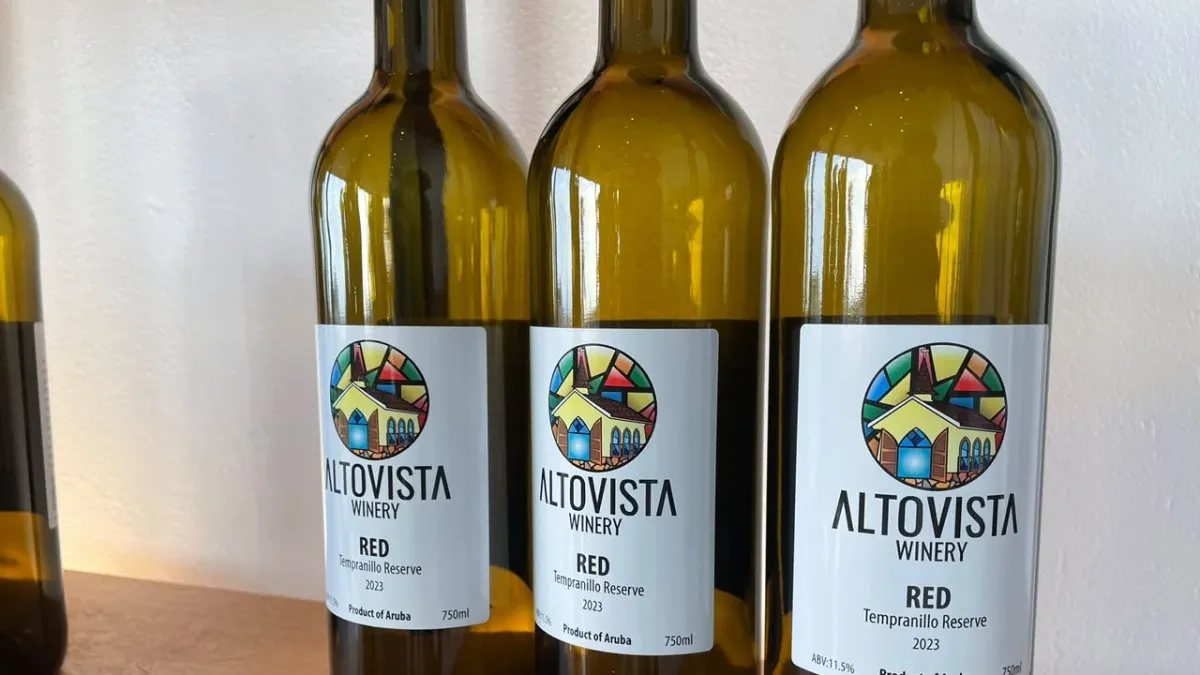
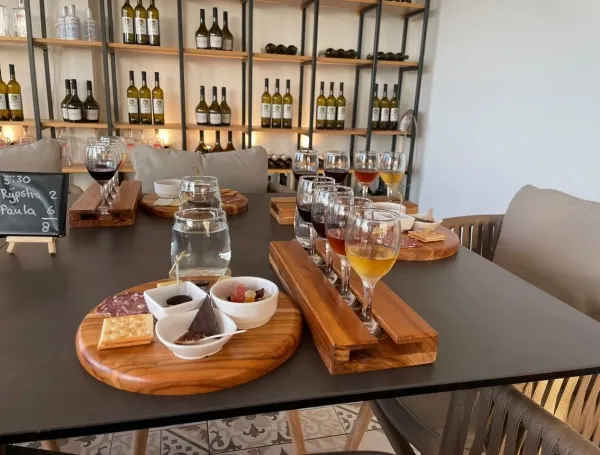
Alto Vista Winery currently offers four distinct signature references during its guided tastings:
Crisp White: Tailored to the tropical climate, offering refreshing acidity to combat the Caribbean heat.
Rosé Blend: A balanced composition of 50% Tempranillo and 50% Syrah, celebrated for its fruit-forward profile and versatility.
100% Tempranillo: A bold red that showcases how well this Spanish grape adapts to high-temperature, arid conditions.
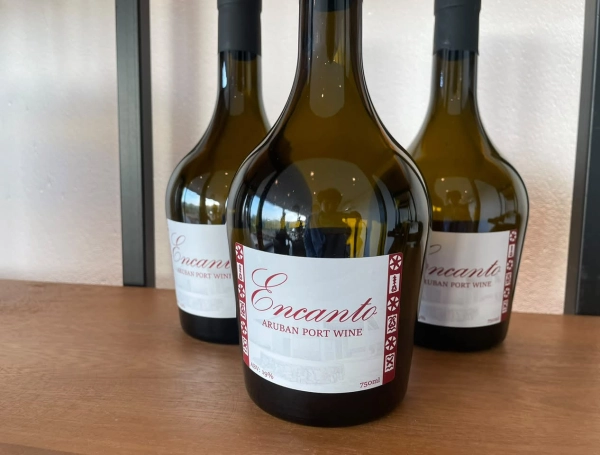
"Encanto" (Port-Style Wine): A rich, sweet fortified wine that has quickly become a fan favorite, particularly when paired with desserts.
Beyond Wine: The Rum and Gastronomy Integration
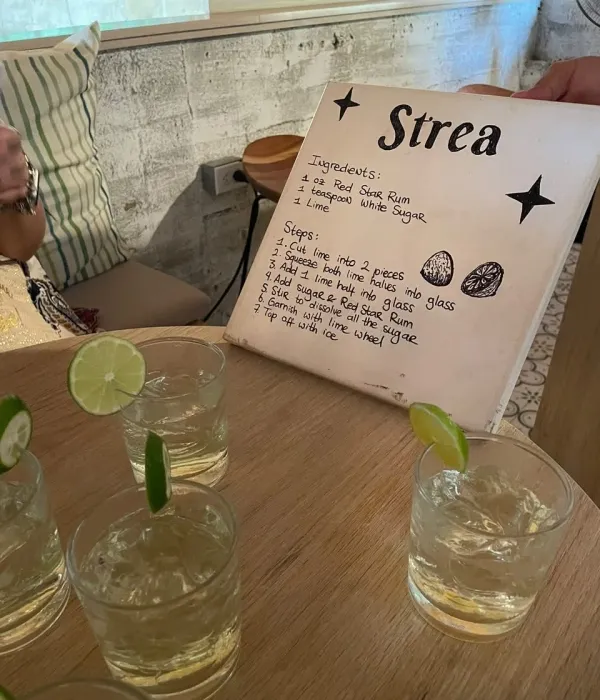
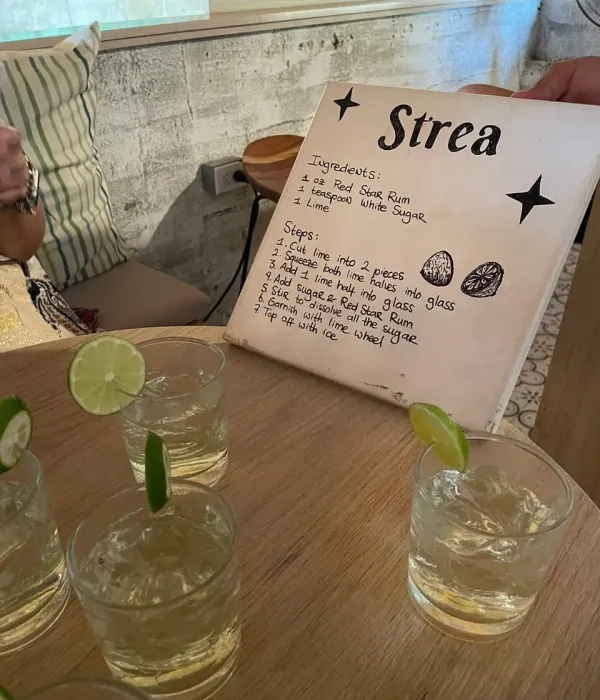
True to its roots, Alto Vista never completely abandoned its founder’s initial vision. The estate incorporates a fully operational rum distillery alongside its wine caves. Visitors are guided from the sun-baked vineyards directly into the distillation room, where they can sample house-made craft rums and rum-based cocktails before transitioning to the indoor tasting room for a formal wine pairing.
Official Responses and Perspectives
The philosophy of Alto Vista Winery is built entirely around authenticity rather than imitation. The leadership team is transparent about the limitations and unique advantages of making wine in Aruba.
On Managing Expectations:
"This is a Caribbean island; we do not have seasons. In countries like Chile, Argentina, or Uruguay, they do have the four seasons. That is a very big difference," notes sommelier Fernanda Jiménez.
Because of these structural differences, the team urges visitors and critics alike to evaluate the wine on its own terms rather than holding it to the rigid yardsticks of traditional wine regions. "We do not have the same conditions for them to judge us the same way," Jiménez emphasizes.
On the Complete Guest Journey:
The objective is to provide an immersive escape that highlights the island’s interior landscape rather than just its coastline.
"We offer an unforgettable experience for all wine lovers and people who like rum," says Jiménez. "This is a unique experience on the island, designed for people to enjoy from beginning to end."
Implications: Redefining Tourism and Agriculture in Aruba
The success of Alto Vista Winery carries profound implications for the broader socioeconomic and tourism landscape of Aruba. Historically marketed globally as "One Happy Island"—famous primarily for its pristine white-sand beaches, luxury resorts, and vibrant nightlife—Aruba has faced the challenge of diversifying its tourism product to avoid over-reliance on coastal real estate.
1. Diversifying the Tourism Experience
Projects like Alto Vista Winery successfully pull tourists away from the shoreline and deep into the island’s rugged interior (known locally as the cunuku). By combining nature walks through cactus-studded mountains, agricultural education, rum distillation, and high-end gastronomic pairings, the winery demonstrates that Aruba’s interior holds untapped cultural and experiential value.
2. Proving Agricultural Viability in Arid Climates
On a macro level, the winery serves as an inspiring case study in agricultural resilience. In an era marked by climate change, desertification, and shrinking freshwater reserves globally, the successful adaptation of European grape varieties (such as Tempranillo and Syrah) to harsh Caribbean conditions offers valuable lessons in sustainable agricultural innovation under extreme stress.
3. Elevating Local Gastronomy
By pairing their signature wines—such as the sweet Encanto port-style wine with a decadent chocolate volcano cake, a combination specifically recommended by Jiménez—the estate elevates Aruba’s culinary profile. It bridges the gap between imported luxury goods and locally produced identity, proving that even in a landscape dominated by sand, sun, and sea, innovation can create space for a truly memorable glass of wine.
The conclusion of the 2026 FIFA World Cup has left an indelible mark not only on the annals of sporting history but, more significantly, on the structural economic fabric of Mexico. As the dust settles…
By Edwin Caicedo | July 17, 2026 In a significant move to reshape the nation’s aerial landscape, the Colombian Civil Aviation Authority (Aerocivil) has announced the receipt of over 30 formal applications for new domestic…
GLOBAL AVIATION — In an industry defined by fierce competition, shifting geopolitical landscapes, and ever-evolving passenger expectations, the definitive verdict on the world’s finest carriers has officially been delivered. The results of the prestigious 2026…