By Maria Paula Lozano | Digital Reach Desk
Updated: September 9, 2026
For thousands of Colombian students, the academic calendar is marked by one singular, high-stakes milestone: the Saber 11 examinations. After months of rigorous preparation, classroom instruction, and the physical act of sitting for the multi-hour test, the period of anticipation is nearing its conclusion. The Instituto Colombiano para la Evaluación de la Educación (Icfes) has officially confirmed the release date for the results of the 2026 Calendar A examinations, setting in motion a critical phase for university admissions and career planning.
The Official Timeline: When and How to Access Your Scores
The Icfes has announced that the official results for the 2026 Saber 11 Calendar A tests will be published on Friday, September 25, 2026. This date is significant, as it serves as the gateway for students to determine their eligibility for various higher education opportunities, scholarships, and academic programs across the country.
While the primary focus is on the Saber 11 cohort, the Icfes has also established a subsequent date for other examinations. Students who participated in the Pre-Saber tests or the Baccalaureate Validation (Validación de Bachillerato) exams should mark their calendars for Friday, October 2, 2026, exactly one week after the main Saber 11 results release.

Navigating the Digital Platform
The transition from student to test-taker is finalized through the Icfes digital portal. To ensure a smooth experience when the results go live, it is essential for students to be prepared with the necessary documentation.
- Access the Portal: Visit the official Icfes website and navigate to the "Results" (Resultados) section.
- Identification: You will need your identification document (Tarjeta de Identidad or Cédula de Ciudadanía) at hand.
- Verification: The system may require your registration number (número de registro), which was provided to you during the exam registration process, or your date of birth to authenticate your account.
- Download: Once authenticated, the platform provides a detailed PDF report. It is highly recommended that students download and store multiple digital copies, as this document is a prerequisite for enrollment in almost every public and private university in Colombia.
Understanding the Saber 11 Report: What the Numbers Mean
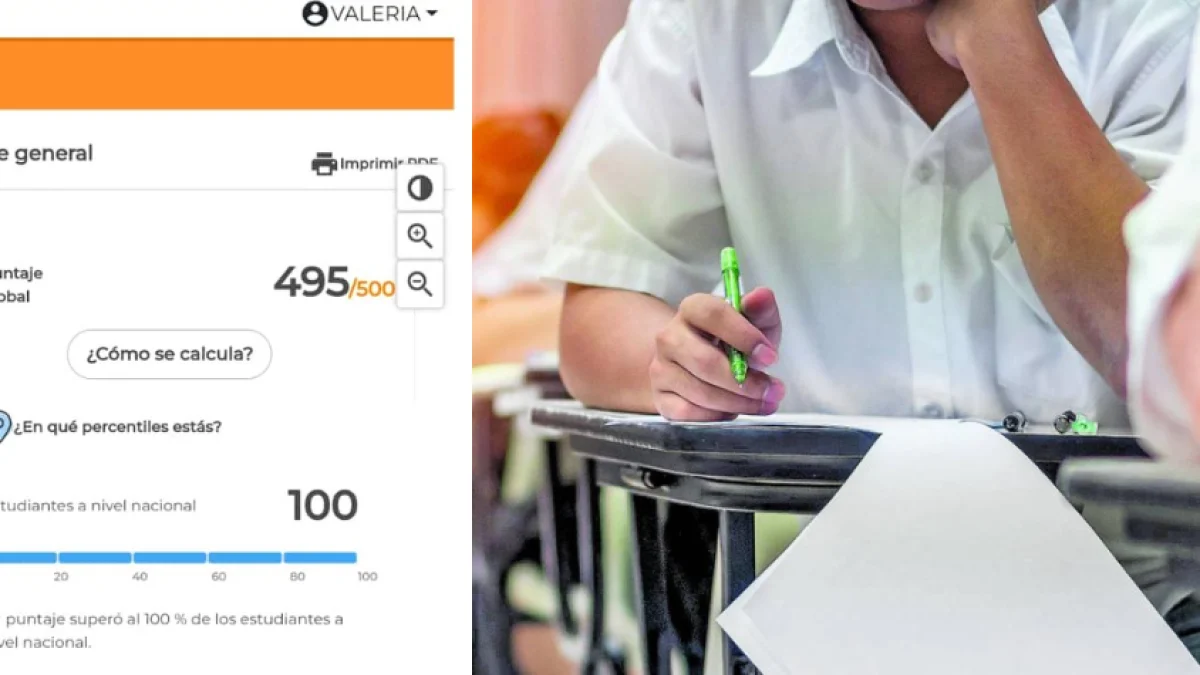
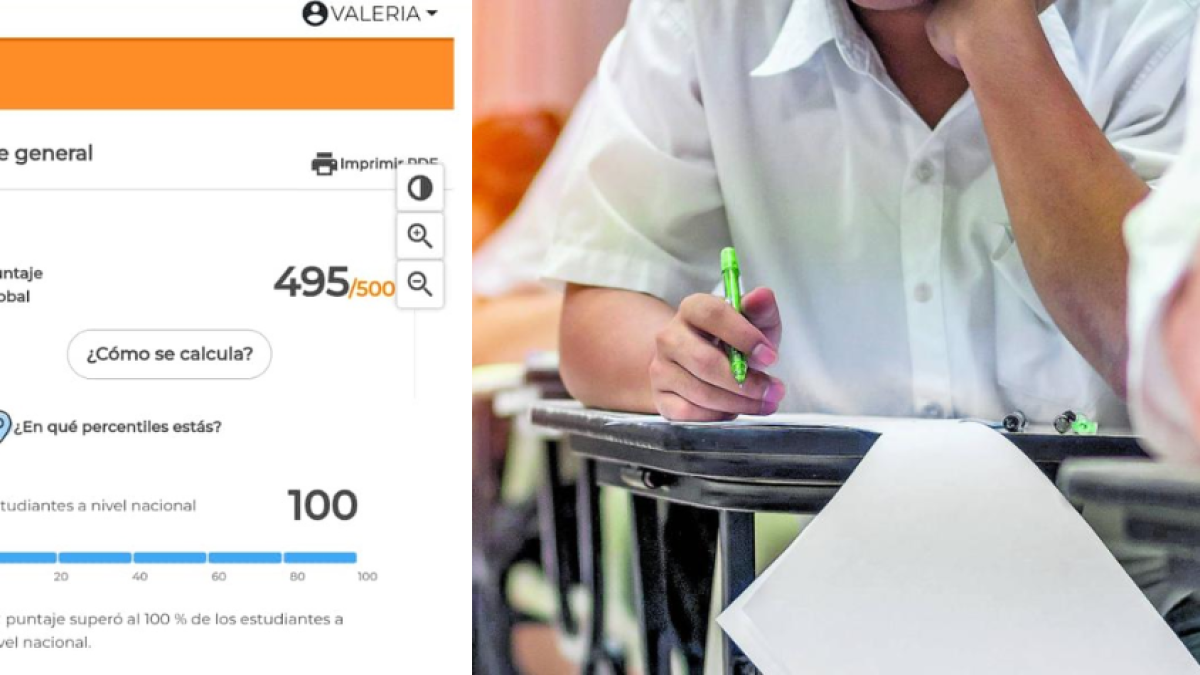
The report provided by the Icfes is not merely a single number; it is a comprehensive breakdown of the student’s academic profile at the end of their secondary education. The document includes the Global Score (Puntaje Global), which is the weighted average of the various components of the exam.

Beyond the aggregate score, the report provides detailed insights into five core competencies:
- Critical Reading: Assessing the ability to understand and interpret various types of texts.
- Mathematics: Measuring quantitative reasoning and problem-solving skills.
- Social and Citizen Competencies: Evaluating the understanding of democratic principles and social dynamics.
- Natural Sciences: Testing the ability to apply scientific knowledge in diverse contexts.
- English: Measuring language proficiency according to the Common European Framework of Reference for Languages (CEFR).
For many students, these specific sub-scores are just as important as the global score, as many university faculties weigh specific areas—such as Mathematics for engineering programs or Critical Reading for law and humanities—more heavily during the admissions process.

The Significance of the Saber 11 in the Colombian Educational Ecosystem
The Saber 11 exam is more than just a graduation requirement; it acts as a national barometer for the quality of secondary education in Colombia. In the context of the 2026 academic year, this exam takes on heightened importance. Recent discourse in the educational sector has highlighted a growing gap in performance, particularly in mathematics and literacy. As noted in recent reports on the PISA 2025 results, there is a systemic concern regarding why students are struggling in these fundamental areas.
The results being released on September 25 will provide a granular look at how the 2026 cohort has fared in these specific domains. This data is essential for the Ministry of Education to refine national curriculum standards and for individual schools to implement remedial strategies for their senior classes.

The Evolution of the Classroom
Furthermore, the testing environment is changing. With the ongoing debate regarding the use of mobile devices in classrooms—such as the new restrictions implemented in Bogotá schools—the 2026 cohort represents a generation transitioning through a period of educational reform. Policymakers will be looking closely at the correlation between these changing school environments and the performance levels demonstrated in the upcoming results.
Looking Ahead: The Future of Labor and Education
The importance of these results extends far beyond university entry. We are currently witnessing a seismic shift in the labor market. Recent analyses suggest that approximately 39% of current job skills will undergo significant transformation by 2030 due to the rapid integration of Artificial Intelligence (AI).
As students review their Saber 11 scores, many are looking toward university programs that are already beginning to adjust their curricula to accommodate this new reality. The ability to perform well on the Saber 11 is increasingly seen as a baseline indicator of a student’s "learnability"—their capacity to adapt to complex information and master new tools, which is exactly the skill set required for the evolving workforce of the next decade.
Practical Advice for Students and Families
As the release date approaches, anxiety is a natural response. To manage this period effectively, we recommend the following:

- Secure your credentials: If you have lost your registration number or have concerns about your login credentials, contact your school administration or the Icfes customer service channels before the 25th.
- Verify your documents: Ensure that your identification document is valid and that you have a digital copy of your "Citación" (the document that confirms your exam schedule), as it often contains the registration number needed for the query.
- Analyze, don’t just look: When you receive your results, look at the percentiles. The Icfes provides information on how you performed relative to other students nationwide. This context is often more helpful than the raw score itself when applying for competitive scholarships like "Generación E" or institutional merit-based financial aid.
- Prepare for the next step: If your score is not what you expected, do not despair. Many universities offer secondary admissions processes, and there are always opportunities for internal transfers or supplemental academic courses.
Official Resources and Support
The Icfes remains the primary point of contact for any technical issues regarding the platform. For those experiencing difficulties with the portal, the institution provides several channels for support:
- Virtual Attention: Through the Icfes website, you can submit tickets for technical support.
- Social Media: Follow the official Icfes accounts on X (formerly Twitter) and Facebook for real-time updates on server maintenance or potential delays in the release of scores.
- Educational Guidance: Reach out to the guidance counselors at your respective schools; they have access to institutional reports that can help interpret your individual results in the context of your specific academic history.
Conclusion: A New Chapter
The publication of the 2026 Saber 11 results is a rite of passage. It represents the culmination of years of effort and the beginning of a new chapter in the lives of thousands of young Colombians. Whether the results lead to immediate university admission, a gap year, or a vocational training program, the scores are a tool for self-discovery and a roadmap for future academic endeavors.
As we move toward September 25, we encourage all students to remain informed through official channels and to approach their results with a focus on growth and future opportunities. The landscape of education in Colombia is shifting rapidly, and these scores are the first step in positioning yourself within that changing reality.
For more information on educational trends, the impact of AI on university curriculum, and updates on school policies, continue to follow the Education section of El Tiempo. You can also sign up for our weekly newsletter to receive specialized reports directly to your inbox.