By Edwin Caicedo | Environmental and Health Journalist Updated: September 7, 2026
Main Facts
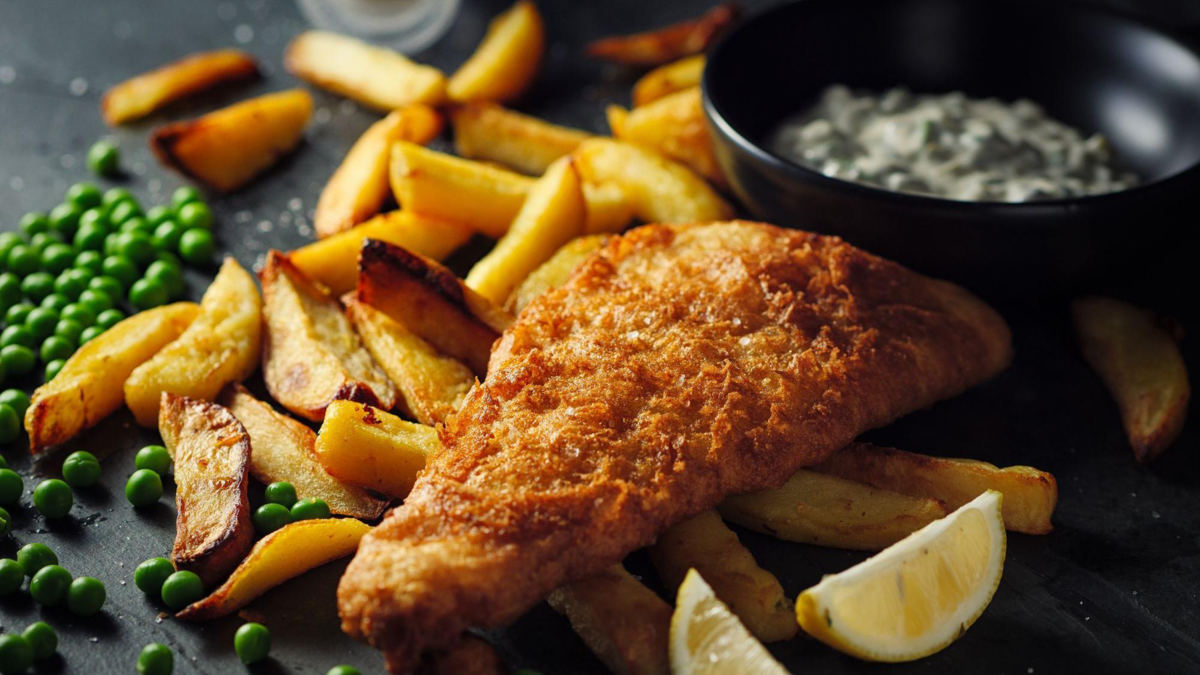
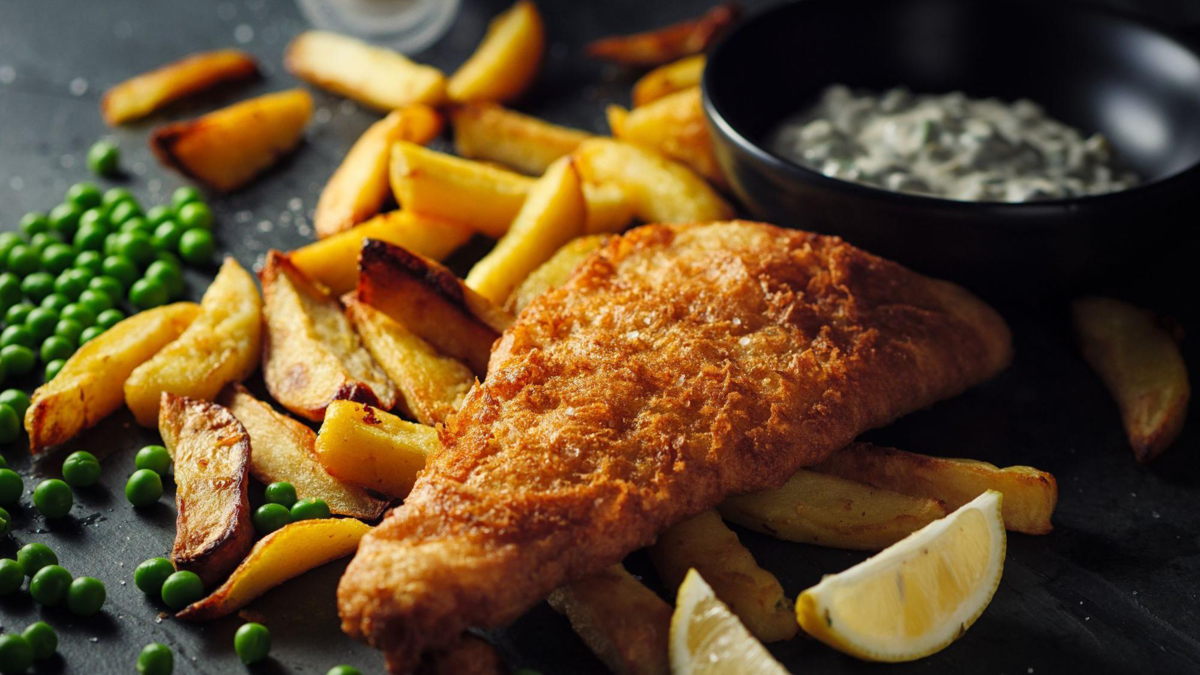
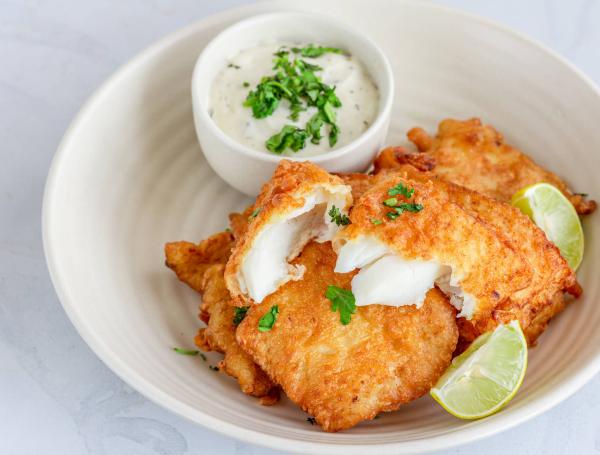
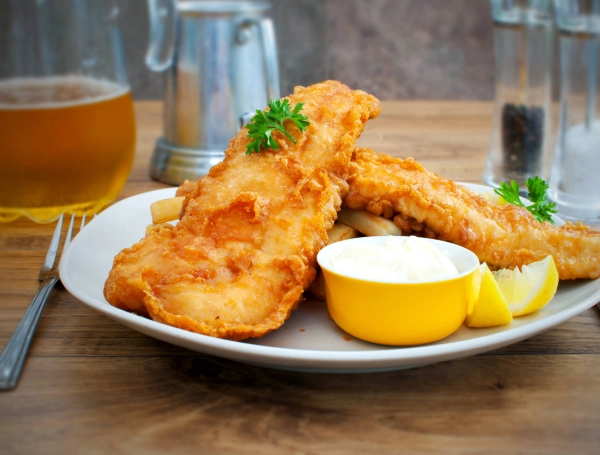
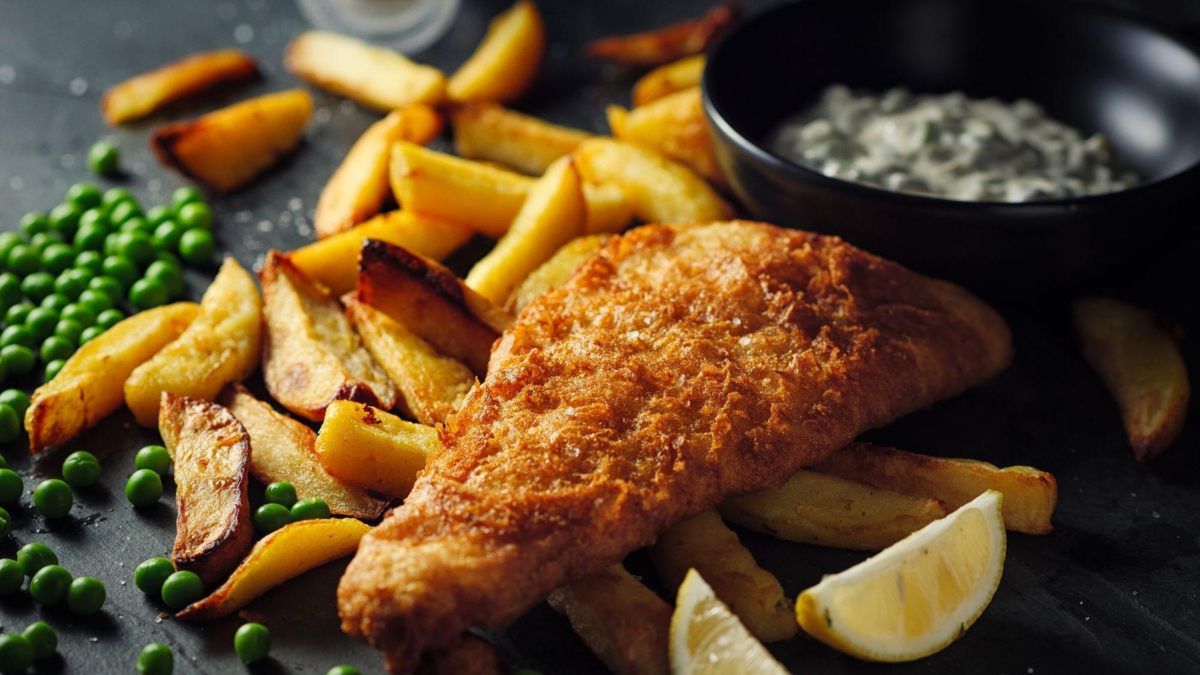
For culinary enthusiasts striving to achieve a flawlessly golden, light, and shatteringly crisp crust on fried fish—rather than a heavy, grease-logged coating—the ultimate secret weapon might already be sitting in the refrigerator. Far from being a mere wives’ tale passed down through generations of home cooks, food science has officially validated why replacing a portion of the water and flour with beer fundamentally transforms the physics and chemistry of frying.
According to research highlighted by Scientific American, America’s Test Kitchen, and professional culinary platforms like ChefSteps, the magic lies in a unique trifecta: carbonation, foaming agents, and alcohol. When a beer-based batter hits hot oil, a rapid physical reaction occurs. The dissolved carbon dioxide ($textCO_2$) rapidly escapes, expanding into microscopic bubbles that give the crust an airy, lace-like texture.
Furthermore, laboratories specializing in food science have demonstrated that the slight acidity of carbonated beverages alters the protein structure of the batter, inhibiting excessive gluten development. This ensures the coating remains delicate and tender rather than tough or rubbery. While the alcohol content plays a secondary role by evaporating faster than water—thus drying out the crust more quickly and preventing the internal protein from overcooking—the true hero of the process is the humble bubble.
Chronology of a Culinary Evolution: From Tavern Secret to Laboratory Science
To understand how beer evolved from a bartender’s quick fix into a subject of rigorous scientific study, one must trace its journey through culinary history and modern food technology.
Pre-20th Century: Empirical Cooking: For generations, coastal communities, fish-and-chips vendors, and traditional home cooks across Europe and the Americas empirically discovered that using cold, carbonated beverages yielded superior frying results. Without laboratory equipment, these cooks relied on trial and error, passing down the practice through oral tradition.
The Mid-to-Late 20th Century: The Rise of Commercial Gastronomy: As institutional cooking schools and culinary publications began standardizing recipes, "beer batter" became a menu staple, particularly associated with British-style fish and chips and American pub grub. However, the exact mechanics behind why it worked remained largely theoretical.
Early 2000s: Experimental Food Laboratories: Organizations like America’s Test Kitchen began applying rigorous, controlled testing to home cooking myths. By isolating variables—such as frying fish in batters made with regular beer, alcohol-free beer, club soda, and plain tap water—researchers began mapping out the precise chemical reactions at play.
The 2020s: Precision Cooking and Physics: Modern platforms such as ChefSteps integrated fluid dynamics and thermodynamic principles into culinary education. Chefs and food scientists mapped out evaporation rates, pH levels, and gas solubility, confirming that the kinetic energy of escaping $textCO_2$ bubbles is the primary driver behind the coveted "lace texture."
Present Day (2026): Mainstream Scientific Consensus: Today, the science of frying with beer is widely taught in culinary arts programs worldwide, bridging the gap between traditional gastronomy and food chemistry.
Supporting Data and Scientific Analysis
To substantiate these claims, various culinary research institutions have broken down the underlying mechanics into specific chemical and physical phenomena.
1. The Physics of Carbonation and Gas Expansion
When a liquid containing dissolved gases is subjected to high heat (such as frying oil ranging from 350°F to 375°F / 175°C to 190°C), the solubility of the gas drops precipitously. In the case of beer, the dissolved $textCO_2$ rushes to escape.
As Scientific American points out, these expanding gas pockets create tiny voids throughout the batter. When the batter sets in the hot oil, these voids solidify into a porous, delicate matrix. This reduces the density of the crust, preventing it from absorbing excess oil and creating that signature crunch.
2. Gluten Inhibition via pH Balance
Gluten is the structural protein network formed when wheat flour is mixed with water. In standard batters, unchecked gluten development can lead to a tough, chewy, or rubbery coating.
America’s Test Kitchen highlights a crucial chemical factor: pH levels.
Gluten forms most easily and strongly in a neutral to slightly acidic environment with a pH of 5 to 6.
Most carbonated beverages, including beer and club soda, have a pH closer to 4.
By introducing an acidic, carbonated liquid to the flour, the batter’s pH drops. This acidic shift inhibits excessive gluten cross-linking, ensuring that the resulting crust remains light, fragile, and crisp rather than heavy and dense.
3. The Role of Alcohol: Boiling Points and Evaporation Rates
A common misconception is that the alcohol content is what creates the crispy texture. However, empirical testing by America’s Test Kitchen debunked this by frying fish in alcohol-free beer and club soda, both of which produced similarly exceptional, light crusts compared to plain water.
Nevertheless, alcohol does serve a vital secondary function. Ethanol has a lower boiling point (approx. 173°F / 78.3°C) than water (212°F / 100°C). Because it evaporates significantly faster than water when exposed to hot oil, the alcohol draws heat away from the food and dries out the exterior shell much quicker. This seals the outer layer instantly, locking in natural moisture (such as the juices of a delicate fish fillet) and preventing the interior from overcooking or becoming waterlogged.
Official Responses and Culinary Perspectives
Professional chefs, food scientists, and technical cooking institutions universally endorse the method, provided certain parameters are met.
"It’s not magic; it’s thermodynamics and fluid mechanics," explains a lead food scientist at ChefSteps. "When you harness the kinetic energy of escaping carbon dioxide alongside rapid alcohol evaporation, you change the structural integrity of the fried matrix. You move from a dense, heavy coating to an aerated, fragile lattice."
Culinary instructors at major test kitchens emphasize that while the chemical interaction is robust, success depends heavily on preparation variables. Chefs consistently advise against treating the technique as a cure-all for poor frying practices. Even the most scientifically advanced beer batter will fail if the foundational principles of frying are ignored.
Implications for Home Cooks and the Gastronomic Industry
The scientific validation of beer-based batters carries several practical and commercial implications for both everyday kitchens and the broader food service industry.
1. Democratization of Restaurant-Quality Techniques
Understanding the mechanics of carbonation and gluten inhibition empowers home cooks to replicate high-end pub fare without relying on commercial chemical leavening agents or complex commercial mixes. By simply swapping stagnant tap water for a cold, carbonated beverage, anyone can dramatically improve their frying outcomes.
2. Adaptability for Dietary Restrictions and Preferences
Because rigorous testing has proven that the physical expansion of bubbles (carbonation) is far more important than the alcohol itself, home cooks and restaurants can easily adapt the technique for diverse dietary needs. Diners who avoid alcohol for health, religious, or personal reasons can achieve identical textural results by using non-alcoholic beers, sparkling water, club soda, or even carbonated non-alcoholic ciders.
3. Optimization of Frying Health and Efficiency
By creating a more porous, rapidly setting crust, the food absorbs significantly less oil during the frying process. Less oil absorption not only translates to a lighter, less greasy mouthfeel but also aligns with consumer demands for healthier preparation methods in traditional fried foods. Furthermore, the rapid sealing action of the volatile components prevents internal moisture loss, ensuring a juicier, higher-quality final product.
Practical Guide: How to Apply the Trick at Home
To successfully implement this scientific method in your own kitchen, culinary specialists recommend following a few essential rules:
Keep It Ice Cold: Temperature differential is critical. A cold batter hitting hot oil creates a more violent thermal shock, accelerating gas expansion and flash-frying the exterior before oil can penetrate. Always use beer straight from the refrigerator.
Choose Your Brew Wisely: While light lagers and pilsners are traditional because of their clean flavor profiles and high carbonation, heavier ales or stouts can be used for heartier proteins, provided you enjoy their distinct flavor notes. Remember: if you can taste it in the glass, you will taste hints of it in the crust.
Do Not Overmix: Whisk the batter just until the dry ingredients are moistened. Overmixing activates the very gluten network you are trying to inhibit, and it also prematurely flattens the beer by beating out the vital $textCO_2$ bubbles. Lumps in the batter are entirely acceptable and often lead to an even crispier texture.
Maintain Oil Temperature: Even the best carbonated batter will become soggy if overcrowded in lukewarm oil. Maintain your frying oil between 350°F and 375°F, working in small batches to ensure rapid heat recovery.
By combining the timeless intuition of generations of traditional cooks with the modern precision of food science, achieving the ultimate golden, light, and shatteringly crisp crust is no longer a matter of luck—it is pure chemistry.
By Global Gastronomy Desk Published: December 7, 2025 Main Facts Cooking is an everyday activity practiced in millions of households across the globe, yet mastering fundamental culinary techniques remains far more complex than it appears…
Cooking is often described as a blend of art and chemistry. While millions of people prepare meals daily, the nuances of culinary technique—especially when handling high-quality proteins—can be far more complex than they appear at…
By Edwin Caicedo | Environmental and Health Journalist Published: September 7, 2026 Main Facts: The Physics and Chemistry Behind the Perfect Batter For anyone striving to craft the ultimate piece of fried fish—one defined by…