By Edwin Caicedo | Environmental and Health Correspondent
October 8, 2026
In the heart of Wonga Beach, Australia, where the ancient Daintree rainforest meets the coastal plains, a transformation of ecological significance has unfolded. What was once a scarred landscape of industrial sugarcane cultivation—an area devoid of its original biodiversity—has been meticulously resurrected into a thriving, protected rainforest ecosystem.
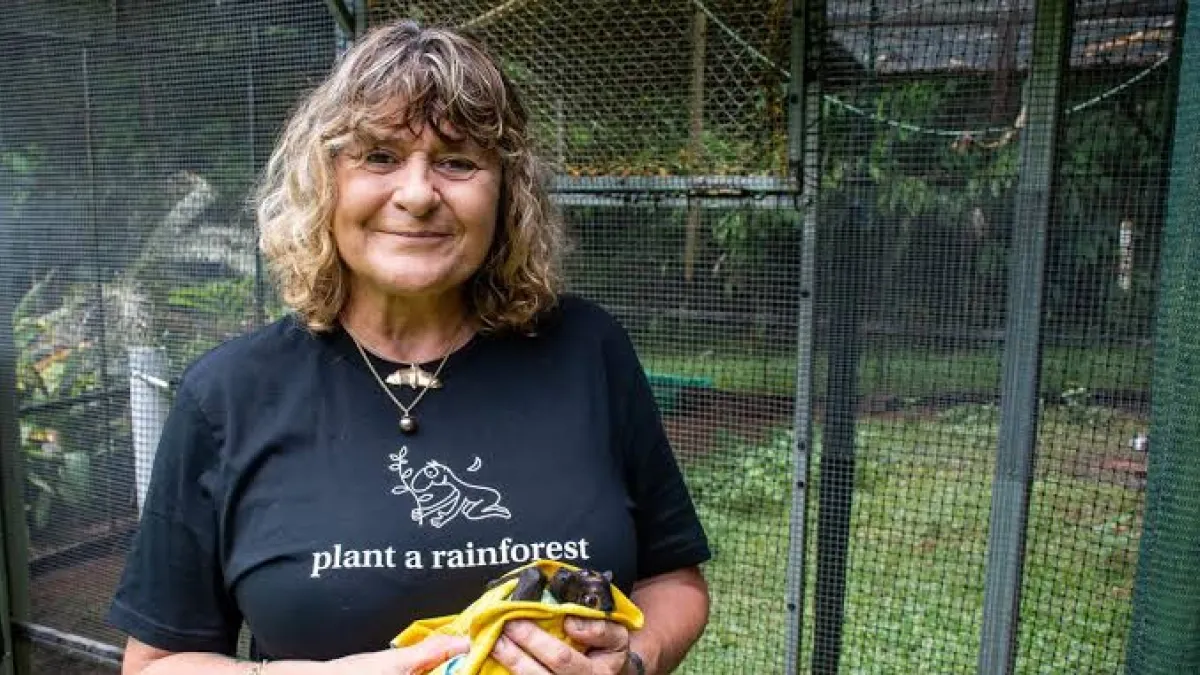
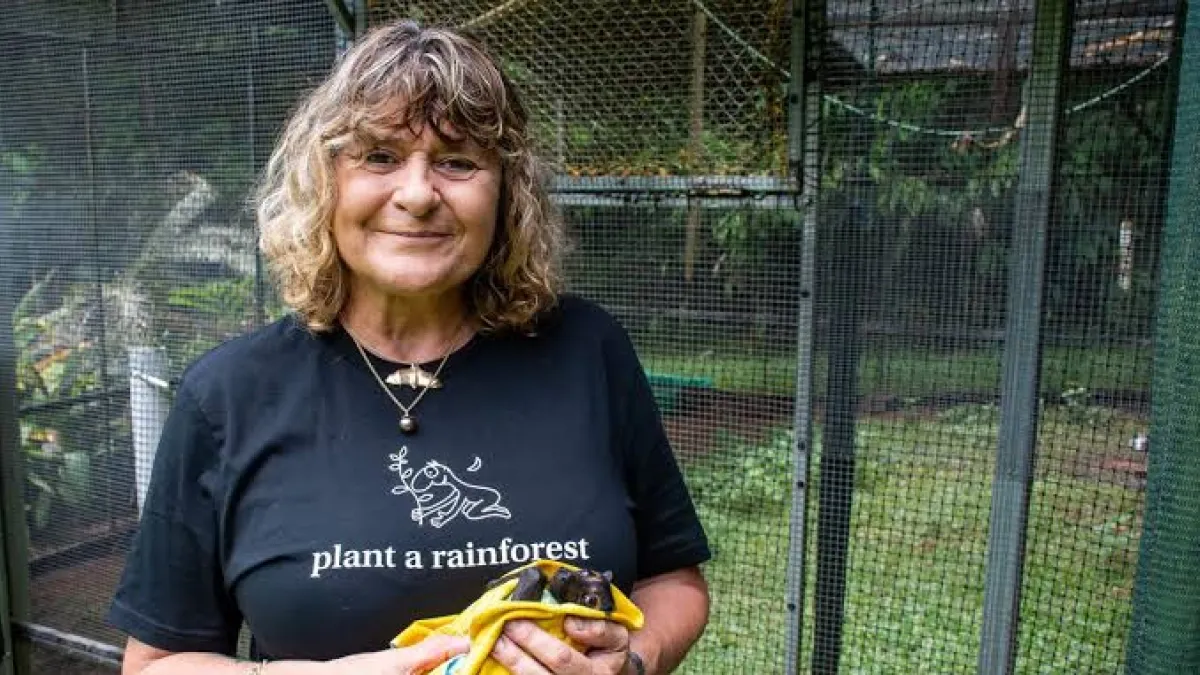
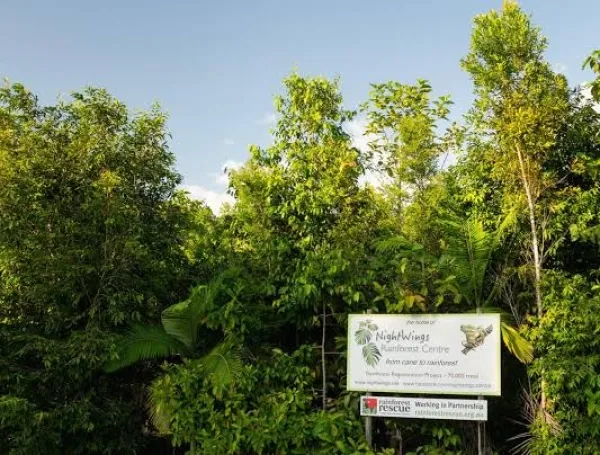
The NightWings Rainforest Centre project, spearheaded by wildlife carer Annie Schoenberger in partnership with the NGO Rainforest Rescue, stands today as a testament to the power of community-led ecological restoration. Spanning 18 hectares at the foot of the Dagmar Range, the project has evolved over the last eleven years into a lush, young forest home to over 119,000 newly planted native trees. Beyond the greenery, the site has achieved the highest level of vegetation protection under Queensland law, serving as a sanctuary for endangered species that had not been seen in the region for decades.
The Genesis of a Conservation Vision
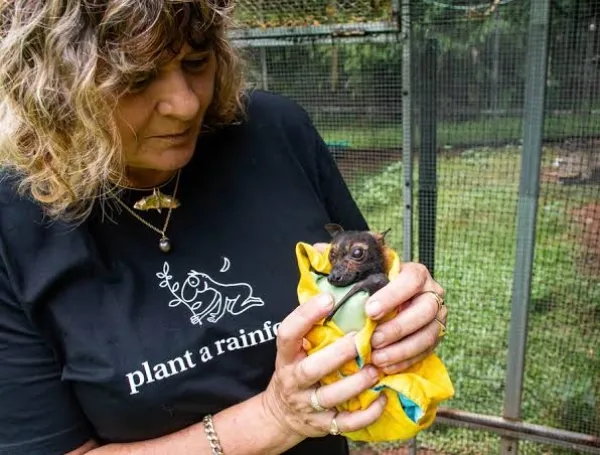
The project’s origins date back to 2015, when Annie Schoenberger, a dedicated wildlife carer, approached Rainforest Rescue with a singular, ambitious vision: to reverse the degradation of the Daintree lowlands. Her purchase of the former sugarcane plot was driven by a deep-seated concern for the local bat population, particularly the vulnerable spectacled flying fox.

"This land has changed so much," Schoenberger remarked during a commemorative planting event. Her motivation was not merely to plant trees, but to provide a corridor for species whose habitats were becoming increasingly fragmented by agriculture and urban encroachment. By focusing on the dietary needs of the flying foxes—such as native fig trees—she inadvertently sparked a comprehensive ecological revival that would eventually attract far more than just bats.
A Chronology of Recovery: From 2015 to 2026
The recovery of the NightWings property was a phased, methodical process that relied heavily on community engagement and scientific land management.
- 2015: The foundational year. The property was acquired, characterized by exposed soil and a lack of canopy cover. Initial site assessments were conducted to understand how to integrate the plot back into the adjacent, healthy rainforest remnants.
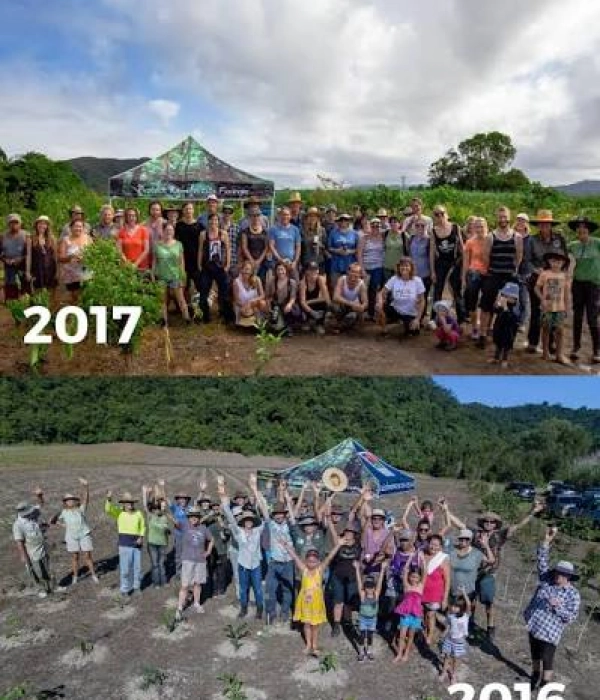
- 2016: The inaugural community planting day. This event set the tone for the decade to follow, mobilizing volunteers to begin the massive task of reforestation.
- 2018: A pivotal milestone for biodiversity. Rainforest Rescue confirmed the sighting of a juvenile southern cassowary south of the Daintree River—a monumental event, as the species had been effectively absent from this specific locale for over forty years.
- 2022: Continued ecological progress was evidenced by the sighting of another young cassowary. By this time, the forest canopy was beginning to close, providing the necessary cover and food sources for native wildlife to return permanently.
- 2025 (May 17): A record-breaking day. 183 volunteers gathered to plant 3,300 trees in just 25 minutes. During this event, Schoenberger and Bennett Walker, a traditional custodian of the land, planted a native fig tree, symbolizing the union of modern conservation efforts and indigenous stewardship.
- 2026 (May 14): Formal legal recognition. The Queensland government officially designated the 18-hectare site as an area of "High Conservation Value" under the 1999 Vegetation Management Act, granting it Category A protection status.
Biodiversity: The Return of the Wild
The most compelling indicator of the project’s success is the documented return of sensitive fauna. The southern cassowary, an iconic but endangered bird of the Australian rainforest, is the most notable beneficiary. According to Rainforest Rescue, at least two of these birds are now known to have been born on or near the property, establishing a new generation within the restored corridors.
However, the resurgence is not limited to megafauna. The site has become a vibrant hub for biodiversity:
- Mammals: Beyond the spectacled flying foxes, the forest now supports striped possums and echidnas.
- Avian Life: The selection of over 150 species of trees—mostly fruit-bearing—has created a "buffet" for local bird species, which in turn act as natural seed dispersers, accelerating the growth of the surrounding rainforest.
- Micro-fauna: The restoration of a wetland area within the property has attracted a surge in insect, lizard, and amphibian populations, creating a balanced food web that characterizes a mature ecosystem.
Joe Reichl, the lead land manager for the project, has frequently pointed to the success at NightWings as empirical evidence that active reforestation works. "When you provide the habitat, they return," he noted, emphasizing that the project serves as a model for other landowners in the Daintree region.
Official Recognition and Environmental Implications
The May 2026 legal protection of the land was a major victory for conservationists. By placing the 18 hectares into "Category A," the government has effectively banned all future clearing, ensuring that the work put into the last decade cannot be undone by future development.
The environmental impact extends beyond the boundaries of the NightWings property. The restoration is located within a Strategic Rehabilitation Area, as defined by North Queensland’s regional planning authorities. By connecting previously fragmented patches of forest, the project creates "biological bridges" that allow animals to move safely through the landscape, reducing the genetic isolation of local populations.
Furthermore, the restoration has tangible benefits for the marine environment. Water quality testing conducted at the site shows a measurable reduction in sediment runoff and turbidity flowing into nearby watercourses. Given the proximity of these waters to the Great Barrier Reef, the project is a minor but significant contribution to the broader effort to protect the reef from the suffocating effects of agricultural runoff.
Looking Ahead: The Future of NightWings
Despite the massive success achieved thus far, the project is far from finished. The ultimate goal for the upcoming years is to secure a "Nature Refuge" status. This would solidify an agreement with the Queensland government that binds the land to conservation in perpetuity, regardless of future ownership.
However, the team is exercising patience. As experts note, the vegetation needs to reach a higher level of maturity before the property can fully function as a self-sustaining refuge. In the meantime, the focus is shifting toward education and care. The site is currently integrated into the Wildlife Land Trust and features a dedicated area for the rehabilitation of injured bats.
The vision for the future includes a low-impact visitor and education center. This facility will serve as a hub for researchers and the public alike, demonstrating how agricultural land can be transitioned into a productive, thriving habitat.
Conclusion: A Blueprint for Global Restoration
The story of NightWings is a compelling narrative for the global conservation community. It proves that environmental degradation is not always permanent. With sufficient time, community support, and a commitment to science-based restoration, the natural world possesses a remarkable capacity to reclaim lost ground.
Annie Schoenberger’s journey—which began with a singular focus on protecting a single species—has resulted in a holistic revival of a forest. As the trees continue to grow and the cassowaries continue to roam the protected corridors of Wonga Beach, the NightWings project serves as a beacon of hope, proving that even the most damaged landscapes can be brought back to life.
For more information on conservation efforts, follow the latest updates from the field via the Rainforest Rescue network and subscribe to our weekly newsletter for in-depth environmental reporting.