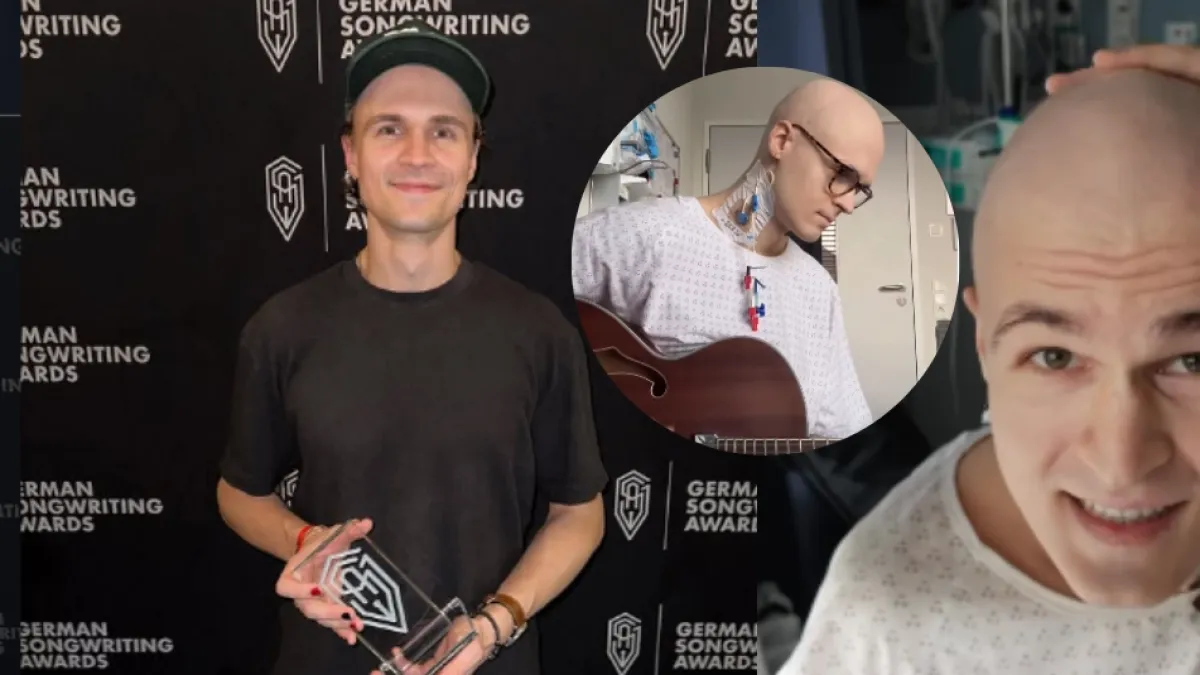
In the competitive and often unforgiving landscape of the European music industry, Leif Bent had finally begun to see his hard work yield fruit. The German-born musician, whose sound had started to resonate across the continent—from the underground pubs of London to the burgeoning music scenes of Berlin—was on the verge of a professional breakthrough. He was meticulously crafting his debut album, a project that represented years of artistic development and personal sacrifice. Yet, in May 2026, the trajectory of his life was abruptly altered not by a creative block or a failed contract, but by a silent, physiological adversary: acute myeloid leukemia (AML).
What followed for the 28-year-old artist was a harrowing journey that blurred the lines between the fragility of human health and the enduring power of creative expression. Bent’s story, which has since captivated audiences worldwide, serves as a poignant reminder of how quickly life can pivot, and how art can become a lifeline in the face of existential uncertainty.
A Life Defined by Sound
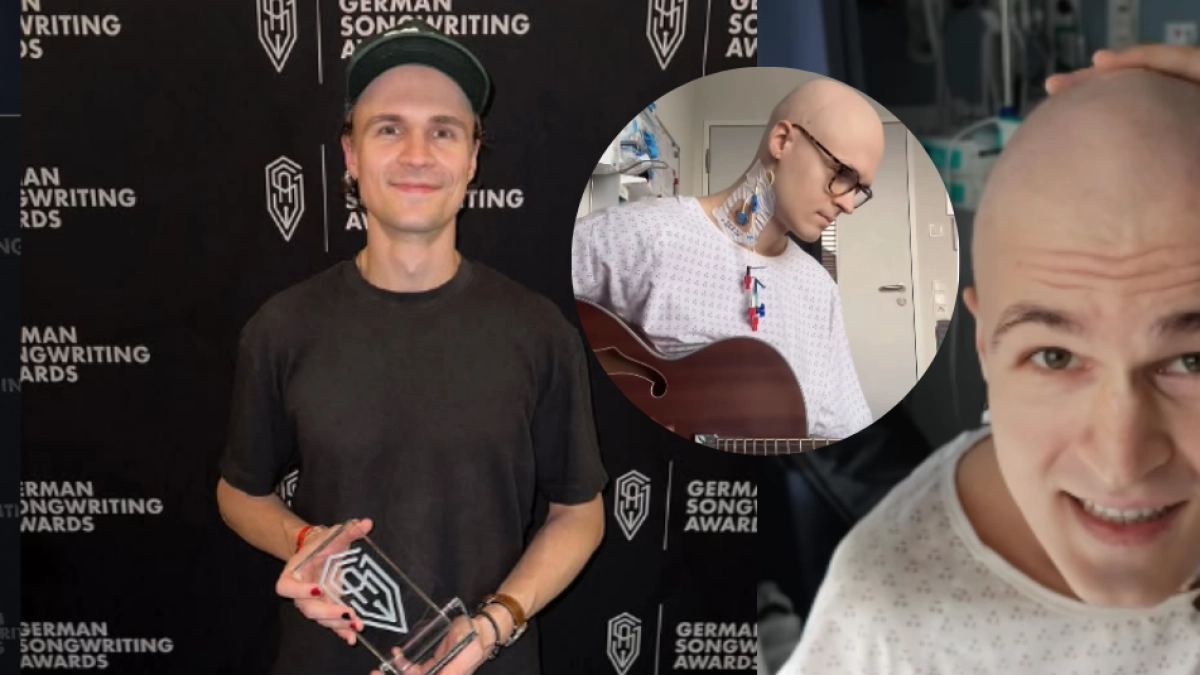
Leif Bent’s relationship with music began early. At the age of six, he found himself drawn to the piano, a curiosity that blossomed into an obsession as his family migrated to Switzerland. Throughout his formative years, Bent was not merely a consumer of music but a creator. He taught himself the complexities of piano composition as a teenager, eschewing the relative safety of cover songs to focus on the vulnerability of original work.
After completing his secondary education, Bent moved to London, a city known for its rigorous training grounds for aspiring artists. He honed his craft at the prestigious Abbey Road Institute, where he delved deep into the nuances of music production. During this time, he performed intimate acoustic sets in local pubs, developing the stage presence and narrative clarity that would eventually define his signature style. Upon returning to his native Germany and settling in Berlin, he successfully transitioned from a promising newcomer to a collaborator in a vibrant musical ecosystem, setting the stage for his debut studio album.

The Mirage of the Common Cold: A Chronology of Diagnosis
In May 2026, the symptoms began—subtle, deceptive, and easily dismissed. Bent, who had prided himself on a lifestyle of physical activity and healthy habits, initially attributed his fatigue and malaise to a routine bout of influenza. He suffered from a persistent sore throat and labored breathing, classic indicators of a viral infection.
However, the passage of time brought no relief. Instead, the situation escalated when he discovered unexplained bruising on his legs. When standard antibiotics prescribed by his primary physician failed to alleviate his symptoms, the gravity of the situation became clear. Following a series of blood tests, doctors delivered a life-altering diagnosis: acute myeloid leukemia (AML).

By the time the diagnosis was confirmed, the disease had aggressively infiltrated his bone marrow, severely impeding the body’s ability to produce healthy blood cells. Medical professionals were reportedly astonished that the young musician was even able to remain standing. The shock of the diagnosis was compounded by the fact that Bent possessed no known genetic predisposition to the illness, nor did he lead a lifestyle that would typically invite such a health crisis. He was, by his own account, a "one-in-a-million" medical anomaly.
Clinical Challenges and the ICU Struggle
The immediate aftermath of the diagnosis plunged Bent into the clinical world of high-stakes oncology. His condition deteriorated rapidly within the first week, necessitating an emergency admission to the Intensive Care Unit (ICU) after he developed a severe pulmonary infection.

"It is terrifying to feel healthy one moment, to think you have a cold, and to find yourself on the brink of death the next," Bent remarked in a candid interview with People magazine.
While doctors initially explored the possibility of a bone marrow transplant from his brother, the medical team opted to hold off on such an invasive procedure. Bent’s surprising, positive response to initial chemotherapy treatments provided a glimmer of hope, allowing the medical staff to focus on a regimen that, for the moment, keeps the disease at bay without the need for a transplant.
The Hospital Studio: Art as a Therapeutic Anchor
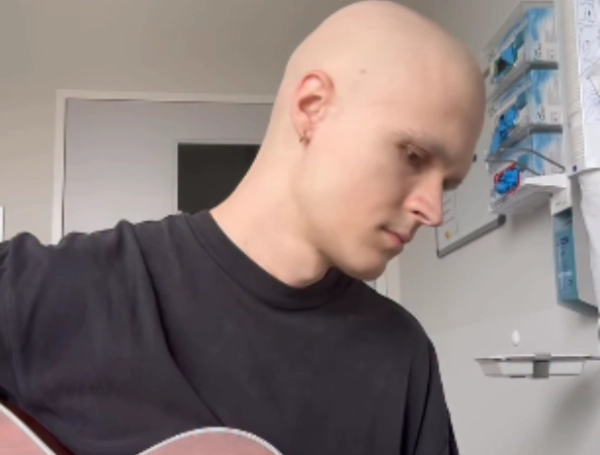
Throughout his hospitalization, Bent refused to let his identity be solely defined by his patient number. Finding solace in the very medium that had brought him to the threshold of success, he transformed his hospital room into a makeshift recording studio. With the permission of the medical staff, he utilized a compact setup—including a microphone interface and small speakers—to compose and record new demos.
For Bent, this was not just a hobby; it was an essential act of reclamation. "The music keeps me connected to the person I was before the diagnosis," he explained. It was this desire to maintain that connection that led him to do something he had initially feared: sharing his work with the world from behind hospital curtains.
A Viral Moment of Vulnerability
For months, Bent’s audience remained unaware of the battle he was fighting. That changed when he decided to record an acoustic version of his latest composition, "Heavy Smile." The song, a raw reflection on maintaining a positive disposition in the face of profound hardship, resonated deeply with his listeners.
"I was afraid to share it, to be honest," Bent admitted. "It felt strange to be so vulnerable." Yet, the decision to publish the video proved to be a watershed moment. The song’s message—that one can endure life’s heaviest burdens with a smile—struck a chord with thousands, turning the video into a viral symbol of resilience. The outpouring of support from his fans served as a vital emotional boost during his darkest days in the ward.

Implications for Public Awareness and Cancer Advocacy
Leif Bent’s story underscores several critical issues regarding health literacy and the unpredictable nature of cancer. The fact that an otherwise healthy 28-year-old could mistake the onset of leukemia for a common flu highlights the necessity of medical vigilance. Health experts emphasize that while many symptoms of leukemia (such as fatigue, bruising, and shortness of breath) overlap with common viral illnesses, persistent symptoms that fail to respond to standard treatment require immediate, deep-level investigation, including blood panels.
Furthermore, Bent’s experience brings to light the importance of the arts in patient recovery. Modern oncology is increasingly recognizing the role of "art therapy" and creative expression in managing the mental health toll of chronic and life-threatening diseases. By maintaining his artistic practice, Bent was able to assert a sense of agency over his environment, proving that the human spirit—when bolstered by passion—is a powerful component of the healing process.

Official Perspectives and Future Outlook
While Bent remains under strict medical observation, his progress has been categorized by his doctors as a "hopeful trajectory." The medical community, while cautious, points to his age and his initial physical condition as contributing factors to his stability. However, the path ahead remains long, involving ongoing monitoring and a delicate balancing act between recovery and his career aspirations.
In his public statements, Bent has expressed a humble hope that his narrative acts as a beacon for others. "I hope this story can inspire someone, even just one person, to keep going no matter what happens, and to chase their dreams," he said. As he continues to compose in the quiet hours of his recovery, the industry watches with bated breath—not just for his next album, but for his full return to health.

Leif Bent’s journey from the stages of Berlin to the silence of the ICU, and back to the resonance of his own music, is a testament to the endurance of the human will. It is a stark reminder that while we cannot always control the biological cards we are dealt, we can control the song we choose to sing in response. As he continues his treatment, Bent remains a symbol of the "heavy smile"—a person navigating the weight of life while choosing to look toward the light.