By: Editorial Desk, El Tiempo
In the digital age, viral sensations often emerge from the most unexpected places. However, few stories have captured the hearts of Colombian social media users quite like the journey of Dulce María, a rescue dog from Barranquilla whose adaptation to life in Bogotá has become a window into the intersection of animal behavior, regional identity, and the power of viral storytelling. Recently, Dulce María returned to the spotlight, confirming what her followers have long suspected: her roots in the Caribbean region are not just a geographical detail, but a core component of her personality.
The Genesis of a Viral Icon: From Barranquilla to Bogotá
The story of Dulce María began in the coastal city of Barranquilla, where she faced the harsh realities of life as a stray. Her fate took a definitive turn when she was rescued and adopted by the popular content creator Aleja Villeta. As with many rescue stories, the transition from a warm, tropical climate to the bustling, cooler environment of Bogotá was a significant life change for the canine.
What transformed a simple adoption story into a nationwide trend was Villeta’s observant documentation of the dog’s behavior. As the creator shared snippets of their daily life in the capital, followers began to notice a peculiar pattern: Dulce María appeared to be "selective" in her responsiveness. When addressed in a standard, neutral Spanish accent common in Bogotá, the puppy would often remain indifferent or aloof. However, the moment she heard expressions, inflections, or a distinct accent reminiscent of the Colombian Caribbean, her demeanor shifted instantly. She became alert, responsive, and visibly engaged.

This phenomenon quickly earned her the moniker "Costeñita Core," a playful nod to the popular "core" aesthetic trends on platforms like TikTok and Instagram. It suggested that, despite her new urban life, the "coastal" essence was hardwired into her behavior.
A Musical Experiment: Testing the "Costeñita" Hypothesis
On July 23, 2026, the fascination with Dulce María reached a new height. Aleja Villeta, in collaboration with singer Laura Pérez, decided to put a scientific—albeit humorous—twist on the theory. They sought to determine if the dog’s preference for her roots extended beyond language into the realm of music.

The premise was simple yet engaging: Would Dulce María show a discernible preference for music originating from the Andean region (often associated with "Rolos," the nickname for people from Bogotá) versus the vibrant, percussion-heavy rhythms of the Caribbean coast?
The Methodology of the Test
The experiment was meticulously set up to ensure a neutral environment. The creators explained the objective to their audience: "We adopted her into a ‘Rolo’ family, so she only understands when we speak in a coastal accent. Today, we want to see if she prefers Andean music or the music of the Caribbean."

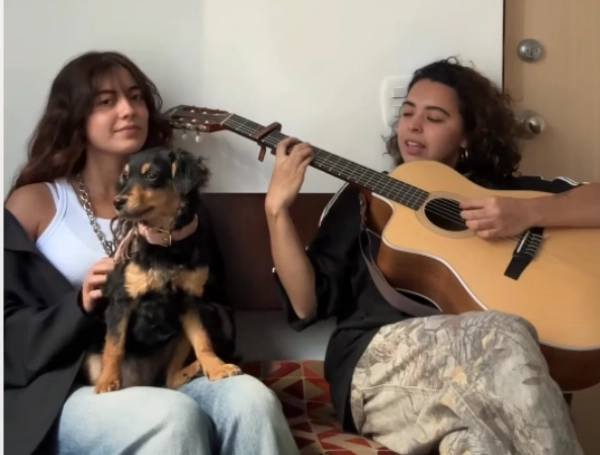
The first phase of the experiment involved the performance of "Una traga maluca," a popular track by the group Bonka. Despite the catchy, rhythmic nature of the song and the guitar performance, Dulce María remained unmoved. She showed no significant reaction, maintaining her calm demeanor as if the music were mere background noise.
The Turning Point: The Accordion’s Call
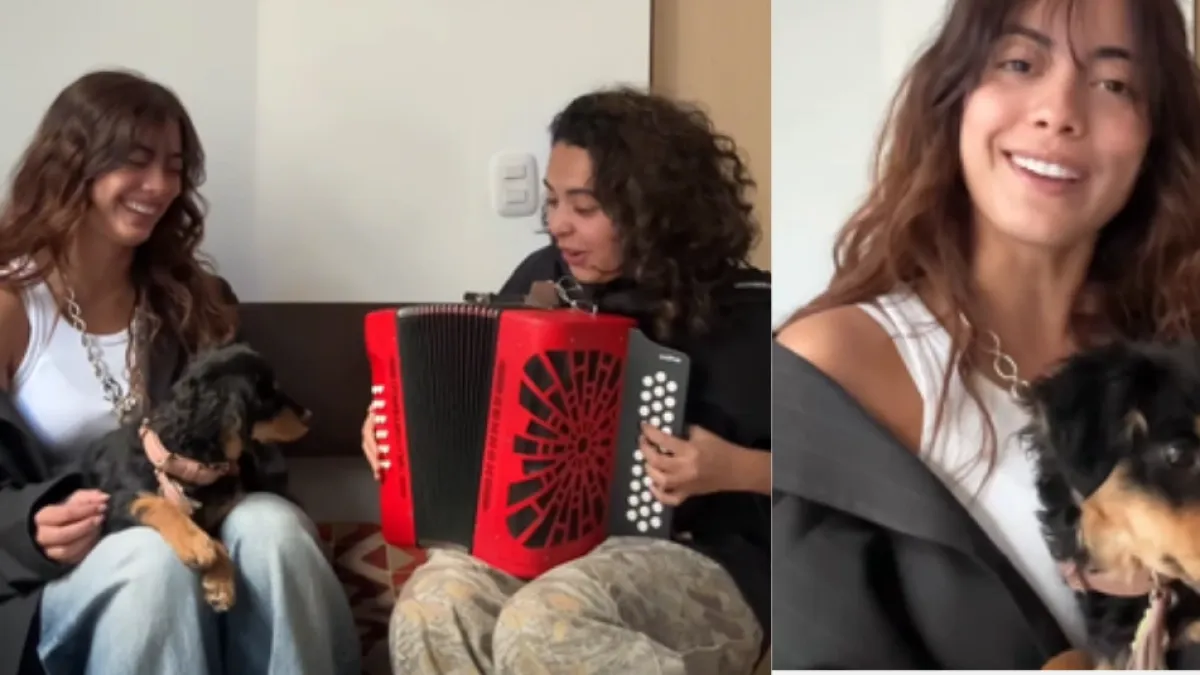
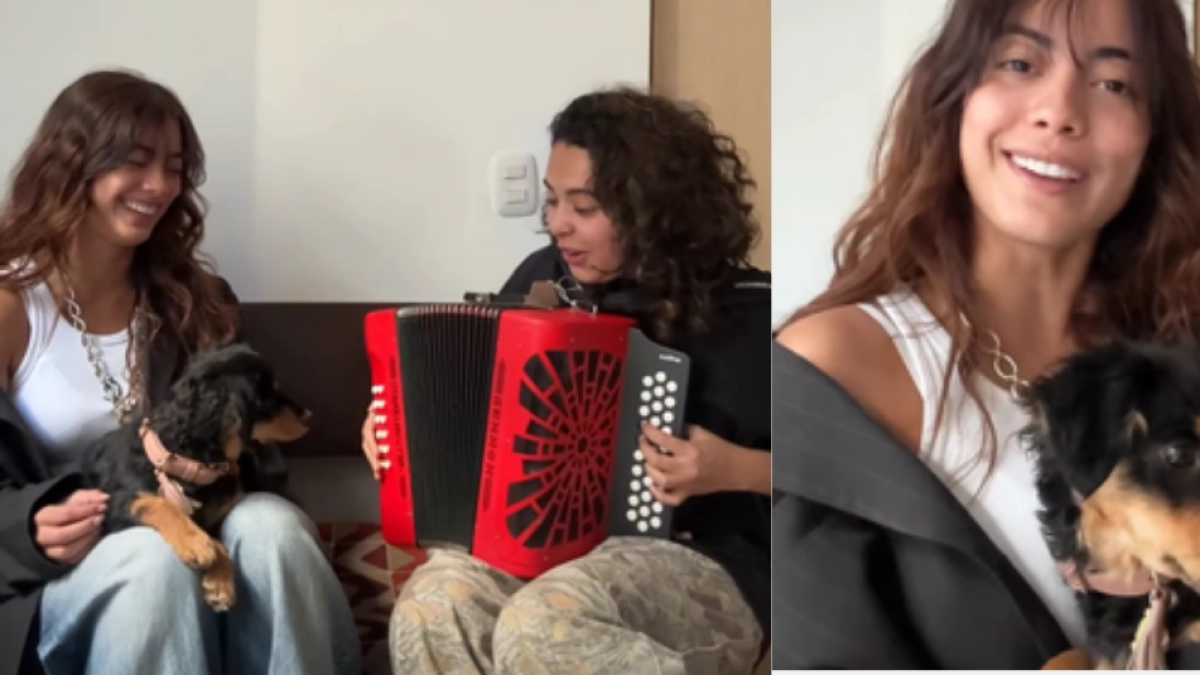
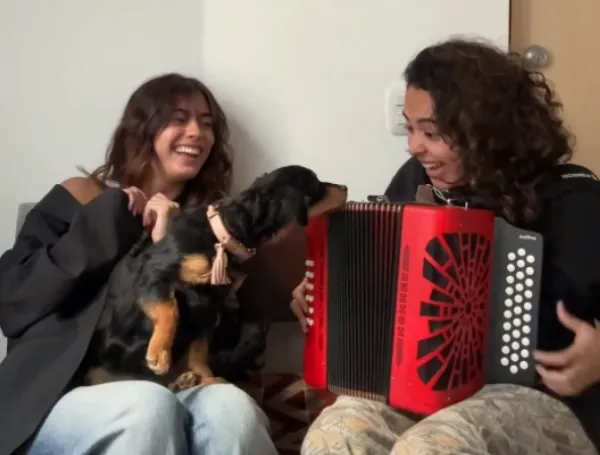
The atmosphere changed dramatically when Laura Pérez set aside the guitar and picked up an accordion to play "Tu cumpleaños," the classic vallenato anthem by Cocha Molina and Diomedes Díaz. As the first notes of the vallenato standard filled the room, the reaction was instantaneous.
Dulce María’s ears perked up, her posture shifted from sedentary to active, and she moved toward the musicians, remaining fixated on the source of the sound. The contrast was stark and immediate, providing the "proof" the creators—and their audience—were looking for. The scene was marked by laughter and celebration, as the participants jokingly acknowledged the dog’s clear cultural preference. "That’s it! Man, you play the accordion very well! My stepfather used to play it just like that," one of the creators exclaimed during the recording, cementing the lighthearted tone of the experiment.
The Sociological Implications: Why Do We Humanize Our Pets?
While the experiment was conducted in a spirit of humor and entertainment, it touches on deeper psychological and sociological themes regarding the human-pet bond.

The Projection of Identity
Experts in human-animal interaction often note that owners frequently project their own cultural identities onto their pets. In the case of Dulce María, the "Costeñita Core" trend allows followers to explore themes of migration and regional identity within Colombia. By attributing a "coastal identity" to the dog, the audience is engaging in a communal narrative about the experience of moving from the coast to the interior of the country—a common migratory path in Colombia.
The Role of Familiarity in Canine Behavior
From a behavioral standpoint, it is highly likely that Dulce María’s reaction is less about a love for vallenato and more about the subconscious associations formed during her formative months. Sounds, tones, and the acoustic profiles of specific regional musical genres can trigger familiarity. If the puppy was exposed to these sounds during her time in Barranquilla, her reaction is a display of sensory memory rather than musical taste.
Community Response and Viral Impact
The video, as expected, triggered a wave of engagement across social media platforms. The comments section became a space for collective storytelling, with followers contributing their own humor to the narrative.
- "This dog needs to be fed kibble flavored with yuca and suero," one user quipped, referencing classic coastal side dishes.
- "I propose that you host a full parranda vallenata for her," suggested another, highlighting the deep cultural appreciation for the genre in the region.
- Many others insisted that the puppy "never forgets her roots," a sentiment that resonated deeply with the diaspora of coastal Colombians living in Bogotá and abroad.
The viral nature of the content is a testament to the power of "relatable" pet content. In a digital landscape often dominated by highly produced content, the authentic, unscripted reaction of a rescue dog provides a sense of warmth and continuity that followers find addictive.

Beyond the Trend: The Importance of Rescue Advocacy
While the "Costeñita Core" trend is the primary driver of engagement, it is important to acknowledge the underlying message that Aleja Villeta consistently promotes: the value of adoption. By showcasing the unique personality and intelligence of a rescued dog, Villeta encourages her followers to consider adoption as a primary path to finding a companion.
The story of Dulce María serves as a reminder that every rescue dog carries a history—a set of experiences, sounds, and environments that shape who they are. Whether it is an affinity for vallenato or a response to a specific accent, these "quirks" are often the remnants of the lives these animals lived before they found their forever homes.

Conclusion: A Continued Journey
As the video continues to circulate, it is clear that Dulce María has transcended the status of a simple household pet to become a mascot for regional pride and the joy of pet ownership. For Aleja Villeta and her followers, the experiments are far from over. With every new post, the community grows, united by the simple, endearing charm of a dog who—no matter how far she travels from the Caribbean—remains, in the hearts of her fans, a true costeña.
The phenomenon of the "Costeñita Core" is a reflection of the modern digital landscape, where the barriers between private life and public entertainment continue to blur. As we look forward to future updates on Dulce María, it is certain that her next "experiment" will be met with the same level of enthusiasm and affection from a public that has found, in this small rescue dog, a source of joy, laughter, and a profound sense of connection to the rich cultural tapestry of Colombia.