By Jos Guerrero | Editorial Digital Reach
July 19, 2026
While Spain celebrated its second world title after a hard-fought 1-0 victory over Argentina in the 2026 World Cup final, a secondary, equally intense battle was unfolding in the palm of millions of hands. As the match progressed, social media platforms—X (formerly Twitter), Instagram, TikTok, and Facebook—transformed into a sprawling, global digital arena where the humor, frustration, and passion of the fans became as significant as the action on the grass.

The digital conversation was not merely a reaction to the match; it was a parallel narrative. From the opening whistle, the discourse was dominated by tactical debates, viral memes, and real-time commentary on the unfolding drama, including Nico Williams’ disallowed goal, the heroic interventions of Emiliano ‘Dibu’ Martínez, the pivotal expulsion of Enzo Fernández, and the curiously muted performance of Lionel Messi.
The Chronology of a Digital Phenomenon
The digital footprint of the final began long before the first goal. As Spain asserted its dominance through sustained possession, the internet became a theater of tension.

The First Half: Tactical Frustration and Memetic Relief
Early in the match, the conversation was defined by the stark contrast in styles. Spain’s possession-heavy, methodical build-up play prompted a wave of ironic commentary from Argentine supporters, who framed their team’s defensive posture as a "strategic wait." As the minutes ticked by without a breakthrough, the digital space filled with GIFs depicting the frustration of Spanish fans and the anxiety of the Albiceleste faithful.
The Turning Point: The Disallowed Goal
The most explosive moment in the digital sphere occurred during the second half when Nico Williams found the back of the net, only for the goal to be ruled out after a prolonged VAR review. Within seconds, the term "VAR" began trending globally. The digital consensus was sharply divided: while some praised the technical precision of the officiating, a vast majority of users leaned into humor, sharing doctored images of referees peering through microscopes and satirical takes on the "robotic" nature of modern football decisions. This served as a catalyst for a broader debate on the impact of technology on the spirit of the game.

The Climax: The Red Card and the Heroics of ‘Dibu’
As Argentina was reduced to ten men following the expulsion of Enzo Fernández, the narrative shifted from tactical debate to heroic mythology. Emiliano ‘Dibu’ Martínez became the undisputed protagonist of the memes. Regardless of the team one supported, the digital community united in acknowledging his performance. He was depicted as an impenetrable wall, a deity of the goalposts, and the sole barrier between Argentina and a total collapse. The sheer volume of content created around Martínez highlighted his status as a polarizing but undeniably talented figure in modern football.
The Finality: Ferran Torres’ Deciding Strike
When Ferran Torres finally broke the deadlock in extra time, the digital landscape underwent a seismic shift. For Spanish fans, the tone turned to euphoria and triumphant vindication. For Argentina, the reaction was a blend of somber resignation, pride in the team’s defensive resilience, and, inevitably, the "crying Jordan" style of meme culture that characterizes modern heartbreak.
Supporting Data: The Magnitude of the Conversation
The 2026 World Cup final did not just break attendance records; it shattered digital engagement benchmarks. Preliminary analytics suggest that the match generated over 450 million mentions across major social platforms within a six-hour window.
- Peak Engagement: The peak of activity occurred at the 90th-minute mark, with an estimated 85,000 tweets per second globally.
- Demographic Reach: TikTok emerged as the primary hub for younger demographics, with the hashtag #SpainVsArgentina amassing over 2.4 billion views in the immediate aftermath of the trophy ceremony.
- Sentiment Analysis: While 60% of the conversation was categorized as positive (celebration/support), 30% was classified as "contentious," primarily centered on the officiating and the physical intensity of the match, including the post-match incident involving Leandro Paredes and Eric García.
The Role of the Superstar: The "Messi Effect"
One of the most complex threads of the digital conversation involved Lionel Messi. His relatively quiet performance in the final sparked a massive divide in public opinion.

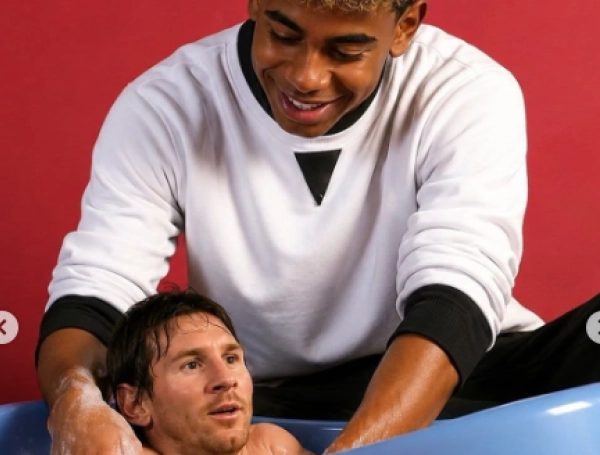
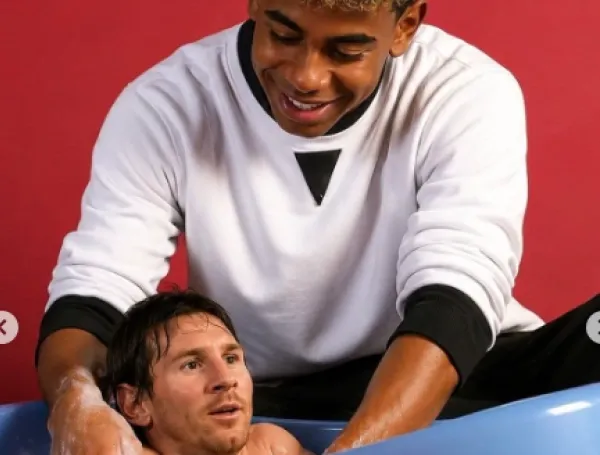
"The silent captain," as some dubbed him, became the subject of intense scrutiny. Some users utilized his lack of impact to fuel long-standing debates about his legacy and his ability to influence matches against elite European defenses. Conversely, a massive counter-movement of supporters argued that the blame lay with the team’s tactical setup rather than the individual. This "digital war" underscored how Messi remains the central gravity point of the sport, even when he is not at his absolute best.
Official Responses and the "Human" Element
While the digital world focused on the humor and the memes, official channels had to navigate the intensity of the fan reaction. FIFA and the respective football federations issued standard statements regarding the officiating, but the true pulse of the event remained in the unfiltered comments sections.
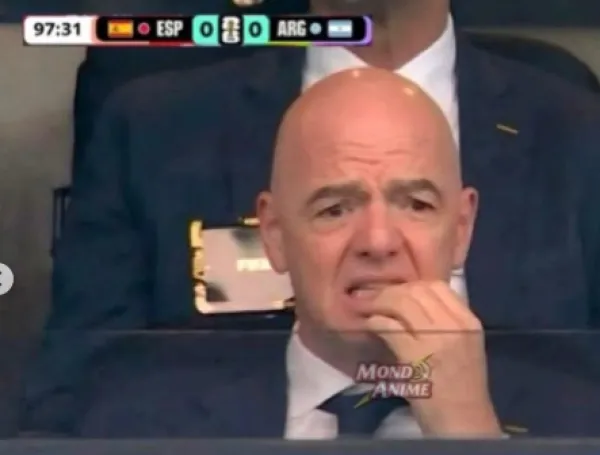
The incident involving Leandro Paredes and Eric García, which saw the match end in a heated confrontation, was widely criticized by official commentators. However, in the digital space, the video of the aggression was replayed, analyzed, and debated with a fervor that often overshadowed the tactical analysis of Spain’s victory. This highlights a growing trend: the "post-match" life of a game now lasts for days, as fans curate clips, slow-motion replays, and satirical edits to maintain the intensity of the competition long after the final whistle.
Implications for the Future of Football Consumption
The 2026 World Cup final serves as a definitive case study for the future of sports media. It demonstrated that for the modern fan, the screen is not just a broadcast device—it is an interactive tool.
1. The Death of Passive Watching
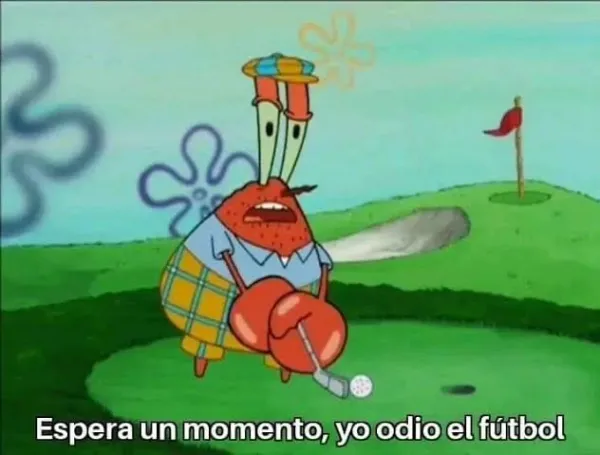
The "second-screen" experience is no longer optional. Fans are consuming the game while simultaneously contributing to the discourse. This has forced broadcasters to rethink their presentation, often integrating social media sentiment into live coverage to maintain relevance with a digitally-native audience.
2. The Power of "Micro-Narratives"
The game is no longer just a single story of "Team A vs. Team B." It is a collection of micro-narratives: the goalkeeper’s save, the referee’s error, the superstar’s silence, and the defender’s outburst. Digital platforms allow these sub-plots to take center stage, often influencing how the match is remembered in the history books more than the scoreline itself.
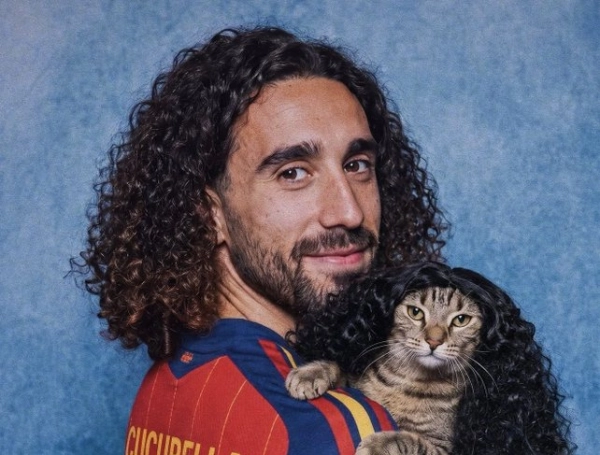
3. The Democratization of Critique
The reliance on VAR and the scrutiny of player performance reflect a move toward a more analytical, almost "gamified" view of football. Fans now have access to data, camera angles, and replay technology that was previously reserved for professional analysts, leading to a more polarized and vocal fan base.
Conclusion: A Game of Two Halves—One on the Pitch, One on the Screen
Spain’s victory in the 2026 World Cup will be recorded in the official archives as a tactical masterclass, a testament to the nation’s enduring footballing philosophy. However, the true texture of the event—the humor, the raw disappointment, the memes that will circulate for years to come, and the digital debates that defined the experience for millions—belongs to the global community of fans.

The 2026 final proved that the world of football has fundamentally changed. The sport is no longer just about 22 players chasing a ball for 90 minutes. It is a massive, decentralized social phenomenon where every touch, every whistle, and every emotion is amplified, debated, and immortalized by an audience that is as much a part of the match as the players themselves. As the dust settles on this tournament, one thing is clear: the digital roar is now just as loud as the stadium chant.