
By Editorial Staff
Updated September 25, 2026, 5:30 P.M.
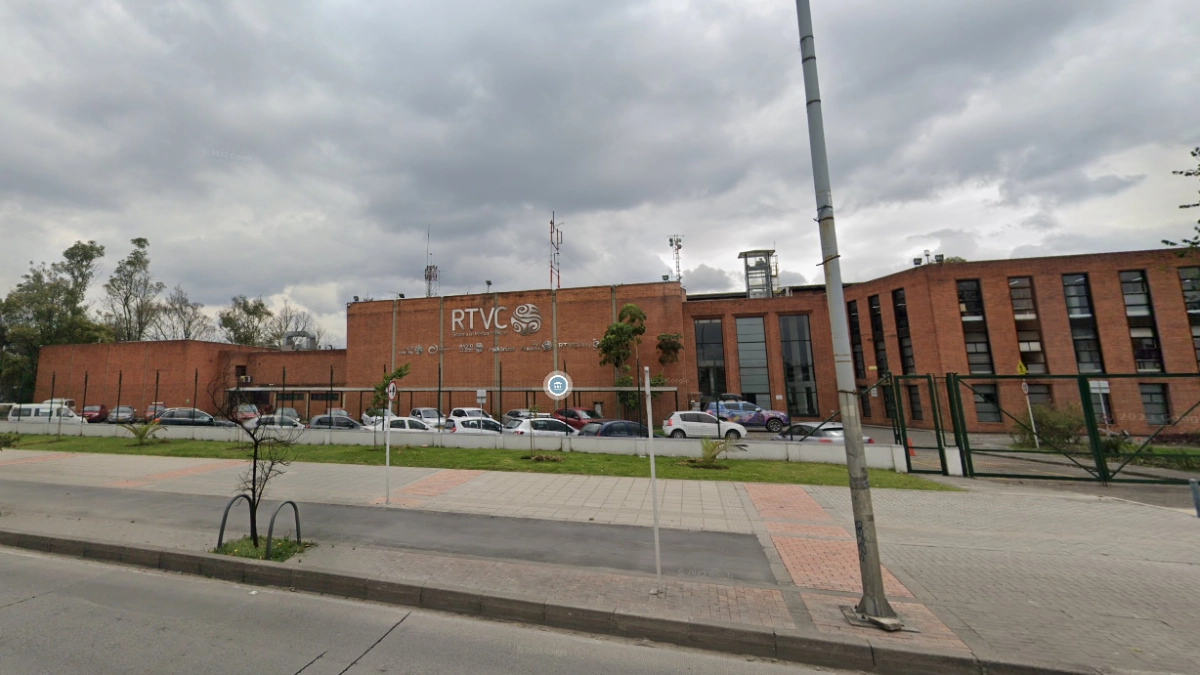
The Radio Televisión Nacional de Colombia (RTVC), the nation’s public media system, is currently navigating a period of profound institutional uncertainty. Following an internal audit and a subsequent formal declaration issued through its official communication channels, the entity has leveled serious allegations against its previous administration, accusing it of engaging in high-risk financial practices that have placed the very survival of the country’s public broadcast network in jeopardy.
According to the current leadership, the legacy left behind by the prior management team is characterized by a significant shortfall in resources and the acquisition of liabilities that far exceed the entity’s actual budgetary capacity. These revelations have sparked a national debate regarding the oversight of public funds within the media sector and the potential for a blackout of public radio and television signals across vast swaths of Colombian territory.
The Core Allegations: A Structural Financial Collapse
The crux of the crisis lies in the disclosure that the previous administration entered into financial commitments—primarily involving concerts, large-scale events, and production contracts—without securing the necessary funding to cover even the most basic operational obligations.
As of August 31, 2026, RTVC reported a staggering deficit. The data released by the entity paints a bleak picture: a shortfall of $148.391 billion pesos in expected income, compounded by additional commitments totaling $44.303 billion pesos that exceeded the resources actually received.
This gap between expenditure and reality has created a "critical financial situation," as described by the current administration. The primary concern is that the funds were diverted into discretionary projects, leaving no liquidity to cover essential expenses, including utility bills for broadcasting centers and, perhaps most alarmingly, the lease payments for the transmission towers and infrastructure that keep public radio and television on the air.

Chronology of the Crisis: From Management Oversight to Public Denunciation
To understand how a national entity reached this point of insolvency, it is necessary to examine the timeline of events that led to the current state of emergency.
Early 2026: The Initial Warning Signs
While the full extent of the damage was only recently disclosed, internal observers noted that the first months of 2026 were marked by an aggressive push toward event production and public outreach campaigns. At the time, these initiatives were framed as efforts to increase the visibility of public media. However, financial controllers within the organization began to raise questions regarding the source of funding for these ventures as early as the first quarter.
Mid-2026: The Audit Process
Following a change in administrative leadership, an exhaustive audit was launched to reconcile the books. The findings were immediate and concerning. Auditors identified that the budgetary process for the previous fiscal year had been based on optimistic projections rather than verified income. This "optimistic accounting" allowed the previous administration to sign contracts for services that the entity could not afford.

September 2026: Public Disclosure
On September 25, 2026, the entity formally went public with its findings. The communication was direct, aimed at informing the public that the "continuity of radio and television services" was under threat. The release of the $148 billion deficit figure served as a catalyst for immediate alarm among policy-makers and the public, signaling that the issue was no longer a mere administrative disagreement but a threat to national media infrastructure.
Supporting Data: Dissecting the Deficit
The financial figures provided by RTVC are not merely abstract numbers; they represent a breakdown in the fiscal discipline required of a state-run entity. The breakdown of the $192.6 billion total shortfall (combining the income deficit and the excess commitments) can be categorized into three major areas of concern:
- Project-Based Debt: The reliance on high-cost, temporary events (concerts/festivals) over long-term infrastructure maintenance.
- Infrastructure Underfunding: The neglect of fixed-cost obligations, such as energy costs for transmission antennas and the rental of broadcast facilities.
- Budgetary Over-extension: The commitment of funds that were predicated on future government grants or advertising revenues that failed to materialize.
The danger of this model is that it treats a public service provider as a commercial enterprise with high-risk exposure, ignoring the fact that RTVC’s mandate is the provision of information and education, which requires stable, predictable financing.
Official Responses and Administrative Action
The current management of RTVC has stated that it is in the process of taking legal action to address what it terms "fiscal irresponsibility." While the specific names of those held responsible for the previous administration’s decisions have not been released in full, the entity has promised a thorough investigation involving national control bodies, including the Comptroller General’s Office (Contraloría) and the Prosecutor’s Office (Fiscalía).
"We have been left with a legacy of empty coffers and obligations that were never backed by actual cash," a spokesperson for the current administration stated. The administration is currently seeking emergency fiscal interventions from the Ministry of Finance to prevent an immediate cessation of services.
Critics of the previous administration, including members of the legislative branch, have called for a complete audit of the procurement processes conducted during that period. The conversation has also shifted to the "politicization" of the media system, with many arguing that the focus on large-scale events was a strategy to enhance political branding at the expense of the organization’s foundational mission.

Implications: The Risk of a National Media Blackout
The most pressing implication of this financial crisis is the potential for a total blackout of public broadcast signals. RTVC operates a vast network of transmitters that provide the only source of radio and television in remote and rural areas of Colombia.
If the entity fails to meet its rental and utility obligations, the companies that own these transmission sites are legally entitled to cut power or reclaim access to the facilities. Such a scenario would leave millions of citizens—particularly those in marginalized, conflict-affected, or geographically isolated regions—without access to public information, emergency alerts, or educational content.
The Impact on Public Discourse
Beyond the physical risk to infrastructure, there is the ideological impact. Public media is designed to serve as a counterweight to commercial interests and a pillar of democracy. When this system is paralyzed by mismanagement, it leaves the information space to be dominated by private entities, potentially shrinking the diversity of voices in the national discourse.

Long-term Financial Recovery
The path forward will likely require a painful period of austerity. To restore financial health, RTVC will likely have to:
- Cancel pending, non-essential contracts: Re-evaluating the value and necessity of all current production projects.
- Renegotiate debt: Working with creditors to restructure the $44 billion in excess commitments.
- Regulatory Reform: Strengthening the internal controls that prevent any future administration from committing funds beyond their actual, verified availability.
Looking Ahead: A Call for Accountability
As the situation develops, the citizens of Colombia are looking to the government for clarity and solutions. The promise of "more updates soon" from RTVC indicates that the full extent of the fallout is still being uncovered.
This crisis serves as a stark reminder of the vulnerability of public institutions when they are treated as extensions of executive whims rather than as independent, fiscally responsible pillars of the state. Whether the current administration can successfully navigate this financial storm without a total service disruption remains to be seen. What is clear, however, is that the era of "high-risk" financial management at RTVC has come to an abrupt and tumultuous end, leaving behind a legacy that will be under scrutiny for years to come.

Stay tuned to this developing story as we continue to track the legal, financial, and operational updates regarding the RTVC crisis.