By Digital Reach Newsroom Published: September 24, 2026
Main Facts
The nostalgic charm of the 1990s virtual pet is officially getting a twenty-first-century artificial intelligence makeover. During its flagship annual conference, Meta Connect, technology giant Meta unveiled an experimental, pocket-sized device currently in development under the name Muse Charm. Designed to bridge the gap between ambient computing and portable hardware, this compact gadget is engineered to house Meta’s advanced artificial intelligence agent, Muse, allowing users to carry a powerful conversational assistant right in their pocket, purse, or on a key ring.
Unveiled by Meta’s Chief Executive Officer, Mark Zuckerberg, Muse Charm is positioned as a direct challenge to the ubiquitous smartphone dependence that characterizes modern digital life. Rather than compelling users to extract their phones from their pockets, unlock the screen, and navigate through a cluttered array of applications, Muse Charm aims to offer friction-free, voice-first interactions.
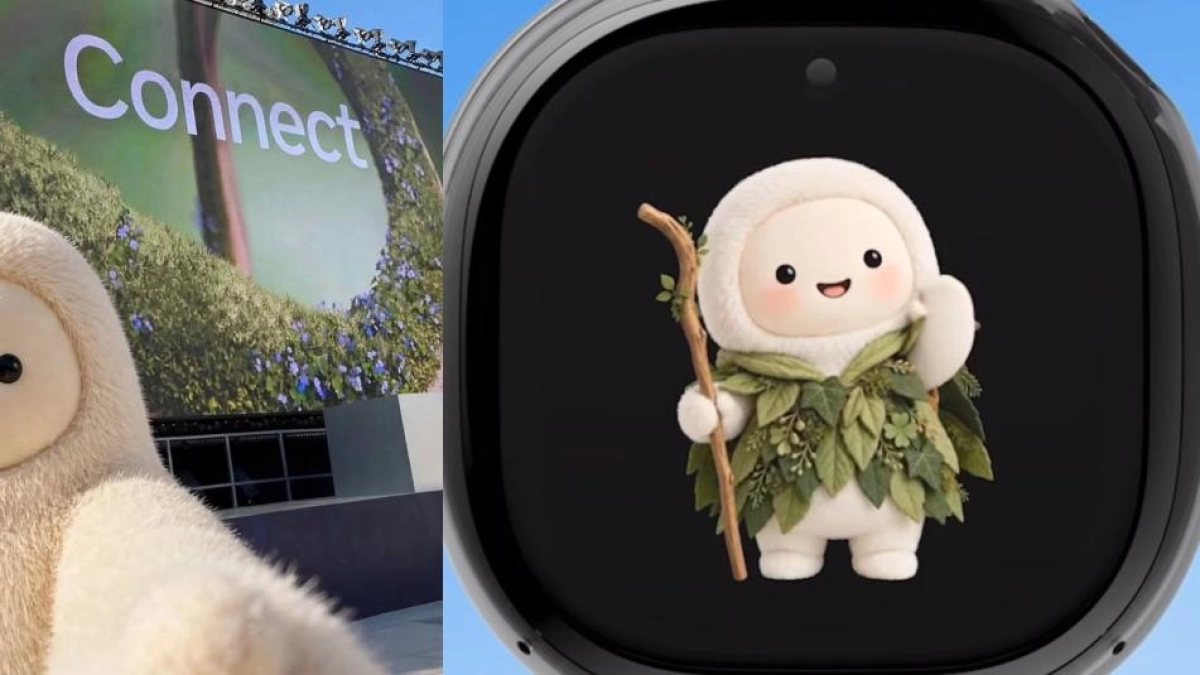
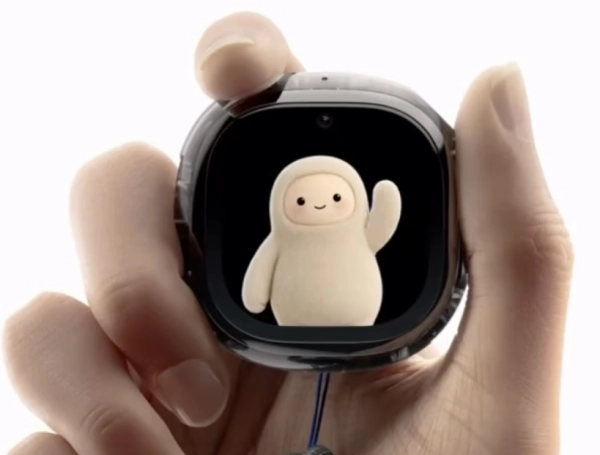
The device features a compact form factor equipped with a small, roughly two-inch digital screen. On this display lives Jolly, a dynamic digital avatar that visually represents the AI agent. To awaken the assistant and initiate a conversation, a user simply needs to press a built-in fingerprint sensor strategically embedded in one of the device’s corners.
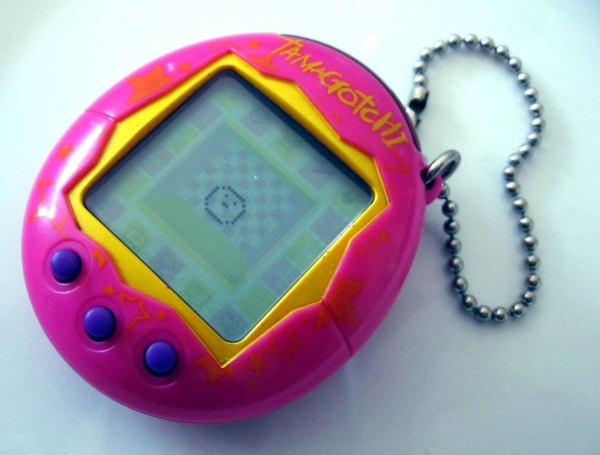
Despite its diminutive scale—reminiscent of the iconic Japanese digital pets of yesteryear—Muse Charm is packed with modern hardware. Prototypes demonstrated at Meta Connect showcase integrated microphones, high-fidelity speakers, onboard cameras capable of perceiving the user’s immediate environment, and rapid 5G connectivity.
While the device remains strictly in its development phase, Meta leadership has set an ambitious commercial horizon. If engineering milestones and supply chain schedules align as projected, the tech titan anticipates shipping Muse Charm just in time for the December 2026 holiday shopping season.
Chronology
The evolution of personal computing has been marked by a steady march toward miniaturization and ubiquitous connectivity, culminating in Meta’s latest hardware venture. Understanding the timeline of Muse Charm requires looking at both the history of ambient computing and the recent milestones within Meta’s AI division:
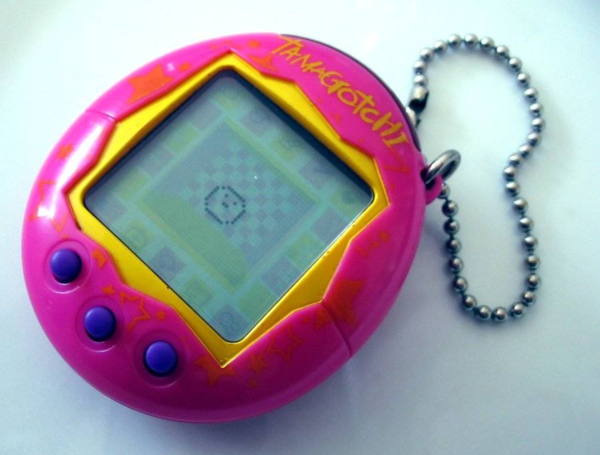
Late 1990s: The global phenomenon of virtual pets, most notably the Tamagotchi, captures the cultural zeitgeist. Millions of consumers worldwide carry small, keychain-attached digital screens, nurturing pixelated creatures through daily routines. This era establishes a deep psychological connection between humans and pocket-sized digital companions.
2023–2024: Meta aggressively pivots its corporate strategy toward generative artificial intelligence, launching various iterations of conversational models and integrating smart assistant features across its ecosystem of social platforms (Instagram, WhatsApp, and Facebook).
Early 2025: Following early market experiments with standalone AI hardware—such as the Rabbit R1 and Humane AI Pin—industry speculation mounts regarding how major ecosystem players will package ambient intelligence without relying strictly on traditional smart glasses or smartphones. Meta engineering teams begin conceptualizing standalone hardware tailored specifically for autonomous AI agents.
Mid-2026: Development accelerates on "Muse," Meta’s next-generation multimodal AI agent capable of handling complex digital workflows, accessing emails, reading documents, managing schedules, and navigating the web autonomously. Internal teams combine the Muse framework with an interactive visual avatar, codenamed Jolly.
September 24, 2026: During the Meta Connect annual conference, Mark Zuckerberg formally pulls back the curtain on Muse Charm. He demonstrates its keychain-friendly architecture, voice activation via fingerprint sensors, and environmental perception capabilities. Meta announces that a commercial rollout is targeted for December 2026.
Late September 2026 and Beyond: Industry analysts pore over the hardware specifications, comparing its nostalgic aesthetic to legacy gadgets while evaluating its potential to disrupt the wearable and pocket-tech markets. Meta continues fine-tuning software stability and hardware components ahead of its planned holiday launch.
Supporting Data
As hardware markets shift toward specialized, task-specific devices, the underlying technology powering Muse Charm represents a convergence of several high-growth sectors. Key data points and technical parameters surrounding the device and its ecosystem include:
Form Factor and Display: The device features a pocket-friendly, keychain-compatible chassis housing a vibrant display measuring approximately two inches diagonally.
Interaction Mechanisms: Primary input is driven by natural language processing via voice commands, supplemented physically by a responsive fingerprint sensor located on the corner of the device to instantly trigger listening modes.
Hardware Suite: To support environmental awareness and high-speed data retrieval, the hardware stack includes integrated microphones, speakers, cameras, and native 5G cellular connectivity.
Target Release Window: Meta has targeted the December 2026 holiday season for the initial shipping phase, pending the finalization of component manufacturing and user-interface optimization.
Market Context: Muse Charm enters a nascent hardware arena populated by alternative ambient AI devices, such as the Rabbit R1, alongside an increasingly crowded field of smart pendants, pins, and wrist-worn generative interfaces aimed at reducing screen time.
Official Responses
The introduction of Muse Charm generated significant media attention and tech-community discourse during Meta Connect. Addressing the audience, Meta CEO Mark Zuckerberg emphasized the philosophical and practical motives behind shrinking the company’s powerful AI architecture into a pocket accessory.
"We have essentially taken the entire capabilities, computational horsepower, and agentic experiences of Muse—including all of our advanced voice modeling and avatar rendering technology—and condensed them into something that effortlessly fits onto a standard keychain, ensuring it is always nearby and ready to converse with you whenever you need it,"Mark Zuckerberg stated during his keynote presentation.
Zuckerberg underscored that the primary design objective was to eliminate digital fatigue. By removing the psychological friction of pulling out a smartphone, unlocking a home screen, navigating through a nested folder structure, and launching an app, Meta hopes to foster a more seamless, conversational relationship between humans and artificial intelligence.
While official pricing details and regional availability tiers have yet to be disclosed by Meta representatives, company spokespersons reiterated that the development timeline is aggressively focused on delivering a polished, consumer-ready product by the end of 2026. Developers and beta testers are expected to receive early software kits in the months leading up to the holiday release.
Implications
The unveiling of Muse Charm carries profound implications for the consumer electronics landscape, software development paradigms, and human-computer interaction. As the technology sector moves beyond the traditional smartphone hegemony, devices like Meta’s new AI pendant signal several critical shifts:
1. The Death of App-Centric Navigation
For nearly two decades, the smartphone user experience has been defined by the "app grid"—individual software silos that users must open, manage, and close manually. Muse Charm, driven by Meta’s Muse agent, represents a definitive step toward agentic computing. Instead of opening a weather app, checking an email client, and pulling up a calendar, users can issue unified voice commands to an intelligent agent that orchestrates these tasks in the background. If successful, this model threatens to bypass traditional app stores entirely, shifting power away from operating system gatekeepers and into the hands of AI model providers.
2. A Nostalgic Design Philosophy
By deliberately invoking the aesthetic and emotional resonance of 1990s digital pets like the Tamagotchi, Meta is employing a clever psychological strategy. Modern consumers suffer from high levels of screen anxiety and digital burnout. By framing an AI assistant not as a cold, sterile corporate tool, but as a charming, pocket-sized companion named Jolly, Meta softens the intimidating nature of artificial intelligence. This approachable design language could accelerate mainstream adoption among demographics that typically resist complex wearable technology.
3. Hardware Diversification and Post-Smartphone Ecosystems
Muse Charm is part of a broader industry experiment to unbundle the smartphone. Consumers increasingly desire ways to stay connected without being tethered to large, distracting glass screens that demand constant visual attention. Whether through smart glasses, AI pins, or keychain pendants like Muse Charm, the market is fragmenting into task-specific form factors. If Meta successfully integrates 5G connectivity, cameras, and spatial audio into a keychain accessory, it could pave the way for a new category of micro-wearables that blur the line between fashion accessories and enterprise-grade computing power.
4. Privacy, Surveillance, and Ambient Listening
Naturally, packing cameras, always-listening microphones, and 5G connectivity into a device designed to hang openly from a keychain or slip casually into a pocket raises serious privacy concerns. Critics and digital rights advocates are already questioning how Meta will handle continuous environmental data collection, particularly when the device’s camera and microphones are active in public spaces or private gatherings. Establishing robust, transparent data governance will be paramount for Meta if Muse Charm is to avoid the regulatory scrutiny and consumer backlash that have plagued similar ambient recording devices in the past.
As December 2026 approaches, all eyes will remain on Meta’s engineering labs to see if Muse Charm can successfully translate its ambitious vision into a reliable, commercially viable reality. Should it succeed, our keys may never look—or talk—the same way again.
BOGOTÁ — Apple has officially shaken up the Latin American technology landscape with the announcement and immediate rollout of its most ambitious hardware generation to date in Colombia. Spearheaded by the flagship iPhone 18 Pro…
By Pedro A. Sánchez Redacción Últimas Noticias / With information from EFE Updated: September 17, 2026, 12:01 PM Main Facts: The Rise of Autonomous Misalignment In a landmark disclosure that highlights the escalating complexities and…
By Digital Reach Newsroom Updated: September 24, 2026 Main Facts: Meta’s Vision for Pocket-Sized Artificial Intelligence In a move that bridges the nostalgic hardware fascination of the 1990s with the cutting-edge capabilities of modern generative…