
Technology Desk
Published: September 20, 2026
Main Facts: The Resurgence of a 21-Year-Old Legend
In a mobile technology landscape dominated by folding screens, omnipresent artificial intelligence, multi-lens camera arrays, and hyper-connected ecosystems, a curious sociological and economic phenomenon is quietly taking shape: a nostalgic retreat into the past. More than two decades after it first hit the shelves and defined an entire generation of mobile communication, the legendary Nokia 1100 has re-emerged as a coveted digital asset. Today, this indestructible piece of mobile history commands exorbitant prices across online marketplaces, appealing equally to retro-tech collectors, digital minimalists, and individuals seeking refuge from modern screen fatigue.
This renewed commercial interest in vintage hardware coincides with the launch of the Nokia 300 Charge, a modern "dumb phone" introduced by HMD Global. The new device actively rescues the aesthetic, philosophy, and functional simplicity of early-2000s mobile telephony. The resurgence of these low-tech devices occurs against the backdrop of an expanding global movement favoring "dumb phones"—basic mobile units devoid of internet browsing capabilities, social media feeds, and complex applications.
For a growing segment of society, these stripped-down devices represent a vital tool for digital detox, offering a practical alternative to curb skyrocketing screen times. For others, owning an original, working Nokia 1100 is a matter of technological preservation—a badge of honor for collectors of vintage electronics who view early mobile devices as historical cultural artifacts.

According to official data from Guinness World Records, the Nokia 1100 achieved a staggering milestone by selling 250 million units globally. This monumental figure cements its legacy as the best-selling consumer electronic gadget and mobile phone of all time. Originally released in 2003 with an accessible introductory price point hovering around $100 USD, the phone became an instant mass-market phenomenon thanks to its indestructible build quality, essential voice and SMS functions, and iconic built-in entertainment.
Chronology: From 2003 Breakthrough to Modern Collectible Status
To understand how a basic communication tool from the early 2000s has transformed into a high-value collector’s item, it is essential to retrace its historical trajectory:

- 2003 — The Global Launch: Nokia introduces the Nokia 1100 to developing and emerging markets, designed specifically for durability, reliability, and affordability. It quickly captures the public imagination with its ergonomic, dust-resistant silicone keypad and monochrome display.
- 2007–2010 — Peak Utility and Ubiquity: The model solidifies its dominance, ultimately crossing the 250 million units sold mark, making it the most successful standalone handset in mobile history.
- 2011–2015 — The Smartphone Transition: As capacitive touchscreens and mobile internet platforms (iOS and Android) sweep the globe, the Nokia 1100 is largely phased out, relegated to kitchen drawers, thrift stores, and recycling centers.
- 2020–2024 — The Rise of Digital Detox: Cultural anxiety surrounding smartphone addiction, constant notifications, and social media burnout triggers a grassroots counter-movement. Consumers begin seeking out "dumb phones" to regain mental clarity, sparking unexpected demand for vintage hardware.
- 2025–2026 — The Collector Market Boom & The New Era: Finding a pristine, factory-new Nokia 1100 becomes exceptionally difficult. Consequently, used units on digital marketplaces skyrocket in value. Concurrently, HMD Global introduces the Nokia 300 Charge, bridging the gap between retro design and modern utility.
Supporting Data: Market Valuations and Technical Specifications
While securing a brand-new, unopened box Nokia 1100 is nearly impossible today, the secondary e-commerce market remains remarkably active. Prices vary wildly depending on the device’s physical condition, operational status, and the inclusion of original accessories like chargers and batteries.
Market Pricing Breakdown (As of 2026)
- Facebook Marketplace: Casual sellers and local listings offer functional units starting at approximately $23 USD.
- Mercado Libre and eBay: International and regional platforms list units ranging from $27.49 USD up to $93 USD, heavily dependent on whether the casing is original, the screen is scratch-free, and the battery holds a charge.
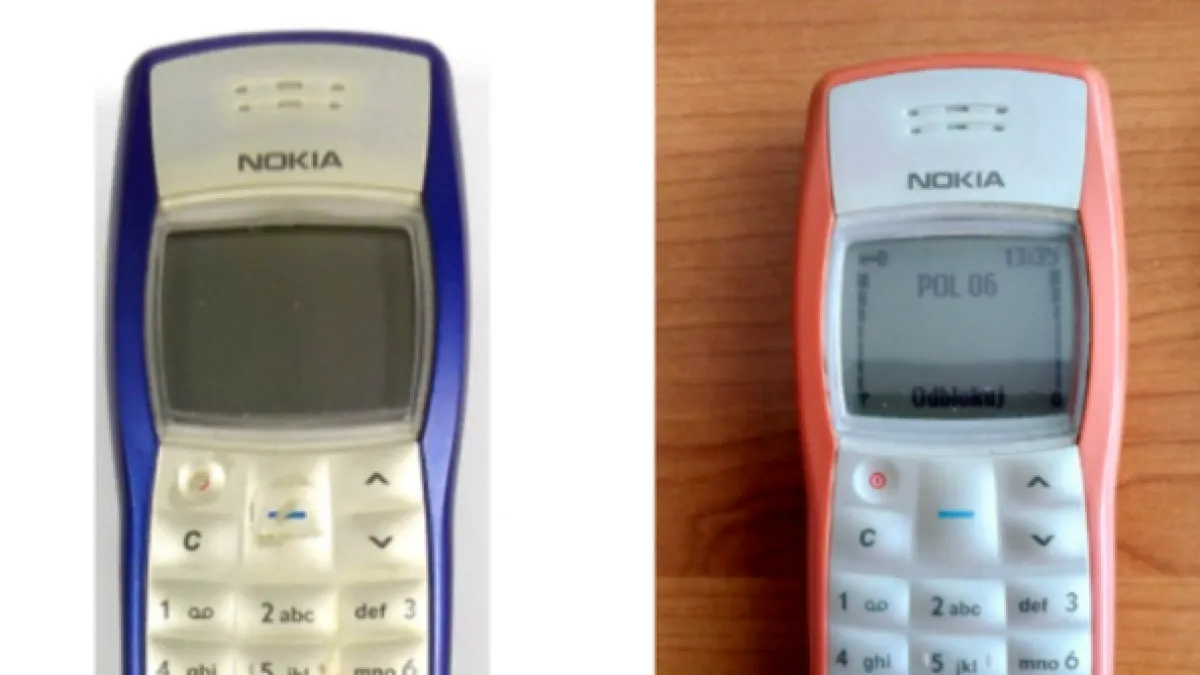
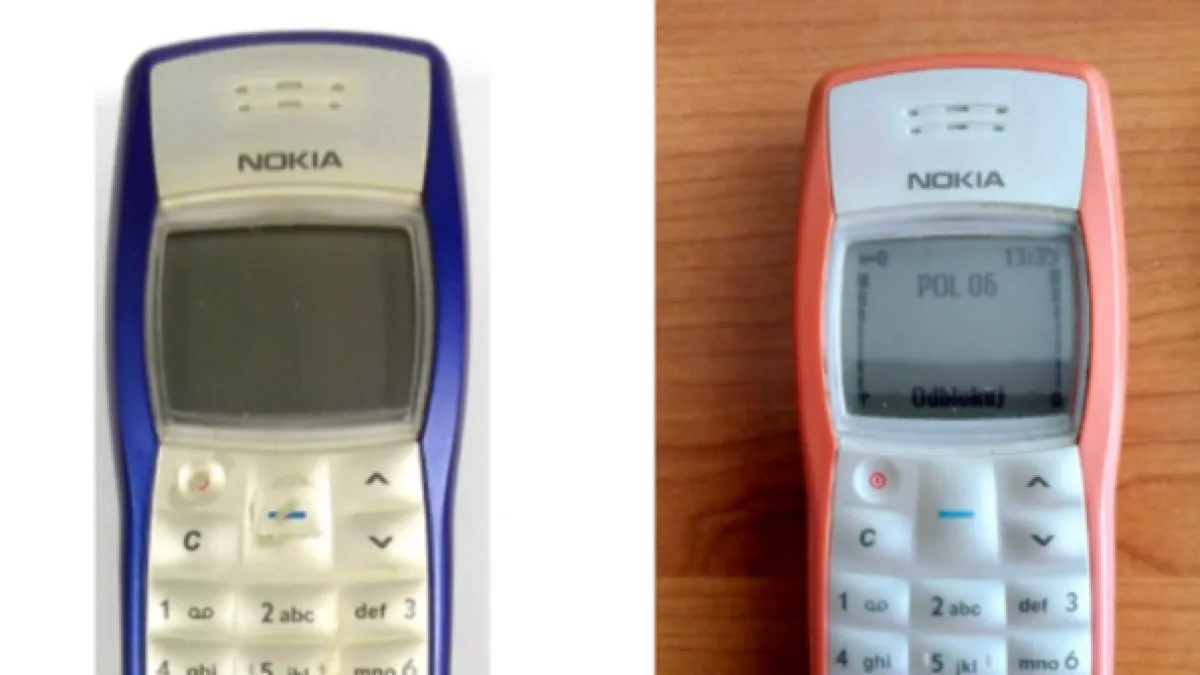
- Mercado Libre Mexico: Recorded some of the highest regional valuations for the model. A collector’s edition featuring a black-contour aesthetic was recently listed at 1,600 Mexican Pesos (roughly $93 USD). Historically, Nokia also distributed the phone with vibrant yellow, red, and blue faceplates to target regional aesthetics.
- Retro Collector Networks: Dedicated online communities and vintage tech forums frequently trade the Nokia 1100 as part of bundled lots alongside other iconic early-millennium handsets, such as the Nokia 3310 and Motorola Razr.
Technical Anatomy of a Legend: Why the Nokia 1100 Refused to Die
The legendary durability of the device was no accident; it was the product of purposeful engineering tailored for harsh environments and intensive daily use.
- The BL-5C Battery: Arguably one of the most famous removable batteries ever manufactured (850 mAh, 3.7 V), it delivered up to 4.5 hours of continuous talk time and roughly 400 hours of standby time. Under moderate use, users routinely went well over a week without touching a charger.
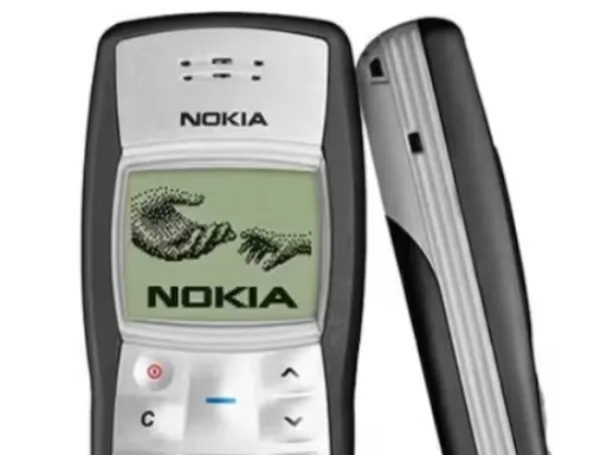
- Physical Resilience: The phone featured an unyielding exterior chassis with anti-slip lateral grips, a dust-proof silicone keypad designed to prevent grit from entering the internal circuitry, and a low-energy monochrome screen that required minimal electrical draw.
- Core Software & Utilities: The operating system included a calculator, alarm clock, calendar, profiles, a built-in flashlight, and the universally beloved game Snake (often referred to regionally as la culebrita or la viborita).
Official Responses and Industry Implications: The Nokia 300 Charge
The exploding secondary market for devices like the Nokia 1100 did not go unnoticed by manufacturers. Sensing a cultural pivot away from hyper-connectivity, HMD Global stepped in to fulfill market demands with the introduction of the Nokia 300 Charge.
Designed to capture the rugged spirit of its predecessor, the Nokia 300 Charge merges retro aesthetics with updated utility for the modern minimalist.

Key Specifications of the Nokia 300 Charge:
- Display and Processing: Features a compact 2.4-inch display panel with a resolution of 320 x 240 pixels. Under the hood, it runs on a Unisoc SC6531E processor, backed by 4 MB of RAM and 4 MB of native storage, which is expandable up to 32 GB via a microSD card slot.
- Massive Energy System & Reverse Charging: Unlike modern smartphones that struggle to last a single day, the Nokia 300 Charge packs a robust 3,700 mAh removable battery. According to HMD Global, this battery can comfortably exceed 40 days in standby mode on a single charge. Furthermore, it incorporates a physical side button that activates a powerbank function, allowing users to charge other portable devices via USB-C at 10W speeds.
- Connectivity and Extras: Operating strictly on 2G GSM 900/1800 networks, its utility depends heavily on legacy infrastructure longevity in different regions. It includes a high-power LED flashlight, an FM radio with a standard 3.5mm headphone jack, and is currently rolling out in selective markets, starting in the Philippines.
Socio-Cultural Implications: The "Dumb Phone" Revolution
The astronomical pricing of the Nokia 1100 and the launch of devices like the Nokia 300 Charge point toward a profound psychological shift in how society interacts with consumer electronics.
For nearly two decades, the tech industry operated under a singular assumption: more features, larger screens, faster processors, and constant internet connectivity equal a better human experience. However, a growing body of psychological research linking constant smartphone notifications to anxiety, attention deficit, and sleep disorders has birthed the "digital minimalism" movement.

By choosing a device like the Nokia 1100 or its modern spiritual successor, users are making a deliberate statement. They are trading frictionless doom-scrolling for intentional communication. They are rejecting algorithmic manipulation in favor of predictable, reliable utility.
Whether bought as an ironic fashion statement by Gen Z, a cherished relic by nostalgic millennials, or a practical mental-health tool by overwhelmed professionals, the Nokia 1100 proves that true engineering brilliance never truly goes out of style. What started as a cheap communication tool for the masses in 2003 has transcended its original purpose, cementing its status as an immortal icon of human technological history.