By Pedro A. Sánchez
Redacción Últimas Noticias
Updated: September 25, 2026
1. Main Facts
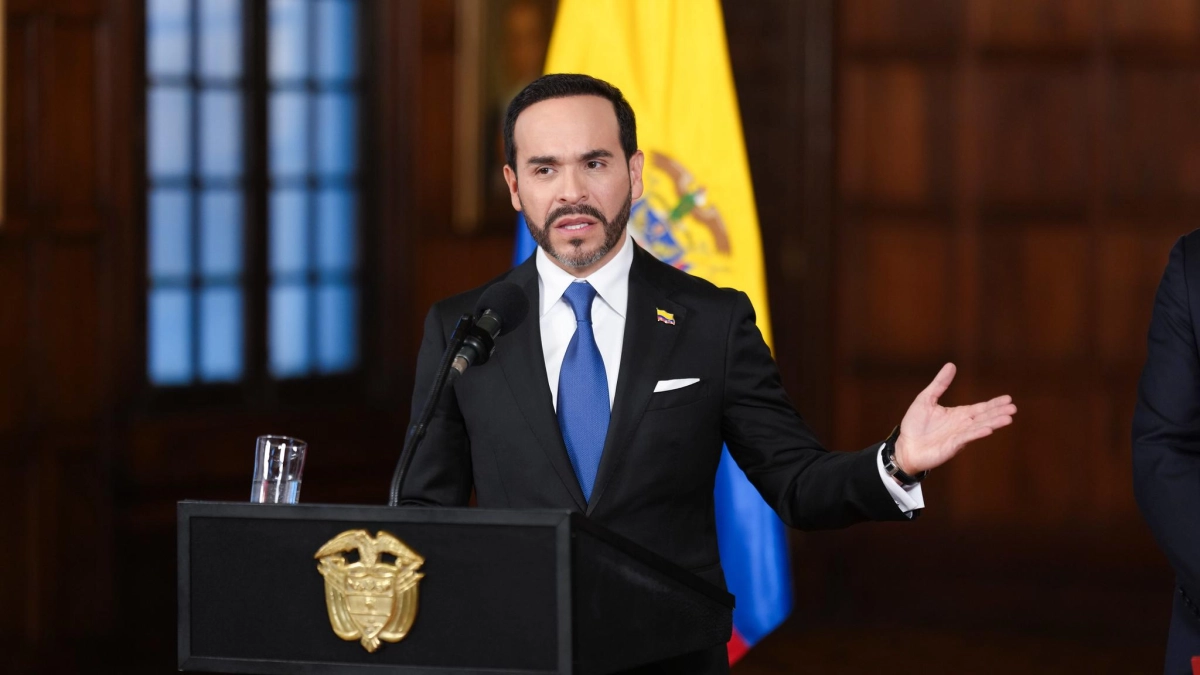
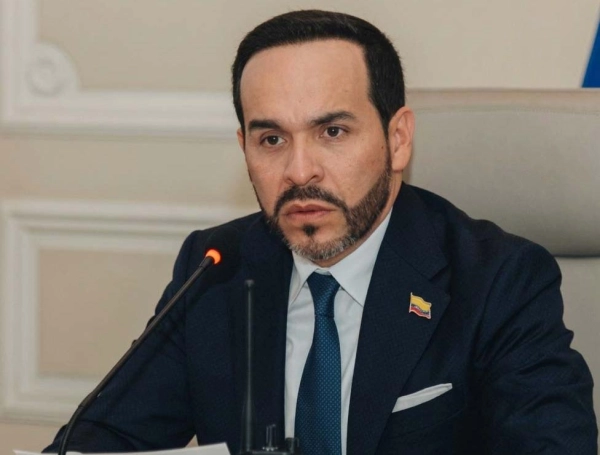
In a sweeping and decisive realignment of the nation’s foreign policy, the government of Colombian President Abelardo De La Espriella officially announced on September 24, 2026, that Colombia has severed all diplomatic relations with the Islamic Republic of Iran. The formal decision, executed behind closed doors on September 19, was made public via an official statement issued by the Ministry of Foreign Affairs, headed by Chancellor Omar Bula.
This historic diplomatic break is paired with another aggressive national security measure: the administration has officially designated the Islamic Revolutionary Guard Corps (IRGC)—the primary branch of the Iranian armed forces—as a foreign terrorist organization. According to the Colombian government, these measures are designed to shield the nation from transnational criminal networks, uphold regional security, and protect hemispheric stability from external threats.
While full diplomatic channels have been closed, the Ministry of Foreign Affairs clarified that consular relations will remain operational, preserving basic administrative frameworks under international conventions to handle essential citizen services.

2. Chronology of Events
- September 19, 2026: President Abelardo De La Espriella’s administration quietly adopts the decree to sever diplomatic relations with Iran, prioritizing national security and counter-terrorism mandates.
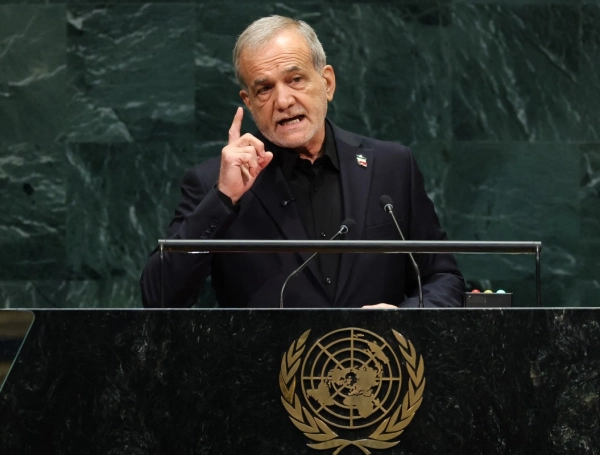
- September 22–23, 2026: High-level international tensions escalate during the United Nations General Assembly in New York, where Iranian leadership, including President Masoud Pezeshkian, exchanges aggressive rhetoric with Western powers regarding global conflicts and nuclear ambitions.
- September 24, 2026: The Colombian Ministry of Foreign Affairs officially publishes the declaration on social media platform X, breaking the news to the public. Simultaneously, the government announces the designation of the Islamic Revolutionary Guard Corps (IRGC) as a global terrorist organization.
- September 25, 2026: Chancellor Omar Bula’s office prepares formal instructions for the Directorate of Protocol to brief Iranian consular authorities on procedural adjustments following the diplomatic rupture.
3. Supporting Data and Official Motivations
The decision to cut ties with Tehran was not made in isolation. According to the comprehensive dossier released by the Cancillería, the De La Espriella administration weighed a multitude of geopolitical factors, security alerts, and international human rights violations before executing the policy shift.
National Security and Transnational Crime
At the core of the administration’s rationale is the defense of national and hemispheric security. The Colombian government explicitly cited alleged, growing ties between the Iranian government and international terrorist networks, alongside narcoterrorist factions that directly or indirectly threaten Colombia’s internal stability. In a volatile post-conflict environment, the executive branch determined that maintaining state-to-state relations with a government accused of sponsoring asymmetric warfare posed an unacceptable risk.
Global Human Rights and Middle Eastern Conflicts
Beyond immediate hemispheric concerns, the Colombian foreign policy team factored in severe, well-documented human rights abuses committed by the Iranian regime against its own civilian population. Furthermore, the administration highlighted:
- Comroved military attacks and aggressive maneuvers directed against sovereign nations outside the immediate Middle Eastern theater of conflict.
- The strategic blockade of the Strait of Ormuz, which threatens global energy markets and international maritime trade.
- Systematic obstruction by Iranian authorities against the inspection mandates of the International Atomic Energy Agency (IAEA), preventing international verification of Iran’s nuclear program.
The accumulation of these geopolitical violations fundamentally eroded Bogotá’s trust in the Iranian government, rendering conventional diplomatic engagement untenable.
4. Official Responses and Institutional Clarifications
The announcement triggered immediate debate across international and domestic political circles. The Ministry of Foreign Affairs was careful to outline the exact legal boundaries of the rupture to prevent misunderstandings regarding international law.
Consular Ties and the Vienna Conventions
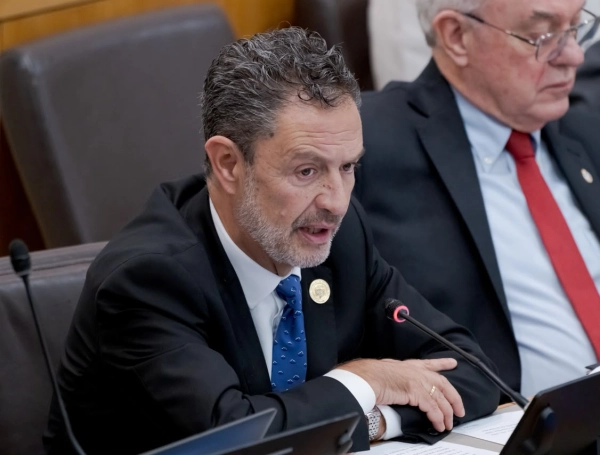
While diplomatic representation—encompassing political dialogues and state-level negotiations—has ceased entirely, Chancellor Bula emphasized that consular links remain intact. This distinction is governed strictly by:
- Article 45 of the 1961 Vienna Convention on Diplomatic Relations, which outlines the protection of premises, archives, and interests in the event of severed ties.
- Paragraph 3, Article 2 of the 1963 Vienna Convention on Consular Relations, which establishes that the severance of diplomatic relations does not ipso facto entail the severance of consular relations.
The Colombian Directorate of Protocol was tasked with communicating the operational framework to Iranian officials, establishing protocols for remaining consular staff as the diplomatic mission is wound down.
The Designation of the IRGC
Parallel to the diplomatic freeze, the designation of the Islamic Revolutionary Guard Corps as a terrorist entity marks a milestone in Colombian counter-terrorism strategy. The government justified the tag by noting that the IRGC is a primary driver of regional destabilization, responsible for internal repression within Iran and clandestine military operations spanning far beyond its borders.
By taking this step, Colombia aligns itself with a broad coalition of international partners—including the European Union, North America, several Middle Eastern states, and nations in Latin America and Oceania—that already classify the IRGC as a terrorist organization.
5. Geopolitical and Domestic Implications
President Abelardo De La Espriella’s decisive stance signals a profound ideological and strategic realignment in Colombian foreign policy. Under the banner of safeguarding national sovereignty, the administration has made it clear that combating international terrorism and resisting foreign interference are non-negotiable pillars of its governance.
Strengthening Border and Immigration Controls
Following the designation of the IRGC as a terrorist group, domestic security apparatuses have been placed on high alert. Colombian intelligence and immigration authorities are slated to ramp up vetting procedures, border surveillance, and security checks. The objective is to proactively intercept and prevent any individuals linked to the IRGC or affiliated proxy networks from entering national territory or exploiting local vulnerabilities.
Foreign Policy Reorientation
For decades, Colombia’s foreign policy regarding the Middle East maintained a pragmatic, if sometimes distant, equilibrium. The De La Espriella administration’s aggressive pivot toward Western security standards and explicit alignment with nations combating state-sponsored terrorism reflects a return to hardline realism.
As global tensions mount—highlighted by recent warnings between Washington and Tehran—Colombia has firmly chosen its side on the geopolitical chessboard. Whether this move will yield long-term security dividends or invite diplomatic friction with other non-aligned nations remains to be seen, but for now, the administration has drawn a hard, unambiguous line in the sand.