By Pedro A. Sánchez
Last News Desk / International Coverage
September 25, 2026
Main Facts
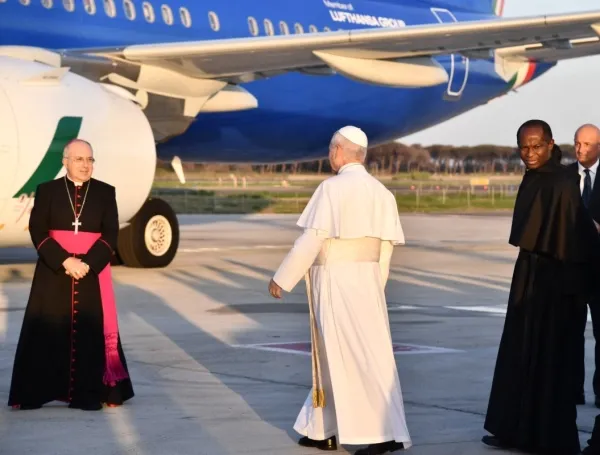
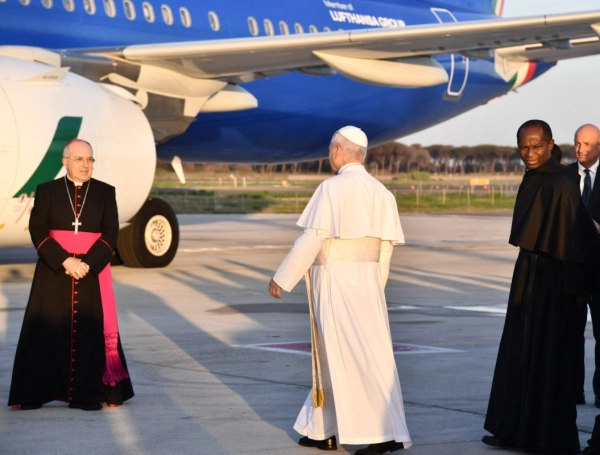
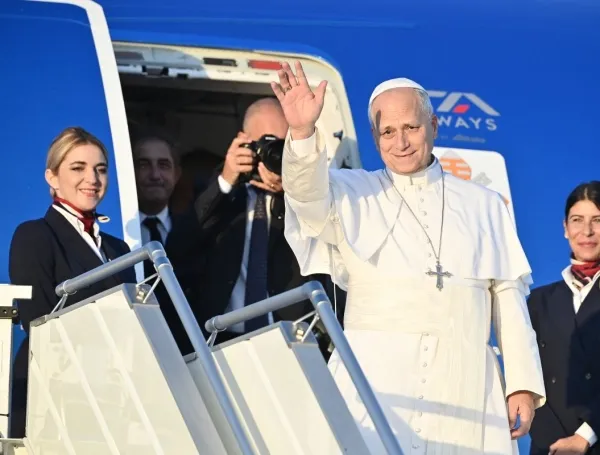
Pope Leo XIV arrived in France on Friday, September 25, 2026, marking the beginning of a highly anticipated four-day apostolic and state visit. The American-Peruvian pontiff—whose paternal grandmother was born in France—touched down just outside Paris at 10:00 a.m. local time. As his aircraft entered French airspace, church bells rang out simultaneously across the country for seven consecutive minutes, signaling a nationwide welcome.
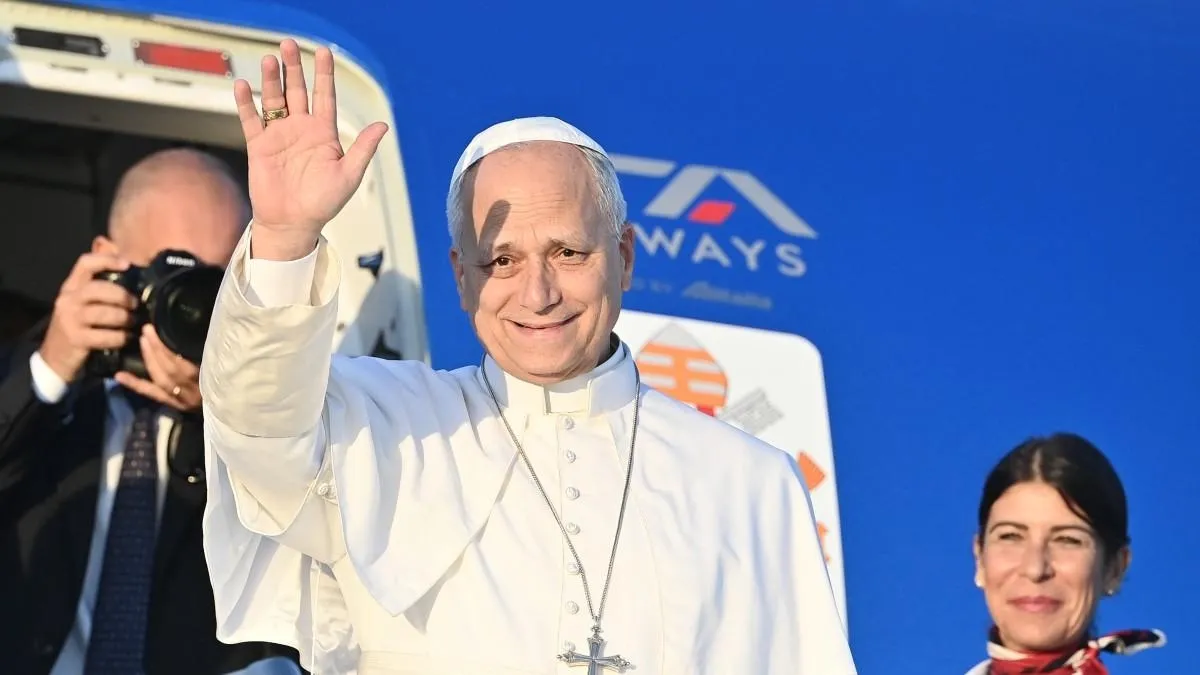
This journey is deeply significant on multiple fronts. It represents the first state visit by a head of the Vatican to France since Benedict XVI’s trip in September 2008. At 71 years of age, Pope Leo XIV steps into a complex sociopolitical and religious landscape in France, an officially secular republic (laïque). Over the next four days, traversing a three-stage itinerary encompassing Paris, Lourdes, and Metz, the spiritual leader of 1.4 billion Catholics worldwide will engage with profound contemporary challenges. Far from remaining confined to purely ecclesiastical matters, the pontiff’s agenda directly confronts the ethical dilemmas of artificial intelligence (AI), the humanitarian crisis of migrant integration, the ongoing reckoning over clerical sexual abuse, and the pursuit of European peace.
The visit has mobilized an unprecedented logistical and security apparatus. French authorities have deployed 15,000 police officers and gendarmes, backed by 17,000 volunteers and an international press corps of 2,500 accredited journalists. The total estimated cost of the operation stands at approximately 27 million euros ($30 million USD). Despite the security footprint, the atmosphere in the capital is defined by palpable public fervor, with crowds lining the streets to catch a glimpse of the pontiff aboard his popemobile.

Chronology of the Visit
Day One: Paris – State Diplomacy, AI Ethics, and the Reopened Notre-Dame
The pontiff’s schedule on Friday was intensely packed, balancing high-level diplomacy with public engagement:
- 10:00 A.M.: Arrival at a Parisian airport, where President Emmanuel Macron and First Lady Brigitte Macron formally greeted the Pope in an official state welcome ceremony.
- Noon: A private bilateral meeting and initial policy address at the Élysée Palace, the official seat of the French presidency. Here, discussions ranged from European solidarity and geopolitical stability to ecological stewardship.
- 3:00 P.M.: Pope Leo XIV delivered a major address at UNESCO headquarters, focusing heavily on the ethical regulation and societal risks associated with artificial intelligence—a theme generating profound global anxiety.
- Late Afternoon: The pontiff embarked on his first major public mass transit in the papamobile, cruising a 2.5-kilometer route through central Paris under bright summer weather. Cheering crowds, including a vibrant contingent from the Latin American community organized by the Hermandad del Señor de los Milagros de París, welcomed him with flags and music.
- Evening: A prayer service inside the newly restored Cathedral of Notre-Dame. This marks the first papal visit to the Gothic masterpiece since its meticulous reconstruction following the devastating 2019 fire. (Notably, his predecessor, Pope Francis, declined invitations to attend Notre-Dame’s grand reopening in December 2024, and during his three separate trips to France—to Strasbourg, Marseille, and Ajaccio—Francis never visited the French capital or partook in a formal state visit).
- Night: The day culminated in a massive youth vigil at the Stade de France, situated just north of Paris. Drawing an estimated 80,000 participants aged 17 to 35, the event blended contemporary pop music, open dialogue, and spiritual reflection.
Days Two and Three: Lourdes – Healing and Accountability
The itinerary shifts southward over the weekend as the Pope travels to the sanctuary city of Lourdes:

- Saturday and Sunday: Pope Leo XIV will spend significant time engaging with the faithful in Lourdes. Crucially, the pontiff has scheduled private, closed-door meetings with survivors of sexual abuse committed within the Catholic Church. This session underscores the Vatican’s ongoing commitment to confronting historical failures, offering pastoral reparation, and ensuring institutional transparency. Concurrently, large open-air masses and spiritual gatherings are expected to draw hundreds of thousands of pilgrims.
Day Four: Metz – Peace and the Future of Europe
- Monday: The final leg of the journey takes place in the eastern city of Metz, near the German border. Pope Leo XIV will deliver a comprehensive address focused on European unity, cross-border reconciliation, and the moral imperatives of peace on a continent still grappling with regional conflicts and political polarization.
Supporting Data and Context
The demographic and religious realities underpinning this papal visit reveal a paradoxical moment for French Catholicism. On one hand, France has experienced a steady, long-term decline in traditional religious practice and church attendance. On the other hand, the French Church has recorded a surprising surge—spanning the last five consecutive years—in adult and youth baptisms, particularly among young people seeking existential grounding.
- Public Turnout: Organizers estimate that over one million people will participate in or line the routes of the various events during the two-day Paris leg alone. Welcome banners and oversized pastoral tents have been erected across the capital, including a massive pavilion near the Champs-Élysées for Saturday’s principal Mass.
- Demographic Shift: Sociological data highlighted by the French Bishops’ Conference indicates that a growing cohort of young French citizens, disillusioned by modern secular hyper-individualism, are turning to structured faith traditions in search of life purpose and community cohesion.
- Security and Logistics:
- Police & Gendarmerie: 15,000 personnel deployed.
- Financial Cost: €27 million (~$30 million USD).
- Volunteers: 17,000 individuals assisting with crowd control and event coordination.
- Media: 2,500 journalists accredited globally.
Official Responses and Public Reactions
The political and religious spheres in France have offered nuanced perspectives on the weight of the papal presence, particularly given the timing—occurring just seven months ahead of highly contested French presidential elections, in which the far right currently leads early opinion polls.
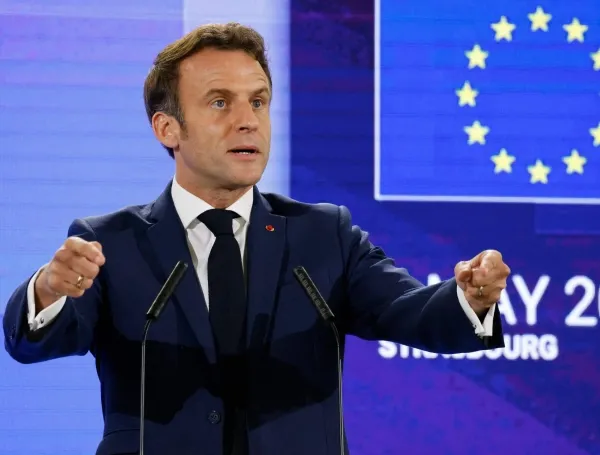
President Emmanuel Macron’s administration has emphasized the importance of maintaining France’s constitutional framework of laïcité (state secularism) while warmly embracing the diplomatic value of the visit. The state visit opens channels for high-level dialogue on international migration, climate policy, and wealth inequality.
Church leaders have been keen to clarify that the Pope’s mission transcends domestic partisan politics. Speaking on TF1, French Bishop Étienne Guillet remarked:
"I do not expect [the Pope] to tell us how to vote, but rather to help us all remember what constitutes a national community: fraternity, looking at one another with hope, and not being afraid of the other."
Cardial Jean-Marc Aveline, President of the French Bishops’ Conference and the principal architect behind the invitation, shared his astonishment at the grass-roots reaction with France Inter:
"I am not surprised, but profoundly and happily moved by the fervor that is developing across the country."
Ordinary citizens have also voiced deep emotional connections to the visit. Carmen Quintana, a 71-year-old retired expatriate and vice-steward of the Peruvian Lord of Miracles Brotherhood in Paris, expressed the sentiment of many Latin American immigrants: "We are so happy to be close to him and to transmit our joy to him."
Similarly, Lucie De Almeida, a 24-year-old university student who independently chose to convert and baptize herself, explained to international media: "Having a presence that guides you makes it easier to survive in this world. We are a generation of young people in search of meaning."
Implications
The visit of Pope Leo XIV carries profound implications that will resonate long after his departure on Monday:
- Geopolitical and Moral Authority on AI and Climate: By addressing UNESCO on artificial intelligence and continuing his advocacy for environmental justice—themes he heavily emphasized during his recent trip to Spain and in prior encyclicals—Leo XIV positions the Holy See as a premier global ethical arbiter in technological and ecological transitions.
- Shaping the European Debate: The final address in Metz on European integration and peace arrives at a precarious moment for the European Union. As member states grapple with immigration policy, economic pressures, and rising nationalist sentiments, the Pope’s moral call for solidarity serves as a direct challenge to isolationist political platforms.
- Healing Internal Wounds: The meetings in Lourdes with survivors of clerical abuse are not merely symbolic; they represent an ongoing, institutional test of credibility. How the French Church and the Vatican navigate accountability, compensation, and pastoral reform will heavily influence public trust in religious institutions across Europe.
- Revitalizing Secular-Church Dialogue: In a nation fiercely protective of its secular identity, a successful state visit by a Pope demonstrates that spiritual and civic institutions can engage in constructive cooperation. By addressing common vulnerabilities—such as social fragmentation, youth alienation, and humanitarian duties toward migrants—Pope Leo XIV seeks to bridge the historic divide between faith and the modern republic.