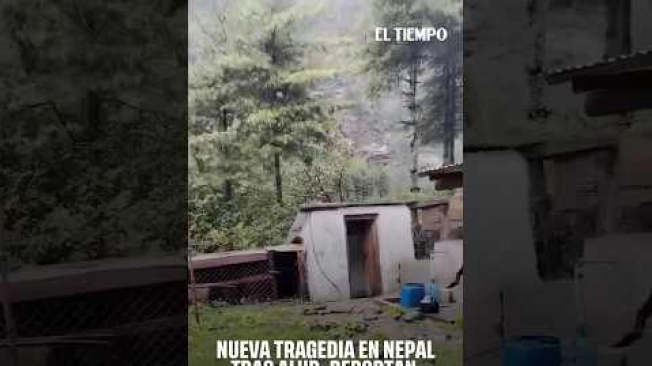
NEPAL — Nepal is facing a profound humanitarian and environmental emergency following a relentless wave of severe weather that began on Thursday, September 24. Unrelenting monsoon downpours have triggered widespread, catastrophic flooding and massive landslides across multiple districts, paralyzing communities and claiming the lives of at least 21 people, according to the National Disaster Risk Reduction and Management Authority (NDRRMA).
The crisis is compounded by high-altitude disasters, including a devastating slate avalanche that struck the base camp of Mount Himlung, leaving four dead and prompting authorities to officially suspend rescue operations for 12 missing individuals. This cascade of tragedies comes on the heels of an even deadlier glacial collapse just weeks prior, pushing the nation’s emergency response capabilities to their absolute limits and casting a shadow of vulnerability over its vital tourism and mountaineering sectors.
Main Facts
Death Toll and Casualties: Severe weather, flash floods, and landslides have killed at least 21 individuals nationwide since September 24. Additionally, a high-altitude avalanche on the Himlung peak claimed four lives, with 12 others initially reported missing before rescue efforts were halted.
Geographical Impact: The disaster zones span multiple regions, most notably featuring a massive hillside collapse in the Mustang district and the disaster at the Himlung peak base camp (standing at 7,126 meters), located near the border with Tibet.
Suspended Rescues: Search and recovery missions for the 12 missing individuals at the Himlung base camp were officially suspended after rescue teams confirmed that four meters of dense, frozen snow and extreme cold rendered survival impossible.
Broader Context: The ongoing emergencies unfold against the backdrop of a historic national catastrophe that occurred on August 26, when a massive high-mountain glacier collapse near the Tibetan border left over 1,400 dead and 6,000 missing.
Chronology of the Disaster
September 24: The Rains Begin
Persistent, torrential monsoon precipitation began lashing various regions of Nepal. The sudden, intense downpours rapidly saturated soil already weakened by earlier seasonal rains, immediately elevating the risk of flash flooding and slope failures across mountainous terrain.
September 27: The Himlung Peak Avalanche Strikes
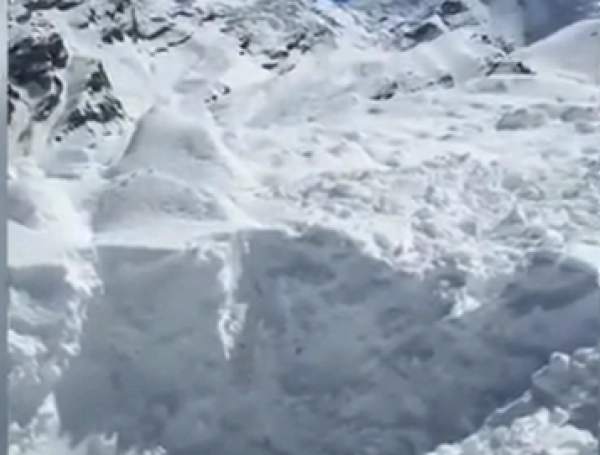
During the morning hours, a massive plate avalanche struck the base camp of Mount Himlung, situated at an altitude of approximately 4,900 meters. The wall of snow and ice completely buried the tents of two climbing teams, trapping 14 kitchen staff members and two climbing guides. Due to severe weather conditions and poor visibility, rescue helicopters and ground teams could not reach the remote location until late afternoon, managing to recover two bodies by nightfall.
September 28: Mustang District Landslide
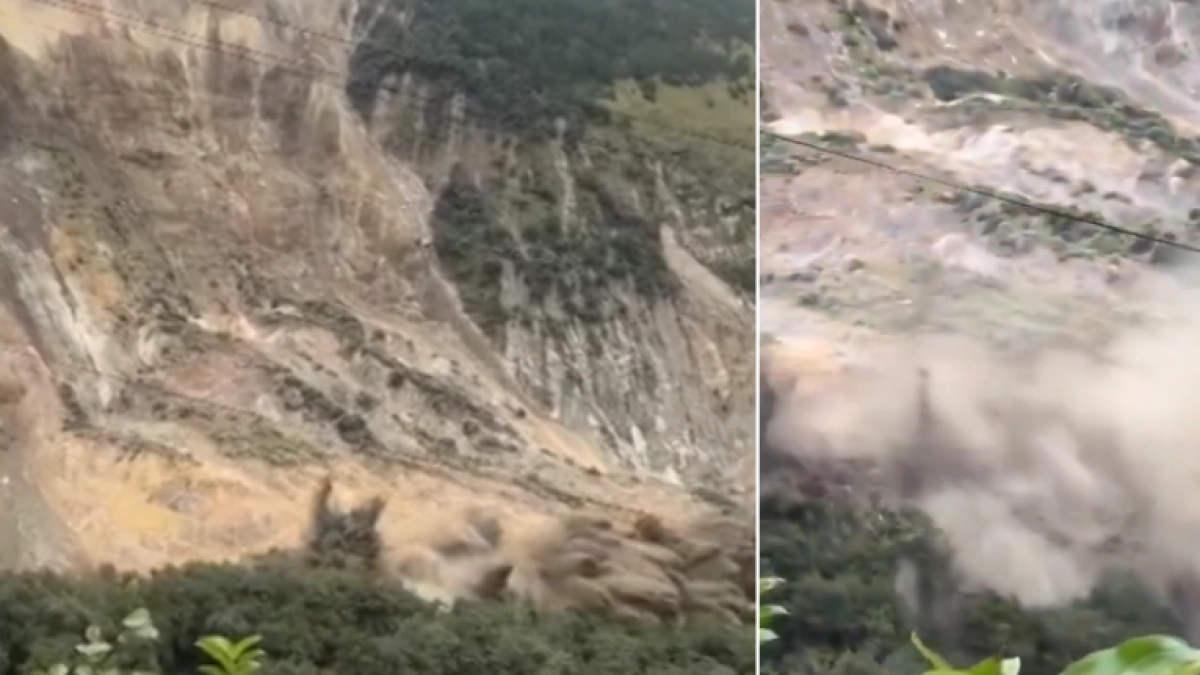
In the Mustang district, a dramatic and catastrophic landslide was captured on video. A towering mountainside gave way in a matter of seconds, sending a massive wall of mud, rock, and uprooted trees directly into the Kali Gandaki River. The resulting slurry wave altered local topography and raised immediate environmental and safety concerns for downstream communities. Meanwhile, recovery operations at Himlung peak continued, yielding two additional bodies by Monday morning.
September 29–30: Suspension of Rescue Operations
By Tuesday, September 30, the harsh reality of the high-altitude conditions forced authorities to make the grim decision to call off the search for the remaining 12 missing persons. Lead rescue mountaineer Mingma G. Sherpa confirmed that the sheer volume of snow—reaching depths of up to four meters—combined with sub-zero temperatures and structural instability, made further digging futile and dangerous for rescue personnel.
Supporting Data and Meteorological Context
The compounding nature of these natural disasters highlights the extreme vulnerability of Nepal’s topography. Home to eight of the world’s 14 peaks exceeding 8,000 meters—and featuring thousands of towering summits like Himlung (7,126 meters)—Nepal is uniquely exposed to the dual threats of intense seasonal precipitation and cryospheric destabilization.
Precipitation and Terrain: The combination of prolonged rainfall and steep, deforested or fragile geological formations creates high-velocity mudslides. Footage from the Mustang district illustrated how rapidly saturated hillsides can liquify, sending destructive debris hurtling toward major river systems like the Kali Gandaki.
High-Altitude Hazards: Avalanches in regions like Himlung are increasingly unpredictable. Experts note that climate variability is accelerating the melting and destabilization of high-altitude ice packs and glaciers, increasing the frequency of catastrophic "plate avalanches" that catch climbers and local support staff off guard.
Historical Scale: The current emergency compounds the trauma of the August 26 glacial collapse, which remains etched in the national consciousness. That disaster, which occurred near the Tibetan border, resulted in a staggering death toll exceeding 1,400 lives, with approximately 6,000 individuals still unaccounted for. It stands as one of the deadliest environmental catastrophes in modern Nepalese history.
Official Responses and Rescue Operations
As the death toll from the September storms climbed to 21, government bodies and local organizations mobilized quickly, though they faced severe logistical bottlenecks imposed by weather and geography.
The National Disaster Risk Reduction and Management Authority (NDRRMA) has coordinated emergency responses across the affected districts, deploying local civil protection units to manage displaced populations and clear blocked roadways.
In the mountaineering sector, civilian and professional rescue teams played a critical role. Rajendra Lama, Secretary General of the Nepal Mountaineering Association, provided initial updates to international news agencies regarding the recovery of bodies from the Himlung base camp.
Renowned alpinist Mingma G. Sherpa, who spearheaded the high-altitude rescue mission, provided stark assessments of the situation on social media and in interviews with Efe. Reflecting on the decision to abandon the search, Sherpa stated:
"We rushed to arrive with the hope of finding survivors, but we had no luck… We recovered four bodies, which confirms there were no survivors. It was impossible to break through the 4 meters of snow covering the entire area with shovels, and extreme cold conditions made it even more difficult. The avalanche was massive. No one had imagined that the Himlung base camp, at an altitude of 4,900 meters, could suffer something of that magnitude."
Sherpa also noted that eight mountain guides from the National Mountain Guides Association of Nepal, alongside allied rescue personnel, risked their lives attempting to navigate the treacherous conditions before the operation was called off.
Implications for Nepal
The compounding crises of late August and late September carry profound socio-economic, environmental, and psychological implications for the Himalayan nation:
1. Threat to the Tourism and Mountaineering Economy
Nepal’s economy relies heavily on international tourism, trekking, and mountaineering expeditions. With eight of the world’s highest peaks within its borders, the country markets itself as a premier global adventure destination. However, the increasing frequency of base camp disasters, deadly avalanches, and unseasonal weather events threatens to deter global travelers and professional climbers, jeopardizing the livelihoods of thousands of local guides, porters, lodge owners, and support staff.
2. Infrastructure and Climate Vulnerability
The recurring failure of glacial walls, combined with increasingly erratic and intense monsoon patterns, points to a broader crisis of climate vulnerability. Infrastructure across rural and mountainous districts—including roads, bridges, and hydroelectric projects—frequently suffers catastrophic damage. Experts argue that Nepal requires massive international financial and technical assistance to climate-proof its infrastructure and improve early-warning systems for remote communities.
3. Humanitarian Strain
With thousands still missing from the August 26 disaster and new casualties mounting from the September floods and avalanches, local authorities and humanitarian networks face chronic resource shortages. The psychological toll on rural communities, who bear the brunt of these recurring calamities, underscores the urgent need for long-term disaster preparedness, community relocation strategies, and enhanced high-altitude rescue infrastructure.
International Desk — Special Report Updated September 10, 2026 As the United States approaches the solemn 25th anniversary of the September 11 terrorist attacks, the city of New York has broken decades of administrative silence.…
International Desk Published: September 28, 2026 Updated: September 28, 2026, 5:25 PM Main Facts In a sweeping escalation of its regional foreign policy, the United States Department of State has officially revoked the visas of…
Date: July 4, 2026 Location: Caracas, Venezuela Status: Ongoing emergency operations Executive Summary: A Nation Staggered by Seismic Force In what has been described as the most significant natural disaster to strike Venezuela in recent…