
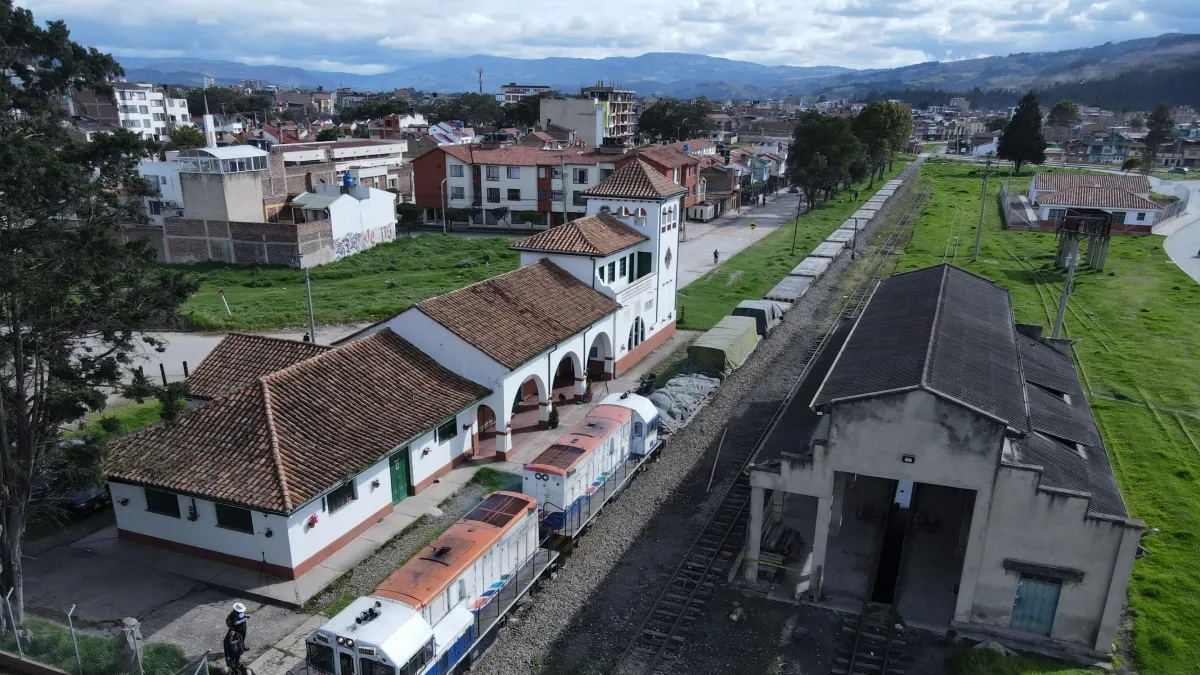
In a strategic move to bolster national logistics and modernize the country’s multimodal transport network, the National Infrastructure Agency (ANI) has officially awarded two high-impact public works contracts. These projects, aimed at the rehabilitation, operation, and maintenance of the Bogotá–Belencito and Pacific rail corridors, represent a combined investment exceeding 564.9 billion Colombian pesos, marking a significant milestone in the current administration’s transport policy.
The adjudication process, finalized this week, saw the Consorcio MIA C&E secure the contract for the Bogotá–Belencito line, while the Consorcio Pacífico 2026 emerged as the winner for the Pacific rail corridor. These investments are designed to not only improve operational safety and efficiency but also to provide a stable, long-term framework for freight transport across some of Colombia’s most critical economic arteries.
1. Main Facts: The Scope of the Investment
The National Infrastructure Agency (ANI) has signaled a clear intent to move away from short-term "patchwork" maintenance in favor of structured, long-term contracts. The total investment of 564.958 billion pesos will be divided between the two corridors to ensure that the infrastructure meets rigorous international standards for safety, mechanical reliability, and operational continuity.
The Bogotá–Belencito Corridor
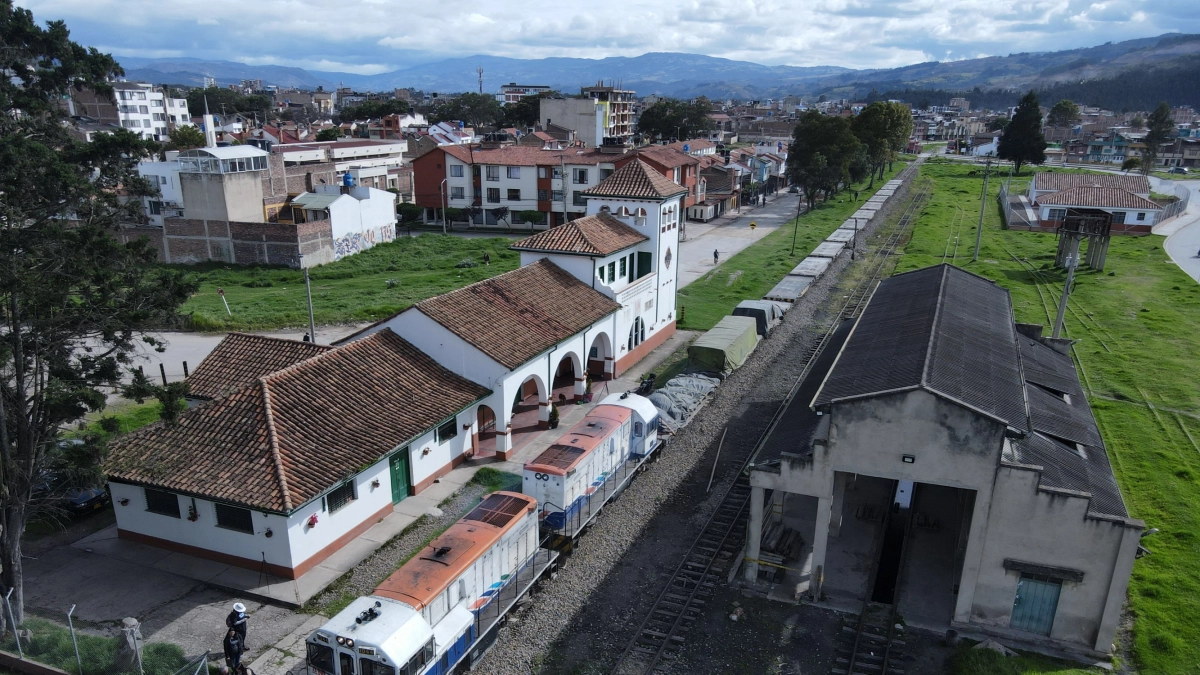
The contract for the Bogotá–Belencito line has been awarded to the Consorcio MIA C&E with a budget of 284.436 billion pesos. This corridor spans 278.4 kilometers and is a vital link for the movement of goods between the Cundinamarca highlands and the industrial hubs of Boyacá.

The Pacific Corridor
Simultaneously, the Pacific corridor, a strategic route connecting the Buenaventura port hub with the interior of the country, has been assigned to the Consorcio Pacífico 2026. With an investment of 280.522 billion pesos, this 498-kilometer project is essential for the competitiveness of the Valle del Cauca, Caldas, Risaralda, and Quindío departments.
2. Chronology of the Tender and Strategic Shift
The decision to move toward a 44-month contract cycle represents a paradigm shift in how the Colombian state manages its rail assets. Historically, rail maintenance contracts were often short-term, leading to uncertainty for freight operators and a lack of sustained investment in infrastructure.

- Initial Planning Phase: Early 2026 saw the ANI restructure its bidding requirements to focus on "integrated management," combining infrastructure maintenance with social and environmental oversight.
- Tender Publication: Mid-2026 brought the formal call for bids, attracting major construction and engineering consortia with experience in heavy infrastructure.
- Adjudication (July 21, 2026): Following a rigorous review of technical and financial proposals, the ANI officially named the winning consortia, setting the stage for work to begin immediately.
- The 44-Month Commitment: By establishing a 44-month window, the government aims to provide the private sector with the "legal certainty" required to invest in rolling stock and logistics planning, effectively de-risking the use of rail for domestic and international trade.
3. Supporting Data: Technical Specifications and Geographic Impact
The complexity of these projects requires a multidisciplinary approach. The contracts are not merely about laying track; they encompass a holistic overhaul of the rail ecosystem.
Key Operational Fronts
Both consortia are contractually obligated to manage the following areas:
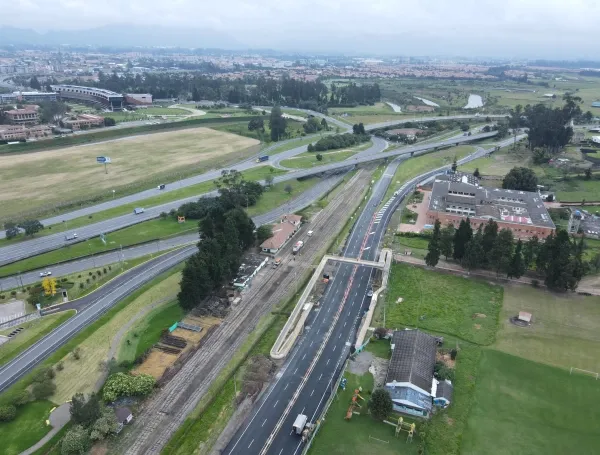
- Infrastructure Maintenance: Comprehensive rehabilitation of tracks, bridges, drainage systems, and railway crossings.
- Safety and Traffic Control: Implementation of modern signaling systems and communication equipment to ensure the secure circulation of heavy freight trains.
- Operational Management: Oversight of traffic, including scheduling and coordination with local municipalities.
- Environmental and Social Stewardship: A crucial component of the contracts involves engaging with the communities residing along the rail lines, ensuring that the projects mitigate environmental impact and generate local employment.
Geographic Reach
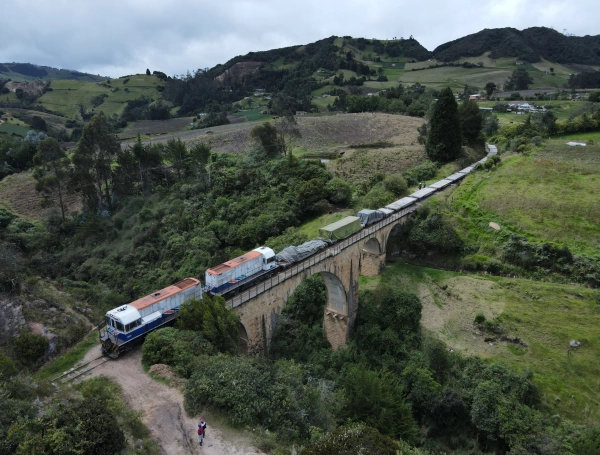
- Bogotá–Belencito: This route traverses nine municipalities in Cundinamarca (including Chía, Zipaquirá, and Chocontá) and seven in Boyacá (including Tunja, Paipa, and Duitama), ending at the industrial heart of Belencito.
- Pacific Corridor: Spanning 498 kilometers, the project touches the key zones of Buenaventura, Yumbo, Zarzal, and Cartago, with a critical branch reaching La Tebaida. This network is intended to drastically reduce the transit time for goods heading to the port of Buenaventura, Colombia’s primary gateway to the Pacific.
4. Official Responses and Industry Outlook
The leadership of the ANI has been vocal about the importance of these awards in the context of the country’s broader economic strategy.
President of the ANI: Oscar Torres
During the announcement, ANI President Oscar Torres emphasized the innovation behind the contract duration. "It is the first time that the ANI has structured and awarded a public works project of this nature for a 44-month term," Torres stated. "This duration is designed to attract freight to the corridor by providing reliability. When generators of cargo know that the operation is guaranteed for nearly four years, they can plan their supply chains with confidence, shifting their reliance from road to rail."

Vice President of Structuring (e): Julián David Rueda
Addressing the Pacific corridor specifically, Julián David Rueda highlighted the regional economic implications. "Throughout the entire corridor, we have planned rigorous management and surveillance activities. Our goal is to guarantee operational efficiency and maximize the competitive advantages of the Valle del Cauca, Caldas, Risaralda, and Quindío departments. This is a massive win for regional logistics."
5. Broader Implications for the Colombian Economy
The revitalization of these rail corridors is expected to have a ripple effect across several sectors.
Logistical Competitiveness and Freight Costs
Road transport remains the dominant mode of freight movement in Colombia, which is often expensive and susceptible to blockades and landslides. By providing a reliable rail alternative, the government expects to see a decrease in the cost per ton of transported goods. This is particularly crucial for the agricultural and manufacturing sectors in Boyacá and the coffee-producing regions of the Eje Cafetero.
Regional Development
The rail lines are not merely transport conduits; they are engines for local development. The social and environmental management requirements included in the contracts ensure that the consortia must maintain a positive relationship with the municipalities along the routes. This includes everything from infrastructure development at rail crossings to the hiring of local labor, which can provide a significant boost to local municipal economies.

The Multimodal Vision
For the government of the day, these contracts are a core component of a larger "Multimodal Vision." By connecting the interior to the coast via rail, the country aims to integrate its domestic markets more effectively into global value chains. If successful, the 44-month operational period could serve as a pilot program for further expansion into other dormant rail corridors in the country.
Challenges Ahead
Despite the optimism, the consortia face significant challenges. Colombia’s rugged geography, characterized by high-altitude Andean mountain passes and the humid, tropical terrain of the Pacific, poses constant risks to infrastructure. Maintaining the "mechanical availability" of the rolling stock will require a high level of technical expertise and a resilient supply chain for spare parts and specialized equipment. Furthermore, the consortia must navigate the complexities of land management and potential socio-political resistance in rural areas, making their social management plans as vital as their engineering designs.
Conclusion
The awarding of these contracts by the ANI signifies a maturation in how Colombia approaches its infrastructure. By moving toward longer, more stable, and comprehensive service contracts, the government is signaling that it understands the needs of the private sector—namely, that long-term investment requires long-term certainty. As the Consorcio MIA C&E and the Consorcio Pacífico 2026 begin their work, the eyes of the national logistics industry will be fixed on the progress of these corridors, hoping that they deliver on the promise of a more connected, efficient, and competitive Colombia.