By International News Desk
Updated: July 21, 2026
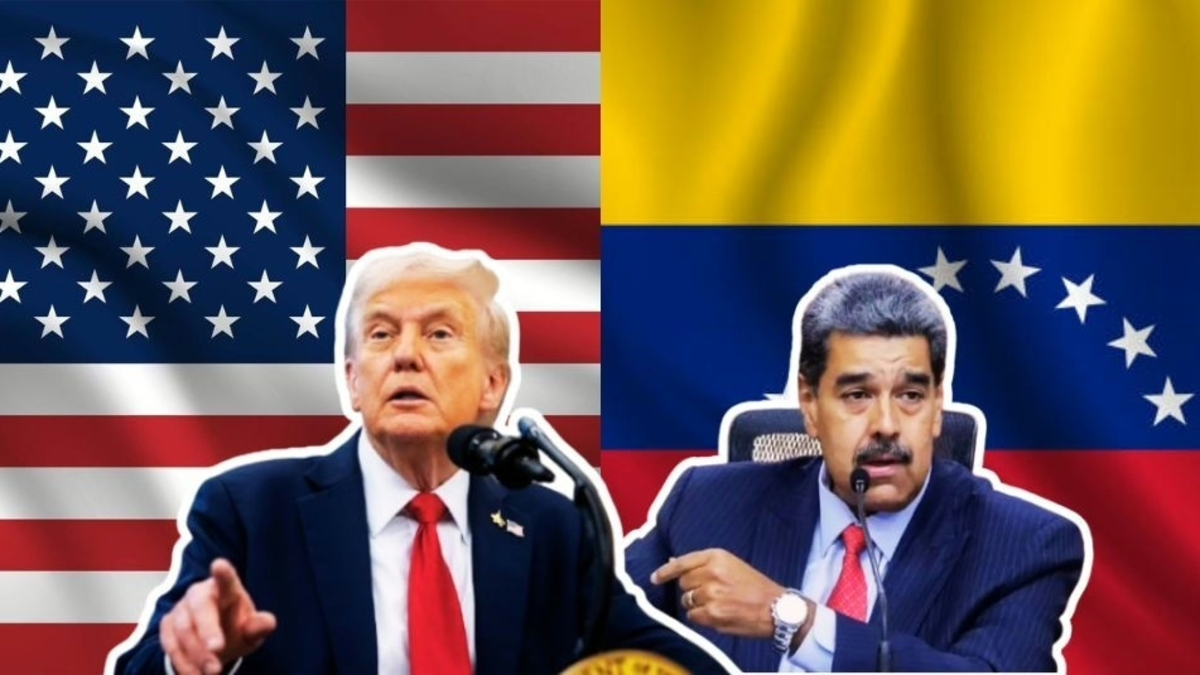
In a monumental shift for the future of Venezuela, the United States government has formally signaled its endorsement of a new framework for political and technical negotiations between representatives of the Venezuelan opposition—led by the National Assembly—and spokespeople for the remnants of the outgoing regime. This diplomatic pivot, framed as a critical juncture for the nation, seeks to dismantle years of authoritarian grip in favor of a structured, internationally supported democratic transition.
The Dawn of a Transition Process
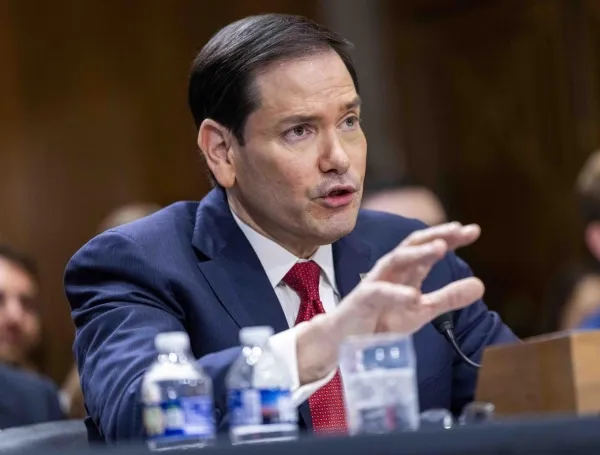
The Secretary of State of the United States, Marco Rubio, confirmed the development during a high-stakes press briefing, articulating that the agreement is not merely a dialogue, but a blueprint for the restoration of constitutional order. "We are witnessing the official commencement of a transition process that the people of Venezuela have demanded for years," Rubio stated.
According to the Secretary of State, the agreement establishes a dedicated forum for reconciliation. This mechanism aims to resolve the political impasse while addressing the immediate, desperate needs of a population reeling from both systemic economic collapse and a devastating series of natural disasters that have claimed over 5,000 lives in recent weeks. The United States has committed to being "deeply involved" in the oversight of these negotiations, ensuring that the process remains transparent and results-oriented.

Chronology of a Turning Point
The road to this moment has been paved with intense geopolitical pressure and internal volatility.
- August 2025: A group of U.S. citizens, including survivors of kidnapping and torture under the former regime, filed a landmark lawsuit in the U.S. District Court for the Southern District of Florida, seeking damages for the systemic abuses committed by Venezuelan officials.
- January 3, 2026: In an operation that fundamentally altered the Venezuelan political landscape, Nicolás Maduro was captured by U.S. special operations forces in Caracas. His immediate transfer to New York to face federal charges of narcoterrorism signaled the beginning of the end for his inner circle’s hold on power.
- January 2026: Following the arrest, the civil lawsuit in Florida was reactivated, incorporating fresh evidence and the new reality of the regime’s collapse.
- June 2026: Secretary Rubio appeared before the Senate Foreign Relations Committee, outlining the strategy for stabilization, including potential international credit access and humanitarian aid.
- July 21, 2026: Formal announcement of the transition framework, with the first technical round of negotiations set for August 1, 2026.
Judicial Reckoning: The $314 Million Verdict
Parallel to the political negotiations, the wheels of international justice have turned decisively. U.S. District Judge Darrin P. Gayles recently issued a scathing ruling, ordering the now-imprisoned Nicolás Maduro and several of his top lieutenants to pay $314 million in damages to the victims of state-sponsored terror.
The court’s decision explicitly identifies key figures within the "Cartel of the Soles," including the former Minister of the Interior, Diosdado Cabello; the Minister of Agriculture, Vladimir Padrino; and the controversial former official Alex Saab. These individuals were found liable for their roles in kidnapping and torture, further delegitimizing the remaining factions of the old guard.
Notably, the court has exercised caution, excluding from this specific judgment the current interim leadership—such as Delcy Rodríguez and Jorge Rodríguez—as well as state-owned entities like PDVSA, indicating that the judicial process is carefully distinguishing between individual criminal liability and the state institutions necessary for national recovery.
Technical and Political Agendas
The upcoming meetings, scheduled to commence in the first week of August, are designed to be multifaceted. The legislative body led by deputy Dinorah Figuera, recognized as the last democratically elected representative organ, is tasked with the monumental burden of dismantling the remnants of the regime’s infrastructure.
The agenda is bifurcated:
- Political Transition: Mapping out the timeline for free, fair, and transparent elections, as well as the institutional reforms required to depoliticize the judiciary and the electoral council.
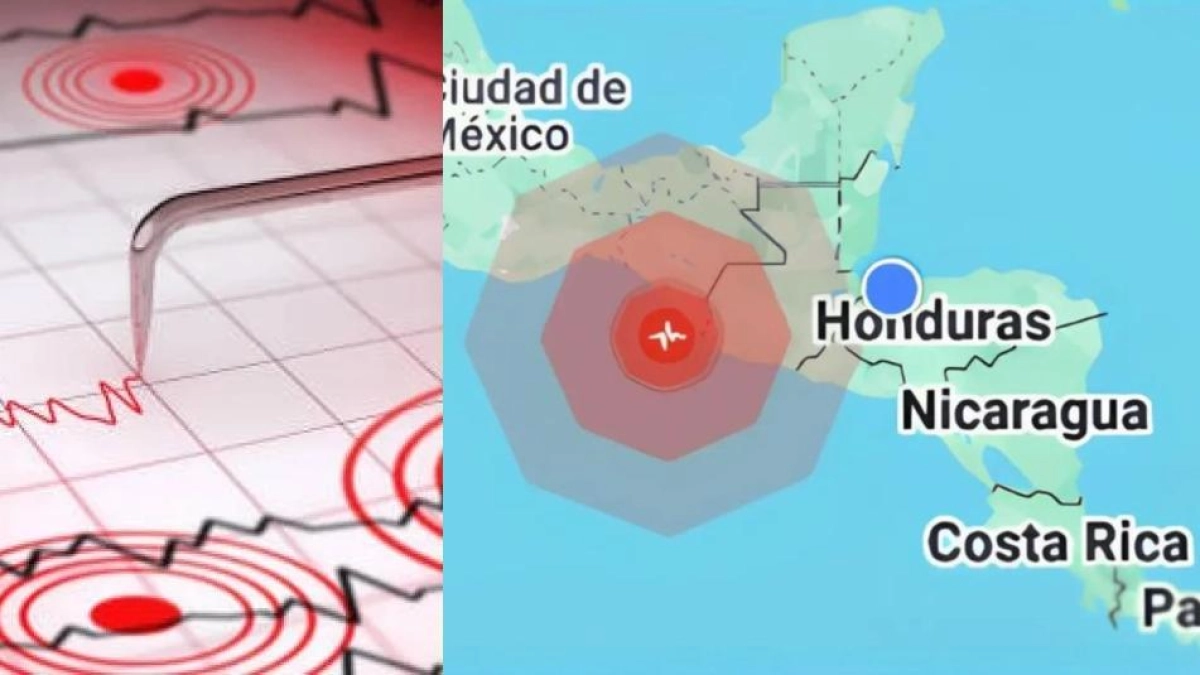
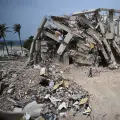
- Humanitarian and Technical Reconstruction: Addressing the aftermath of the late-June double earthquake. With over 128,000 families displaced or requiring emergency assistance, the technical working groups will coordinate the distribution of aid, the restoration of basic services, and the stabilization of the national currency.
Secretary Rubio emphasized that the United States is prepared to facilitate access to multilateral credit institutions. "This is not just about political power; it is about restoring the basic functionality of a state that has been decimated," Rubio remarked. The hope is that by integrating Venezuela back into the global financial system, the nation can begin to emerge from the hyperinflationary spiral that has characterized the last decade.
Implications for the Region
The ripple effects of these developments are already being felt across Latin America. The transition in Venezuela is expected to recalibrate regional alliances, potentially easing tensions that have previously manifested in trade disputes and security challenges.
However, the path forward is not without risks. The deep polarization within Venezuelan society remains a significant hurdle. Furthermore, the aggressive rhetoric from hardline remnants of the chavismo movement—often targeting those who criticize the regime’s legacy—suggests that the transition will face significant internal resistance. The U.S. administration’s decision to remain "very involved" is a calculated response to the fear that a power vacuum could lead to further instability or, worse, a return to authoritarianism.
The Humanitarian Imperative
The backdrop of this political transition is one of profound human suffering. The recent natural disasters in Venezuela have served as a catalyst for a fragile national unity. As the government and opposition sit at the same table, the priority for the international community is the preservation of life. The U.S. State Department has reiterated its commitment to sustained humanitarian assistance, working alongside NGOs and international organizations to ensure that food, medicine, and infrastructure repair materials reach the most vulnerable populations without being siphoned off by the corrupt networks that defined the previous administration.
A Diplomatic Path Forward
The inclusion of high-level U.S. oversight in the transition process marks a departure from traditional "hands-off" diplomacy. By providing a framework that links political concessions to economic incentives, Washington is attempting to craft a "soft landing" for the transition.
As the calendar turns to August, the eyes of the international community will be on Caracas. The success of this initiative depends on the willingness of both sides to adhere to the agreed-upon roadmap. For the opposition, it is a test of their ability to govern and reconcile. For the remaining regime loyalists, it is an opportunity to participate in a future that, while excluding the corrupt figures now facing American justice, offers a path for the nation to rejoin the community of democratic nations.

The road ahead is long, and the scars of the past fifteen years are deep. However, with the backing of the United States and a clear, albeit difficult, path toward constitutional order, the people of Venezuela may finally be approaching the end of a long, dark tunnel. As Secretary Rubio concluded in his address: "We are moving from a state of conflict to a state of construction. It will not be easy, but it is necessary, and we are committed to seeing it through."
For more information on the evolving situation in Venezuela, visit our live coverage portal and sign up for our weekly international affairs newsletter.