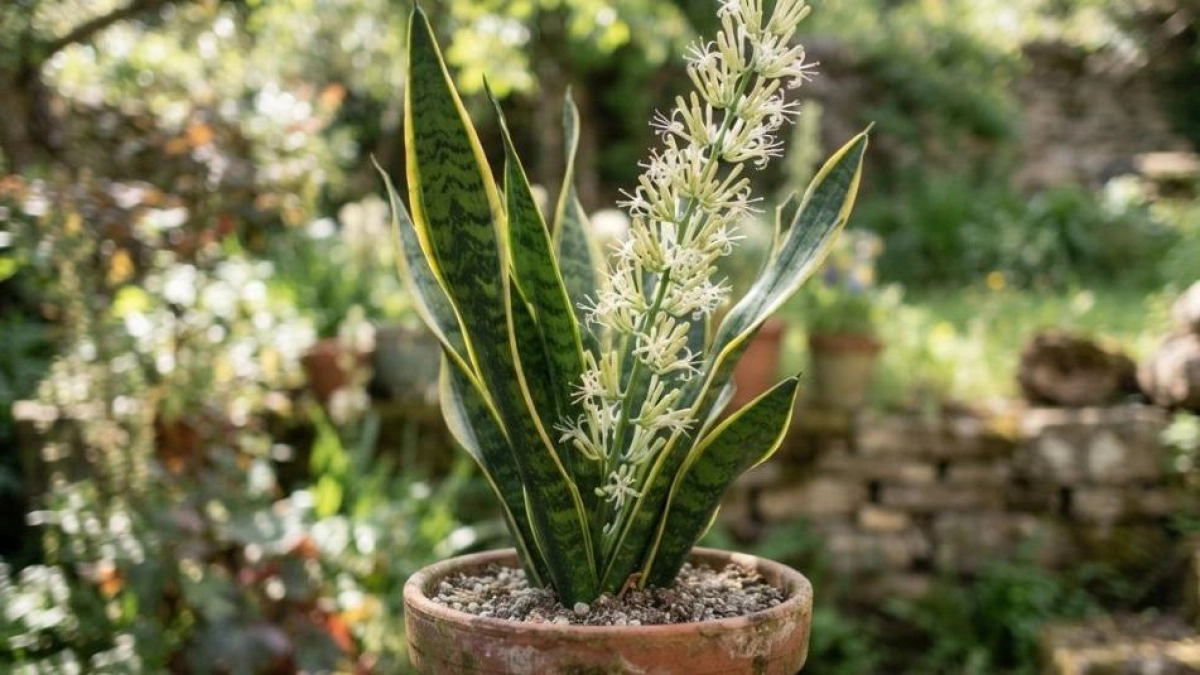
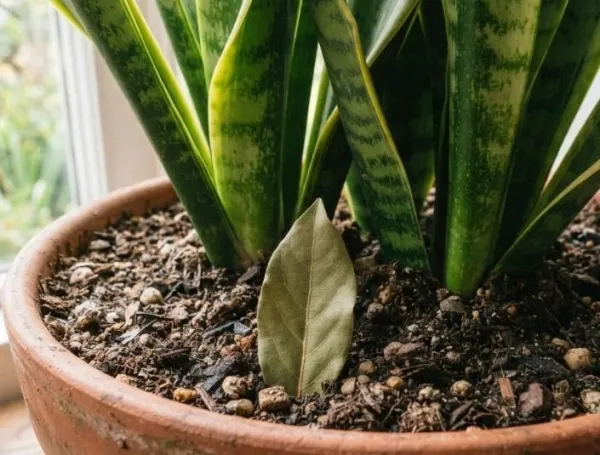
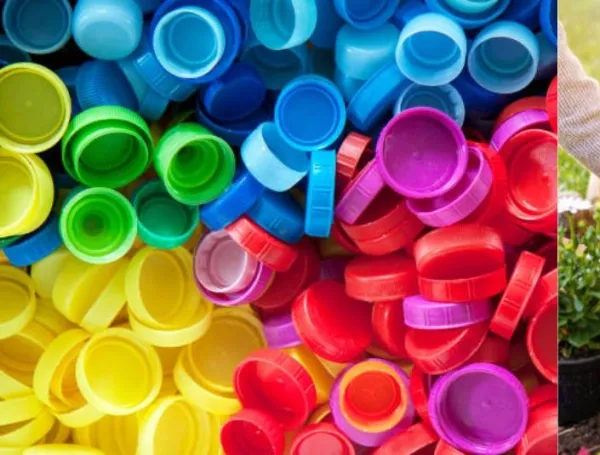
In the vibrant world of digital gardening communities, tips and tricks spread with the speed of a perennial vine. Among the most persistent hacks currently trending on social media platforms like TikTok and Instagram is the practice of placing plastic bottle caps at the bottom of flowerpots. Proponents argue that this simple, eco-friendly method optimizes drainage and prevents root rot—a death sentence for the famously resilient Dracaena trifasciata, commonly known as the "Snake Plant" or "Mother-in-Law’s Tongue."
However, as this trend gains traction, horticultural experts and scientific researchers are weighing in. The verdict? While the intention behind the hack is sound, its efficacy is questionable, and in some cases, it may be counterproductive.
Main Facts: The Intersection of DIY Logic and Botany
The premise behind the "bottle cap hack" is deceptively simple: by creating a layer of air pockets at the base of the container, one can prevent water from pooling around the root ball. This is intended to mitigate the risk of overwatering, which the North Carolina State University Extension identifies as the primary cause of decline for Dracaena trifasciata.
The logic follows a classic gardening tradition: for decades, indoor gardeners have placed gravel, shards of terracotta, or expanded clay pebbles at the bottom of pots, believing that this "drainage layer" facilitates water runoff. The bottle cap variation simply adds an environmental layer to the narrative, suggesting that repurposing plastic waste is a dual-benefit strategy for the planet and the parlor.

However, the core issue is not necessarily the presence of water, but rather the physics of how water behaves within a contained environment. Experts argue that the problem lies in the "perched water table"—a phenomenon where a saturated zone forms at the bottom of a container regardless of what is placed there, provided the soil remains in contact with the drainage material.
Chronology of a Viral Trend
The surge in popularity of this hack coincides with a broader movement toward "accessible urban gardening," where influencers with little formal training share rapid-fire tips designed to solve common plant ailments.
- Pre-2020: The traditional advice of using "pot shards" or rocks at the bottom of pots is standard in amateur gardening lore, despite lacking scientific backing.
- 2023-2024: As interest in indoor plants peaked, social media algorithms began favoring "life hack" content. Videos demonstrating the use of recycled plastic caps began appearing in short-form video feeds, often marketed as a "secret of the pros."
- Late 2024 to Present: Horticultural professionals began noticing a spike in inquiries regarding this method. The proliferation of the trend necessitated a formal review by plant scientists and environmental journalists to distinguish between sustainable practice and garden myths.
Supporting Data: What the Science Says
The scientific community has long been skeptical of the "drainage layer" concept. Linda Chalker-Scott, a renowned horticulturist at Washington State University, has been a vocal critic of the practice for years. Her research into plant physiology suggests that adding a layer of material with a different texture or size than the potting medium actually hinders, rather than helps, water movement.
The Physics of the Perched Water Table
When water travels through a substrate, it moves by gravity. However, when it hits a boundary—such as a layer of plastic caps or gravel—the water tends to stay in the soil above that layer until the soil is completely saturated. This creates a "hanging" water table that keeps the root zone wetter for longer, effectively increasing the risk of the very root rot the gardener is trying to avoid.
The 2025 Study
A pivotal moment in this debate occurred with the publication of a 2025 study by researcher Avery Rowe, featured in PLoS ONE. By analyzing ten different configurations of substrates and drainage materials, the study concluded that these layers rarely improved drainage. In most cases, the presence of these layers either had no significant effect or, counter-intuitively, led to higher water retention in the upper layers of the soil. While the study primarily measured water movement rather than plant health outcomes, the data provides a strong argument against the "drainage layer" philosophy.
Expert Perspectives and Official Recommendations
Major agricultural extensions and botanical organizations continue to push for evidence-based care over anecdotal trends.

The Case of the Snake Plant
The Dracaena trifasciata is a succulent. It stores moisture in its thick, sword-like leaves and thrives in a "dry-to-damp" cycle. The University of Florida’s agricultural extension advises that the plant is exceptionally prone to rot if the center of its rosetta is exposed to excess moisture. They recommend a well-draining, porous potting mix—often composed of perlite, bark, and peat—as the primary defense against rot.
Rethinking the "Drainage Layer"
Instead of relying on inanimate objects at the bottom of the pot, experts recommend the following:
- Pot Selection: Ensure the pot has a functional drainage hole. This is the single most important factor in preventing root rot.
- Soil Composition: Incorporate inorganic materials like perlite, pumice, or horticultural sand directly into the potting mix. This improves the aeration of the entire root system, not just the bottom of the container.
- Watering Discipline: Monitor the moisture level of the soil, not just the calendar. In the winter months, the Snake Plant enters a period of dormancy where it requires significantly less water.
Implications: The Risks of "Social Media Botany"
The "bottle cap hack" serves as a case study for the modern era of information consumption. When aesthetics and "virality" are prioritized over horticultural science, the result can be detrimental to the plants being cared for.
The Environmental Paradox
While the idea of recycling plastic caps is environmentally conscious, utilizing them in a way that may lead to the premature death of a plant is, in itself, a form of waste. If a plant dies, the soil, the plant, and potentially the pot are discarded, creating a larger environmental footprint than the few grams of plastic saved from a landfill.

The Future of Gardening Education
The rise of such hacks highlights a gap in public education. Horticultural experts now face the challenge of debunking myths that feel intuitively correct but are physically flawed. The shift must move from "quick fixes" to a deeper understanding of soil physics and plant physiology.
As we look ahead, the consensus remains clear: there is no shortcut to good plant health. The reliance on materials like gravel, rocks, or plastic caps is a vestige of a misunderstanding of how water moves through soil.

Conclusion: Returning to the Fundamentals
For the indoor gardener, the best advice remains the most traditional: use a pot with a hole, use a high-quality, fast-draining potting mix, and practice mindful watering. If you have an abundance of plastic bottle caps, the best place for them is in a dedicated recycling bin, not at the bottom of your prized Snake Plant’s home.
While the "bottle cap hack" is unlikely to cause immediate, catastrophic damage to a plant—it is not, for instance, adding toxins to the soil—it is an unnecessary step that complicates the plant’s environment. The key to a lush, healthy indoor garden is not found in clever hacks or makeshift materials, but in respecting the biological requirements of the species. As the debate continues, one thing is certain: in the world of plants, nature’s own design, supported by appropriate soil science, will always outperform the latest social media trend.