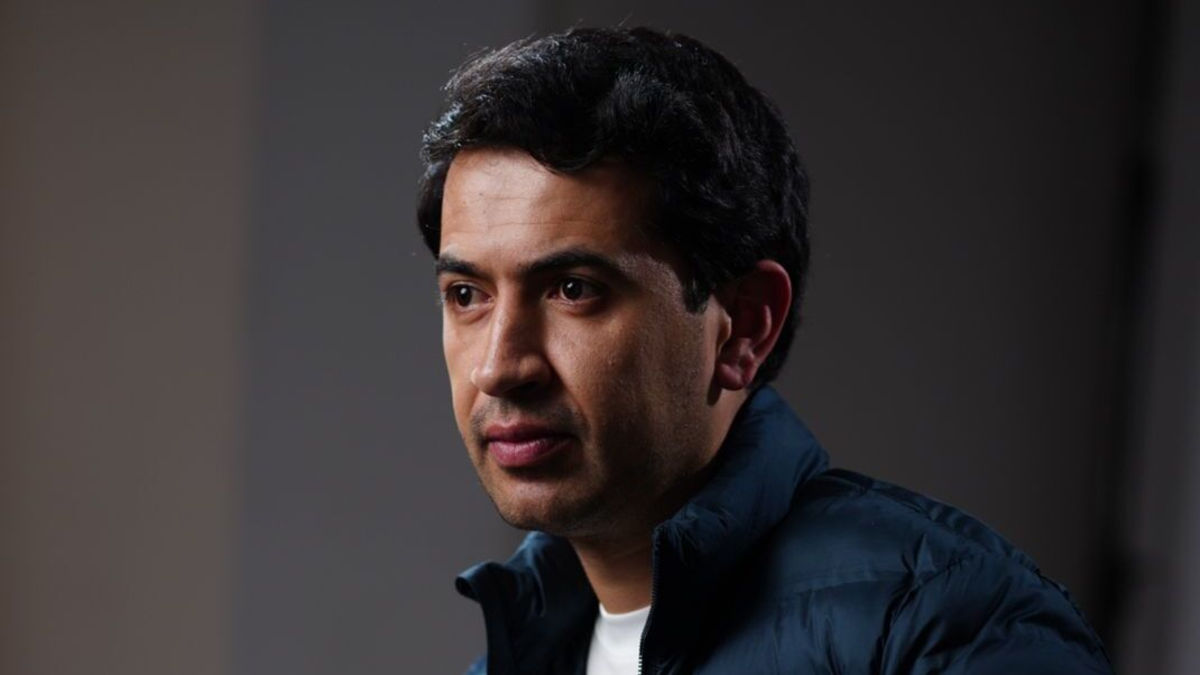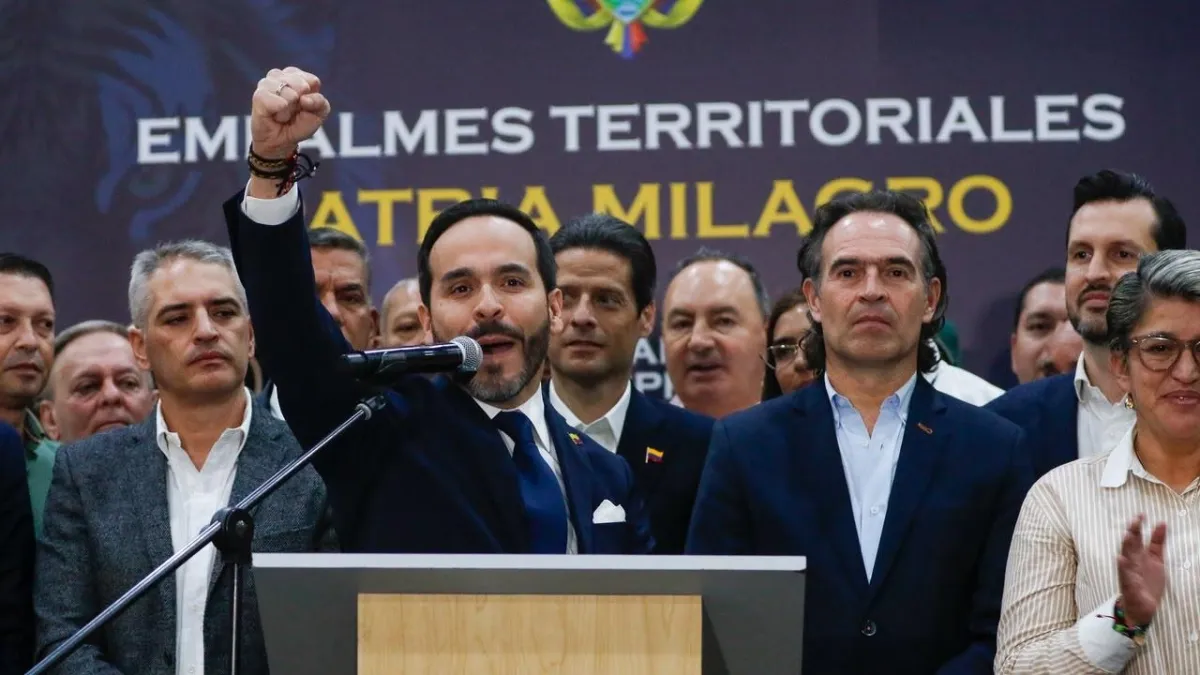
BOGOTÁ, Colombia – July 21, 2026 – In a series of impactful announcements made throughout Tuesday, President-elect Abelardo De La Espriella unveiled several crucial appointments to his incoming administration, offering a tangible glimpse into the policy priorities and strategic direction his government intends to pursue. From the bustling industrial hub of Medellín, where a regional transition meeting (known as an "empalme") was held, De La Espriella named his choices for the directorship of the National Unit for Disaster Risk Management (UNGRD) and the ambassadorship to Mexico. Later in the day, via social media, he further disclosed the new head of the National Apprenticeship Service (SENA). These appointments, while significant, still leave three ministerial positions vacant, maintaining an air of anticipation regarding the final composition of his cabinet.
The pronouncements underscore a firm commitment to tackling pervasive corruption, strengthening technical education, and recalibrating Colombia’s international posture, particularly concerning security and economic partnerships. De La Espriella’s choices reflect a blend of technical expertise, regional political experience, and a clear ideological alignment, setting the stage for a transformative — and potentially contentious — presidential term.
Main Facts: A Decisive Day of Disclosures
President-elect Abelardo De La Espriella initiated a pivotal day of government formation with a series of high-profile appointments, aiming to establish an early tone for his administration. The key revelations included:
- David Santiago Tamayo Roldán was designated as the new Director of the National Unit for Disaster Risk Management (UNGRD). De La Espriella emphatically stated that Tamayo, a geologist by profession, possesses "all the conditions, all the qualities, and all the honesty to clean up that nest of bandits that took over that institution and to carry out its missionary work." This appointment directly targets an entity mired in extensive corruption scandals during the preceding administration.
- Mauricio Tobón, a prominent figure in Antioquia politics, was named the incoming Ambassador to Mexico. Tobón’s selection is seen as a nod to regional political alliances and his active support for De La Espriella’s presidential campaign.
- De La Espriella further announced a plan for decentralized governance, designating Medellín, Cali, and Barranquilla as alternate presidential cities. This initiative aims to foster a more inclusive and regionally focused administration.
- Medellín was specifically chosen as the future headquarters for ProColombia, the agency responsible for promoting exports, international tourism, and foreign investment. Furthermore, the city will host the Colombian base for the "Escudo de las Américas" (Shield of the Americas), a regional security initiative championed by former U.S. President Donald Trump, signaling a significant shift in Colombia’s geopolitical alignment.
- In a subsequent announcement made through his social media channels, Fray Ricardo Torres Castro, a Dominican friar and former rector of the Universidad Santo Tomás in Medellín, was appointed as the new Director of the National Apprenticeship Service (SENA). This selection highlights a renewed focus on elevating technical and technological education as a national priority for economic competitiveness and opportunity.
These early appointments are foundational, signaling De La Espriella’s intent to address systemic issues, decentralize power, and forge strong international alliances, while still leaving critical ministerial posts to be filled.
Chronology of Strategic Appointments
The unfolding of Tuesday’s announcements painted a clear picture of a president-elect methodically shaping his government, starting with key institutional and diplomatic roles before addressing critical social and economic sectors.
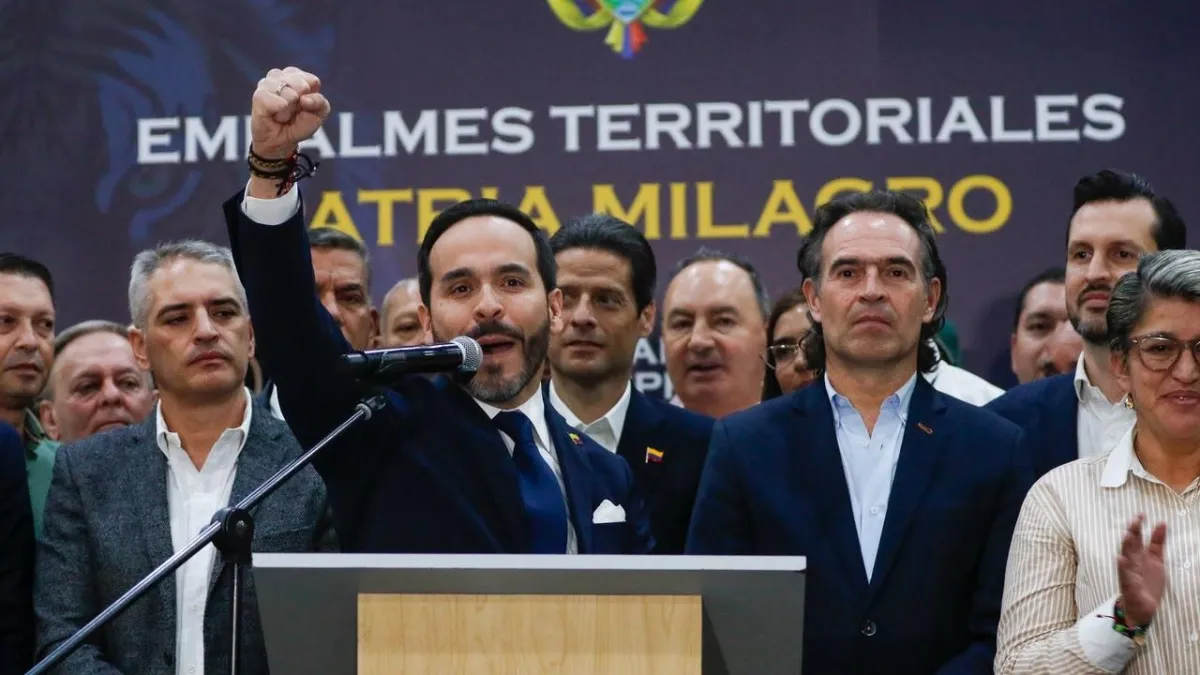
The day began in Medellín, a city emblematic of Colombia’s industrial prowess and entrepreneurial spirit, chosen by De La Espriella for a key "empalme" session. This strategic choice of location, away from the traditional power corridors of Bogotá, immediately signaled a commitment to regional engagement and decentralization.
Morning Revelations: Corruption and Diplomacy
The first major announcement directly confronted one of the most pressing challenges facing the incoming administration: pervasive corruption. De La Espriella unveiled David Santiago Tamayo Roldán as the future Director of the National Unit for Disaster Risk Management (UNGRD). Tamayo, a geologist, represents a technocratic choice for an institution that had become synonymous with graft. The president-elect’s rhetoric was unambiguous, describing the UNGRD as a "nest of bandits" that required immediate and thorough "cleaning." This statement resonated deeply within a public weary of scandals, positioning Tamayo as a figure tasked with restoring integrity and operational efficiency to a vital public service responsible for coordinating national responses to natural disasters and humanitarian crises. The choice of a geologist, a professional grounded in scientific assessment and risk analysis, underscored De La Espriella’s intention to prioritize technical expertise over political patronage in an agency whose mission is inherently technical.

Simultaneously, De La Espriella announced Mauricio Tobón as the Ambassador to Mexico. Tobón is a well-known political figure in Antioquia, having previously contended for the governorship of the department and served in the administration of former governor Luis Pérez. His active participation in De La Espriella’s presidential campaign positions this appointment as a reward for loyalty and a strategic placement of a trusted ally in a diplomatically significant post. Mexico is not only a major regional economic player but also a key partner in addressing issues such as migration, trade, and regional security. This appointment suggests De La Espriella’s administration aims to deepen ties with Mexico, potentially as a counterweight or complement to other Latin American alliances.
Decentralization and Geopolitical Alignment
Beyond specific personnel, the Medellín event also served as a platform for broader policy declarations. De La Espriella declared that Medellín, Cali, and Barranquilla would function as alternate presidential cities. This bold move aims to symbolically and practically decentralize the presidency, allowing the head of state to govern more directly from different regions, addressing local concerns, and projecting a more national presence. This initiative, if effectively implemented, could foster greater regional inclusion and responsiveness, though it also presents significant logistical and security challenges.
Perhaps the most geopolitically significant announcement was Medellín’s dual role as the future headquarters for ProColombia and the Colombian base for the "Escudo de las Américas" (Shield of the Americas). ProColombia, the government agency tasked with promoting exports, international tourism, and foreign direct investment, finds a natural home in Medellín, a city celebrated for its innovation, entrepreneurship, and growing international profile. The decision to host the "Escudo de las Américas" base, however, carries far greater weight. This initiative, originally championed by former U.S. President Donald Trump, typically involves enhanced regional security cooperation, particularly in areas like counter-narcotics, counter-terrorism, and cyber defense, often with a significant military or intelligence component. By embracing this program, De La Espriella is signaling a clear pro-U.S. foreign policy stance, potentially aligning Colombia more closely with conservative geopolitical currents in the Americas. This move is a stark departure from the previous administration’s more independent and often critical stance towards U.S. foreign policy, and it positions Colombia as a key strategic partner for Washington in the region.

Evening Announcement: Elevating Technical Education
Later in the day, the president-elect utilized his social media platforms to announce his choice for the directorship of the National Apprenticeship Service (SENA). Fray Ricardo Torres Castro, a Dominican friar with a distinguished academic background, including a tenure as rector of the Universidad Santo Tomás in Medellín from 2017 to 2023, was named to head this crucial institution. Fray Torres Castro also has a notable history of community work in the Catatumbo region, known for its complex socio-economic and security challenges, through the Diocese of Tibú.
The accompanying statement emphasized a fundamental shift in the perception and priority of technical education: "Technical and technological training will no longer be considered a second-category alternative. It will become a national commitment to build a more competitive economy and a country with greater opportunities for all." This declaration highlights De La Espriella’s vision for SENA to become a cornerstone of economic development, providing skilled labor, fostering innovation, and addressing youth unemployment by elevating vocational training to a status comparable to university education. The appointment of an academic and a religious figure with a strong social conscience suggests an emphasis on holistic development, ethical leadership, and a deep understanding of educational institutions.
Supporting Data and Context: Understanding the Landscape
These appointments are not isolated decisions but are deeply embedded within Colombia’s current political, economic, and social realities.

The Shadow of Corruption at UNGRD: The previous administration of Gustavo Petro was rocked by multiple corruption scandals, with the UNGRD emerging as a primary epicenter. Allegations of inflated contracts, misuse of disaster relief funds, and illicit political financing schemes tarnished the institution’s reputation and eroded public trust. Billions of pesos were reportedly diverted, impacting critical infrastructure projects and humanitarian aid efforts in vulnerable communities. De La Espriella’s strong rhetoric regarding Tamayo Roldán’s mandate to "clean up that nest of bandits" is a direct response to these high-profile cases, aiming to restore confidence and demonstrate a decisive break from past practices. The choice of a geologist for this role, rather than a political appointee, suggests a technocratic approach to institutional reform, prioritizing scientific and logistical expertise over political loyalties. Colombia’s vulnerability to natural disasters, from landslides to floods and seismic activity, makes the UNGRD’s integrity and efficiency paramount for national security and citizen well-being.
The Strategic Importance of Mexico: Mexico is a crucial diplomatic and economic partner for Colombia. Both nations are significant players in Latin America, sharing cultural ties, robust trade relations, and common challenges such as migration flows and organized crime. Colombia is a major exporter to Mexico, particularly in agricultural products, chemicals, and manufactured goods. The appointment of Mauricio Tobón, a seasoned regional politician, suggests a desire to leverage political networks for diplomatic gains and to ensure a strong, perhaps more ideologically aligned, representation in Mexico City. Relations between Colombia and Mexico have often navigated complex regional dynamics, and Tobón’s role will be key in shaping bilateral cooperation under a new Colombian administration that appears to be charting a distinct foreign policy course from its predecessor.
Decentralization and Regional Power: The concept of alternate presidential cities reflects a long-standing desire within Colombia for greater decentralization and a more equitable distribution of governmental attention and resources. Historically, Bogotá has dominated the political and economic landscape, often leading to perceptions of neglect or marginalization in other regions. Cities like Medellín, Cali, and Barranquilla are vital economic, cultural, and demographic centers, each facing unique challenges and opportunities. By establishing official presidential presences in these cities, De La Espriella aims to project a more federalist image, potentially fostering stronger regional development initiatives and demonstrating a commitment to addressing diverse local needs. This move could also serve to consolidate political support beyond the capital.
ProColombia and Economic Revival: ProColombia plays a pivotal role in Colombia’s economic strategy, working to attract foreign investment, boost non-traditional exports, and promote the country as a tourist destination. Locating its headquarters in Medellín, a city that has undergone a remarkable transformation from a center of conflict to an innovation hub, is a symbolic and practical choice. Medellín’s dynamic business environment, burgeoning tech sector, and reputation for resilience make it an ideal base for an agency focused on international economic engagement. This decision aligns with De La Espriella’s broader agenda of fostering economic growth and competitiveness, leveraging regional strengths to enhance Colombia’s global standing.
"Escudo de las Américas" and Geopolitical Reorientation: The "Escudo de las Américas" initiative, largely associated with former U.S. President Donald Trump’s administration, signifies a pronounced shift in Colombia’s international security alignment. While specific details of its contemporary iteration under De La Espriella are pending, it typically involves enhanced military, intelligence, and law enforcement cooperation with the United States and like-minded regional partners. This often includes joint exercises, intelligence sharing, and coordinated efforts against transnational threats like drug trafficking, illegal mining, and organized crime. For Colombia, hosting a base for such an initiative underscores a strong commitment to a pro-U.S. foreign policy and a potential pivot away from closer ties with certain left-leaning governments in Latin America that characterized the previous administration. This move could strengthen bilateral security ties with Washington, potentially leading to increased military aid and intelligence support, but it might also draw criticism from regional adversaries and could be perceived as aligning Colombia too closely with specific ideological blocs.
SENA and the Future of Work: The National Apprenticeship Service (SENA) is a cornerstone of technical and vocational training in Colombia, providing education and skills development to millions of Colombians, particularly youth and vulnerable populations. Despite its crucial role, vocational training has often been perceived as a "second-category alternative" to university education, leading to underinvestment and a societal undervaluation of skilled trades. De La Espriella’s explicit commitment to elevating SENA’s status, coupled with the appointment of a respected academic and friar like Fray Ricardo Torres Castro, signals a strategic investment in human capital. This initiative aims to align SENA’s offerings with the demands of a modern, competitive economy, addressing skill gaps, fostering entrepreneurship, and providing tangible pathways to employment and economic mobility. This emphasis is particularly relevant in a country facing high youth unemployment rates and the need for a more diversified and technologically advanced workforce.
Official Responses and Anticipated Reactions
The announcements were met with a range of reactions, primarily from the president-elect’s own team and anticipated responses from political observers and the public.
De La Espriella’s Stance: The president-elect himself has been the primary voice, delivering his appointments with conviction and clear mandates. His declaration regarding UNGRD director David Santiago Tamayo Roldán—that he possesses "all the conditions, all the qualities, and all the honesty to clean up that nest of bandits"—is a direct and forceful articulation of his anti-corruption agenda. For SENA, his statement, disseminated via social media, that technical and technological training "will no longer be considered a second-category alternative" but a "national commitment," is a clear signal of his administration’s educational and economic priorities. These statements are designed to inspire confidence, convey a sense of purpose, and differentiate his approach from previous governments.

Team’s Endorsement: While specific official responses from De La Espriella’s nascent team are still emerging, the overall message from his transition spokespersons has been one of strategic vision and a commitment to competence. They emphasize that the appointments reflect a careful selection process, prioritizing individuals with proven track records and alignment with the president-elect’s reform agenda. The choice of technical experts for key roles like UNGRD and experienced administrators for educational institutions like SENA is being framed as a move towards efficient and results-oriented governance.
Political and Public Reception:
- Opposition Parties: Opposition parties are likely to scrutinize these appointments closely. While the anti-corruption rhetoric for UNGRD might find broad support, the appointment of Mauricio Tobón, a political ally, to a diplomatic post could be criticized as political patronage. The "Escudo de las Américas" initiative will almost certainly draw strong objections from left-leaning factions, who may view it as an erosion of national sovereignty or an excessive alignment with U.S. foreign policy, potentially destabilizing regional relations.
- Civil Society and NGOs: Anti-corruption watchdogs will likely welcome the strong language surrounding UNGRD but will demand concrete actions and transparent processes from Tamayo Roldán. Education sector stakeholders will likely react positively to the elevated status of SENA and the appointment of Fray Ricardo Torres Castro, but they will look for tangible policy changes and increased funding.
- Business Sector: The business community is expected to largely welcome the focus on economic competitiveness through ProColombia in Medellín and the emphasis on skilled labor via SENA. The "Escudo de las Américas" could also be seen positively by those who believe enhanced security will foster a more stable investment climate.
- International Community: The U.S. government and its allies are likely to view the "Escudo de las Américas" announcement and the overall tenor of De La Espriella’s early appointments as a positive sign of renewed cooperation. Other Latin American nations, particularly those with more divergent political ideologies, might view these developments with caution, anticipating a shift in regional dynamics.
These initial reactions suggest that De La Espriella’s administration is poised to be one of significant ideological and policy reorientation, which will undoubtedly generate both support and resistance across various sectors.
Implications: Charting a New Course
The wave of appointments by President-elect Abelardo De La Espriella offers a compelling blueprint for his impending administration, signaling profound implications across various sectors of Colombian governance and society.

Governing Style and Ideology: These early decisions paint a picture of a pragmatic, yet ideologically driven, governing style. De La Espriella appears committed to a blend of technocratic efficiency (e.g., geologist for UNGRD, academic for SENA) and conservative political alignment (e.g., Mauricio Tobón’s appointment, "Escudo de las Américas"). His direct and uncompromising language regarding corruption suggests a firm, no-nonsense approach to institutional reform. The emphasis on regional presence through alternate presidential cities also indicates a desire for a more decentralized and responsive government, though the implementation of this will be a significant logistical challenge. Overall, the administration is shaping up to be one that prioritizes security, economic competitiveness, and a clear alignment with certain international partners.
Policy Direction:
- Anti-Corruption: The UNGRD appointment is a clear declaration of war on corruption. This will likely be a flagship policy, with high expectations for swift and visible results. Success here could bolster public trust, while failure could severely undermine the administration’s credibility.
- Foreign Relations: The appointment of Mauricio Tobón to Mexico, coupled with the "Escudo de las Américas" initiative, indicates a significant pivot in foreign policy. Colombia under De La Espriella is likely to deepen ties with the United States and conservative governments in the region, potentially moving away from the more independent or left-leaning stances of the previous administration. This could redefine Colombia’s role in regional blocs and international diplomacy.
- Economic Development: The placement of ProColombia in Medellín and the elevated status of SENA underscore a strategy focused on boosting exports, attracting investment, and developing a skilled workforce. This suggests a pro-business, pro-growth agenda, with a strong emphasis on leveraging regional economic dynamism.
- Education: The commitment to technical and technological education through SENA is a long-term investment in human capital. If successful, it could significantly address youth unemployment, improve industrial competitiveness, and provide more equitable opportunities for a broader segment of the population.
Challenges Ahead: Each appointment, while promising, comes with its own set of challenges:
- UNGRD: Tamayo Roldán faces the monumental task of dismantling deeply entrenched corruption networks, potentially encountering significant resistance from vested interests.
- Diplomacy: Tobón will need to navigate complex bilateral relations with Mexico, while the "Escudo de las Américas" initiative might strain ties with neighboring countries that hold different geopolitical views.
- Decentralization: Making alternate presidential cities truly effective will require substantial logistical planning, resource allocation, and coordination to avoid merely symbolic gestures.
- SENA: Fray Ricardo Torres Castro will need to drive cultural change to elevate the perception of vocational training and ensure SENA’s curriculum remains relevant to evolving industry needs.
The Unfinished Cabinet: The fact that three ministerial positions remain unannounced adds an element of suspense. These remaining portfolios, likely including critical ministries such as finance, defense, or interior, will further define the ideological and operational core of De La Espriella’s government. Their eventual occupants will be crucial in translating these early signals into comprehensive policy frameworks.

In conclusion, President-elect Abelardo De La Espriella’s initial wave of appointments on this Tuesday has not only begun to fill key roles but has also powerfully articulated the foundational principles of his incoming administration. It signals a government determined to combat corruption, decentralize power, align strategically on the international stage, and fundamentally reform education for economic prosperity. The success of these ambitious undertakings will ultimately hinge on effective execution and the capacity to navigate the complex political and social landscape of Colombia.