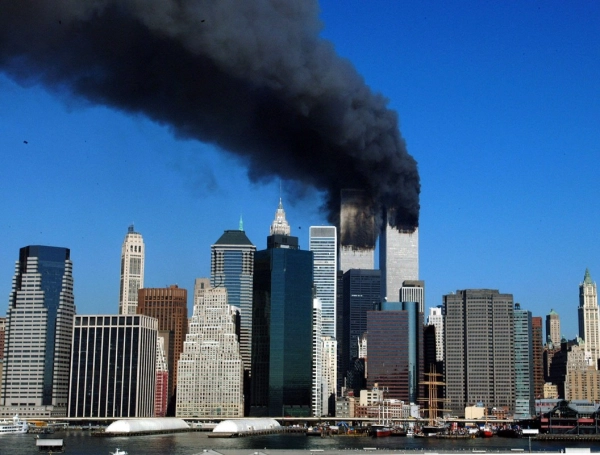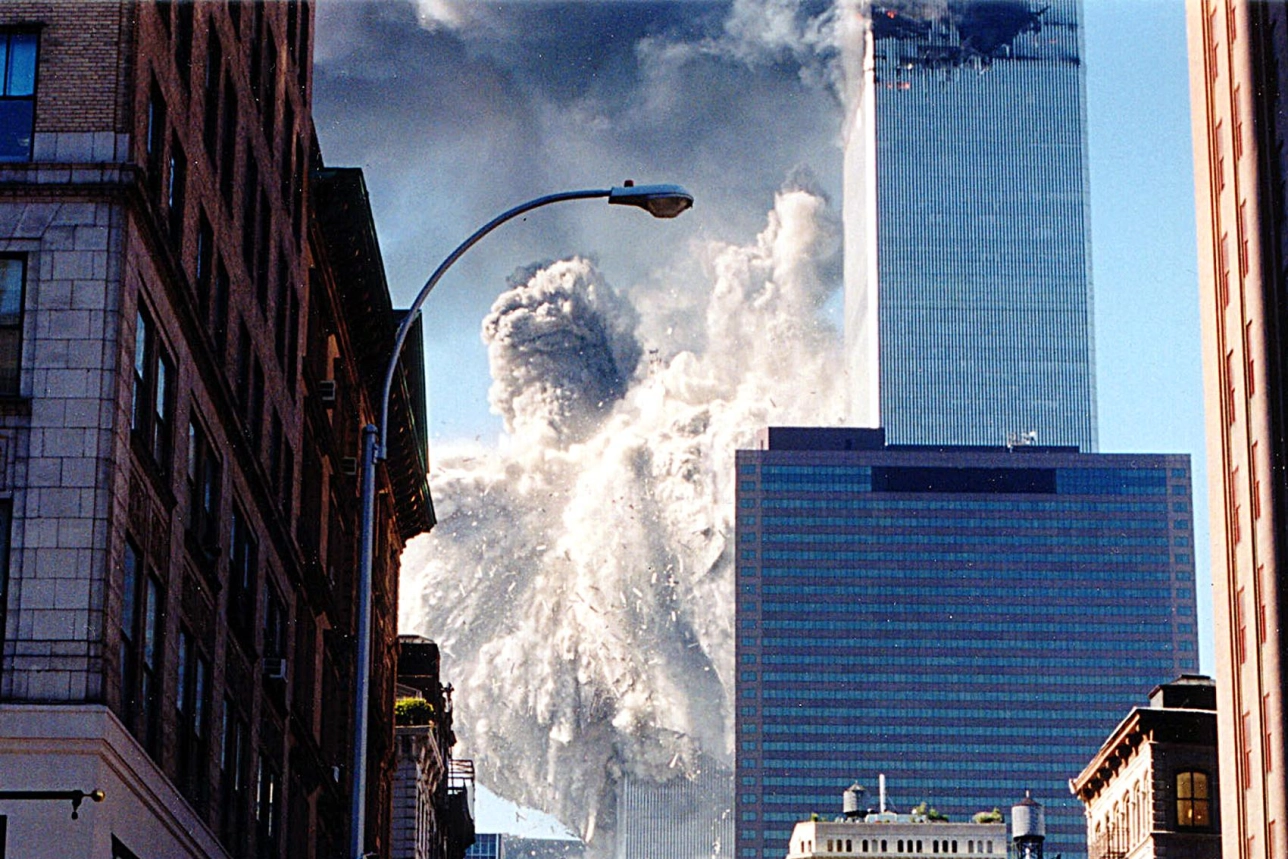
NEW YORK / WASHINGTON D.C. — Twenty-five years have passed since a clear, late-summer Tuesday was violently shattered, forever altering the trajectory of modern history. On September 11, 2001, 19 operatives affiliated with the extremist group al-Qaeda executed a coordinated, highly sophisticated suicide mission that targeted the economic, military, and political nerve centers of the United States.

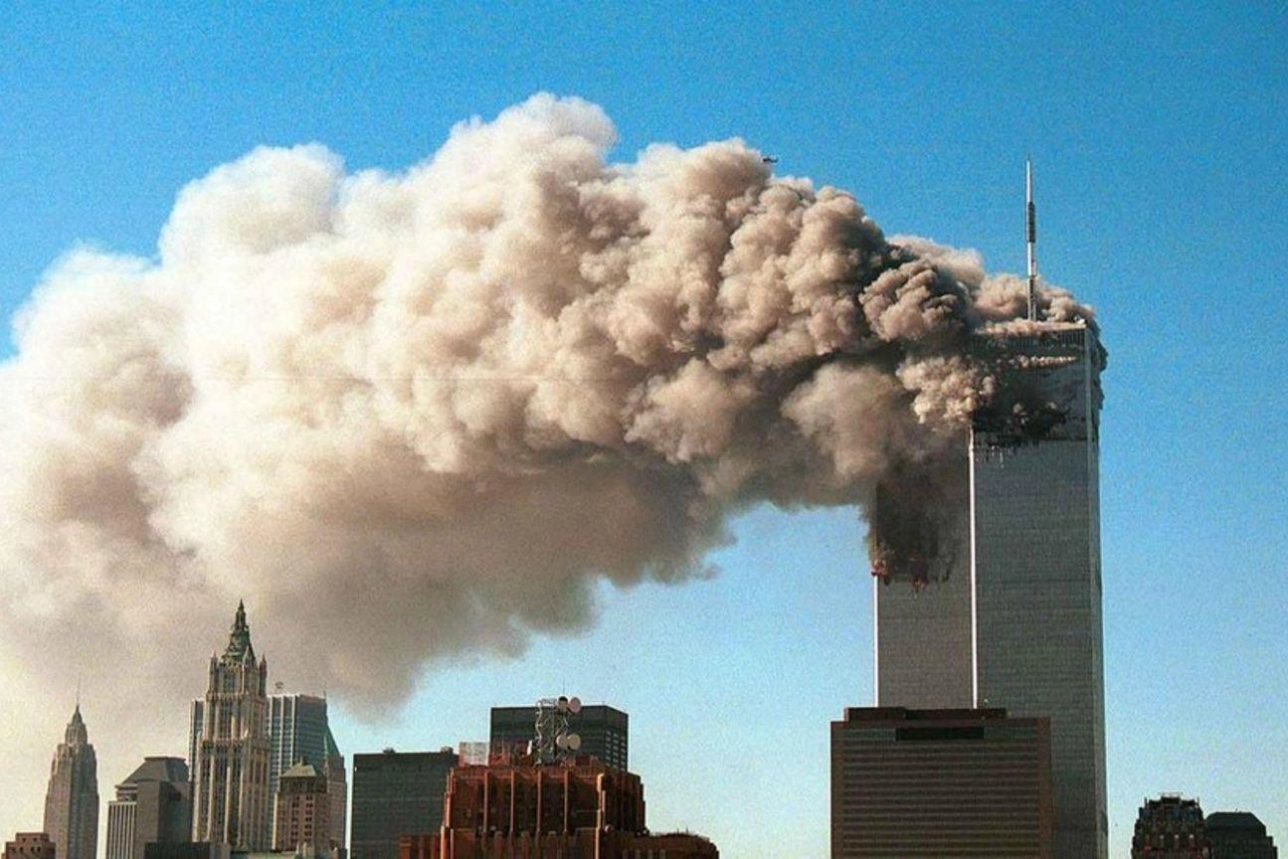
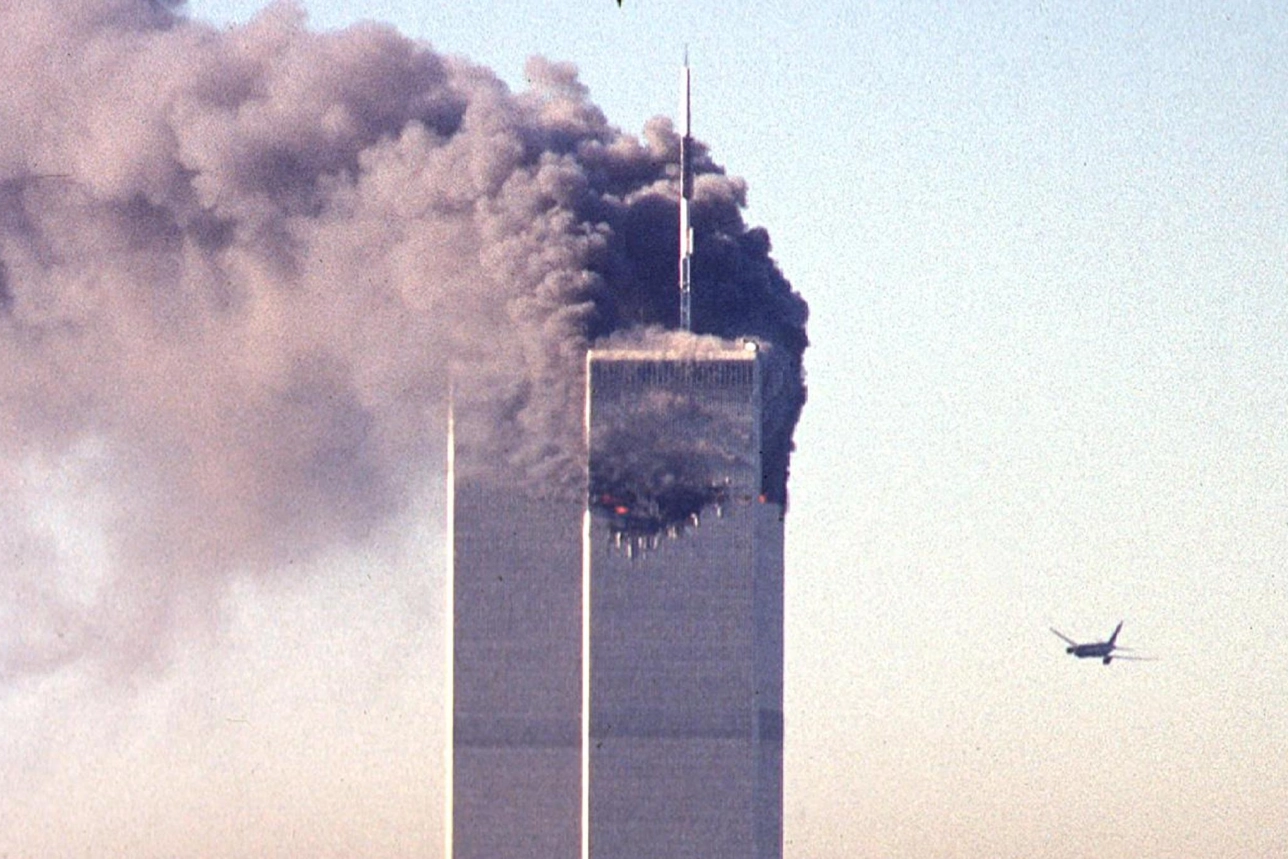
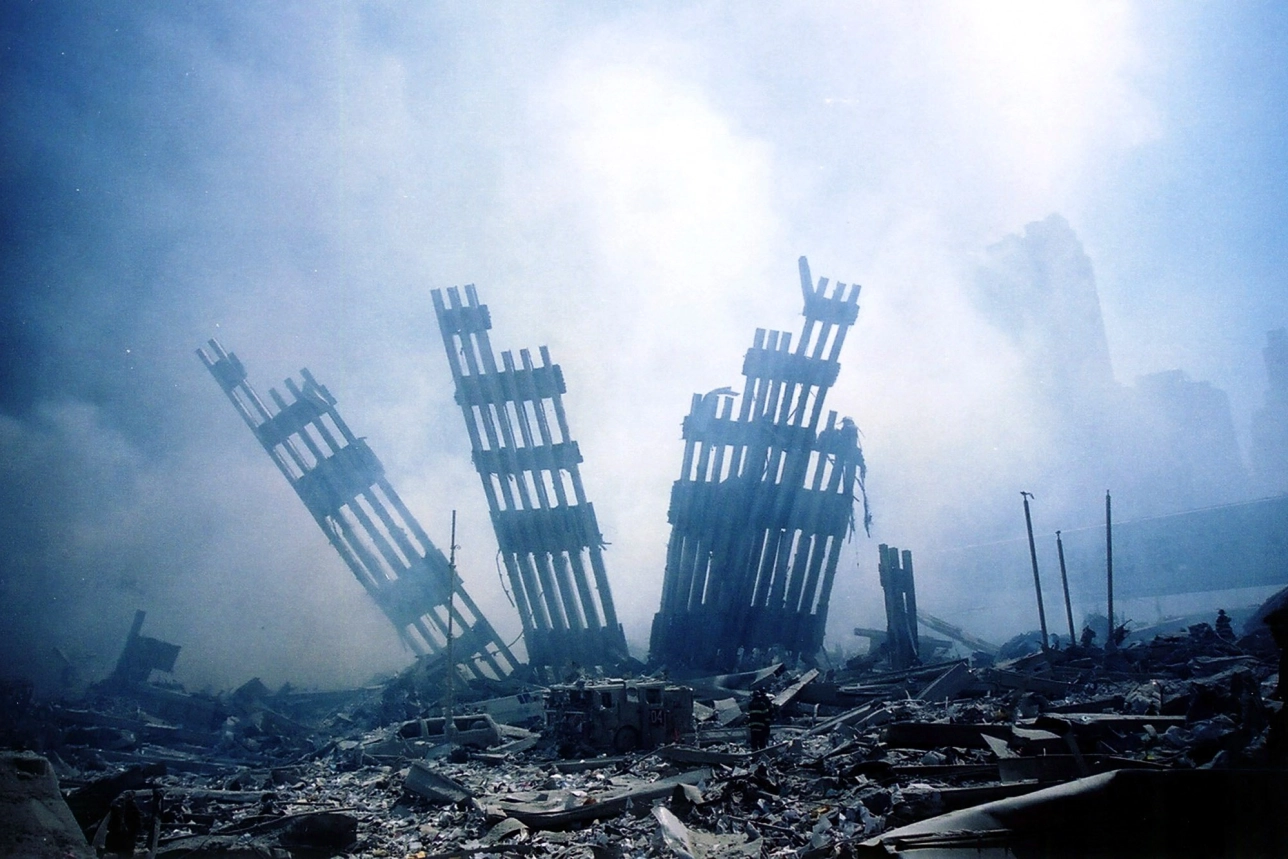
Four commercial airliners were hijacked mid-flight. Two struck the iconic twin towers of the World Trade Center in New York City, causing their catastrophic structural collapses. A third plowed into the western facade of the Pentagon outside Washington, D.C., while a fourth—believed to be targeted at the U.S. Capitol or the White House—crashed into an open field in Shanksville, Pennsylvania, thanks to the heroic intervention of its passengers and crew.
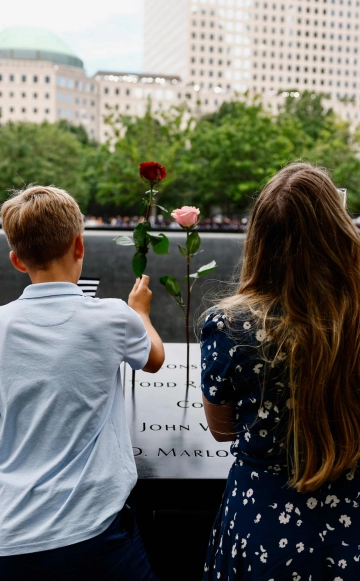
The immediate human cost was staggering: nearly 3,000 innocent lives were extinguished in a matter of hours. The geopolitical fallout was equally profound, plunging the United States into two protracted wars, catalyzing a massive expansion of domestic surveillance apparatuses, and rewriting the paradigms of international security, aviation, and global migration.
As the world paused on September 11, 2026, to mark a solemn silver jubilee—a full quarter of a century since the tragedy—survivors, families of victims, and global leaders gathered at the National September 11 Memorial & Museum, the Pentagon, and Shanksville. Through drone displays tracing the ghosts of the towers, tearful reunions at Bryant Park—where 2,753 empty chairs stood in haunting symmetry for those lost at the World Trade Center—and high-profile bipartisan attendances, the international community reflected on a wound that, though scarred over by time, remains fundamentally transformative.
Chronology of a Day That Changed the World
To understand the scope of the 2001 attacks, it is essential to trace the harrowing sequence of events that unfolded minute by minute across the American airspace:
- 7:59 AM (EDT): American Airlines Flight 11, a Boeing 767 carrying 92 people, departs Boston’s Logan International Airport bound for Los Angeles. It is the first of the four planes to be hijacked.
- 8:14 AM: United Airlines Flight 175, also a Boeing 767 bound for Los Angeles with 65 people on board, departs Boston.
- 8:20 AM: American Airlines Flight 77, a Boeing 757 carrying 64 people, departs Dulles International Airport near Washington, D.C.
- 8:42 AM: United Airlines Flight 93 departs Newark International Airport bound for San Francisco with 44 people on board.
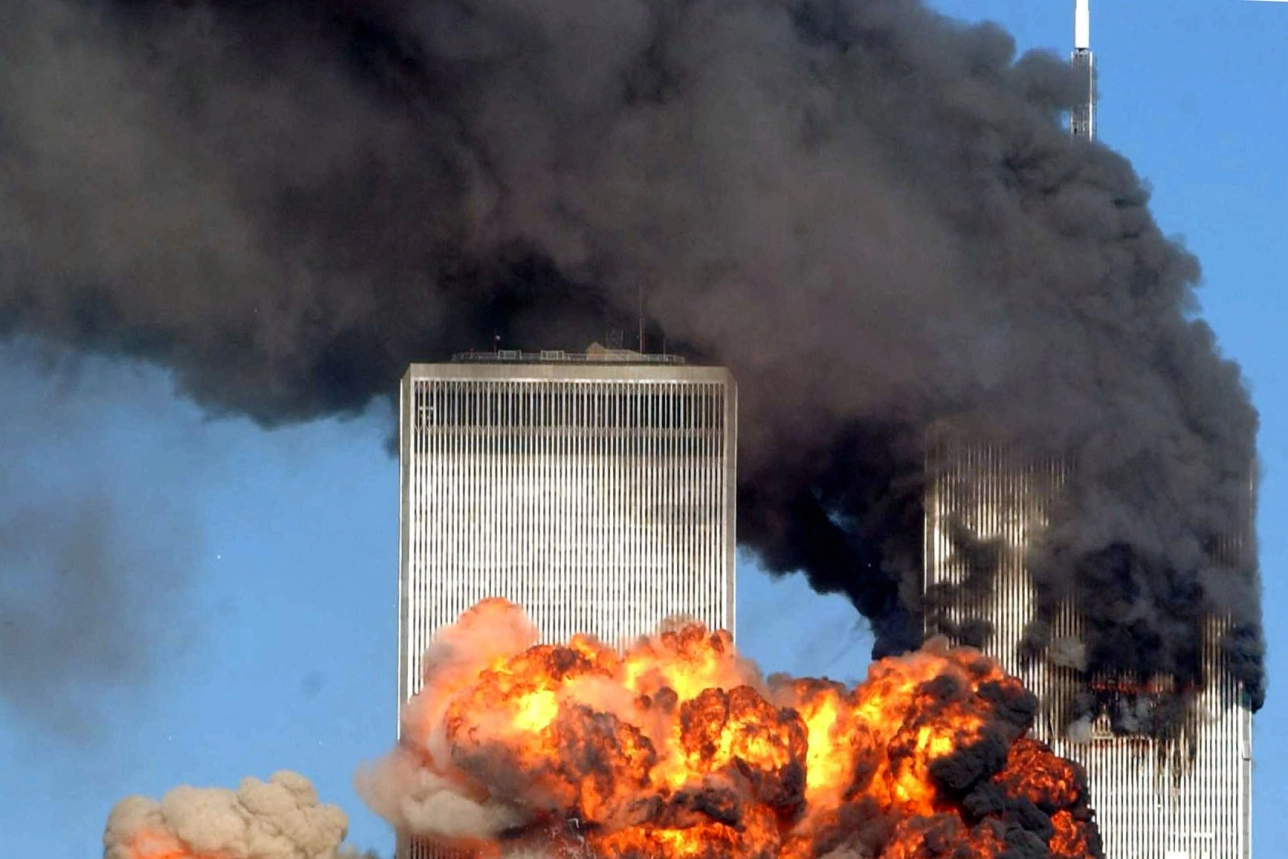
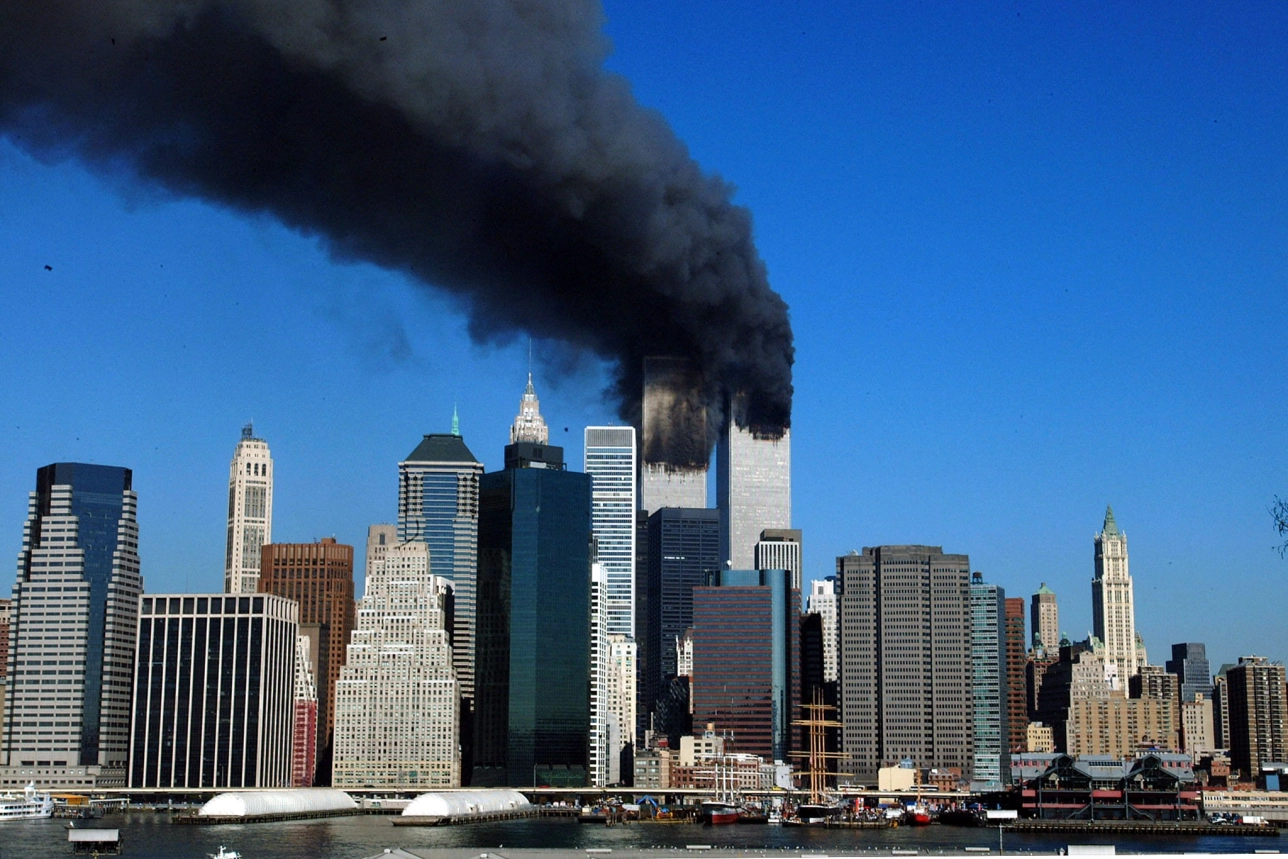
- 8:46 AM: Flight 11 crashes into the North Tower (1 WTC) of the World Trade Center between the 93rd and 99th floors. The impact instantly kills hundreds and traps thousands more above the collision zone.
- 9:03 AM: Flight 175 strikes the South Tower (2 WTC) of the World Trade Center between the 77th and 85th floors. Broadcast live on global television, it confirms to a stunned world that the nation is under coordinated attack.
- 9:37 AM: Flight 77 crashes into the western side of the Pentagon, causing a partial structural collapse and killing 125 people on the ground in addition to all 64 passengers and crew.
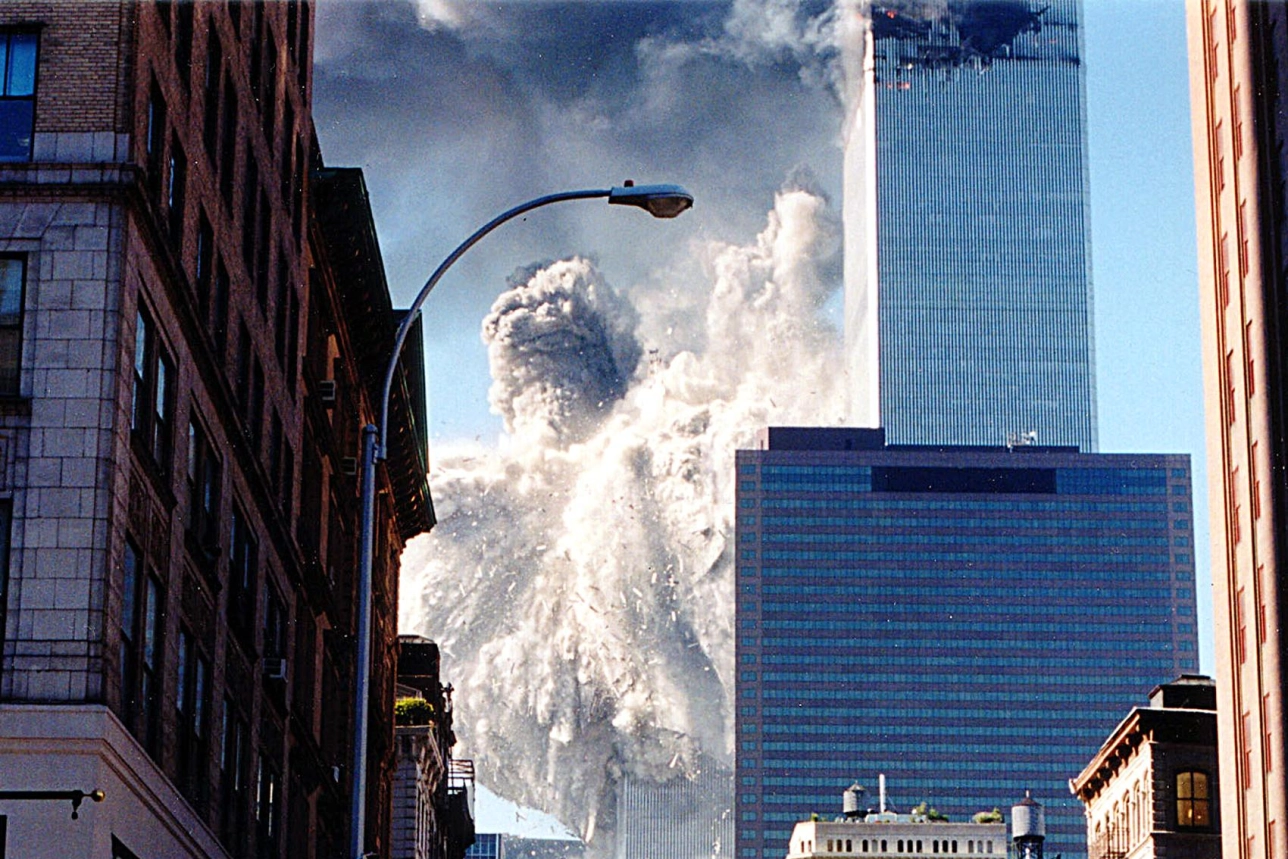
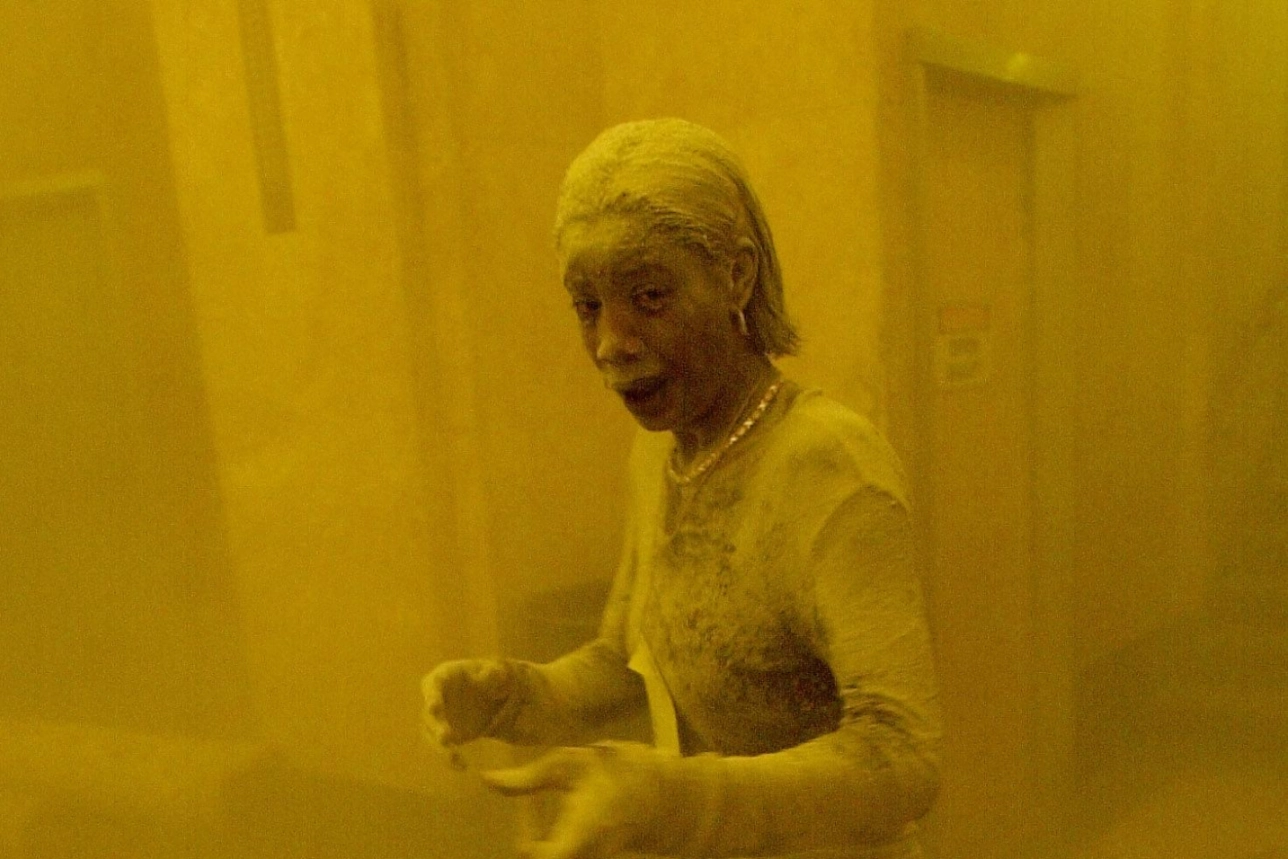
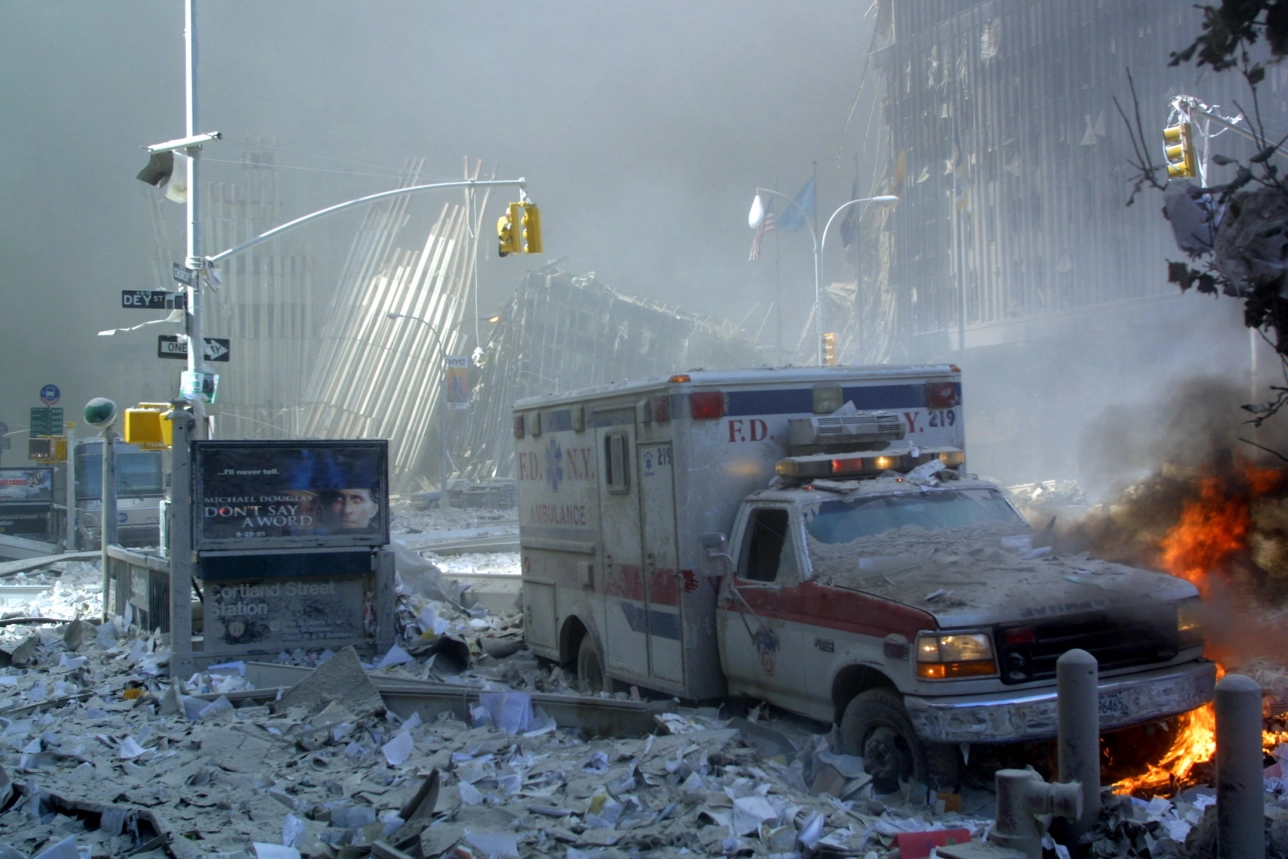
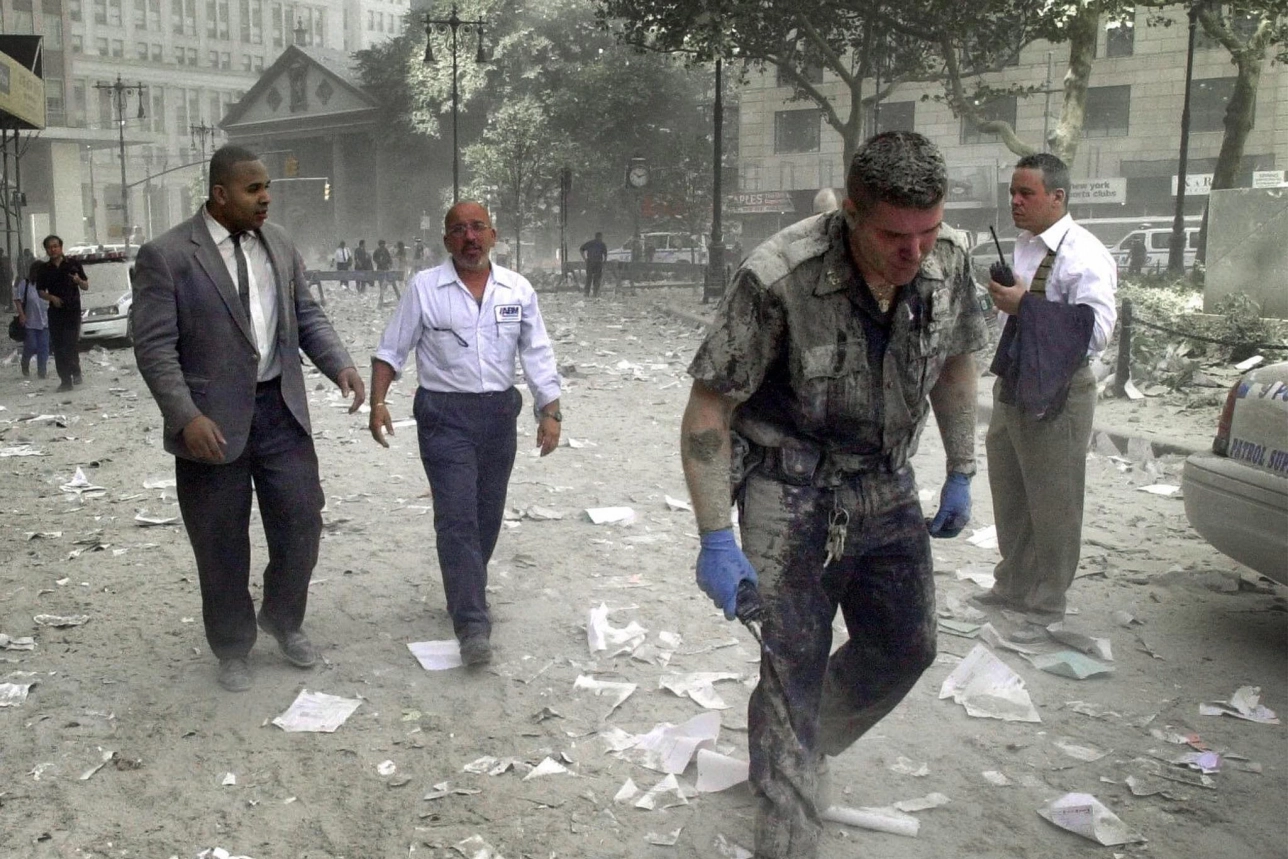
- 9:59 AM: The South Tower of the World Trade Center collapses in a thunderous cloud of pulverized concrete, steel, and ash, lasting merely 10 seconds.
- 10:03 AM: Realizing that their aircraft is being used as a guided missile against a Washington target, the passengers and crew of Flight 93 revolt against the hijackers, crashing the plane into a Somerset County field in Pennsylvania.
- 10:28 AM: The North Tower of the World Trade Center collapses, leaving lower Manhattan obscured in a toxic, apocalyptic pall.
Supporting Data and Human Toll
The statistical dimensions of September 11 extend far beyond the raw death toll of that single Tuesday, casting a long shadow over public health and emergency response infrastructure.
- Fatalities: Exactly 2,977 victims (excluding the 19 al-Qaeda hijackers) perished in the attacks. This included 2,753 people at the World Trade Center site, 184 at the Pentagon, and 40 in Shanksville.
- First Responders: The emergency response cost the lives of 343 firefighters and paramedics from the Fire Department of New York (FDNY), 71 law enforcement officers from various agencies, and 55 military personnel stationed at the Pentagon.
- Global Demographics: Victims hailed from over 90 different countries, transforming a national tragedy into a global loss.
- Long-Term Health Crisis: Over the subsequent 25 years, illnesses linked to the toxic cloud of carcinogens, pulverized glass, asbestos, and jet fuel at Ground Zero have claimed the lives of thousands more rescue workers, cleanup volunteers, and downtown residents—a toll that rivals the casualties of the actual attacks.
Official Responses and Political Realignments
The immediate aftermath of September 11 triggered sweeping domestic and international legislation that permanently transformed the American social and political landscape.
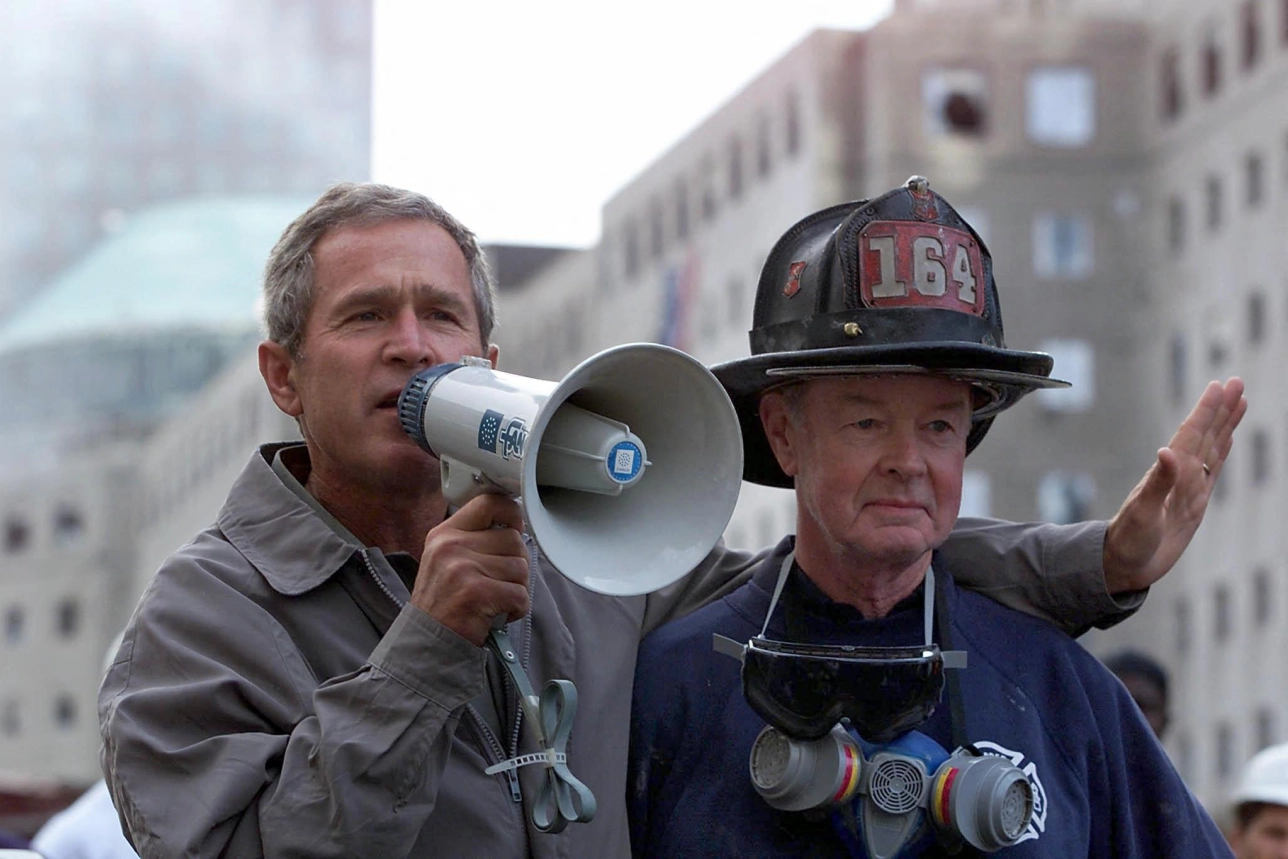
Within weeks, President George W. Bush announced the inception of the "War on Terror," establishing a doctrine of preemptive military action against state sponsors of terrorism. This policy led directly to the invasion of Afghanistan in October 2001—aimed at dismantling al-Qaeda and removing the ruling Taliban regime—and the controversial, highly divisive invasion of Iraq in March 2003.
Domestically, the federal government rushed to centralize national security functions. In November 2001, the Aviation and Transportation Security Act created the Transportation Security Administration (TSA), fundamentally altering air travel procedures worldwide. Shortly thereafter, Congress passed the USA PATRIOT Act, which vastly expanded the surveillance capabilities of federal law enforcement agencies, granting intelligence communities broad authorities to monitor electronic communications, financial transactions, and foreign intelligence activities. Critics long argued that these measures infringed upon civil liberties and constitutional privacy rights, while proponents insisted they were vital shields against subsequent attacks.
Implications a Quarter-Century Later: The World in 2026
Twenty-five years later, the reverberations of 9/11 continue to define the contours of geopolitics, domestic policy, and cultural memory.
1. The End of the Post-Cold War Era
The attacks shattered an era of post-Cold War optimism and globalization, replacing it with an epoch defined by state fragility, asymmetric warfare, and the rise of homeland security states. The subsequent withdrawal of U.S. forces from Afghanistan in 2021 closed a turbulent chapter of protracted military engagement, leaving behind complex humanitarian crises and shifting Washington’s strategic focus toward great-power competition with nations like China and Russia.
2. The Evolution of the Global Terror Threat
While al-Qaeda was severely degraded in the years following the death of its leader, Osama bin Laden, in 2011, the global threat matrix has diversified. Terrorism has decentralized, evolving from centrally orchestrated operations executed by hierarchical networks into a decentralized ecosystem of localized insurgencies, homegrown radicalization fueled by social media, and digital cyber threats.
3. Cultural and Generational Memory
As marked by the 2026 silver jubilee ceremonies—attended by figures spanning political generations, from former Presidents George W. Bush, Bill Clinton, and Barack Obama to current political leaders—September 11 has transitioned from living memory into historical legacy. A significant portion of the global workforce and current military personnel were born after 2001. For them, 9/11 occupies a place in history textbooks alongside Pearl Harbor and the World Wars, yet its structural impacts on airport security, border controls, data privacy, and foreign policy remain an inescapable part of daily life.
Ultimately, the 25th anniversary serves as both a solemn commemoration of those who perished and an opportunity for critical introspection. The world forged on September 11, 2001, is one of heightened vigilance, technological surveillance, and enduring grief—a testament to how a few hours in the morning altered the course of human history forever.