International Desk — Special Report Updated September 10, 2026
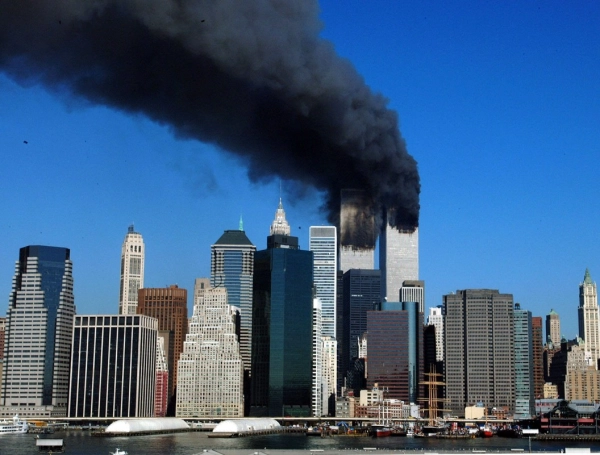
As the United States approaches the solemn 25th anniversary of the September 11 terrorist attacks, the city of New York has broken decades of administrative silence. Mayor Zohran Mamdani announced the public release of over 170,000 pages of long-withheld municipal documents. This massive trove exposes a systematic effort by past local administrations to downplay the extreme toxicity of the air enveloping Lower Manhattan in the wake of the World Trade Center’s collapse.
While the nation prepares to honor the 2,977 victims who perished on that fateful Tuesday in 2001, a secondary, slower-moving catastrophe continues to claim lives. According to federal medical monitoring data, more than 9,400 people have now died from illnesses directly linked to exposure to the toxic plume at Ground Zero—a staggering toll that triples the number of direct fatalities from the attacks themselves.
The newly unearthed records validate what victims’ advocates, first responders, and independent scientists have argued for a quarter of a century: that government officials prioritized economic recovery and political liability over public safety, knowingly reassuring residents and workers that the air was "safe and acceptable" while internal data suggested otherwise.
1. Main Facts: The Declassification and Its Core Revelations
The disclosure of the 170,000-page archive is the direct result of a legal battle waged by 9/11 Health Watch, an advocacy group dedicated to protecting the rights of survivors and first responders. Under a settlement agreement finalized this week, the city finally relinquished files concerning air quality, public health directives, and the emergency response orchestrated in the days, weeks, and months following September 11, 2001.
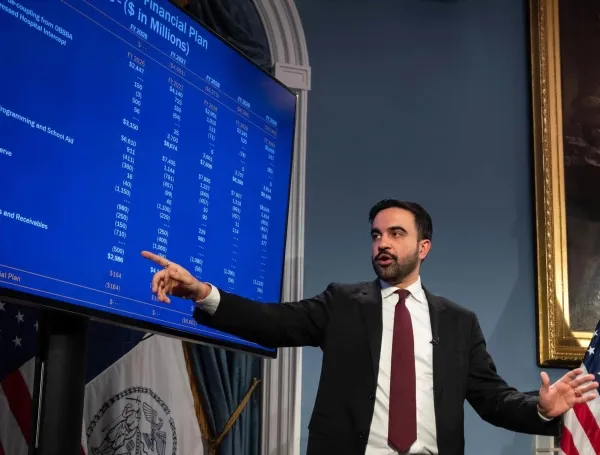
Speaking at a tense press conference, Mayor Mamdani laid bare the gravity of the archive’s contents:
"These are documents that show what the city knew about the toxic air around Ground Zero, when it knew it, and how it acted to limit its liability. The people got sick because leaders they trusted lied and told them it was safe to breathe toxic air."
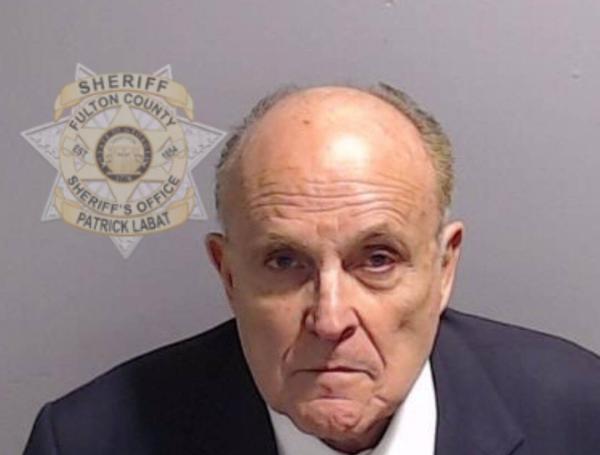
The documents point squarely at successive municipal administrations, casting a harsh retrospective light on the actions of former Mayor Rudy Giuliani, who was leading the city during the attacks, and former Mayor Michael Bloomberg, whose tenure spanned from 2002 to 2013. While Mamdani stopped short of calling for criminal indictments, his remarks underscored a profound breach of public trust, noting that the cover-up involved numerous powerful officials who manipulated the narrative of post-9/11 recovery.
Benjamin Chevat, director of 9/11 Health Watch, did not mince words in a blistering statement released alongside the documents:
"For 25 years, four different municipal administrations concealed from the public, the United States Congress, and the City Council documents that revealed what the city actually knew about the danger of toxic chemicals in Lower Manhattan and western Brooklyn."
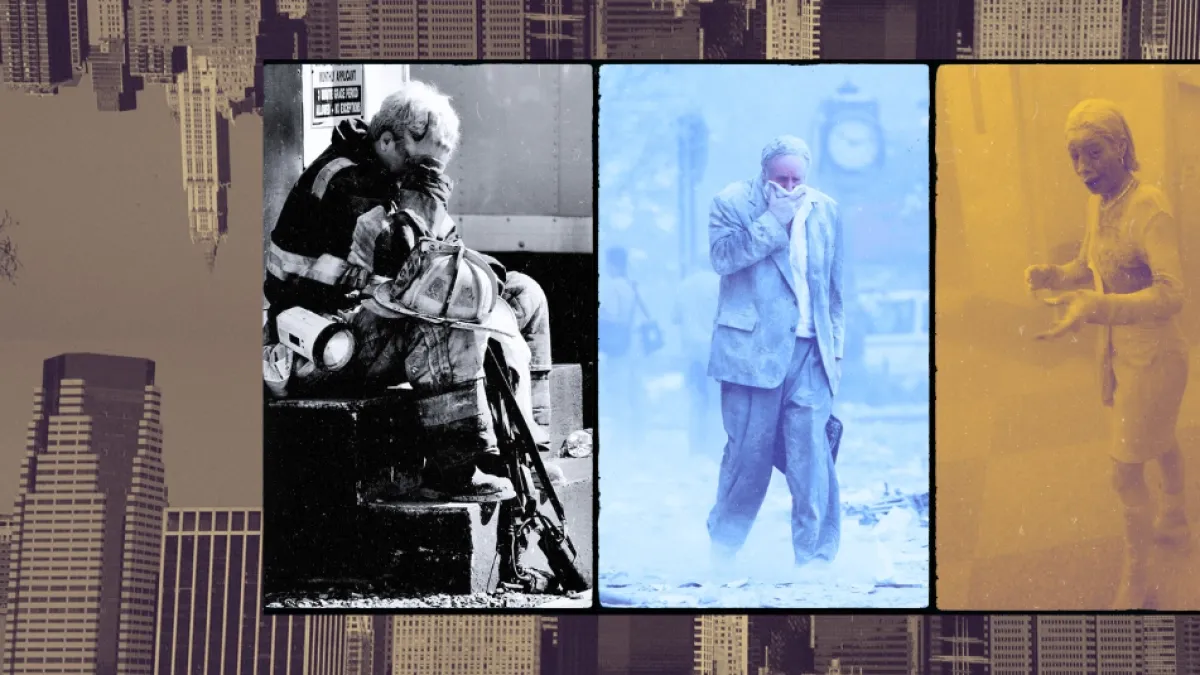
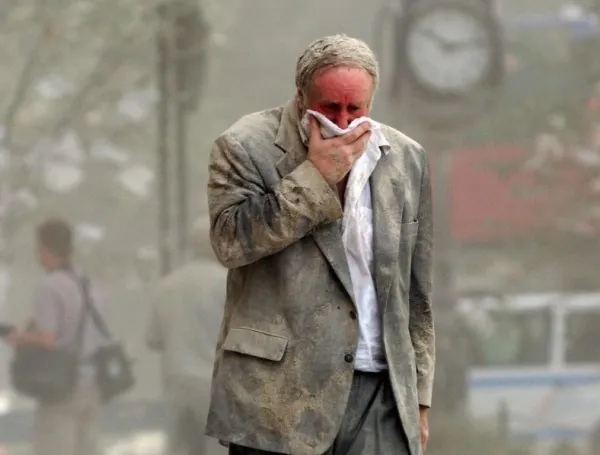
Despite internal memorandums detailing the presence of pulverized concrete, asbestos, benzene, lead, glass fibers, and dioxins in the atmosphere, city, state, and federal agencies repeatedly urged citizens to return to work and school, famously assuring them that the air quality was within safe parameters.
2. Chronology of a Public Health Cover-Up
To understand the magnitude of the newly released documents, it is essential to trace the timeline of denial, whistleblowing, and eventual reckoning that has defined the past 25 years.
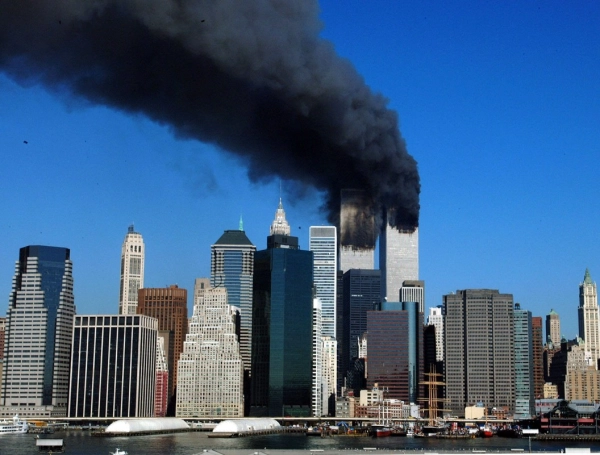
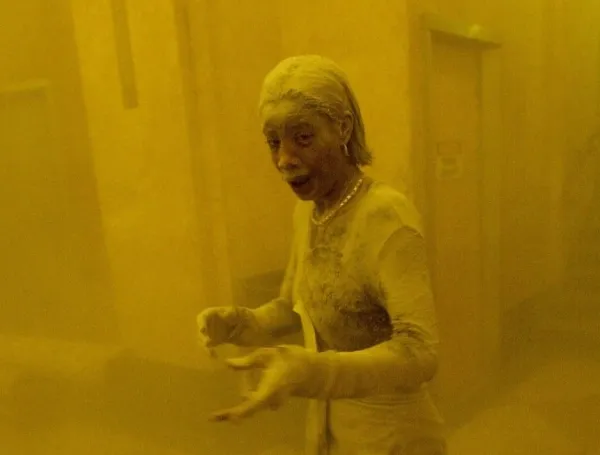
September 11, 2001: Commercial airliners hijacked by al-Qaeda terrorists strike the Twin Towers, the Pentagon, and a field in Shanksville, Pennsylvania. The collapse of the World Trade Center unleashes a monumental cloud of pulverized building materials and combustion byproducts over New York City.
September–December 2001: Amid intense political and economic pressure to project normalcy and reopen Wall Street, federal and municipal authorities—including the Environmental Protection Agency (EPA) and the Giuliani administration—issue repeated statements claiming the air is safe to breathe. Independent tests by academic researchers are routinely dismissed.
2002–2013 (The Bloomberg Era): Despite mounting respiratory illnesses among rescue workers and downtown residents, the Bloomberg administration continues to push back against expanded health monitoring. During this period, then-Congressman Jerry Nadler issues persistent warnings regarding the long-term health risks posed to Lower Manhattan residents, only to be marginalized by city officials.
2010s: Advocacy groups secure incremental expansions of the James Zadroga 9/11 Health and Compensation Act, providing federal healthcare funding for responders and survivors. However, broader municipal records remain heavily redacted or locked behind administrative walls.
2024–2025: Legal pressure mounts as 9/11 Health Watch files comprehensive freedom-of-information lawsuits to compel the city to release internal communications regarding air toxicity assessments.
September 10, 2026: On the eve of the 25th anniversary, Mayor Zohran Mamdani fulfills the legal settlement, releasing over 170,000 pages of suppressed documentation and publicly acknowledging the historical deception.
3. Supporting Data: The Anatomy of an Unfolding Epidemic
The human cost of the toxic plume is meticulously tracked by the World Trade Center (WTC) Health Registry, managed by the New York City Department of Health and Mental Hygiene. Established in November 2001, the registry is one of the largest and longest-running public health tracking initiatives in modern history.
Currently, over 71,000 individuals are officially enrolled in the registry, encompassing rescue workers, recovery personnel, volunteers, local residents, office workers, and students who were present in the disaster zone.
According to Dr. Alister F. Martin, the city’s Health Commissioner, the registry has been vital in identifying multi-system pathologies triggered by the acute and chronic exposure to Ground Zero toxins:
"It has been essential for understanding the long-term effects on health and for ensuring that the people who were exposed continue to be cared for, heard, supported, and never forgotten."
Key Medical Findings and Statistics:
The Death Toll: More than 9,400 individuals have died from 9/11-related illnesses as of late 2026—more than triple the 2,977 direct victims of the attacks.
Post-Traumatic Stress Disorder (PTSD): PTSD remains the most pervasive psychological consequence. Nearly 20% of all adults enrolled in the registry exhibit symptoms of PTSD, a rate four times higher than that of the general U.S. population.
Pediatric Vulnerability: Children who lived or studied in Lower Manhattan during the disaster face double the risk of developing asthma compared to their peers across New York State, alongside elevated rates of childhood depression.
Respiratory and Autoimmune Conditions: Documented conditions include chronic obstructive pulmonary disease (COPD), pulmonary fibrosis, sarcoidosis, severe asthma, gastroesophageal reflux disease (GERD), and numerous aggressive forms of cancer.
Cognitive Decline: Recent epidemiological studies have uncovered a troubling correlation between dust exposure and early-onset cognitive impairment, with memory loss and confusion reported by more than one in five registry participants.
4. Official Responses and Accountability
The release of the documents has triggered a fierce national debate regarding accountability, transparency, and institutional ethics. While victims’ families and survivor groups view the document dump as a long-overdue victory for historical truth, representatives of past administrations have largely remained silent or defended their crisis-management decisions under the extraordinary pressures of the post-9/11 environment.
Defenders of the initial response have historically argued that officials were operating in an unprecedented vacuum of information during a national security crisis, where the primary objective was to prevent total economic panic and maintain civic infrastructure.
However, the newly disclosed files dismantle this defense by revealing internal emails and laboratory analyses showing that toxicologists and environmental engineers explicitly warned city leaders about carcinogenic particles in the air before public reassurances were broadcast.
Legal experts suggest that while direct criminal prosecutions are unlikely due to statutes of limitations, the public release of these records opens the door for expanded civil litigation and renewed congressional oversight regarding how local governments handle catastrophic environmental disasters.
5. Broader Implications: Lessons for Future Crises
As New York City gathers to mark a quarter of a century since the towers fell, the implications of this disclosure extend far beyond the geography of Lower Manhattan. The tragedy at Ground Zero and its subsequent cover-up serve as a cautionary case study in public health governance during catastrophic events.
Public health ethicists note several critical takeaways from the 20-year trajectory of the WTC Health Registry and the newly liberated municipal documents:
Transparency Over Expediency: The instinct to suppress alarming environmental data to preserve public calm or economic stability ultimately causes far greater long-term damage, eroding institutional trust and compounding physical injury through lack of preventative care.
Long-Term Health Infrastructure: Disasters of this scale require open-ended, federally funded medical monitoring systems that can adapt to evolving health crises, such as the emergence of cognitive decline and autoimmune diseases decades after the event.
Protecting Vulnerable Populations: The data clearly demonstrates that children and low-income residents in areas adjacent to major industrial or disaster zones bear a disproportionate burden of environmental toxins, requiring targeted, long-term pediatric intervention.
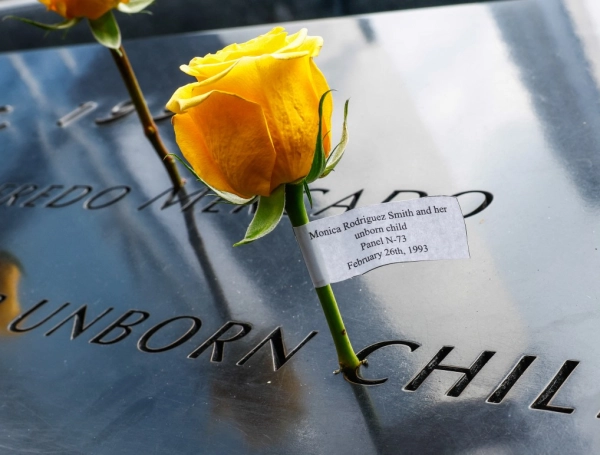
As the sun sets over the National September 11 Memorial & Museum, the names of the dead are etched in bronze, but the invisible casualties—those who drew a single, fatal breath of the New York sky twenty-five years ago—finally have their story told in full.
WASHINGTON — In a dramatic escalation of tensions between the executive branch and the American press corps, United States President Donald Trump announced on Friday that his administration is revoking the press credentials of several…
Executive Summary On the night of Thursday, July 16, 2026, the Colombian political activist and social media commentator Franklin Humberto "Beto" Coral arrived in Bogotá aboard a humanitarian flight operated by the Colombian Aerospace Force…
By International News Desk Updated: July 24, 2026 The fragile stability that defined the early summer months in the Middle East has effectively disintegrated. As of this Friday, July 24, 2026, the ongoing military standoff…