INTERNATIONAL DESK
Published: September 14, 2026 – 4:16 PM
Main Facts
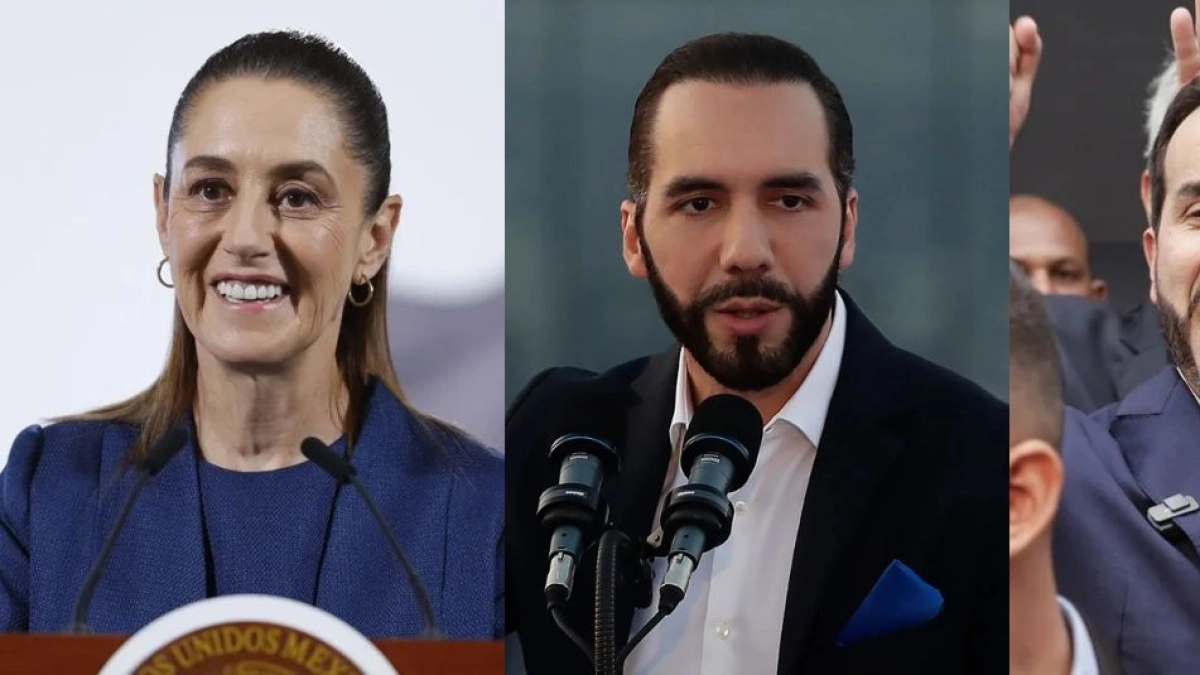
The political landscape across Latin America continues to experience profound shifts, marked by stark contrasts in leadership perception, economic pressures, and institutional friction. According to the September 2026 survey conducted by CB Global Data, Mexican President Claudia Sheinbaum has captured the top spot as the region’s best-rated head of state, boasting a 69% approval rating. Close behind her are El Salvador’s Nayib Bukele and Colombia’s newly inaugurated president, Abelardo De La Espriella.

Conversely, the bottom of the regional ranking is occupied by leaders facing intense political turmoil, governance crises, and institutional challenges. Guatemalan President Bernardo Arévalo closes the list in last place with a 28.2% approval rating, closely preceded by Venezuela’s acting president, Delcy Rodríguez, and Panama’s José Raúl Mulino.

The latest monthly tracking data highlights dynamic fluctuations in public sentiment:
- The Frontrunners: Claudia Sheinbaum (Mexico) leads with 69% approval (up 2.5 points), followed by Nayib Bukele (El Salvador) at 66.2% (down 2.5 points), and Abelardo De La Espriella (Colombia) entering strongly in third place with 53.6%.
- The Sharpest Decline: Bolivia’s Rodrigo Paz suffered the most dramatic drop of the month, plunging 8.9 percentage points down to 41.6% amid a national state of exception.
- The Methodology: The poll surveyed citizens aged 18 and older across 18 Latin American countries between September 7 and September 11, 2026. Sample sizes ranged from 3,225 to 4,271 respondents per nation, maintaining a 95% confidence level and an average margin of error between ±1.5% and ±1.7%.
Chronology of Events Impacting Leadership Standings
The period leading up to the September 2026 index was characterized by significant geopolitical pressures, natural disasters, and internal security crises that directly altered public perception of various regional executives.

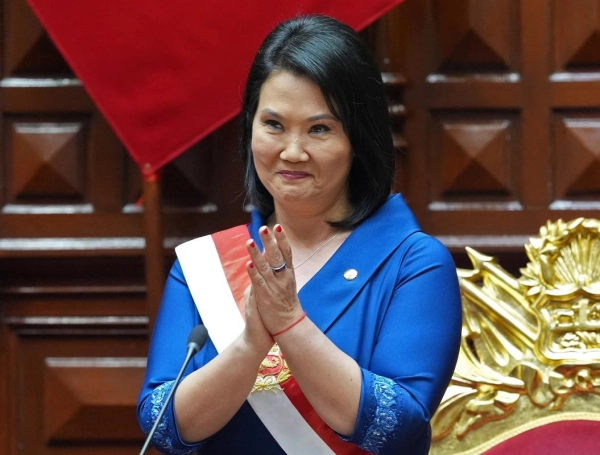
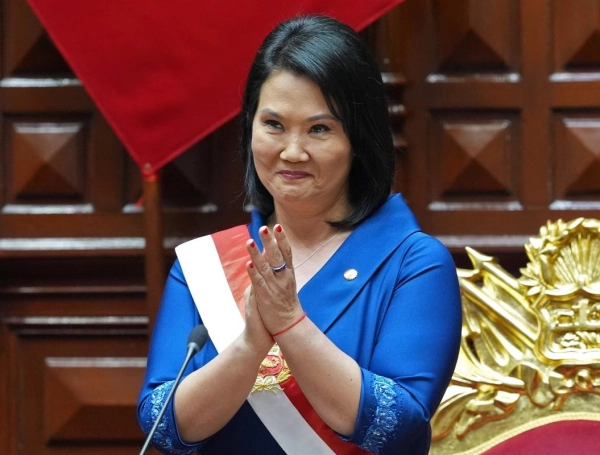
- Late July 2026: Peru undergoes a leadership transition as Keiko Fujimori assumes the presidency on July 28, entering the regional index at fourth place with an initial 52.4% approval rating. Meanwhile, Brazil’s Luiz Inácio Lula da Silva faces rising domestic pressure as campaigns gear up for the upcoming October general elections.
- August 7, 2026: In Colombia, Abelardo De La Espriella is sworn in as head of state. Just three days later, on August 10, his administration faces an immediate baptism by fire when a powerful 7.4-magnitude earthquake strikes the nation, requiring an immediate, coordinated disaster relief response.
- Mid-August to Early September 2026: Bolivia descends into severe institutional strain. President Rodrigo Paz implements a state of exception to clear crippling highway blockades and suppress what his administration terms coordinated attempts at destabilization. This hardline containment strategy triggers an 8.9-point collapse in his public approval metrics.
- September 7–11, 2026: CB Global Data fields its comprehensive 18-nation survey, capturing the direct impact of recent economic negotiations, tariff threats from the United States, and domestic security policies across the region.
Supporting Data: Regional Rankings and Approval Metrics
The complete breakdown of the September 2026 CB Global Data survey reveals the following approval and disapproval figures across Latin America:
| Rank | Leader & Country | Approval (%) | Disapproval (%) | Monthly Change / Context |
|---|---|---|---|---|
| 1 | Claudia Sheinbaum (Mexico) | 69.0% | 28.3% | +2.5% (Faces U.S. tariff pressures and cartel crackdowns) |
| 2 | Nayib Bukele (El Salvador) | 66.2% | 29.9% | -2.5% (Remains a regional powerhouse despite a slight dip) |
| 3 | Abelardo De La Espriella (Colombia) | 53.6% | 41.6% | New Entry (Managed post-earthquake crisis post-inauguration) |
| 4 | Keiko Fujimori (Peru) | 52.4% | 45.1% | -2.6% (Assumed office late July; experiencing initial settling) |
| 5 | Luis Abinader (Dominican Republic) | 50.8% | 43.8% | +2.7% (Largest positive surge of the month) |
| 6 | Laura Fernández (Costa Rica) | 49.7% | 45.0% | Stable (Maintains consistent margins near the 50% threshold) |
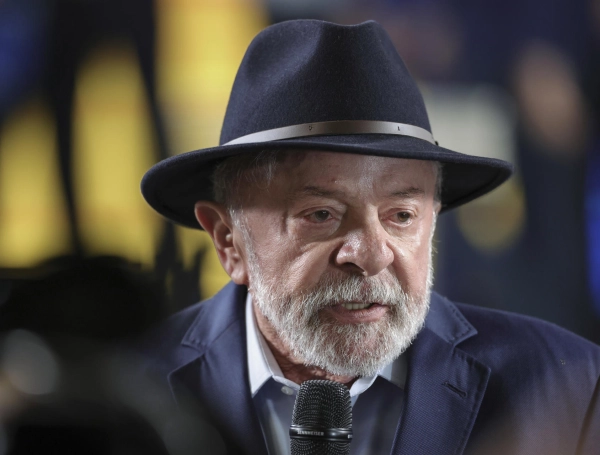
| 7 | Luiz Inácio Lula da Silva (Brazil) | 48.5% | 49.2% | -3.4% (Struggles ahead of October presidential reelection bid) |
| 8 | Daniel Noboa (Ecuador) | 47.4% | 47.0% | Mixed (Tight split between positive and negative perceptions) |
| 9 | Santiago Peña (Paraguay) | 45.5% | 51.2% | Negative balance (Disapproval outweighs approval) |
| 10 | Nasry Asfura (Honduras) | 43.2% | 54.2% | High dissent (Significant public friction) |
| 11 | José Antonio Kast (Chile) | 42.9% | 52.5% | -4.8% (Notable drop amid legislative gridlock) |
| 12 | Rodrigo Paz (Bolivia) | 41.6% | 53.6% | -8.9% (Largest drop of the month; state of exception fallout) |
| 13 | Yamandú Orsi (Uruguay) | 37.7% | 59.1% | Low favorability (Persistent voter dissatisfaction) |
| 14 | Javier Milei (Argentina) | 35.5% | 60.6% | High polarization (Deep economic austerity measures weigh heavily) |
| 15 | Daniel Ortega (Nicaragua) | 33.9% | 63.9% | Low standing (Continued international isolation and domestic control) |
| 16 | José Raúl Mulino (Panama) | 32.1% | 63.4% | Low favorability (Economic headwinds impact public perception) |
| 17 | Delcy Rodríguez (Venezuela) | 28.8% | 64.3% | Vulnerable (Managing post-earthquake recovery and energy sector pivots) |
| 18 | Bernardo Arévalo (Guatemala) | 28.2% | 67.3% | -1.3% (Ranks last; targeted by judicial and prosecutorial pressure) |
Official Responses and Government Reactions
The release of the CB Global Data index has prompted varied reactions from executive offices throughout the hemisphere, reflecting the deep political stakes attached to public opinion polling.
In Mexico City, the administration of President Claudia Sheinbaum welcomed the numbers as an endorsement of her pragmatic handling of sensitive bilateral negotiations with Washington. Despite ongoing friction regarding cross-border drug trafficking enforcement and aggressive U.S. tariff threats, Sheinbaum’s internal economic programs have solidified her base.
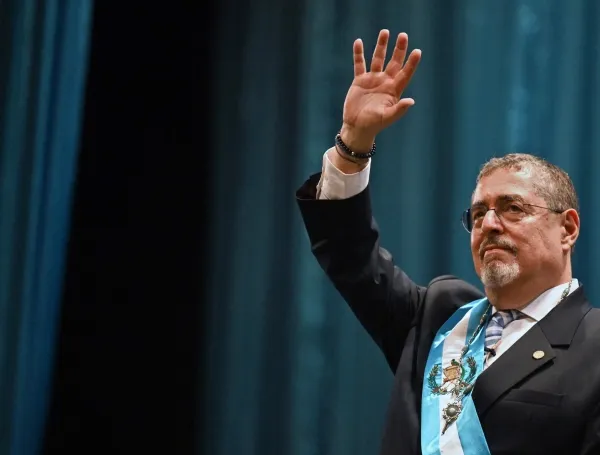
In Central America, Guatemalan President Bernardo Arévalo—trapped at the bottom of the table—has consistently pointed to external institutional sabotage as the root cause of his administration’s domestic hurdles. Arévalo recently warned that upcoming general elections remain under grave threat due to systematic maneuvers by penal judges and conservative elements within the Public Ministry (Attorney General’s Office), which his government has characterized as a slow-motion coup attempt.

Meanwhile, in Caracas, acting president Delcy Rodríguez has centered her administration’s messaging on economic survival and reconstruction. Following twin earthquakes on June 24, Rodríguez’s government has actively courted foreign investment, facilitating strategic energy pacts with multinational corporations and opening diplomatic channels with Washington to revitalize the nation’s oil sector—efforts that have slightly cushioned her internal governance metrics despite widespread systemic discontent.

Implications for Regional Governance and Future Outlook
The September 2026 polling data underscores several critical trends defining contemporary Latin American politics:

- The Burden of Economic Realities: Leaders enacting severe fiscal adjustments or navigating macro-economic downturns—such as Javier Milei in Argentina, Yamandú Orsi in Uruguay, and Rodrigo Paz in Bolivia—are paying a heavy political price. Public tolerance for economic friction is exceedingly low, quickly translating into double-digit disapproval figures.
- Security Crises and Authoritarian Temptations: The sharp drop recorded by Bolivia’s Rodrigo Paz demonstrates that heavy-handed security interventions, while occasionally effective at clearing immediate disruptions, alienate broad segments of the populace when civil liberties are constrained under states of exception. Conversely, Nayib Bukele continues to retain high (though slightly receding) approval numbers, proving that theSalvadoran model of security remains uniquely insulated compared to its Andean counterparts.
- Electoral Vulnerability: With major political contests on the horizon—including Lula da Silva’s high-stakes reelection campaign in Brazil this October—incumbents are closely monitoring public sentiment metrics to recalibrate campaign strategies. The data reveals that vulnerability is fluid; even traditional regional powerhouses can experience rapid erosion of political capital within a matter of weeks if domestic crises are left unmanaged.
As Latin America moves toward the final quarter of 2026, the mandate for regional leaders is clear: economic stability, transparent institutional governance, and swift crisis management remain the ultimate arbiters of executive survival.