
The relentless rise in the cost of essential goods, particularly meats and fresh produce, has driven Colombia’s annual inflation rate to a 25-month high, complicating the Central Bank’s mandate to restore price stability.
Executive Summary: A Stagnant Path to Disinflation
The economic landscape in Colombia has shifted toward a more precarious footing as of August 2026. Data released by the national statistics authority reveals that the Consumer Price Index (CPI) climbed to an annual rate of 6.24%, surpassing the 6.03% observed in July and significantly outpacing the 5.10% recorded in August 2025. This surge, characterized by a 0.39% monthly increase, has caught financial analysts off guard, with market consensus having anticipated a more modest 6.10%.

The breach of expectations has triggered immediate concern among policymakers. As the inflation trajectory moves further away from the targets set by the Banco de la República, the dream of a swift return to the bank’s target range appears increasingly elusive. For the average Colombian household, this means that the "cost of living" crisis is not only persisting but intensifying, with the dinner table serving as the primary front of this economic battle.
Chronology of the Inflationary Surge
To understand the current volatility, one must look at the recent historical context of the Colombian economy:

- August 2025: The year began with a more optimistic outlook, as annual inflation stood at 5.10%, suggesting that previous monetary policy tightening was beginning to take hold.
- Q1–Q2 2026: Throughout the first half of the year, price pressures remained sticky. Despite high interest rates intended to cool demand, external factors—ranging from supply chain logistics to regional weather patterns—kept inflation hovering above the desired glide path.
- July 2026: The CPI hit 6.03%, marking a significant psychological threshold that signaled a potential reversal in the disinflationary trend.
- August 2026 (Current Reporting Period): The index reached 6.24%, the highest reading in over two years. This acceleration confirms that the "last mile" of inflation control is proving to be the most difficult.
Supporting Data: Dissecting the Basket
The mechanics of this inflationary spike are rooted primarily in the volatility of food prices and the structural stickiness of service costs.
The Food Price Engine
Analysts had forecasted a 0.25% monthly rise in the food segment; however, the actual result was far more aggressive. The food and non-alcoholic beverage division closed the period with an annual advance of 6.1%. Breaking this down further:

- Processed Foods: Recorded a 4.7% year-on-year increase.
- Perishables: The real disruptors were fresh products, which surged by a staggering 10.6% annually, contributing a massive 0.5 percentage points to the total CPI hike.
The Services "Floor"
Beyond the kitchen table, the service sector has provided a consistent, upward pressure on the index. Services contributed 3.34 percentage points to the total inflation figure, reflecting an annual increase of 7.2%. Together, the food and services divisions accounted for a staggering 73% of the total monthly inflation, highlighting a concentrated source of pressure that monetary policy struggles to influence directly.
Key Drivers by Category
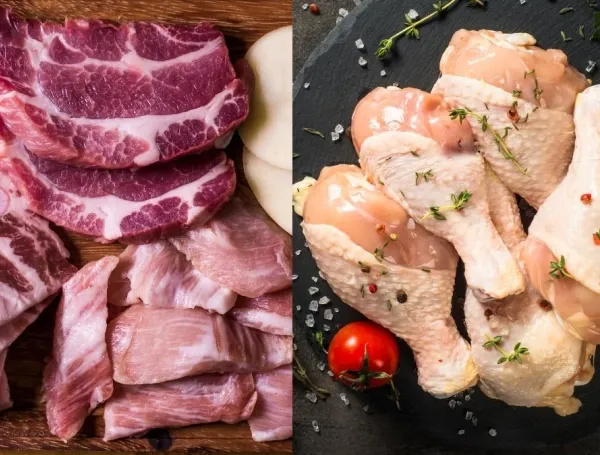
- Meats: The undisputed leader of the current cycle. Beef alone accounted for 1.9 percentage points of the total food inflation.
- Fruits: Fresh fruit prices, led by citrus varieties, added 1.89 percentage points to the category’s volatility.
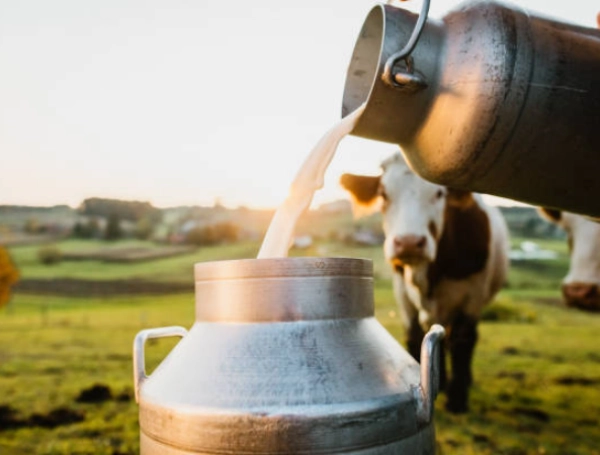
- Dairy: Liquid milk and cheeses contributed 0.94 points, continuing a trend of high dairy costs that has burdened families for several months.
- Tubers and Vegetables: Potato and yucca prices added 0.82 points, illustrating the vulnerability of staple crops to regional logistics.
Conversely, minor relief was found in the coffee, tea, and cocoa categories, as well as sugar, which saw a slight downward correction, though these were insufficient to offset the broader upward momentum.
Official Responses and Expert Analysis
The economic community has responded to the data with a mix of caution and alarm. The consensus is that the "stickiness" of food prices is not merely a cyclical anomaly but a reflection of deep-seated supply-side vulnerabilities.
The View from ANIF
The Centro de Pensamiento Económico (ANIF) has issued a sobering assessment. According to their latest bulletin, the primary danger lies in the "high floor" from which food prices are starting. With the country approaching the final quarter of the year, these elevated costs leave households with zero buffer against future supply shocks. ANIF emphasized that the current environment is heavily influenced by the looming threat of the El Niño climate phenomenon, which historically leads to drought, crop failures, and subsequent price spikes in rural markets.
Implications: The Climate-Economy Nexus
The correlation between climate change and inflation has never been more apparent in the Colombian context. As the country prepares for the potential intensification of El Niño, the agricultural sector faces a dual threat: extreme temperatures and water scarcity.
Risk to Monetary Policy
The Banco de la República now faces a dilemma. If they maintain high interest rates to combat inflation, they risk stifling economic growth in a year that has already shown signs of fragility. Conversely, if they pivot toward rate cuts, they risk unanchoring inflation expectations, which could lead to a wage-price spiral that would be far more painful to correct in the long run.

The "Cost of Living" Crisis
For the average citizen, the data is not merely a collection of percentages. It represents a reduction in purchasing power that hits the lowest-income deciles the hardest. When 73% of the inflation is driven by food and services, the impact is regressive. Families are forced to substitute essential proteins and fresh produce with cheaper, less nutritious alternatives, creating a long-term social cost that is not captured in the headline CPI figures.
Looking Ahead: The Path to Stability
As we move into the final months of 2026, the focus will remain squarely on the central bank’s upcoming meetings and the government’s efforts to mitigate food supply disruptions.

- Supply-Side Interventions: Experts are calling for better infrastructure to connect rural producers directly to urban centers, reducing the "middleman" costs that currently inflate fruit and meat prices.
- Climate Adaptation: Investments in irrigation and drought-resistant crop varieties are no longer just an environmental priority; they are now an urgent economic necessity to ensure food security and price stability.
- Inflation Expectations: The central bank will likely adopt a "wait-and-see" approach, signaling that while they are committed to the target, they are wary of the exogenous shocks (like the weather) that are currently outside of their control.
The road ahead is fraught with uncertainty. With the annual rate at 6.24%, the "inflation battle" is clearly entering a new, more difficult phase. The interplay between climate reality and economic policy will dictate whether this 25-month high is a temporary peak or a new, uncomfortable normal for the Colombian economy.
As the Banco de la República navigates these choppy waters, one thing remains certain: the price of food will remain the most critical indicator of both economic health and household well-being for the foreseeable future. Investors, policymakers, and families alike will be watching the next monthly print with heightened scrutiny, hoping for signs that the inflationary fire is finally beginning to cool.