In an era defined by the urgent necessity to mitigate climate change, higher education institutions are no longer just centers of academic inquiry; they have evolved into critical laboratories for environmental stewardship. The recently unveiled 2026 UI GreenMetric World University Rankings serves as a testament to this shift, providing a rigorous assessment of how universities across the globe are integrating sustainability into the very fabric of their operations, research, and campus infrastructure.
With over 2,016 institutions from 110 countries participating, the 2026 edition of the index highlights a growing commitment to planetary health. Led by the University of Indonesia, the ranking has become the gold standard for measuring institutional performance in areas as diverse as energy efficiency, water conservation, sustainable transportation, and waste management.
The Evolution of UI GreenMetric: A Decade and a Half of Impact
Since its inception in 2010, the UI GreenMetric World University Rankings has aimed to push higher education institutions toward more sustainable practices. The methodology, which has been refined over 16 years, evaluates universities based on six primary pillars: Setting and Infrastructure, Energy and Climate Change, Waste, Water, Transportation, and Education/Research.
The ranking is driven by the conviction that universities, as hubs of innovation and future leadership, bear a unique responsibility to model a sustainable future. By collecting granular data from participating institutions, the index translates complex operational activities into a standardized score. This allows for healthy international competition and, more importantly, fosters a global exchange of best practices. The goal is to move beyond mere theoretical discourse, encouraging tangible changes in policies, campus culture, and collaborative alliances between universities, local governments, and the broader community.
Colombia’s Rising Stature in Global Sustainability
The 2026 results have brought particular pride to the Colombian academic sector, with the Universidad del Rosario emerging as the undisputed leader among national institutions. This recognition is not an isolated achievement but the culmination of five years of strategic transformation and consistent improvement.
The trajectory of the Universidad del Rosario in the global index is remarkable. In 2021, it held the 41st position worldwide. By 2022, it climbed to 28th, followed by a brief fluctuation to 32nd in 2023, and a return to 30th in 2024. However, it was the 2025 cycle that marked a historic high, securing the 24th spot globally. Maintaining this momentum, the university has firmly established itself as a beacon of sustainability in Latin America, holding the number one spot in Colombia and third across the entire Latin American region.

Institutional Strategy: Behind the Numbers
The success of the Universidad del Rosario is anchored in a philosophy of "walking the talk." According to Benjamín Quesada, Dean of the School of Sciences and Engineering at the university, the recognition is a result of objective, measurable facts rather than mere marketing.
"We are working in our university just as we teach," says Quesada. "We have developed numerous programs with a strong environmental component, but we have translated this into a reality of infrastructure, governance, and concrete research. These are objective facts that lead to this recognition."
Data-Driven Success
The university’s performance is backed by significant metrics that demonstrate a deep commitment to resource efficiency:

- Water Stewardship: The institution has successfully reduced its water consumption by approximately 50% per person, a massive achievement given the high volume of daily campus traffic.
- Circular Economy: By 2025, the university reached a circularity rate of 58%, meaning more than half of its waste streams are being diverted from landfills through rigorous recycling and composting protocols.
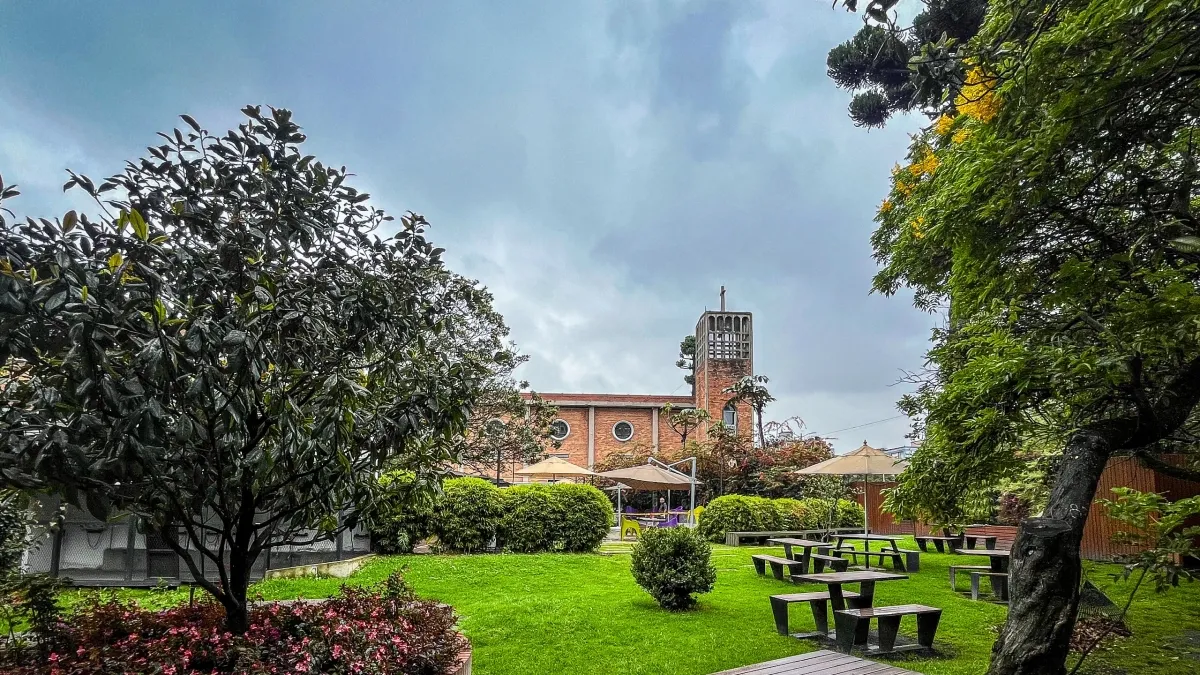
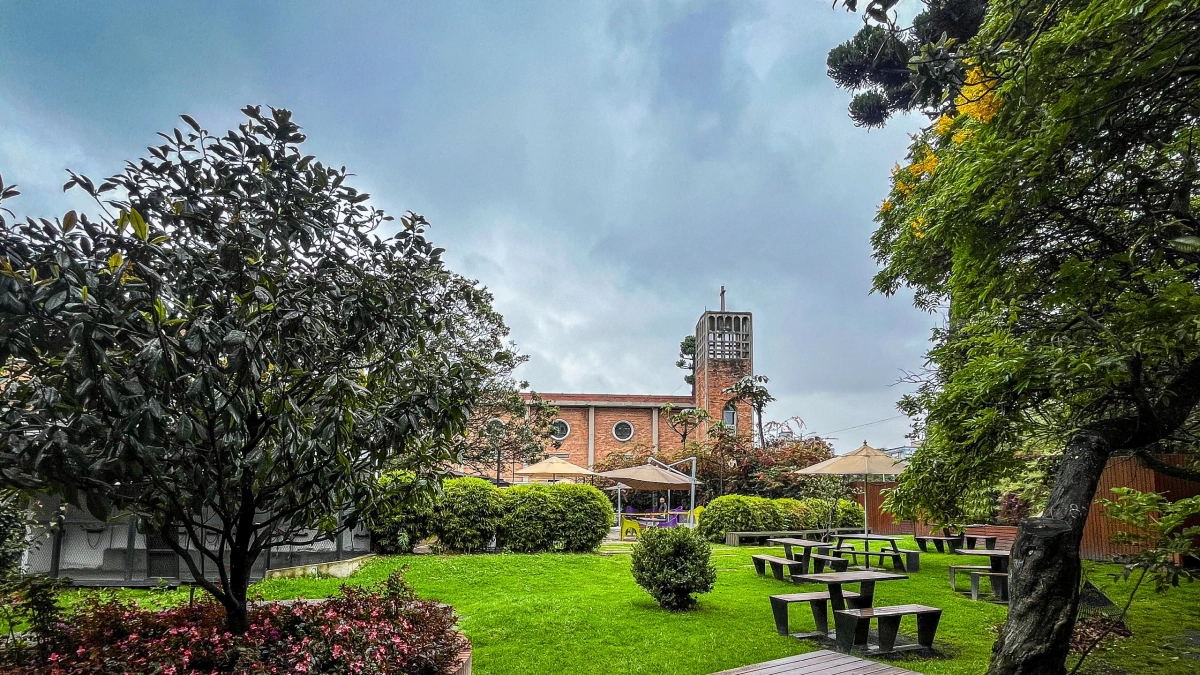
- Green Infrastructure: The campus boasts over 200,000 square meters of green space, which serves not only as a biodiversity reservoir but also as a natural cooling system for the campus microclimate.
These figures underscore the university’s ability to integrate environmental engineering with administrative policy, proving that large-scale institutional change is possible when sustainability is prioritized at the board level.
The Global Context: The Top Tier of Sustainability
While the Universidad del Rosario leads in Colombia, the global landscape remains highly competitive. The top positions in the UI GreenMetric are dominated by institutions that have invested heavily in carbon-neutral technologies and sustainable urban design.
The ranking process is rigorous. Institutions must submit verified data regarding their carbon footprint, the percentage of renewable energy used in their power grids, and the accessibility of public transportation for their students and staff. The presence of 2,016 institutions indicates that universities are increasingly recognizing that their reputation—and their ability to attract the next generation of climate-conscious students—is now inextricably linked to their environmental footprint.

Implications for the Future of Higher Education
The 2026 rankings suggest a fundamental shift in the mission of higher education. Universities are now expected to be "living labs" where students can observe the implementation of climate solutions in real-time. This has several key implications:
1. Curriculum Integration
Sustainability is no longer confined to ecology or environmental engineering departments. The most successful universities in the ranking are those that integrate sustainability into business administration, architecture, law, and even the humanities, preparing students to lead in a green economy.
2. Operational Accountability
The transparency required by the UI GreenMetric index forces institutions to audit their own operations. Whether it is reducing single-use plastics in cafeterias or retrofitting historic buildings for energy efficiency, the ranking acts as a catalyst for internal reform.

3. Policy and Community Impact
Universities are uniquely positioned to act as anchors for sustainable development in their local regions. By partnering with municipalities, these institutions can lead projects in urban forestry, sustainable mobility, and public water management, extending their positive influence far beyond the campus perimeter.
Challenges Ahead
Despite the successes celebrated in the 2026 report, significant challenges remain. The report notes that while many universities are improving their waste management, the decarbonization of energy grids remains a difficult hurdle, particularly for institutions located in countries where the national energy mix is still heavily dependent on fossil fuels.
Furthermore, the scale of global universities varies wildly, making direct comparisons difficult. Smaller, campus-based institutions often find it easier to implement radical sustainable changes compared to massive, sprawling, multi-campus research universities. However, the UI GreenMetric’s methodology continues to evolve to account for these disparities, ensuring that the ranking remains equitable.

Conclusion: A Call to Continued Action
The 2026 UI GreenMetric World University Rankings provides more than just a list of winners; it provides a roadmap for the future. As institutions like the Universidad del Rosario continue to push the boundaries of what is possible, they set a standard for others to follow.
The message to the academic community is clear: sustainability is not a destination, but a continuous process of improvement. As the world faces the escalating consequences of climate change, the role of universities in researching solutions, educating the workforce of the future, and setting a standard for responsible resource management has never been more critical. The 2,016 universities ranked this year are not just competing for a title; they are competing for a more sustainable, viable future for all.