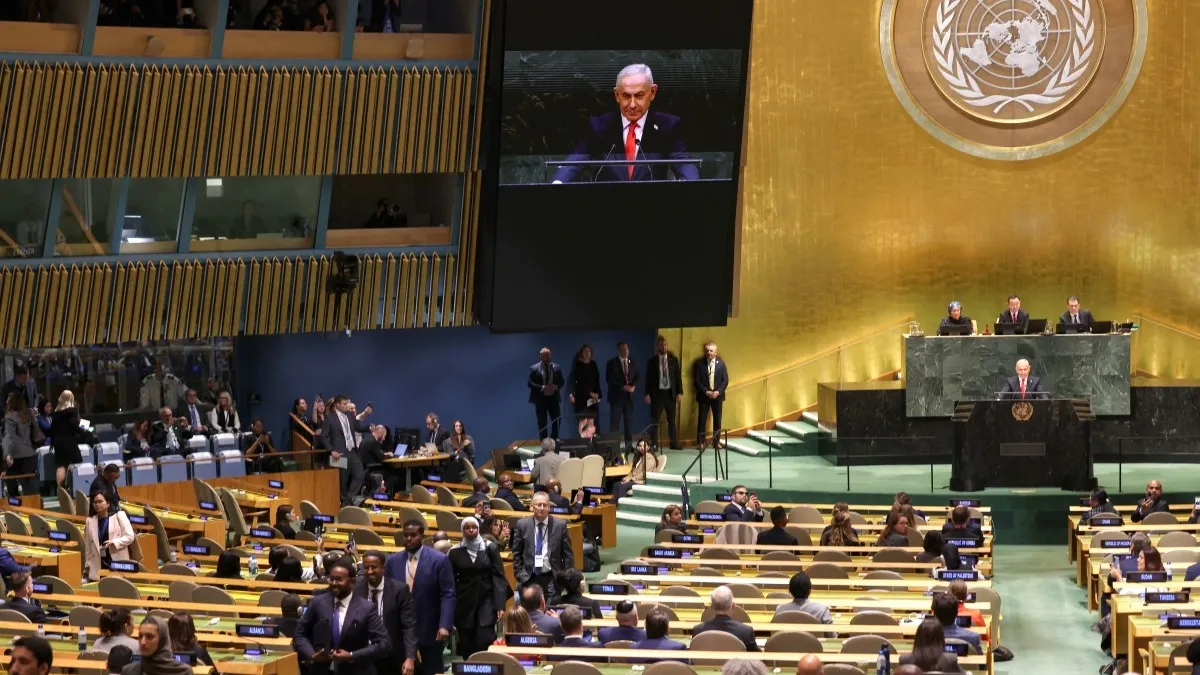
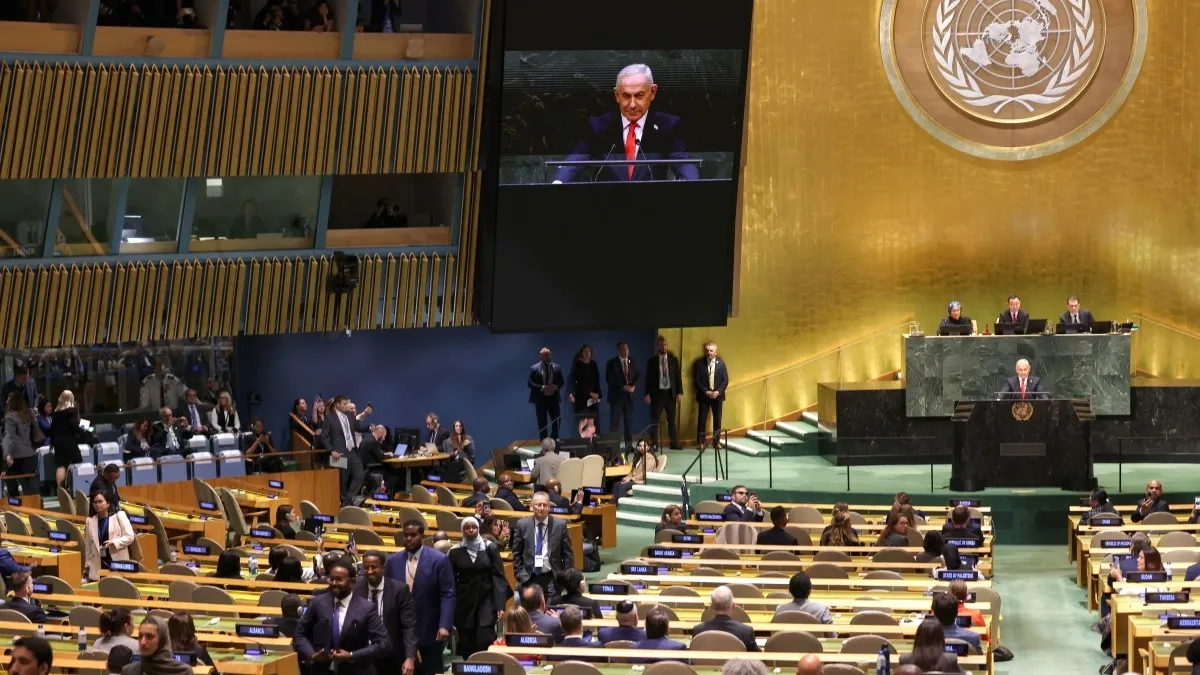
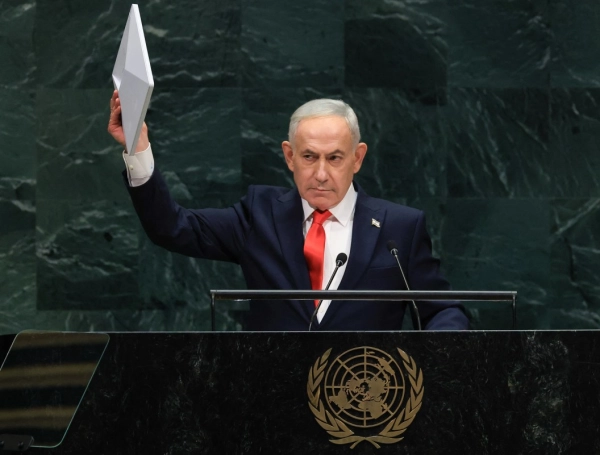
NEW YORK — In a dramatic scene that laid bare the deepening global fractures over the ongoing conflicts in the Middle East, dozens of international diplomats staged a mass walkout from the United Nations General Assembly hall on Thursday afternoon, September 24, 2026. The protest coincided with the highly anticipated address by Israeli Prime Minister Benjamin Netanyahu during the high-level week of the UN General Assembly.
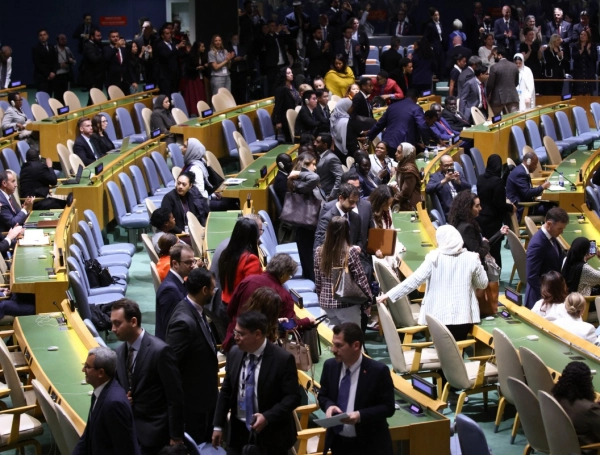
The abrupt departure of numerous country delegations left vast sections of the historic assembly hall conspicuously empty just as the Israeli leader took the podium. The tense atmosphere inside the UN headquarters underscored not only the profound polarization surrounding Israel’s military campaigns in Gaza and the West Bank, but also a broader crisis of confidence in multilateral institutions.
Main Facts
The core of Thursday’s confrontation centers on a deeply polarized UN General Assembly session marked by sharp rhetorical clashes, coordinated diplomatic boycotts, and fierce verbal retaliation from the Israeli premier.
- The Walkout: As Netanyahu approached the speaker’s dais, representatives from numerous nations stood up and left the chamber. The action was spearheaded following a circulated call by the Palestinian delegation urging allied missions to join a coordinated protest against Israel’s actions.
- Divided Reactions: The chamber presented a jarring visual contrast. While large swaths of seats sat vacant due to the boycott, remaining delegates vocally heckled and booed the Israeli leader. Conversely, members of Netanyahu’s accompanying delegation and select supporters stood to applaud enthusiastically, shouting slogans of solidarity, including cries of "Bibi, you’re the light of this room." The presiding officer was forced to repeatedly shout for order.
- Netanyahu’s Defiance: Rather than moderating his tone, Netanyahu leaned directly into the confrontation. Turning to the remaining diplomats, he fired off a provocative challenge: "If there are any other moral cowards who have not yet left this room, do it now."
- Broadsides Against Allies and Adversaries: During his address, Netanyahu launched scathing attacks not only on traditional regional foes but also on Western allies. He rebuked the United Kingdom and France for their historical colonial legacies—retaliating against recent criticisms from London and Paris regarding the expansion of Israeli settlements in the West Bank. Furthermore, he labeled Turkish President Recep Tayyip Erdogan a "tyrant," asserting that Turkey had become a primary hub for propagating antisemitic falsehoods.
- The Nuclear Stance: Defending his broader strategic doctrine, Netanyahu asserted that neutralizing Iran’s nuclear facilities was "one of the easiest decisions" of his tenure as prime minister, claiming that failing to do so would have meant "we would all be dead."
Chronology of Events
The events of September 24 unfolded against a backdrop of tight security, legal controversies, and parallel diplomatic initiatives in New York City.

Early Morning: Arrival and Legal Threats
Benjamin Netanyahu arrived in New York for a strictly truncated, hours-long visit that immediately ignited domestic and international controversy. The trip was overshadowed by comments from New York City Mayor Zohran Mamdani, who publicly called for the execution of the active arrest warrant issued against Netanyahu by the International Criminal Court (ICC). The warrant relates to alleged war crimes and crimes against humanity stemming from Israel’s military operations in Gaza.
Mamdani stated that while city officials had explored every available legal avenue to determine if local authorities could execute the arrest, the ultimate jurisdiction rested with federal law enforcement agencies under the control of the administration of U.S. President Donald Trump. Concurrently, large-scale protests were organized outside the UN perimeter, bringing together human rights activists, Palestinian solidarity groups, and local residents condemning the Israeli premier’s presence.
Midday: The General Assembly Showdown
By early afternoon, the General Assembly hall reached maximum capacity as delegates gathered for the high-level debates. As the session progressed to Israel’s allotted speaking slot, the coordinated protest materialized. As detailed by firsthand accounts and Agence France-Presse (AFP) reports, the Palestinian mission had circulated a note hours prior, explicitly asking allied states to empty their seats during the speech.
The mass exodus gutted the auditorium’s attendance. When the remaining members began jeering, Netanyahu’s delegation responded with a standing ovation, prompting a chaotic scene that compelled the session’s president to intervene and demand order repeatedly.
Afternoon: Parallel Diplomatic Tracks
While the floor of the General Assembly dominated media headlines, Thursday also played host to critical ministerial-level meetings addressing the humanitarian and political future of the region. These included:
- The Global Alliance for the Implementation of the Two-State Solution: A ministerial meeting aimed at revitalizing stalled frameworks for a lasting political settlement between Israelis and Palestinians.
- "Safeguarding UNRWA" Ministerial Session: A dedicated gathering focused on protecting the United Nations Relief and Works Agency for Palestine Refugees in the Near East (UNRWA)—an agency that Netanyahu has systematically sought to dismantle and marginalize.
Supporting Data and Context
The friction at the 2026 General Assembly is symptomatic of a long-term erosion of diplomatic norms within international bodies. Over recent years, Israel’s relationships with the United Nations have deteriorated significantly.
- UNRWA and Humanitarian Operations: The ongoing diplomatic warfare over UNRWA has crippled aid delivery networks in Gaza. Israel’s repeated assertions that the agency has been compromised by militant elements have been met with staunch defense from the UN leadership and a majority of member states, who argue that no alternative infrastructure possesses the capacity to replace UNRWA’s educational and medical footprint.
- The ICC Arrest Warrant: The invocation of the ICC warrant by municipal figures like Mayor Mamdani highlights the unprecedented legal jeopardy facing top Israeli officials abroad. While heads of state typically enjoy certain immunities, the enforcement mechanisms—or lack thereof—by host nations remain a volatile flashpoint in international law.
- Shifting European Posture: Netanyahu’s public rebukes of the UK and France reflect mounting frustration within the Israeli government over European Union member states shifting their rhetoric toward punitive measures, arms embargo discussions, and formal recognitions of Palestinian statehood.
Official Responses
Reactions to Netanyahu’s speech and the assembly walkout exposed deep ideological chasms across the international community.
- The Israeli Perspective: Pro-Netanyahu factions and official state media framed the prime minister’s defiance as a necessary and righteous stand against institutional bias. Supporters inside the hall emphasized that Israel is fighting a multi-front war for survival against existential threats from Iran and its regional proxies, arguing that international condemnation stems from moral hypocrisy rather than humanitarian concern.
- The Arab and Palestinian Stance: Palestinian representatives and supporting Arab delegations praised the walkout as a vital assertion of moral clarity. In statements released following the session, they argued that giving a platform to leaders accused of severe violations of international humanitarian law undermines the foundational principles of the United Nations Charter.
- Western Allies and UN Leadership: While traditional Western allies such as the UK and France maintain strategic security ties with Israel, their diplomatic corps expressed deep unease over the trajectory of the West Bank settlements and the humanitarian catastrophe in Gaza. UN officials repeatedly urged all member states to respect the decorum of the General Assembly while acknowledging the profound anguish driving member states to register protests.
Implications
The events of September 24 carry far-reaching consequences for international diplomacy, the future of the United Nations, and the trajectory of the Middle East conflict.
1. The Marginalization of Multilateralism
The open hostility displayed inside the UN General Assembly hall signals a growing irrelevance of traditional diplomatic channels as a venue for conflict resolution. When leaders use the UN podium primarily to exchange insults and trade accusations—while significant portions of the international community actively boycott the speeches—the capacity of the organization to forge consensus is severely compromised.
2. Deepening Isolations and Alliances
Netanyahu’s direct confrontations with European powers suggest that Israel is increasingly comfortable operating with a narrower, more transactional base of international support, primarily anchored by the United States. Conversely, the unified posture of the Arab and Global South delegations during the walkout demonstrates a hardening coalition against Israeli policies, which could manifest in increased support for punitive UN resolutions, legal actions at the International Court of Justice (ICJ), and further recognitions of Palestinian statehood.

3. Domestic and Regional Fallout
Regionally, the rhetoric surrounding Iran’s nuclear facilities and the persistent rejection of the two-state framework point toward an intensification of hostilities rather than a pathway to de-escalation. As leaders posture on the global stage in New York, the realities on the ground in Gaza, the West Bank, Lebanon, and across the broader Middle East continue to deteriorate, leaving populations to bear the brunt of a diplomatic stalemate that shows no signs of abating.