WASHINGTON D.C. — In a striking dual development that underscores the volatile intersection of emerging technology, executive power, and constitutional rights, the administration of U.S. President Donald Trump has initiated a sweeping ban on journalists from three major news organizations, while simultaneously launching a public crusade to rebrand artificial intelligence.
The developments, which unfolded across Friday and Saturday, have triggered immediate and fierce pushback from media outlets, press freedom advocates, and legal scholars, who warn of an escalating assault on the First Amendment.
While the White House defended its actions by citing ongoing grievances over media bias and inaccuracies, affected newsrooms and the White House Correspondents’ Association (WHCA) have characterized the measures as authoritarian overreach and a direct violation of the principles underpinning American democracy.
Main Facts
The controversy centers on two distinct yet simultaneous actions orchestrated by the Trump administration:

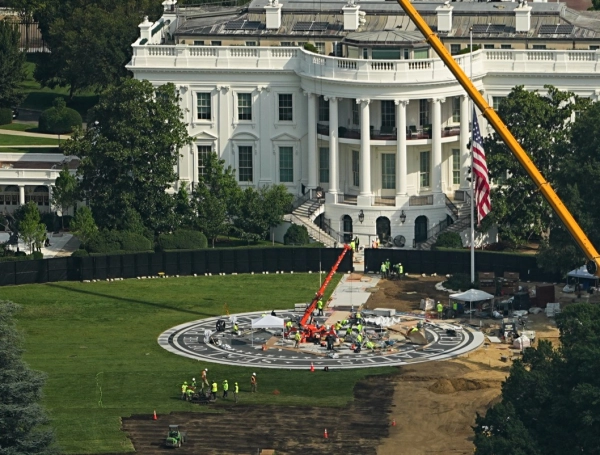
- The Press Ban: Following an executive announcement on Friday, the White House barred reporters, producers, and crew members representing CNN, MS Now, and Politico from entering the presidential complex. The prohibition took immediate effect on Saturday morning, with the U.S. Secret Service revoking permanent press credentials and turning away journalists at security checkpoints outside the West Wing.
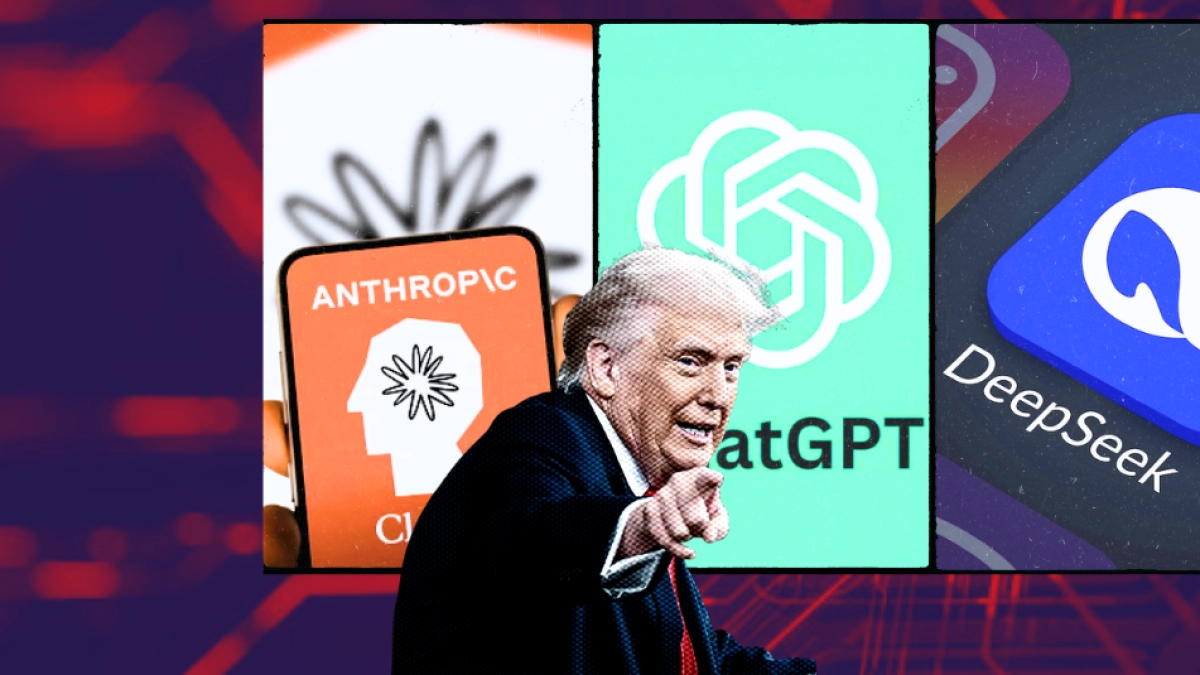
- The AI Rebranding Initiative: In a sharp pivot to technological nomenclature, President Trump took to his social media platform, Truth Social, on Saturday to criticize the current terminology of "artificial intelligence" (AI). Dismissing the phrase as imprecise and lacking "elegance," the president launched an informal public poll asking his followers to choose between alternative monikers: "Superior Intelligence" (SI), "Extreme Intelligence" (EI), or "Supreme Intelligence" (SI).
Administration officials have attempted to frame the press ban as a necessary response to what the president describes as "fake news" and partisan reporting. Conversely, the targeted media networks, along with media defense organizations, argue that the restriction of independent journalism from a publicly funded institution sets a dangerous precedent that threatens the public’s right to transparent governance.
Chronology of Events
The escalation between the Trump administration and the fourth estate follows a timeline of mounting tensions that culminated over the weekend:

Friday, September 18, 2026: The Veto Announcement
During remarks in the Oval Office, President Trump formally announced that his administration would bar journalists from CNN, MS Now, and Politico from the White House grounds "with immediate effect." The president justified the unprecedented restriction by accusing the three organizations of repeatedly disseminating false narratives and biased coverage against his administration. Hours later, the affected networks issued preliminary statements condemning the move, vowing to challenge the decision and protect their constitutional right to report freely.
Saturday, September 19, 2026: Implementation and Social Media Poll
- Morning (Security Enforcement): The ban translated into physical reality early Saturday morning. Secret Service personnel stationed at the West Wing gates intercepted reporters from the blacklisted outlets. Permanent press passes were physically confiscated, and journalists were denied entry to the executive mansion. MS Now and Politico confirmed that their teams were turned away at the checkpoints, while CNN reported similar obstructions.
- Midday (The AI Poll): As newsrooms grappled with the logistical and legal fallout of the blackout, President Trump published his survey on Truth Social. Questioning the validity of the term "artificial intelligence," the president urged the public to vote on his preferred alternatives—"Superior Intelligence," "Extreme Intelligence," or "Supreme Intelligence"—arguing that these terms better capture the revolutionary nature of the technology.
- Afternoon (Unified Condemnation): Throughout Saturday afternoon, statements poured in from media executives, editors, and the White House Correspondents’ Association. Jacqui Heinrich, president of the WHCA, released a scathing critique noting that the president himself had explicitly described his actions as a prohibition on a free press during his Oval Office remarks.
Supporting Data and Background
The hostility between the current administration and specific mainstream media outlets is not entirely new, but the physical revocation of permanent press credentials marks a significant escalation from previous verbal sparring or the temporary suspension of individual reporters’ day-passes.
- The Venues Involved:
- CNN: One of the largest global news networks, which has frequently clashed with Trump over fact-checking and editorial tone.
- MS Now: A prominent news broadcaster that has built its reputation on critical analysis of executive policy.
- Politico: A premier political journalism organization known for deep-dive reporting on Washington policymaking and insider politics.
- The AI Landscape: President Trump’s sudden focus on renaming artificial intelligence comes at a time when the technology is driving global economic shifts, defense strategies, and labor market transformations. While tech industry leaders focus on compute power, algorithmic safety, and energy consumption, the administration’s intervention into the linguistic framing of AI highlights a unique approach to technological governance—focusing on branding and perception rather than regulatory frameworks alone. Economists and tech analysts have largely viewed the social media poll as a distraction from substantive policy debates surrounding automation and national security.
Official Responses
The reactions from the targeted organizations, labor groups, and defenders of the press were swift and uncompromising.
The Media Networks Speak Out
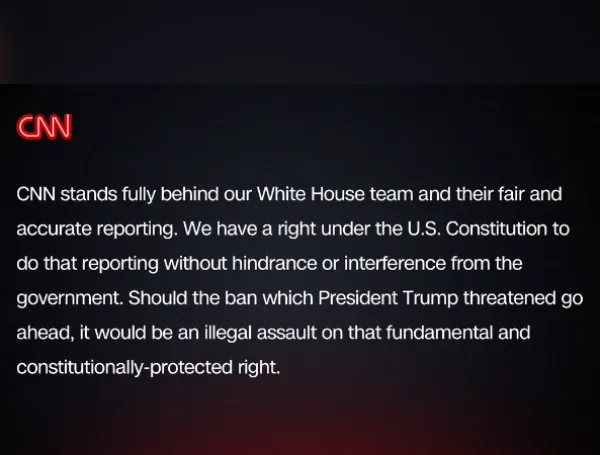
- CNN Statement: In a widely circulated post on the social media platform X, CNN condemned the ban as an illegal aggression against the free press. The network defended the integrity of its White House reporting team, describing their work as "fair, precise, and vital." Furthermore, CNN emphasized that the U.S. Constitution explicitly shields journalists from government interference, rendering the administration’s actions legally indefensible.
- MS Now Statement: In its official response, MS Now highlighted the public nature of the executive branch. "The White House belongs to the American people, and the decisions that are made within its walls are financed with our taxes," the network declared. MS Now confirmed that its legal teams are reviewing options to protect its First Amendment rights.
- Politico Statement: Jonathan Greenberger, editor-in-chief of Politico, briefed his newsroom on Saturday regarding the incident, confirming that a staff reporter had her permanent White House press pass confiscated at the gates. Greenberger affirmed that Politico would not be deterred from holding the executive branch accountable.
The White House Correspondents’ Association (WHCA)
Jacqui Heinrich, speaking on behalf of the WHCA, did not mince words when addressing the administration’s actions. Pointing directly to the president’s statements in the Oval Office, Heinrich asserted that the administration had openly admitted to censoring a free press.

"The president stated it clearly… describing his own intended action as a prohibition on a free press," Heinrich said in a statement. The WHCA reiterated that unfettered access to the executive branch is essential for maintaining an informed citizenry and holding those in power accountable.
Implications for Democracy and Governance
Legal and political analysts are warning that the events of September 19, 2026, could set a dangerous precedent for future administrations. By weaponizing physical access to the White House against specific editorial boards, the executive branch crosses a critical constitutional boundary.
- First Amendment Precedents: Previous legal battles over White House press credentials—such as those involving journalist Jim Acosta during Trump’s first term—established that the government cannot arbitrarily revoke press passes without due process and clear, viewpoint-neutral standards. Legal experts suggest that explicitly banning entire networks based on content disagreements directly challenges established constitutional jurisprudence.
- The Chilling Effect: Media scholars point out that barring major journalistic enterprises creates a "chilling effect" across the entire industry. When outlets are punished for critical coverage, editors and reporters across the board may feel pressured to soften investigative reporting to avoid administrative retaliation.
- The Distraction Narrative: On the technological front, the administration’s simultaneous focus on renaming artificial intelligence to "Supreme Intelligence" has been interpreted by critics as a classic political diversion tactic—using a whimsical or controversial social media poll to draw public attention away from the severe constitutional crisis unfolding at the gates of the West Wing.
As CNN, MS Now, and Politico prepare legal challenges, and as the White House remains steadfast in its exclusion policy, the standoff has transformed into a watershed moment for American journalism. The outcome of this battle will likely define the boundaries of executive authority and press freedom for years to come.