By International News Desk
Updated: July 17, 2026
Venezuela remains in a state of profound national mourning and emergency mobilization following the devastating double earthquake that struck the nation’s northern coast on June 24, 2026. As of Friday, July 17, official figures provided by the Venezuelan authorities confirm a grim escalation in the human cost of the disaster: the death toll has officially surpassed 5,000, marking one of the most significant humanitarian crises in the country’s recent history.
The Human Toll: A Country in Crisis
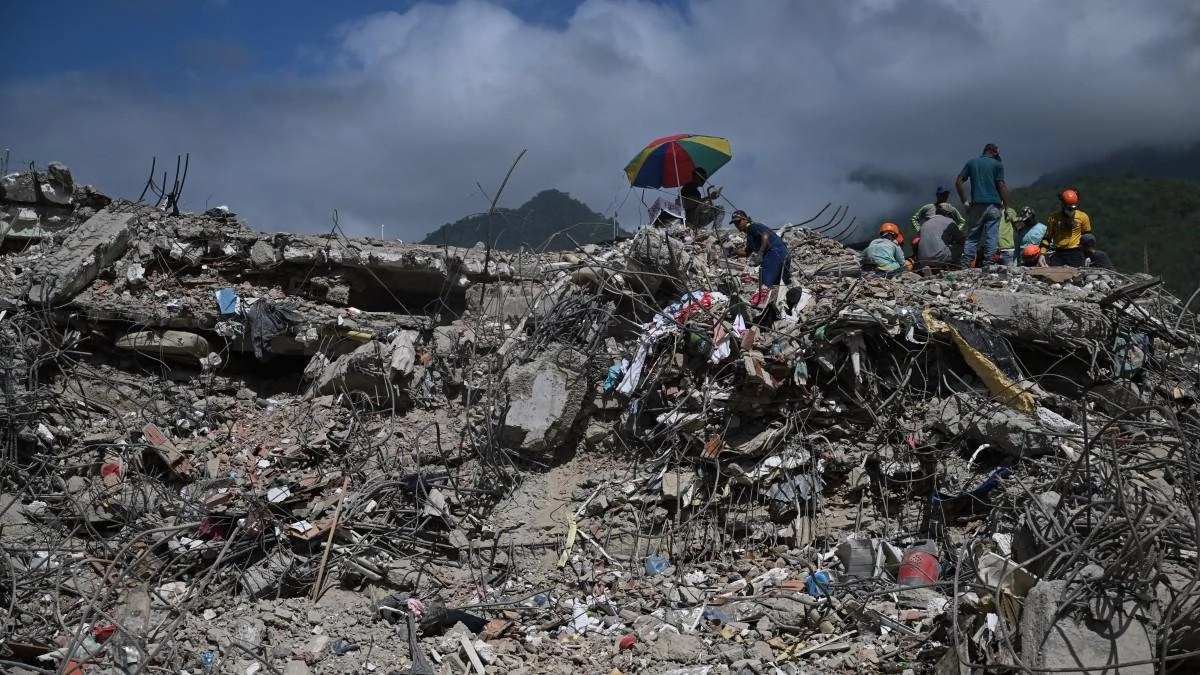
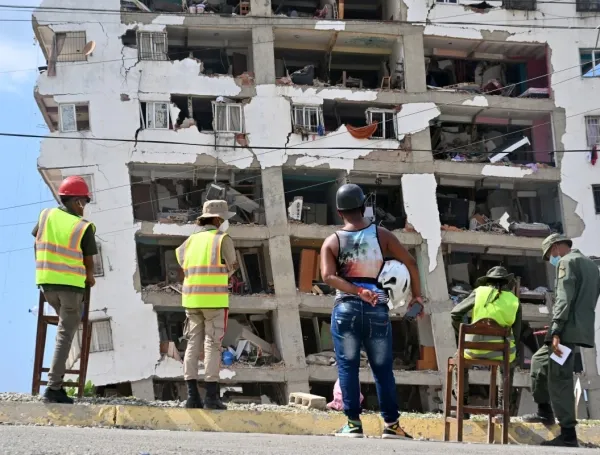
According to the latest report delivered by Jorge Rodríguez, President of the National Assembly, the confirmed death toll has reached 5,069. This staggering figure is the result of two consecutive, high-magnitude seismic events—a 7.2 and a 7.5 magnitude tremor—that struck the northern region of the country with catastrophic force. The state of La Guaira, located just north of the capital, Caracas, has been identified as the epicenter of the destruction, bearing the brunt of the seismic activity.
Beyond the loss of life, the scale of human suffering remains immense. Authorities report that 16,740 individuals sustained injuries, many requiring specialized medical intervention that has strained the country’s already fragile healthcare infrastructure. Furthermore, the displacement crisis is deepening; 128,324 families have been directly affected by the catastrophe. Currently, 21,235 people are being sheltered in 107 emergency transit camps, while 17,907 individuals have been confirmed as completely homeless.

Chronology of the Disaster
The crisis began on the morning of June 24, a date that will remain etched in the national consciousness. Since the initial dual-shock impact, the region has been subjected to a relentless series of aftershocks that have prevented the stabilization of the affected zones.
Data provided by geological monitoring services indicates that at least 1,331 aftershocks have occurred in the three weeks following the main event. While most of these were minor, the psychological impact on the survivors has been debilitating. The most significant aftershock occurred on July 10, when a 3.9 magnitude tremor struck 10 kilometers northeast of Naiguatá, La Guaira. This event triggered widespread panic, prompting the mass evacuation of buildings that had already been structurally compromised by the June 24 earthquakes.
Supporting Data: The Magnitude of Destruction
The physical transformation of the landscape in La Guaira is equally severe. A joint assessment conducted by the Venezuelan government and the United Nations Development Programme (PNUD) has revealed a monumental challenge in the form of debris management.
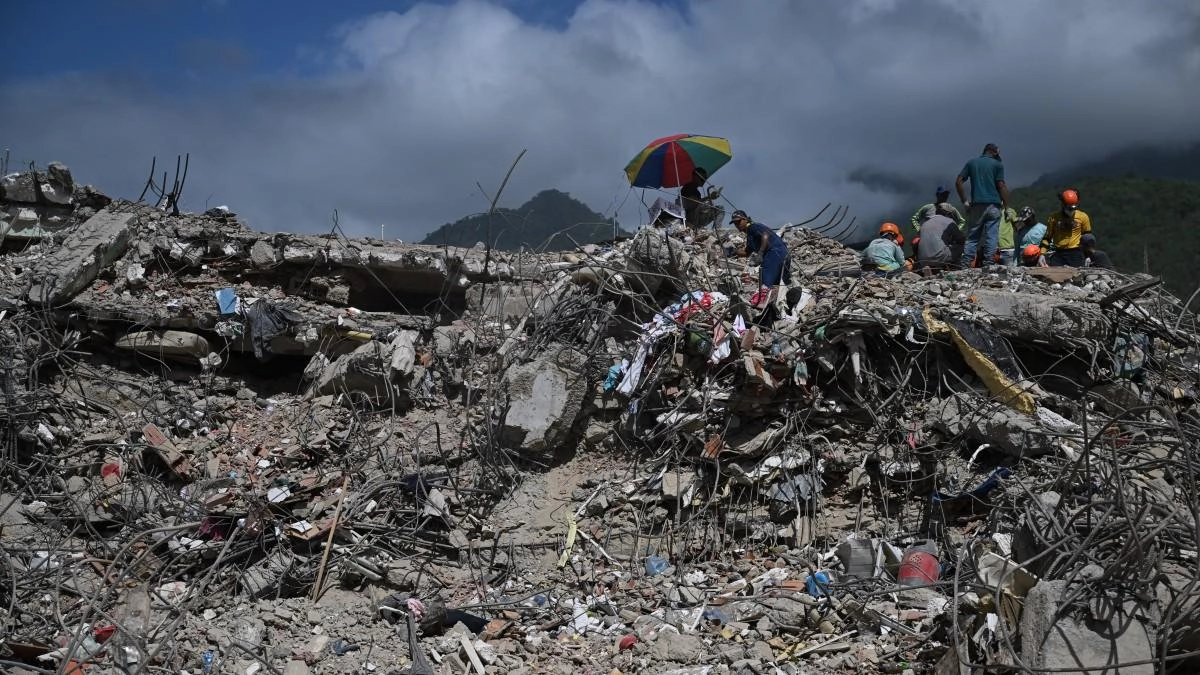
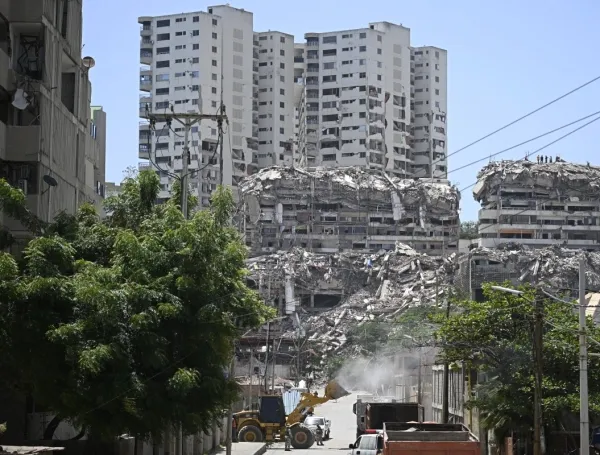
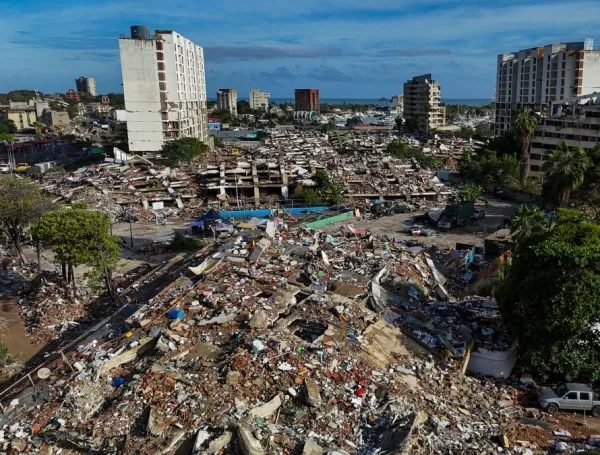
It is estimated that the earthquakes generated approximately 2,106,000 tons of debris. This figure, derived from advanced aerial surveillance—including drones and helicopter flyovers—as well as ground-level measurements, paints a harrowing picture of urban collapse. Nelson Rodríguez, the Minister of Ecosocialism, provided a detailed breakdown of this material:

- Construction Material: 1,529,000 tons.
- Personal Belongings and Household Goods: 577,000 tons.
The sheer volume of wreckage has turned urban centers into labyrinthine fields of concrete and rebar, complicating search and rescue efforts that have continued well past the initial critical window. The PNUD utilized a "rapid assessment tool" to reach these figures, integrating satellite imagery with Artificial Intelligence (AI) to evaluate building damage and structural vulnerability. This data is being used to prioritize clearing operations and to plan for long-term reconstruction.
Official Responses and Strategic Shifts
The response from the Venezuelan government has shifted from immediate search-and-rescue operations to long-term reconstruction and debris management strategies.
Legislative Reform
On Tuesday, July 14, the Venezuelan Parliament approved a landmark project to reform the Law against Real Estate Fraud. The primary objective of this legislative shift is to accelerate the housing reconstruction process. Pedro Infante, the first vice president of the National Assembly, explained that the reform seeks to provide "legal security" and improved financing mechanisms. The goal is to facilitate an "aggressive process" of private-sector-led housing construction, essentially inviting external investment to replace the tens of thousands of homes lost.
Debris Management and Sustainability
Minister Nelson Rodríguez announced that the government is adopting international protocols for the treatment and recycling of the millions of tons of rubble. Eleven sites in La Guaira have been designated as Centros de Disposición Temporal (CDT), or Temporary Disposal Centers. At these sites, debris is being segregated into three distinct categories:

- Hazardous Materials: Requiring specialized disposal.
- Recyclable Materials: Which will be reprocessed for use in new construction.
- Arid Materials: Primarily concrete and stone that can be crushed and reused as base material for infrastructure.
"We have brought in a heavy-duty crushing machine from the state of Nueva Esparta to begin processing these materials," the Minister stated. By promoting a "culture of segregation at the source," the government hopes to reinsert salvaged material back into the productive economy, thereby lowering the cost of reconstruction.
Implications for the Future
The implications of the June 24 earthquakes extend far beyond the immediate humanitarian needs. The destruction of critical infrastructure, most notably the primary international airport in La Guaira, has severed a vital artery of the country’s connectivity. The airport remains inoperable due to severe structural damage, severely hampering both relief logistics and the movement of goods and people.
The government has also initiated a biometric census to accurately determine the total housing deficit, which is currently estimated to be at least 25,000 units. This census is a critical step in a broader, albeit daunting, plan to restore normalcy to the lives of the 128,324 families currently living in uncertainty.
The Regional Context
The crisis in Venezuela is compounded by the broader regional instability. As the country grapples with the aftermath, other nations in the region, such as Mexico, have also been reporting seismic activity, leading to concerns about the overall geological stability of the Caribbean and Latin American tectonic plates. The international community, led by various UN agencies, continues to monitor the situation, but the burden of reconstruction rests heavily on local authorities.
A Long Road Ahead
The psychological trauma of the "smell of death" and the constant echoes of structural collapse, as recounted by medical professionals who arrived at the scene, suggest that the recovery process will be a multi-generational effort. While the government attempts to fast-track housing laws and implement sophisticated recycling programs, the reality on the ground remains one of profound grief.
As Venezuela moves into the next phase of the crisis—transitioning from emergency response to the slow, painstaking work of rebuilding entire neighborhoods—the focus will inevitably shift toward the resilience of the Venezuelan people and the ability of the state to manage a recovery of this unprecedented magnitude. The thousands of lives lost in the June 24 tragedy serve as a sobering reminder of the vulnerability of the region, and the coming months will test the limits of both the nation’s infrastructure and its social fabric.
Summary of Key Metrics as of July 17, 2026:
- Confirmed Fatalities: 5,069
- Total Injuries: 16,740
- Families Affected: 128,324
- Debris Volume: 2,106,000 tons
- Aftershocks Recorded: 1,331
- Emergency Shelters Active: 107