By Juan Alejandro Motato Soto / International Desk Published: September 20, 2026
Main Facts
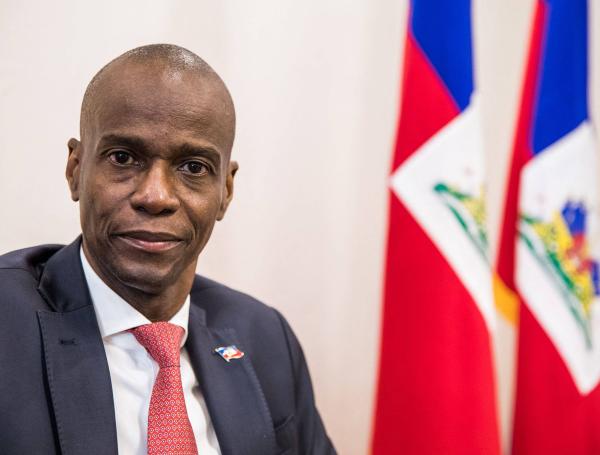
More than five years after the shocking magnicidio that shook the Caribbean nation and the international community, the legal proceedings surrounding the assassination of Haitian President Jovenel Moïse have entered a decisive new phase. Eighteen individuals formally accused of participating in the intricate conspiracy that led to the murder have been transferred from Haiti to the United States aboard a military aircraft.
The suspects are now under the custody of American federal authorities and will face trial within the jurisdiction of the U.S. District Court for the Southern District of Florida. According to formal announcements made by federal prosecutors, a total of 30 individuals have now been indicted in connection with the July 2021 assassination plot.
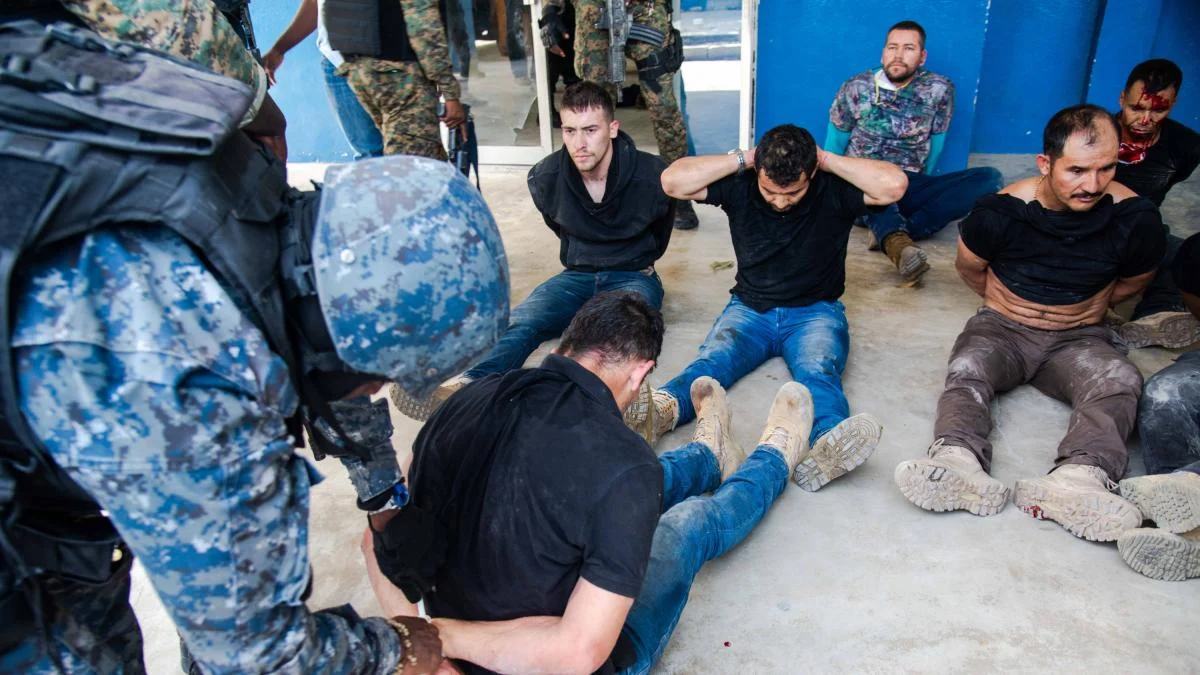
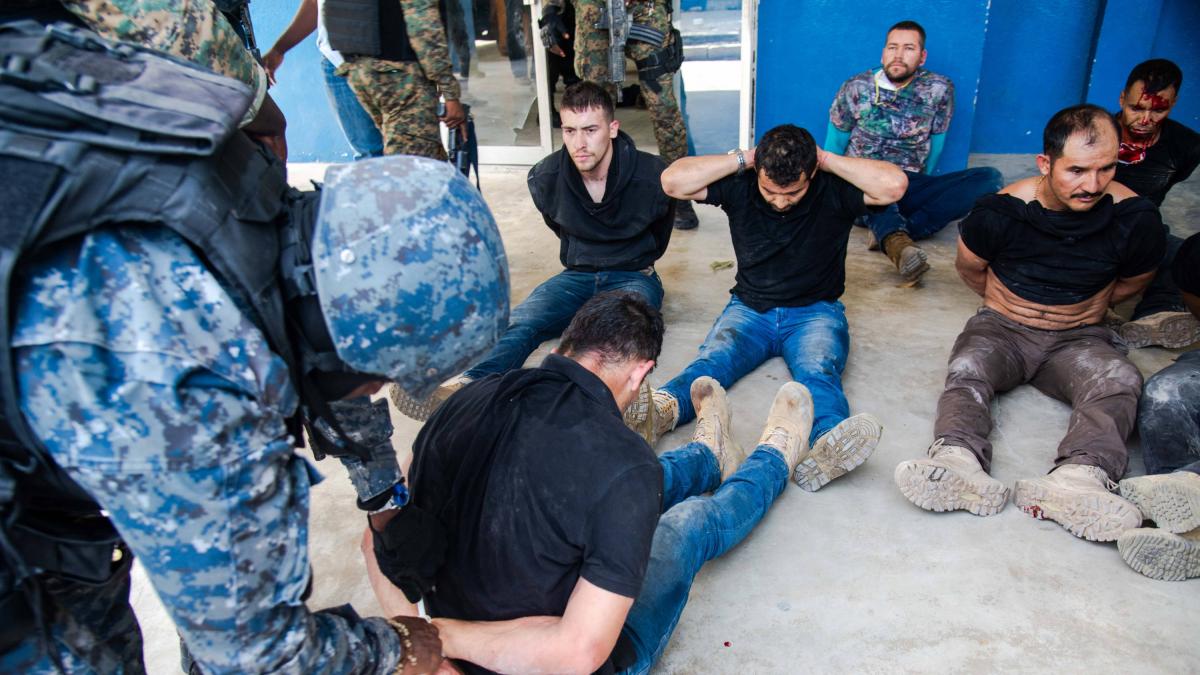
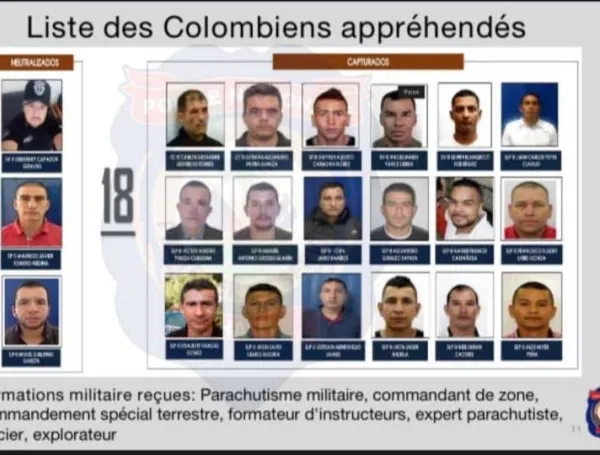
While the U.S. Department of Justice has not yet released the complete, itemized manifest of the 18 individuals recently flown out of Port-au-Prince, intelligence and investigative sources presume the group heavily comprises former Colombian military personnel. These retired servicemen were originally apprehended on Haitian soil immediately following the deadly assault on the presidential residence.
The escalation of legal proceedings on American soil underscores the transnational nature of the plot. U.S. authorities have consistently maintained throughout their multi-year investigation that crucial elements of the conspiracy—including financial backing, logistical planning, and operational coordination—were orchestrated, funded, and managed from within U.S. territory, particularly within the geographic footprint of South Florida.
Chronology of a Magnicidio: From the Attack to the Extraditions
To fully understand the gravity of the recent legal developments, it is essential to trace the timeline of events that transformed a quiet night in Port-au-Prince into one of the most prominent geopolitical crimes of the 21st century.
July 7, 2021: The Assassination
At approximately 1:00 a.m. local time, a heavily armed commando unit breached the private residential compound of Haitian President Jovenel Moïse in the hills above Port-au-Prince. The attackers met minimal resistance from the presidential security detail. Inside the residence, Moïse was brutally targeted, sustaining 12 gunshot wounds that caused instant death. His wife, First Lady Martine Moïse, suffered severe bullet wounds during the assault but miraculously survived after receiving emergency medical evacuation and subsequent treatment in Miami, Florida.
The Immediate Aftermath and Mass Arrests
In the hours and days following the assassination, the Haitian National Police, backed by local security forces, launched a manhunt across the capital. Security forces cornered several members of the assault team near diplomatic compounds and residential areas.
During these operations, a significant number of foreign nationals—predominantly retired members of the Colombian Armed Forces known for their tactical training and security backgrounds—were captured. Other suspects were killed in shootouts with local law enforcement. As interrogations and initial local inquiries stalled due to Haiti’s profound political instability, institutional collapse, and judicial vulnerabilities, international agencies—chiefly the Federal Bureau of Investigation (FBI) and Homeland Security Investigations (HSI)—stepped in to unearth the broader international network.
September 20, 2026: The Transnational Transfer
Marking a monumental leap forward in the judicial timeline, 18 indicted defendants were loaded onto a U.S. military transport aircraft in Haiti and flown directly to Florida. This operation represents the largest single transfer of high-profile defendants linked to the case, effectively shifting the epicenter of the trial from the unstable domestic courts of Haiti to the robust framework of the U.S. federal judiciary.
Supporting Data: The Accused and the Core Commando
The composition of the commando unit that entered the presidential residence has been a focal point of investigations by both hemispheric journalists and international law enforcement agencies. The core tactical group was largely formed by seasoned veterans of the Colombian military who had transitioned into private security contracting or international mercenary work.
Among the prominent names included in the comprehensive indictments and subsequent investigations are several retired non-commissioned and professional soldiers:
Alejandro Giraldo Zapata
John Jairo Gómez Ramírez
Víctor Albeiro Pineda Cardona
Manuel Grosso Guarín
Naiser Franco Castañeda
Enalbert Vargas Gómez
Jhon Jairo Suárez Alegría
Francisco Eladio Uribe Ochoa
Ángel Mario Yarce Sierra (Retired Sub-officer)
Germán Alejandro Rivera García (Retired Army Captain)
Carlos Giovanni Guerrero (Retired Lieutenant Colonel)
Investigative findings indicate that several of these former military personnel arrived in Haiti weeks prior to the assassination under the guise of providing private security. Instead, they allegedly engaged in reconnaissance, logistical stockpiling, and operational planning. While some members of this contingent were captured immediately following the attack, others perished during subsequent confrontations with Haitian security forces.
Official Responses and Statements
The announcement of the transfers has elicited strong reactions from key law enforcement and judicial figures in the United States, highlighting an unwavering commitment to dismantling the entire network behind the crime.
Jason A. Reding Quiñones, the U.S. Attorney for the Southern District of Florida, emphasized that these latest actions inaugurate a critical new chapter in the pursuit of accountability.
"Today marks the next significant phase in our pursuit of justice for the assassination of President Jovenel Moïse," Quiñones stated during a formal press briefing.
The U.S. Attorney made it clear that federal investigators are far from closing the book on the conspiracy. He stressed that law enforcement will continue to follow the evidence—wherever it may lead—to identify, apprehend, and prosecute every individual who helped finance, facilitate, support, or execute the plot.
"Five years later, we continue bringing defendants into American courts, and we are not done yet," Quiñones added, underscoring the long-arm jurisdiction being exercised by U.S. authorities.
Concurrently, Brett Skiles, the Special Agent in Charge of the FBI field office in Miami, reinforced the federal government’s resolve in a public statement distributed via digital platforms. Skiles noted that the operation targeted individuals driven by illicit financial gains and business opportunities.
"In July 2021, President Jovenel Moïse was assassinated by individuals who sought to benefit from illicit financial opportunities and commercial contracts. The international arrests made today underscore the FBI’s ongoing commitment to bringing all participants in this plot to justice," Skiles stated.
Implications of the U.S. Federal Trials
The consolidation of the judicial process within the U.S. District Court for service in the Southern District of Florida carries profound geopolitical, legal, and operational implications:
1. Overcoming Local Institutional Paralysis
Haiti’s judicial system has suffered from chronic instability, political interference, systemic corruption, and severe security threats that have crippled its ability to safely and effectively try high-profile defendants. By moving the core of the prosecution to Miami, the United States ensures a secure, insulated, and transparent judicial process free from the immediate threat of domestic insurgencies or localized corruption.
2. Uncovering the Financial and Political Masterminds
While capturing the tactical operators—the former Colombian soldiers who breached the house—is a vital milestone, the ultimate goal of the American investigation targets the intellectual authors. Prosecutors are laser-focused on exposing the financiers, corrupt politicians, and businessmen who allegedly orchestrated the conspiracy to secure lucrative government contracts and control over state resources. The testimony and plea negotiations stemming from these 18 newly transferred defendants could crack open the upper echelons of the conspiracy.
3. Broadening Transnational Legal Precedents
The use of U.S. military aircraft to transfer foreign nationals accused of assassinating a foreign head of state—based partly on the premise that the conspiracy was planned and financed on American soil—sets a unique precedent. It highlights the aggressive application of extraterritorial jurisdiction by Washington when American financial systems or territories are utilized to facilitate acts of international terrorism or political violence.
As these 30 indicted individuals face the stark reality of the American federal penal system, the path toward a complete historical and judicial accounting of the July 2021 tragedy enters its most critical courtroom battle. For the people of Haiti and the international community, the unfolding trials in Florida represent a delayed, yet vital, step toward unmasking everyone who signed the death warrant of President Jovenel Moïse.
International Desk – EL TIEMPO Published: September 10, 2026 1. Main Facts A strong earthquake with a magnitude of 5.5 shook the Pacific coastline of Costa Rica in the early hours of Thursday, triggering a…
Global Technology Desk Updated: September 12, 2026 Main Facts The artificial intelligence industry has reached a critical moral and operational crossroads. Jacob Coxon, a prominent 27-year-old AI research scientist with a specialized background in pretraining…
By International News Desk Updated: July 19, 2026 The quiet rhythm of life in Campo Mourão, a municipality in the state of Paraná, southern Brazil, was shattered on the evening of Friday, July 17, when…