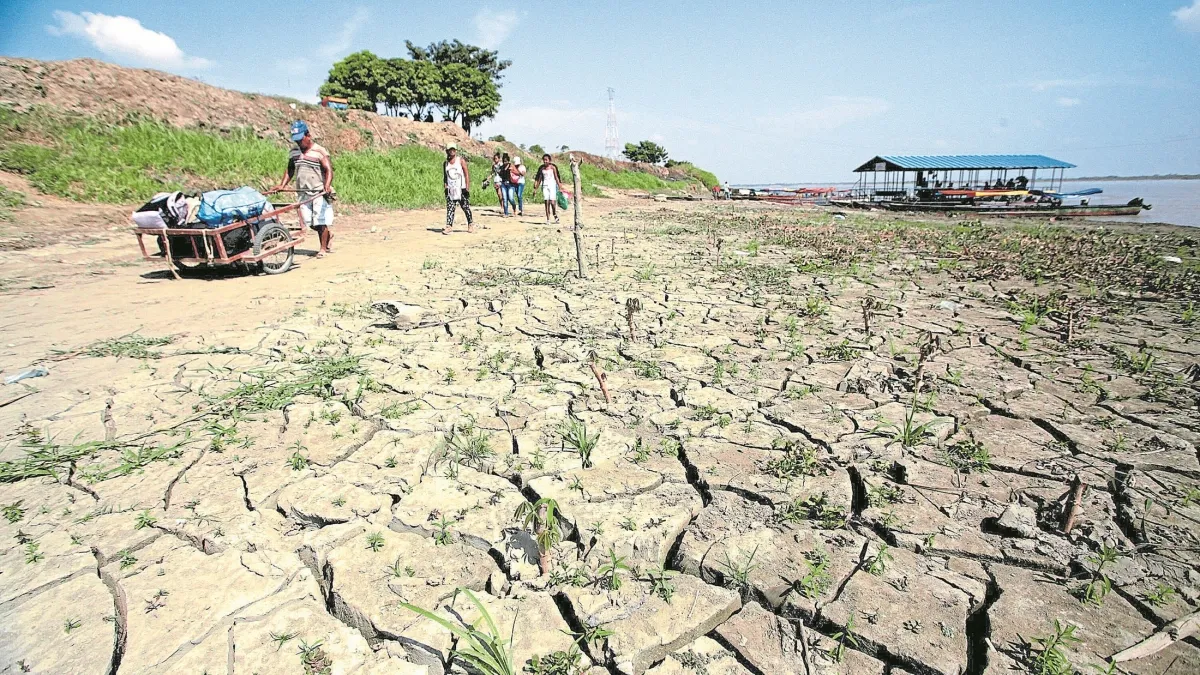
As the specter of the El Niño climate phenomenon looms over Colombia, the Ministry of Environment and Sustainable Development has launched a comprehensive, proactive strategy to safeguard four iconic and threatened species of aquatic fauna. The initiative, announced this week, aims to mitigate the catastrophic impacts of severe drought on the country’s river systems, ciénagas (wetlands), and marshes.
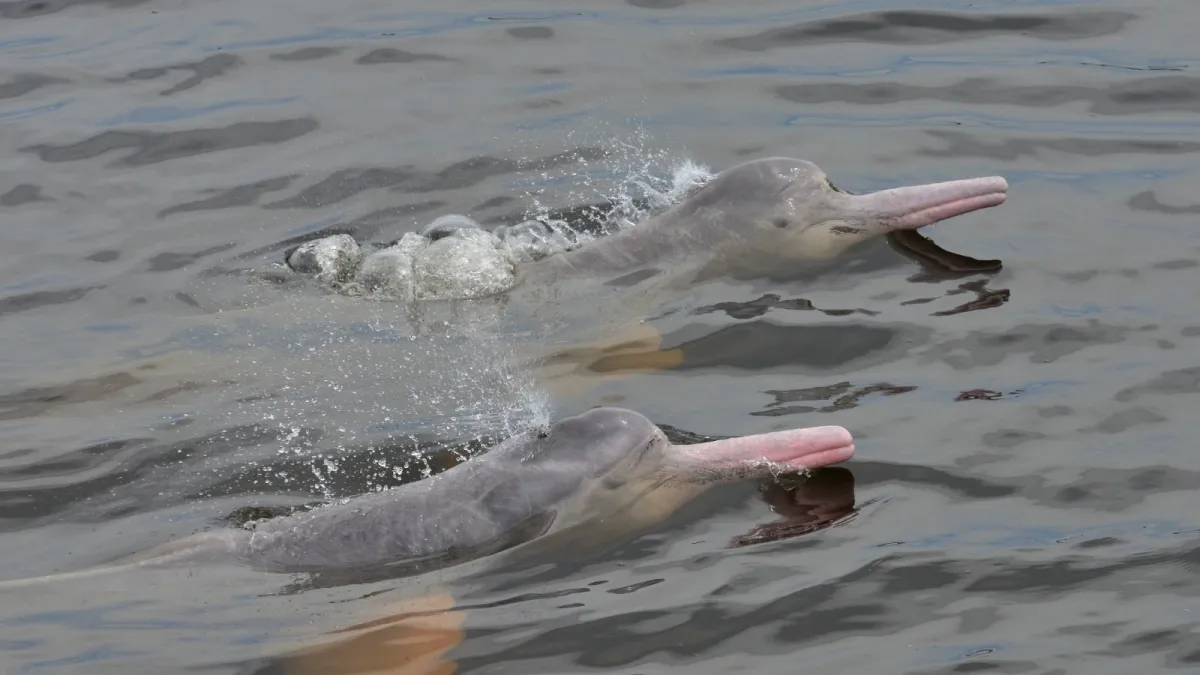
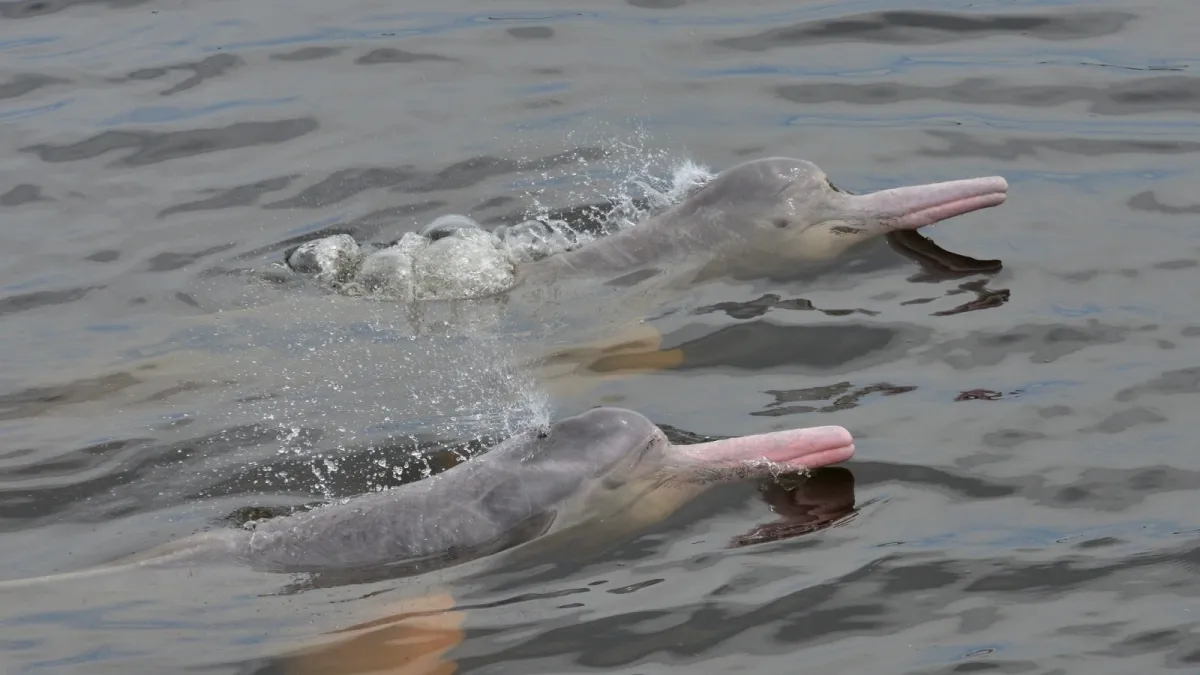
The primary species covered under these new protection protocols are the Antillean manatee (Trichechus manatus manatus), the Amazonian manatee (Trichechus inunguis), the pink river dolphin (Inia geoffrensis), and the tucuxi (Sotalia fluviatilis). These mammals, which serve as vital indicators of ecosystem health, are particularly vulnerable to the drastic reduction of water levels that typically accompanies El Niño cycles.
The Urgency of Intervention: A Preemptive Strike
The Ministry’s directive, issued through a formal circular to all environmental authorities, Regional Autonomous Corporations (CARs), and members of the National Environmental System (SINA), seeks to prevent the "ecological trauma" of previous drought years. During past climate events, thousands of animals have been left stranded, isolated in shrinking pools of stagnant water, or subjected to fatal heat stress.
"El Niño demands that we anticipate the crisis, bringing the full capacity of the State into the territories and working in total coordination with local communities and environmental authorities," stated Fabio Arjona, Minister of Environment and Sustainable Development.
The strategy shifts the government’s approach from reactive to proactive. Instead of waiting for mass mortality events to capture public attention, authorities are now mandated to map "critical refuge zones"—areas where water levels are historically prone to dropping below sustainable thresholds. By identifying these zones, environmental teams can position equipment and personnel to intervene before the animals reach a state of physical collapse.
Chronology of Action: From Monitoring to Rescue
The Ministry has established a multi-tiered operational framework to manage the crisis as the dry season progresses:

- Preparation and Mapping (Ongoing): Environmental authorities are currently consolidating historical data to identify river segments and wetlands in the Caribbean, Orinoquía, and Amazon regions that are at highest risk.
- Continuous Monitoring (Phase 1): Through a network of local partners and specialized institutes—including INVEMAR, the Sinchi Institute, and the Humboldt Institute—the government is monitoring water quality, temperature, and population density.
- Field Intervention (Phase 2): If animals are detected in distress, authorities must choose from a tripartite decision tree:
- Passive Monitoring: When the environmental risk is deemed manageable, authorities will maintain observation to ensure natural recovery.
- Active Rescue/Translocation: When an animal is physically trapped, teams will execute a controlled rescue to relocate the individual to deeper, safer waters.
- Euthanasia as a Last Resort: In cases of irreversible suffering or terminal health decline, euthanasia may be performed. This action is strictly regulated and can only be executed by a certified veterinarian with the explicit authorization of the competent environmental authority.
Supporting Data and Collaborative Science
The scientific backbone of this directive is rooted in the collaboration between the SINA institutes. By standardizing the way records are kept, the Ministry hopes to create a real-time database of species distribution.
A critical component of this plan is the definition of "Mass Mortality Events." According to the official circular, a mass mortality event is classified as the death of three or more individuals within a 10-kilometer radius over a 30-day window. If this threshold is crossed, a high-level emergency protocol is triggered. This forces the activation of the National Unit for Disaster Risk Management (UNGRD) and the Ministry of Health, transforming a localized environmental issue into a national health priority.
This level of coordination is essential because these species are not just "wildlife"; they are keystone species. The pink river dolphin, for example, is a sentinel of the health of the Amazonian river networks. If they are suffering, it is a clear indicator that the entire food web—which local communities depend upon for sustenance—is in jeopardy.

Official Responses and Stakeholder Roles
The success of these measures relies heavily on the cooperation of local communities and artisanal fishermen. The Ministry has launched an awareness campaign urging citizens to refrain from touching or attempting to "help" stranded animals without professional supervision.
"We have seen, in the past, well-meaning individuals causing more stress to an already weakened manatee by trying to handle it," an environmental official noted. "The protocol is clear: if you see an animal in danger, report it to the designated emergency lines. Let the specialists handle the extraction and medical care."
Furthermore, the government is implementing temporary bans on commercial and industrial fishing in designated "critical refuge zones." This is a contentious but necessary step; by reducing human activity in these areas, the government aims to lower the stress levels on the animals, allowing them to conserve their energy during the period of environmental scarcity.

Broader Implications for Climate Resilience
Beyond the immediate protection of manatees and dolphins, this policy reflects a broader, more mature approach to climate change in Colombia.
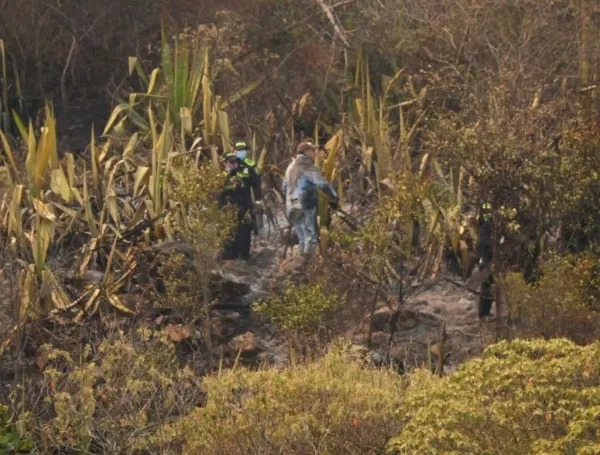
Environmental Quality and Forest Fires: One of the most innovative aspects of this directive is the explicit link between water-level management and fire prevention. The Ministry is ordering intensified surveillance of vegetation around riverbanks. Drought-stressed, dry vegetation near drying riverbeds poses a massive fire risk. These fires not only destroy habitat but also release ash and contaminants into the already oxygen-depleted water, creating a toxic environment for aquatic life.
The Role of Specialized Networks: The government is leaning heavily on existing organizations like the Red de Varamientos de Manatíes del Medio Magdalena. By integrating these non-governmental groups into the official response chain, the Ministry is leveraging years of local expertise that would otherwise be underutilized.

Public Health and Biodiversity: The potential for disease transmission during periods of high concentration (where animals are forced into small pools) is significant. By involving the Ministry of Health, the government is acknowledging the "One Health" concept—the idea that the health of animals, people, and the environment are inextricably linked.
Conclusion: A Race Against Time
The effectiveness of these measures will be tested in the coming months. While the policy provides a robust legal and operational structure, the physical challenge of accessing remote areas of the Amazon and Orinoquía remains a formidable obstacle.
The Ministry’s commitment to "taking the State to the territories" is a direct response to historical criticisms that environmental protection was often centralized in Bogotá, far from the reality of the rivers. By devolving authority to regional bodies and equipping them with clear, science-based protocols, the Colombian government is attempting to build a firewall against the worst effects of El Niño.

As the country faces an increasingly volatile climate future, these protocols serve as a blueprint for how nations can protect their biodiversity while navigating the uncertainties of a warming planet. The survival of the Amazonian manatee and the pink river dolphin may well depend on the speed and precision with which these new guidelines are implemented in the muddy, receding waters of Colombia’s great rivers.
For now, the mandate is clear: observe, report, and act. The lives of thousands of aquatic individuals—and the health of the ecosystems they sustain—hang in the balance.