
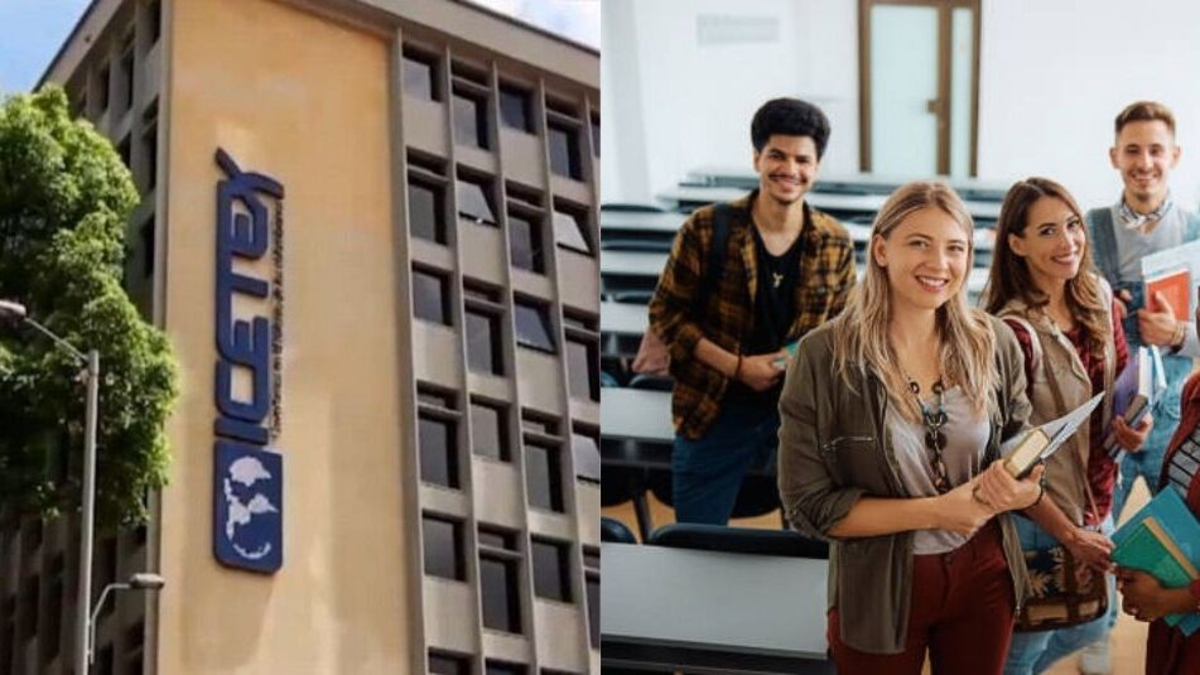
In a decisive move to address the long-standing challenges of student debt in Colombia, the Colombian Institute of Educational Credit and Technical Studies Abroad (ICETEX) has launched an expansive "Plan of Opportunities 2026." This initiative serves as a strategic amnesty program designed specifically for beneficiaries whose educational credits were classified as "castigada" (written off or non-performing) as of December 31, 2025.
For nearly 60,000 Colombians, this program represents more than just a financial adjustment; it is a pathway to regaining financial solvency and clearing their names from negative credit reporting agencies. As the cost of living continues to fluctuate and the labor market undergoes rapid shifts, the ICETEX initiative provides a rare, state-sanctioned opportunity to settle historical debts under highly favorable conditions.
The Core Mechanisms of the 2026 Opportunity Plan
The program, which has been operational since early June 2026, centers on a flexible, tiered system of condonation (debt forgiveness). The ICETEX board has structured the plan to ensure that the level of relief is proportionate to the beneficiary’s specific financial circumstances and the nature of their original loan agreement.
How the Condonation Works
The core benefit of the plan is twofold:
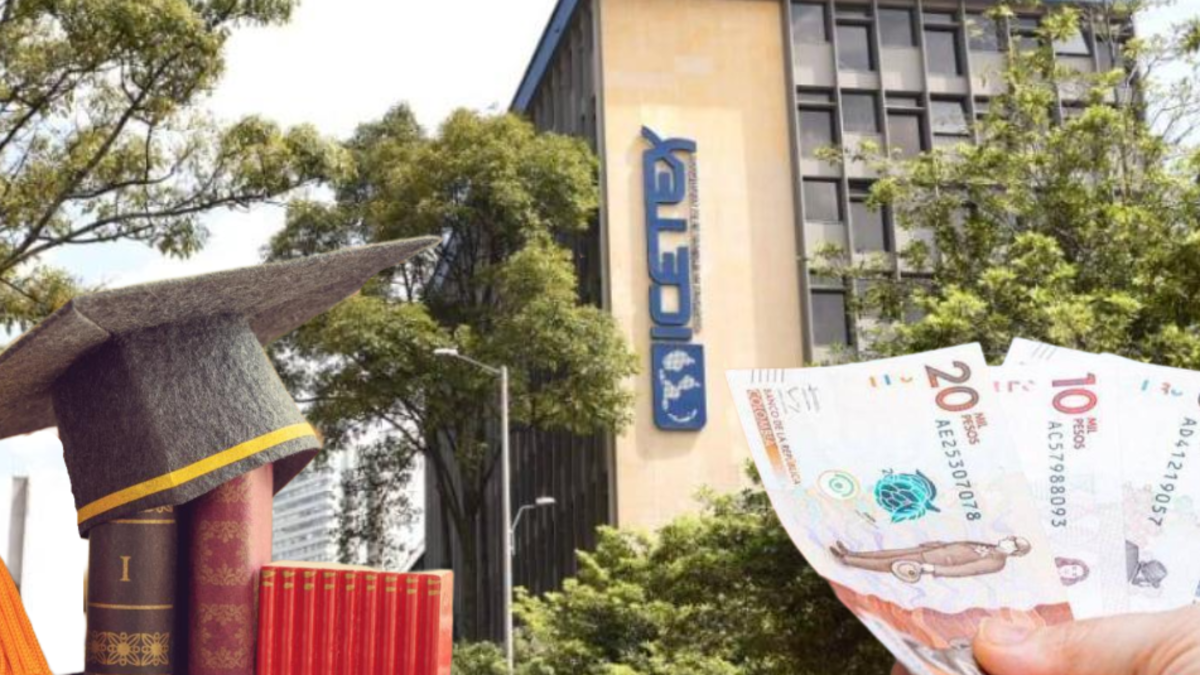
- Capital Reduction: Beneficiaries who successfully negotiate and adhere to a payment agreement are eligible for the condonation of between 60% and 80% of the total capital debt.
- Interest Elimination: Perhaps the most significant relief for long-term debtors is the total elimination of accrued interest. The program offers up to 100% condonation on both current and moratory (late payment) interest.
The exact percentage of capital forgiven is not uniform. It is determined by a complex matrix that considers the duration of the repayment plan, the original principal amount, and the socioeconomic classification of the beneficiary. This nuance is designed to ensure that those in the most vulnerable positions receive the highest levels of support.
Chronology and Scope: A Strategic Response to Economic Hardship
The road to the 2026 Opportunity Plan began with an analysis of the "difficult-to-recover" portfolio that had accumulated over previous years. By the end of 2025, the volume of unpaid student loans had reached a critical mass, affecting 59,335 beneficiaries.

- Pre-2025: The accumulation of debt was exacerbated by post-pandemic economic volatility and high inflation rates, which hindered the ability of recent graduates to maintain consistent payment schedules.
- Early 2026: ICETEX administrative bodies evaluated the efficacy of traditional debt collection methods, concluding that they were largely ineffective for this specific segment of the population.
- June 2026: The official launch of the Plan of Opportunities. The program was designed to bypass traditional, rigid collection agencies in favor of a direct negotiation model between the institution and the beneficiary.
- July 2026: The program reports its first major milestone, with over 4,400 individuals successfully formalizing their agreements within the first thirty days.
Data Analysis: The Impact of the Initiative
The sheer scale of the financial relief currently being processed is unprecedented. Recent figures released by ICETEX indicate that the 4,400 agreements signed thus far have resulted in the condonation of more than $160,000 million (COP) in combined capital and interest.
To put this in perspective, this represents a significant portion of the total portfolio targeted by the initiative. The institution is now focusing its efforts on reaching the remaining 55,000+ eligible users. By encouraging these individuals to step forward, ICETEX hopes to stabilize its balance sheets while simultaneously reintegrating thousands of professionals into the formal credit economy.
Official Stance: Perspectives from ICETEX Leadership
Álvaro Uriquijo, President of ICETEX, has been the primary architect and public face of this amnesty initiative. In his recent briefings, Uriquijo emphasized that the program is not merely a collection strategy, but a social policy tool.

"The measure is unprecedented and serves as an exceptional opportunity for our users to extinguish their debt, receive a positive report to credit bureaus, and fully normalize their status with the institution," Uriquijo stated. "It is an important economic relief for people who have faced genuine difficulties in meeting their payment obligations. Our team is dedicated to listening to these individuals and finding tailored solutions together."
The leadership at ICETEX has made it clear that the goal is to shift from a posture of legal confrontation to one of collaborative resolution. By removing the burden of interest and a significant portion of the capital, the institution is acknowledging the structural difficulties that many graduates face when entering the labor market.
Eligibility and Strategic Implications
The program is not limited solely to standard educational loans. It also extends to users of credits provided through funds administered by ICETEX and its strategic alliances. However, there is a technical threshold for eligibility: beneficiaries must have a record of non-payment exceeding 361 days.

Furthermore, for those participating in specialized funds, authorization from the specific administrative board of that fund is a prerequisite. This ensures that while the process is inclusive, it remains compliant with the fiduciary responsibilities of the various educational funds involved.
The Broader Economic Impact
The implications of this program are far-reaching. By clearing the credit records of nearly 60,000 individuals, the government is effectively boosting the financial mobility of a large demographic of young professionals. These individuals, previously tethered to "castigada" status, will soon be able to access credit for housing, small business ventures, and other investments, thereby stimulating the broader national economy.
The Fight Against Fraud: A Warning to Beneficiaries
As with any major government initiative involving financial relief, the potential for exploitation by bad actors is a significant concern. ICETEX has issued a stern, unequivocal warning: all services, procedures, and negotiations related to the Plan of Opportunities 2026 are entirely free of charge.

The institution has noted that there are no external intermediaries authorized to negotiate, expedite, or "approve" these benefits. Any third party offering to facilitate the condonation process in exchange for a fee is perpetrating a fraud.
To protect the public, ICETEX has established clear protocols for reporting such activities:
- Denunciation Channel: Users who are approached by unauthorized agents should immediately contact
[email protected]. - Anti-Corruption Line: Citizens can also report suspicious activity via the dedicated line: (601) 379-0521.
The institution emphasizes that all formal communication and document submission should be handled directly through their official portal or authorized regional offices, without the need for lawyers or private "fixers."

Conclusion: A Turning Point for Educational Finance
The Plan of Opportunities 2026 stands as a testament to a shift in how the Colombian state views student debt. Rather than viewing the "castigada" portfolio as a permanent loss, ICETEX is demonstrating that by offering a "fresh start," the institution can secure better outcomes for both the state and the student.
As the program continues to roll out, the success of these first 4,400 agreements serves as a pilot for future fiscal policies. The ability of the institution to scale this process—while maintaining transparency and protecting vulnerable users from fraud—will define the success of this administration’s approach to higher education accessibility.
For the thousands of Colombians currently carrying the weight of past debts, the path forward is now clear. By engaging with the program, they are not only settling a debt but are also clearing the way for a more stable and prosperous future. The window is open, and for many, it is the most significant opportunity they have had to reclaim their financial independence.