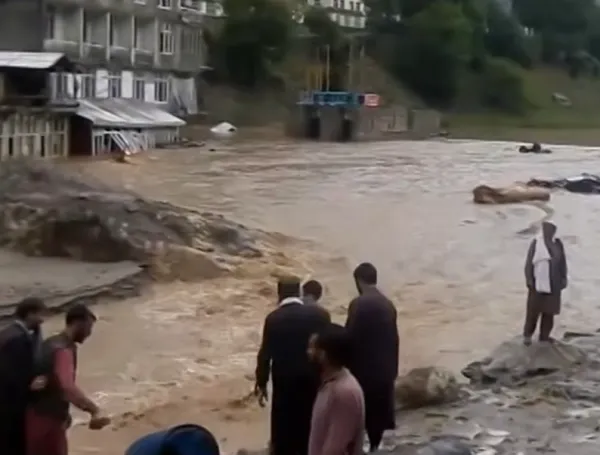
Kabul, Afghanistan – July 21, 2026 – Afghanistan is once again reeling from the devastating impact of torrential rains and flash floods, which have claimed at least 20 lives and left over 100 people missing in the eastern province of Nuristan. The catastrophic event, triggered by severe downpours on Monday, July 20, has prompted the Taliban government to issue a nationwide alert, warning of further meteorological threats and significant human and economic losses. The capital of Nuristan, Parun, bears the brunt of the destruction, with reports of widespread structural damage and a desperate search for survivors underway.
The disaster underscores Afghanistan’s extreme vulnerability to climate change and its ongoing struggle to manage natural calamities amidst decades of conflict and profound economic hardship. Rescue efforts are severely hampered by the remote, mountainous terrain of Nuristan, compounded by a lack of adequate equipment and the sheer volume of debris left by the raging waters. As the nation braces for continued adverse weather, the international community watches a humanitarian crisis unfold in a country already on the precipice.
Main Facts: A Nation Submerged in Crisis
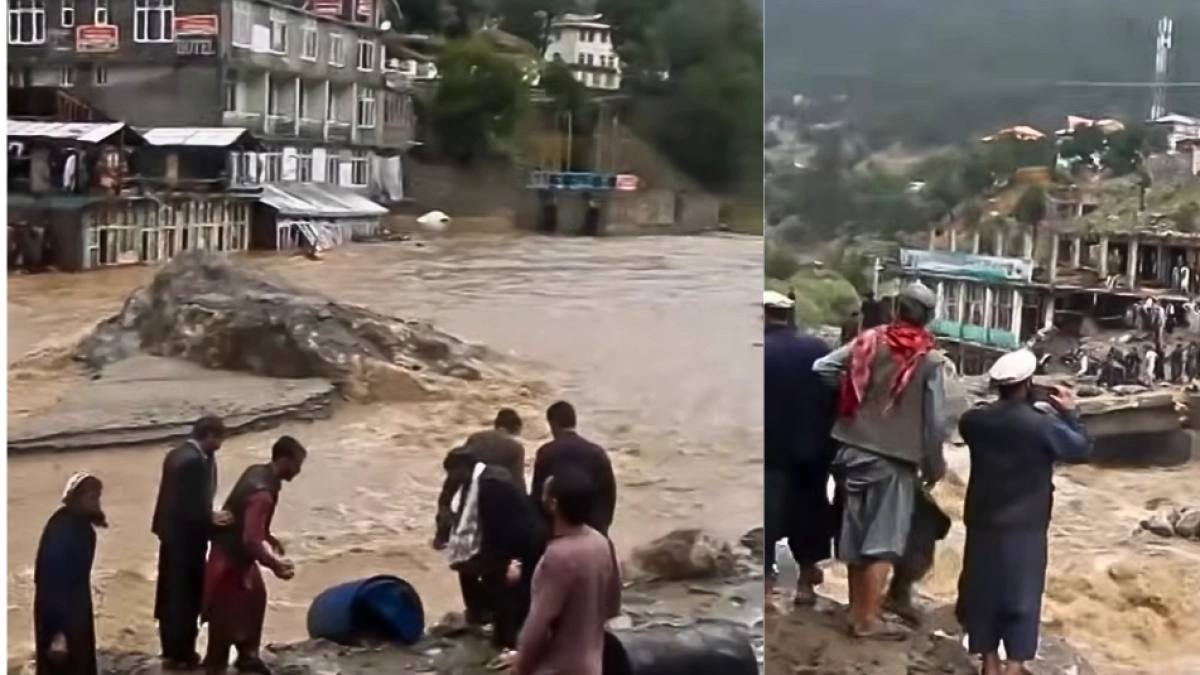
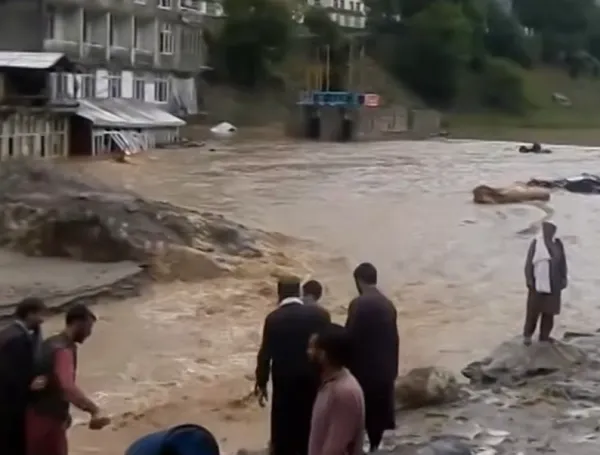
The latest tragedy began on Monday, July 20, when relentless torrential rains lashed eastern Afghanistan, unleashing flash floods that swept through the mountainous province of Nuristan. The provincial capital, Parun, has been particularly devastated, reporting a preliminary death toll of at least 20 individuals and a staggering 100 people still unaccounted for. Among the missing is reportedly the mayor of Parun, highlighting the extent to which the floods have impacted all strata of the community.
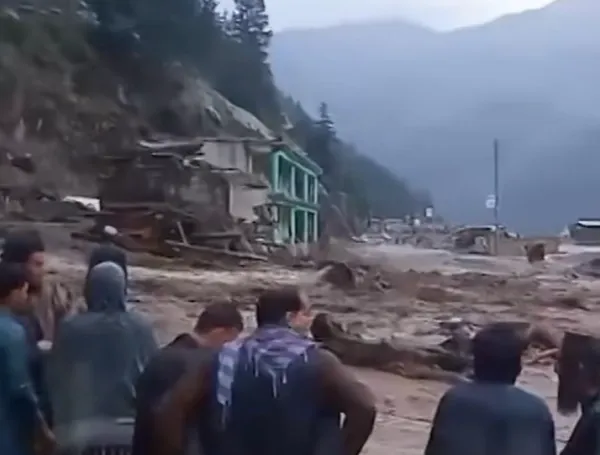
In addition to the fatalities and disappearances, over 80 residents have sustained injuries, many of whom are now struggling to access medical care in the remote region. Eyewitness accounts and images circulating on social media paint a grim picture of destruction: homes, businesses, and essential municipal buildings have been either severely damaged or entirely obliterated by the raging waters. Ashiqullah Safi, a leader of the local non-governmental organization Shpoul, starkly described the situation to AFP, stating that the flood had "completely destroyed the municipality" of Parun. The immediate aftermath is characterized by a landscape of chaos, with large rocks and debris scattered across the city, making search and rescue operations exceptionally challenging.

The Taliban government, which announced the grim figures, has elevated the country’s emergency alert level. Meteorological forecasts indicate that heavy rains and flooding are expected to persist until Wednesday, July 22, affecting at least 10 of Afghanistan’s 34 provinces. Authorities have urgently advised the populace to steer clear of riverbanks and low-lying areas identified as prone to further inundation, emphasizing the potential for "severe economic and human losses" if precautions are not heeded. This latest natural disaster compounds an already dire humanitarian situation, calling into question the nation’s capacity to cope with recurring environmental catastrophes.
Chronology of a Calamity: From Deluge to Devastation
The events unfolded rapidly on Monday, July 20, as the typically serene valleys and rugged peaks of Nuristan were transformed into a maelstrom of destruction. The province, known for its pristine forests and rivers, experienced an unprecedented volume of rainfall that quickly overwhelmed its natural drainage systems and riverbeds.
Monday, July 20, Early Morning: The initial downpour began, intensifying throughout the morning. Residents in Nuristan, accustomed to seasonal rains, quickly realized the extraordinary nature of this weather event as rivers and streams began to swell at an alarming rate.
Monday, July 20, Midday to Afternoon: Flash floods, characterized by their sudden onset and destructive force, began to rip through communities, particularly concentrating their fury on Parun. Walls of water, laden with mud, rocks, and debris, cascaded down the mountain slopes and into the urban areas. The sheer velocity and volume of the water gave inhabitants little time to react or evacuate, trapping many in their homes or workplaces. The swift currents swept away everything in their path, including vehicles, livestock, and entire structures.

Monday, July 20, Evening and Night: As the rains subsided slightly, the full scale of the catastrophe began to emerge. Communication lines were severely disrupted, making it difficult to ascertain the exact situation in remote areas. Initial reports from local officials, relayed through what limited channels remained, indicated a high number of casualties and missing persons. The night brought a chilling silence, broken only by the sound of rushing water and the distant cries for help.
Tuesday, July 21, Morning (Reporting Day): With the break of dawn, the harrowing reality became clearer. Emergency services, severely limited in resources and personnel, initiated preliminary search and rescue operations. However, the landscape of Parun was unrecognizable. Roads were blocked by landslides and debris, bridges had collapsed, and entire sections of the city were buried under mud and rock. Ashiqullah Safi’s statement underscored the futility of early efforts, as villagers, lacking proper excavation equipment, attempted to move massive boulders by hand in a desperate bid to find their loved ones. The provincial administration, including its mayor, was reportedly among the missing, further complicating the coordination of an organized response. The Taliban government in Kabul officially acknowledged the disaster, releasing the initial casualty figures and issuing urgent weather warnings for the coming days, signaling the ongoing threat to life and property across a significant portion of the country.
Supporting Data: A Landscape of Loss and Desperation
The data emerging from Nuristan paints a stark picture of human suffering and infrastructural collapse. The confirmed death toll of 20, while tragic, is feared to be a preliminary figure, with the number expected to rise as search operations continue. The more than 100 individuals reported missing include men, women, and children, leaving families in agonizing suspense. The search for survivors in the aftermath of flash floods is notoriously difficult, as bodies can be carried miles downstream or buried under tons of debris. The remote, rugged terrain of Nuristan, characterized by deep valleys and high mountains, exacerbates these challenges, making access for heavy machinery or specialized rescue teams nearly impossible in many areas.
The physical damage to Parun is extensive, threatening to cripple the local economy for years to come. Images shared across social media platforms depict a town ravaged, with the shells of buildings standing testament to the flood’s destructive power. Homes, which represent years of saving and labor for many families, have been reduced to rubble. Small businesses, the lifeblood of the local economy, have been swept away, their inventories lost. Critical infrastructure such as roads, bridges, and communication networks are severely compromised, isolating communities and hindering the delivery of aid. The loss of agricultural land, livestock, and stored food supplies further deepens the crisis, pushing already vulnerable populations towards greater food insecurity.
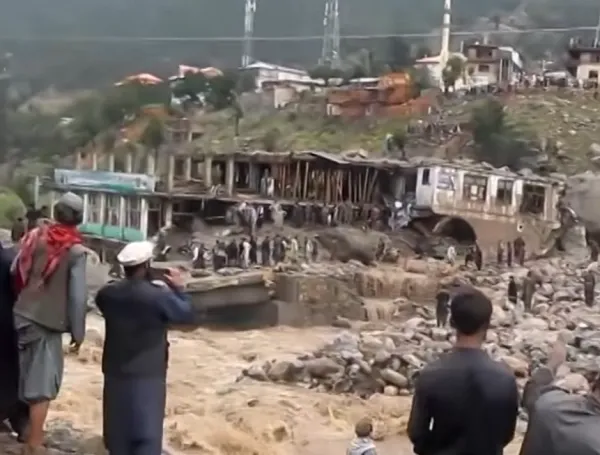
Beyond the immediate physical damage, the psychological toll on the survivors is immense. Many have lost not only their homes and livelihoods but also family members, friends, and neighbors. The trauma of witnessing such a destructive force of nature, coupled with the uncertainty of the future, will leave lasting scars. The 80-plus injured individuals face an uphill battle for recovery, often without adequate medical facilities or supplies in a region already underserved. The humanitarian impact extends far beyond the numbers, encompassing a profound disruption to daily life, education, and social structures in the affected areas.
Official Responses: Warnings Amidst Limited Capacity
The Taliban government, through its official channels, has been swift in acknowledging the disaster and issuing public warnings. The initial announcement from Kabul confirmed the grim statistics of dead, injured, and missing, setting the stage for a national response. Officials have expressed deep concern regarding the "severe economic and human losses" anticipated as a result of this and potentially future flood events.
A critical aspect of the official response has been the meteorological warnings issued by the Taliban’s weather department. These warnings project the continuation of heavy rainfall and flooding until at least Wednesday, July 22, across 10 provinces. This broad alert highlights the systemic nature of the current weather pattern and the widespread risk it poses to an already fragile country. The government has urged citizens in vulnerable areas to exercise extreme caution, advising them to stay away from riverbanks and low-lying regions known for their susceptibility to flooding.
However, the capacity of the Taliban government to mount a comprehensive and effective disaster response is severely constrained. Decades of conflict have left Afghanistan with dilapidated infrastructure, limited emergency services, and a chronic lack of resources. The international isolation of the Taliban regime since its return to power in 2021 has further exacerbated these challenges, significantly reducing the flow of international aid and technical support that was once crucial for disaster preparedness and response.

Local efforts, like those described by Ashiqullah Safi of Shpoul, underscore the grassroots nature of much of the immediate response. Without access to heavy machinery or specialized rescue teams, communities are largely left to their own devices, attempting to clear debris and search for survivors with rudimentary tools. While the government has pledged assistance, the logistical hurdles of reaching remote areas like Nuristan, coupled with internal capacity limitations, mean that the gap between need and provision remains vast. The lack of robust early warning systems and evacuation infrastructure further compounds the problem, making proactive measures difficult to implement effectively.
Implications: A Vicious Cycle of Vulnerability and Environmental Degradation
The recent floods in Nuristan are not an isolated incident but rather a stark manifestation of Afghanistan’s profound vulnerability to climate change and its complex interplay with socio-economic and environmental factors. As the BBC has previously reported, Afghanistan is among the countries most exposed to the extreme effects of climate change, experiencing a distressing frequency of natural disasters ranging from intense droughts to severe storms and flash floods.

Climate Vulnerability: The mountainous geography of Afghanistan makes it inherently susceptible to flash floods when heavy rains occur, as water rapidly runs off steep slopes. However, the intensity and frequency of these extreme weather events are increasing, a trend consistent with global climate change patterns. Warmer temperatures lead to more moisture in the atmosphere, resulting in heavier precipitation events. This, combined with rapid snowmelt in spring, often overwhelms river systems. The lack of modern infrastructure, such as proper drainage systems, flood barriers, and early warning technology, means that even moderate rainfall can quickly escalate into a catastrophic event.
Socio-Economic Fragility: Decades of incessant conflict, culminating in the withdrawal of the U.S.-led coalition and the Taliban’s resurgence in 2021, have left Afghanistan’s economy in tatters. The country struggles with widespread poverty, food insecurity, and a lack of investment in critical infrastructure. This economic fragility directly impacts its ability to build resilience against natural disasters. Communities lack the resources to construct flood-resistant homes, implement protective measures, or recover quickly after an event. The international sanctions imposed on the Taliban regime further restrict access to crucial funding and expertise, exacerbating the humanitarian crisis and hindering any long-term development efforts aimed at climate adaptation.

Environmental Degradation: The case of Nuristan, declared a national park in 2020 for its rich biodiversity and lush landscapes, highlights a critical environmental dimension. Despite its protected status, various reports indicate that deforestation and illegal logging are rampant in the province. Forests play a crucial role in absorbing rainfall and stabilizing soil. When trees are cut down, the land’s capacity to absorb intense precipitation is drastically reduced, leading to increased surface runoff, soil erosion, and a higher risk of devastating flash floods and landslides. The ecological damage not only intensifies natural disasters but also destroys the very natural resources that local communities depend on for their livelihoods.
A Pattern of Recurring Disasters: This latest tragedy follows closely on the heels of another major emergency just a few months prior. In April, severe rains and floods in northern Afghanistan caused widespread devastation, with initial reports indicating at least 150 fatalities. However, the World Food Programme (WFP) subsequently revised this figure upwards to more than 300 deaths, underscoring the immense scale of these repeated calamities and the challenges in accurately assessing their full impact. The recurring nature of these events means that communities have little time to recover before being hit again, trapping them in a vicious cycle of displacement, loss, and deepening poverty. Each disaster depletes already scarce resources, weakens community structures, and exacerbates the country’s humanitarian needs, making the path to stability and development even more arduous.

As Afghanistan continues to face the dual challenges of climate vulnerability and socio-political instability, the need for international support for disaster preparedness, climate adaptation, and humanitarian aid remains critical. Without significant investment in resilience-building measures and a concerted effort to address environmental degradation, the human and economic toll of such natural disasters is only set to escalate.
Andrés Felipe Bejarano Bejarano
REDACCIÓN ÚLTIMAS NOTICIAS