By Editorial Staff
Updated: September 30, 2026
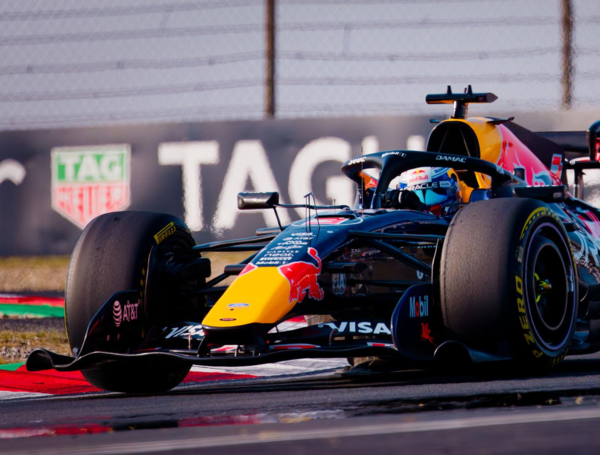
The 2026 Formula 1 season was meant to herald a new era of sustainability, cutting-edge hybrid technology, and closer racing. Instead, it has become the stage for a simmering rebellion. At the heart of this discontent is the sport’s reigning titan, Max Verstappen, who has emerged as the most vocal critic of the current technical regulations. What was once dismissed as the frustration of a driver struggling with early-season car setups has crystallized into a fundamental philosophical rejection of the direction in which the "pinnacle of motorsport" is heading.
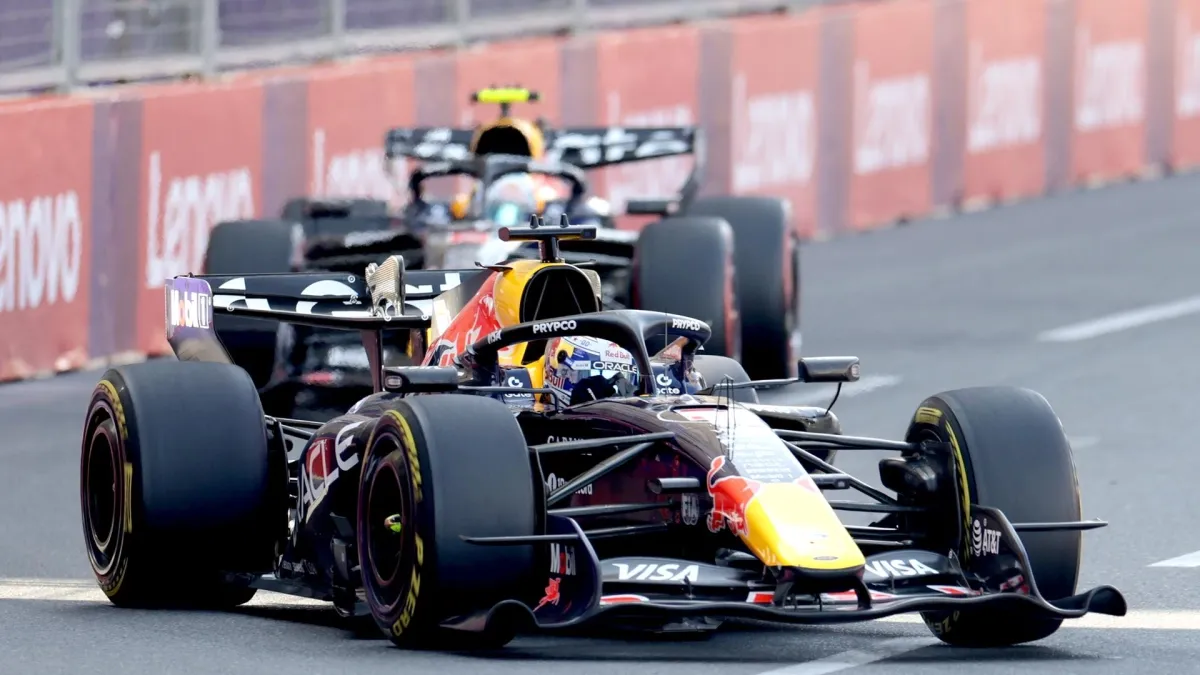
As the 2026 campaign progresses, the narrative surrounding the sport has shifted from the pursuit of speed and engineering excellence to a debate over the very soul of Grand Prix racing.
The Core Grievances: A Technical Analysis of the 2026 Regulations
The criticism directed at the current generation of Formula 1 cars is not merely anecdotal; it is rooted in specific technical limitations that have fundamentally altered the driving experience. During a candid appearance on the P1 with Matt & Tommy podcast, Verstappen provided a scathing assessment of why the current machines "are worth nothing."

The primary culprit, according to the Dutchman, is the over-reliance on battery energy management. The 2026 cars operate with a significantly increased electrical component compared to previous eras. This has created a "yo-yo" effect on the track. Drivers find themselves limited by battery deployment—or the sudden lack thereof—during critical phases of a race.
The "Yo-Yo" Effect and Artificial Overtaking
Verstappen describes a scenario where, even if a driver manages a successful overtake, the opponent is often able to immediately reclaim the position due to the nature of the energy deployment systems. This creates a cycle of artificial racing that lacks the grit and reward of traditional wheel-to-wheel combat.
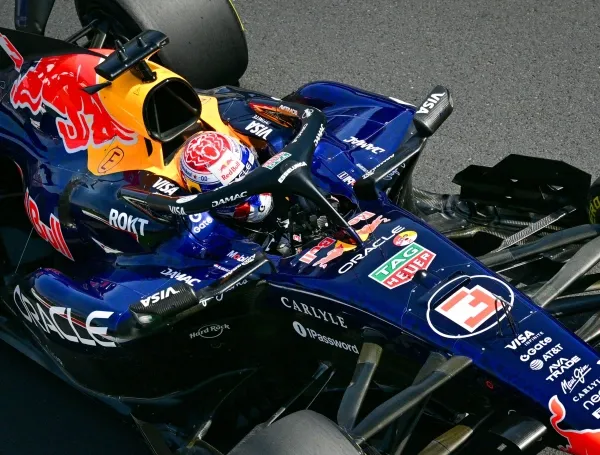
Fellow drivers, including Lando Norris, have echoed these sentiments, noting that many overtakes feel "accidental" rather than earned through race craft. When the difference between passing and being passed is dictated by software management rather than driver input, the competitive integrity of the sport is called into question.
A Chronology of Discontent: From Winter Testing to Mid-Season Crisis
The seeds of this unrest were sown long before the first lights went out in Bahrain earlier this year. To understand the current climate, one must look at the timeline of the 2026 transition:
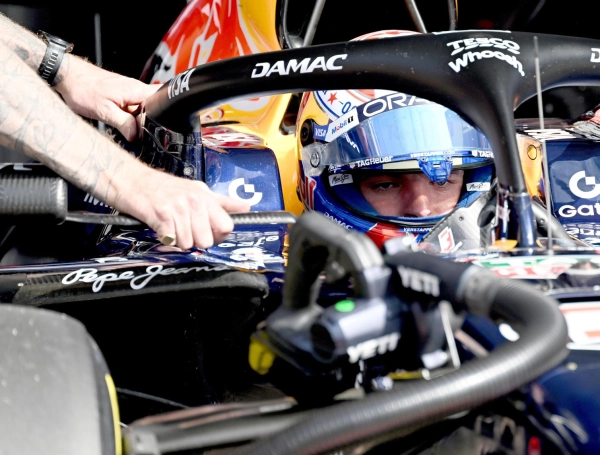
- Pre-Season (Early 2026): Rumors circulated regarding potential departures from the sport, with Verstappen openly questioning his future in F1 should the regulations fail to produce cars that feel like "true racing machines."
- The Opening Rounds: Initial races were marked by cautious driving as teams grappled with the massive power unit changes. The "nubarrones" (dark clouds) of uncertainty began to gather as drivers reported an unnatural driving feel.
- Mid-Season (Summer 2026): As teams optimized their hybrid deployment, the "battery management" issues became the dominant narrative. Complaints shifted from reliability to the lack of mechanical engagement.
- The Monza Realization: The Italian Grand Prix served as a boiling point, where the limitations of the battery were on full display, leading to the current wave of public outcry from the grid.
The Human Element: Driving Against Instinct
Perhaps the most damning critique comes from the cognitive dissonance the new cars force upon the drivers. Fernando Alonso, a veteran whose career spans multiple eras of F1, recently highlighted the psychological strain of these regulations during the lead-up to the Azerbaijan Grand Prix.
"The worst thing about these cars is trying to drive them naturally at the limit," Alonso explained. Traditionally, the prowess of a Formula 1 driver is measured by their ability to brake late and accelerate early. The 2026 cars, however, demand a counter-intuitive approach: drivers must be as gentle as possible on the accelerator and adopt specific, rigid braking patterns to satisfy the energy recovery systems.
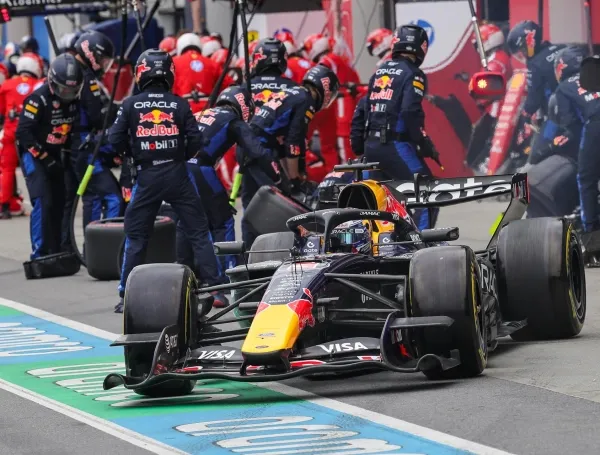
This "anti-instinct" driving style acts as a great equalizer, which, ironically, is what the drivers dislike most. When the cars dictate how they must be driven to stay within the battery’s operating window, the delta between the best drivers and the rest of the field narrows in a way that feels artificial. As Verstappen noted, "All of us can drive in that way, and it makes it very difficult to create differences, especially in qualifying."
Proposed Solutions: Is a Return to V8s the Answer?
When asked what he would do to fix the sport, Verstappen did not mince words: "Change the engine. Go back to V8s."
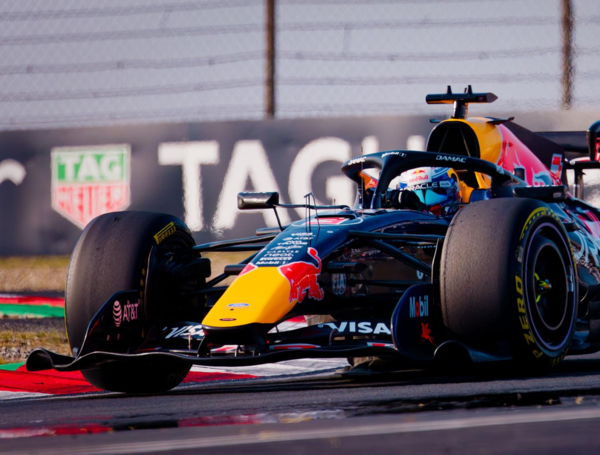
His argument for a return to naturally aspirated V8 engines centers on the concept of purity. He contends that V8s were superior in every scenario: they were better to drive, easier to manage, and removed the heavy reliance on complex, power-sapping battery systems. Verstappen is not against hybrid technology in principle, but he is fundamentally opposed to it becoming the defining factor of a race.
The proposal to increase the power of the internal combustion engine (ICE) while reducing the reliance on the battery is gaining traction among those who feel that the sport has prioritized environmental optics over the entertainment value of the race.

Official Responses and the Governing Body’s Stance
While the FIA has acknowledged the feedback from the drivers, they remain committed to the 2026 sustainability targets. The governing body maintains that the hybrid elements are essential for the long-term viability of F1 as a manufacturer-relevant sport.
However, the pressure is mounting. The FIA is reportedly reviewing data from the first half of the season to determine if minor adjustments to the energy deployment software or aerodynamic regulations can alleviate the "follow-ability" and battery-limit issues. Whether these adjustments will satisfy the drivers—or if a more radical overhaul of the 2026 ruleset will be required—remains the subject of intense behind-the-scenes negotiations.

Implications for the Future of Formula 1
The current situation presents a significant risk to the sport’s brand equity. Formula 1 relies on the perception that its drivers are the best in the world piloting the most advanced machines. If the drivers themselves are publicly denouncing the cars as unrewarding and "not real," the product risks alienating its core audience.
- Driver Retention: If the "unnatural" driving style persists, the sport may face a talent exodus. Drivers who value the visceral, high-stakes nature of racing may look toward series like IndyCar or WEC, where the machines are viewed as more "driver-centric."
- Manufacturer Relations: Any move to scrap or significantly alter the hybrid regulations would be met with fierce resistance from manufacturers who have invested billions in the current power unit architecture.
- Fan Engagement: The "yo-yo" effect and the lack of authentic racing could lead to a decline in viewership. Fans want to see overtakes that represent a battle of wills, not a software override.
Conclusion: A Crossroads for the Sport
Max Verstappen’s outspoken criticism is not merely the grumbling of a champion who prefers the past; it is a warning from the most influential voice in the paddock. The 2026 regulations represent a bold experiment in balancing high-tech sustainability with the demands of elite motorsport. As of now, the experiment is failing to deliver the excitement that the fans—and the drivers—demand.

The coming months will be critical. If the FIA and F1 leadership do not find a way to reconcile the technical requirements of the 2026 regulations with the fundamental desire for authentic, instinctive racing, they risk losing the very thing that makes Formula 1 the pinnacle of the sport: the raw, unfiltered battle between human and machine.
For now, the grid waits, the batteries drain, and the debate rages on, with the shadow of the V8 era looming large over the high-tech, hybrid present.