By: Angie Rodríguez | July 21, 2026
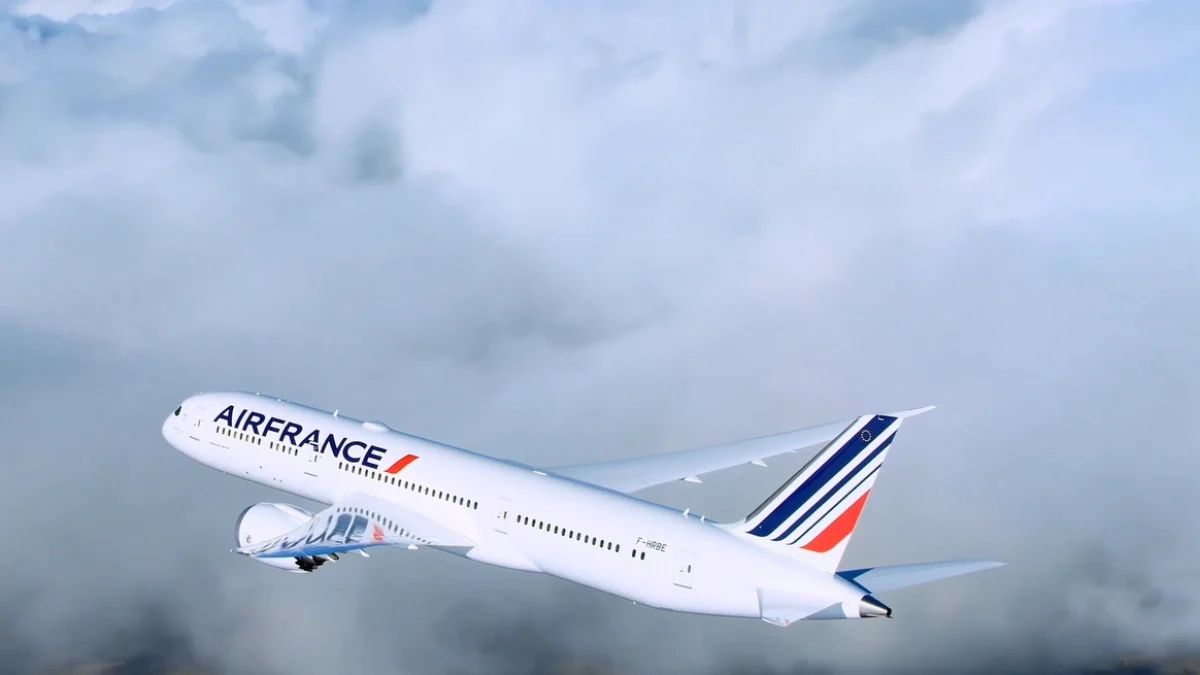
In the modern era of global aviation, the concept of a "hub" is more than just a logistical term; it is the heartbeat of international commerce and human connection. Thirty years ago, on March 31, 1996, Air France inaugurated its strategic hub operations at Paris-Charles de Gaulle (CDG) airport. This transformative move did not merely organize flights; it revolutionized how the airline moved millions of people across the globe, creating a synchronized system that turned the French capital into the primary gateway for European travel.
Today, the CDG hub stands as a testament to operational excellence, coordinating up to 800 flights daily and bridging the gap between travelers and 320 global destinations through the expansive Air France-KLM network.
The Genesis of a Strategy: 1996 and the Hub Revolution
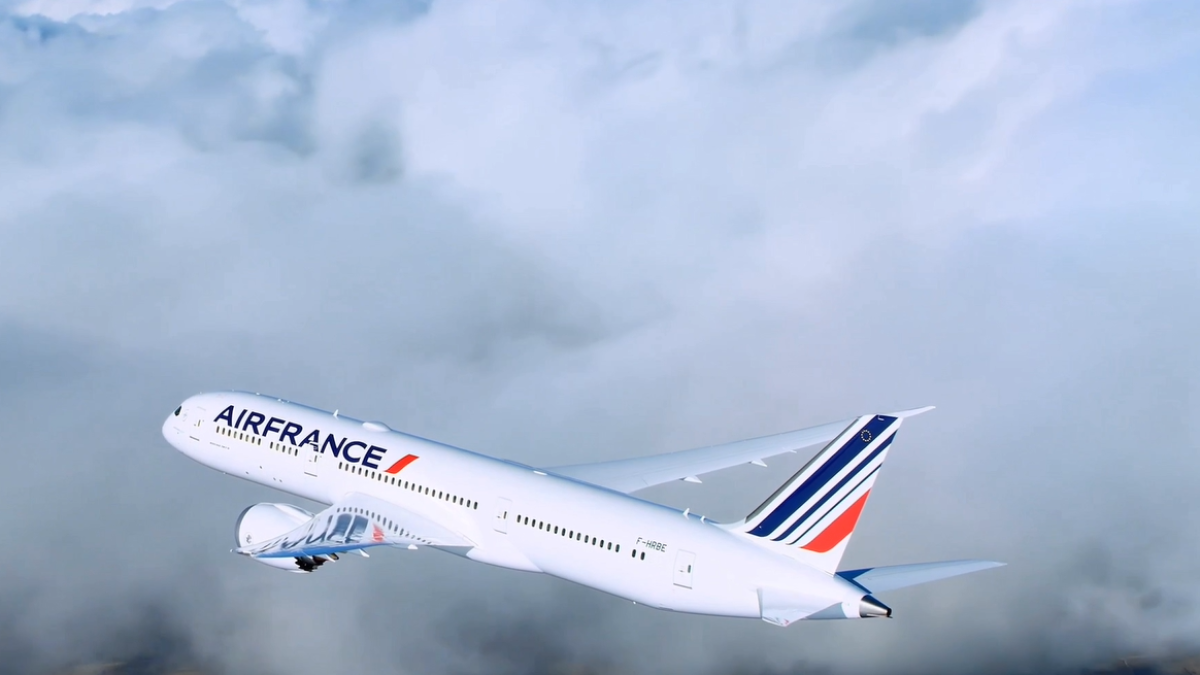
Before the implementation of the hub model, aviation networks were often fragmented, leading to long layovers and inefficient routing. The decision to centralize operations at CDG was a calculated gamble that paid immediate dividends. By synchronizing arrival and departure "waves," Air France was able to drastically reduce connection times, making the transit process seamless for passengers.
The results were instantaneous. In the first six months following the transition, the airline saw a 20 percent increase in traffic without the need to purchase additional aircraft. This newfound efficiency allowed Air France to maximize its existing fleet, setting the stage for decades of growth.
Chronology of Expansion
- 1996: Launch of the CDG hub, introducing the "wave" system for synchronized connections.
- Early 2000s: Integration with KLM following the merger, creating one of the world’s most powerful airline groups.
- 2010s: Massive infrastructure investments in Terminal 2E, 2F, and 2G, optimizing passenger flow.
- 2020-2025: Digital transformation, including AI-driven operations and the modernization of ground handling.
- 2026: Celebration of the 30th anniversary, marking a milestone in European aviation dominance.
Operational Scale: The Engine Room of the Hub
The CDG hub is a massive, multi-faceted organism. Spanning terminals 2E, 2F, and 2G, the facility is a complex ecosystem. It includes a dedicated air cargo terminal and an impressive 300,000 square meters specifically earmarked for aircraft maintenance.

In 2025 alone, the airline facilitated the travel of over 40 million passengers through its CDG network—a figure that represents more than half of the total traffic at the airport. Managing this volume requires an army of 5,300 dedicated employees who oversee the movement of 90,000 pieces of luggage every single day. The Center of Control for the hub acts as the "brain," ensuring that these moving parts operate in perfect harmony.
Supporting Data and Key Metrics
The complexity of the hub is best understood through its daily operational metrics:
- Daily Flight Movements: Up to 800.
- Daily Passenger Throughput: Approximately 100,000.
- Inter-Hub Synergy: 24 daily flights connecting Paris-CDG and Amsterdam-Schiphol.
- Accessibility: Over 760,000 passengers with disabilities assisted via the Saphir program in 2025.
- Intermodal Reach: 160,000 passengers annually utilizing the "Train + Air" service.
The Human Factor: Reliability and Inclusion
While the hub is a feat of engineering, its true success lies in its ability to manage the human element. With nearly 50 percent of all Air France passengers at CDG being in transit, the pressure to maintain punctuality is immense. To achieve this, the airline maintains a rigorous, collaborative approach, working hand-in-hand with ground handling companies, baggage operators, catering services, and government authorities.

The Saphir Program: A Legacy of Care
A highlight of the hub’s social impact is the Saphir program. Celebrating its 25th anniversary in 2026, the service provides specialized, complimentary assistance for travelers with disabilities. By prioritizing inclusive travel, Air France has set a benchmark for the industry, proving that large-scale operations do not have to come at the expense of personalized care.
Technological Integration and the Future of Flight
The modern traveler expects a frictionless experience, and Air France has invested heavily in digital infrastructure to meet this demand. The deployment of self-service kiosks, automated baggage drop-off systems, and biometric-enabled boarding gates has significantly reduced wait times and human error.
Artificial Intelligence: The Next Frontier
Looking toward the future, the airline is pivoting toward Artificial Intelligence (AI). Currently, Air France has identified over 80 distinct "use cases" for AI within its operations. These include:

- Predictive Maintenance: Anticipating mechanical issues before they cause flight delays.
- Dynamic Scheduling: Optimizing flight paths and ground movements to reduce fuel consumption.
- Personalized Guest Services: Using data to provide real-time updates and tailored recommendations to passengers based on their specific travel needs.
Strategic Implications: Building a Seamless Europe
The partnership between Air France and KLM is the backbone of European connectivity. By linking the CDG and Schiphol hubs, the group offers an unparalleled range of choices. This integration, bolstered by the budget-friendly options provided by Transavia France and Transavia Holland, ensures that the group maintains a dominant market share.
Furthermore, the commitment to intermodal transport is evolving. The "Train + Air" initiative, which combines rail and air travel in a single booking, serves as a model for sustainable travel. With 24 stations currently connected, and plans for further expansion, the airline is effectively integrating itself into the broader French transport infrastructure.
The CDG Express: A Vision for 2027
The future of the hub is not just in the air; it is also on the ground. The upcoming CDG Express, slated for completion in 2027, will be a game-changer. This dedicated rail link will connect the airport directly to the Gare de l’Est in central Paris in just 20 minutes. This project is vital for the continued growth of the hub, as it will drastically reduce the "last mile" barrier for international and domestic travelers alike.

Conclusion: Looking Ahead
As Air France celebrates 30 years of its hub model, it is clear that the strategy has been one of the most successful in aviation history. What began as a bold attempt to reorganize flight connections has matured into a sophisticated, AI-driven, and socially responsible network.
The challenges of the next 30 years—climate change, geopolitical shifts, and the rapid evolution of technology—are substantial. However, by maintaining its commitment to operational precision and the continuous integration of ground and air travel, the Paris-Charles de Gaulle hub is well-positioned to remain the gateway to Europe for generations to come.
The story of this hub is not just about planes taking off and landing; it is about the thousands of people who work behind the scenes to ensure that every passenger’s journey is as seamless as possible, bridging distances and cultures in an increasingly connected world.