By Edwin Caicedo Environment and Health Journalist September 9, 2026
Main Facts
The department of Huila, nestled in the southern region of Colombia, has officially solidified its status as a premier sanctuary for avian biodiversity. In a pair of remarkable discoveries that highlight both the ecological richness of the region and the growing efficacy of citizen science, conservationists and local researchers have documented two bird species never before recorded within the department’s boundaries.
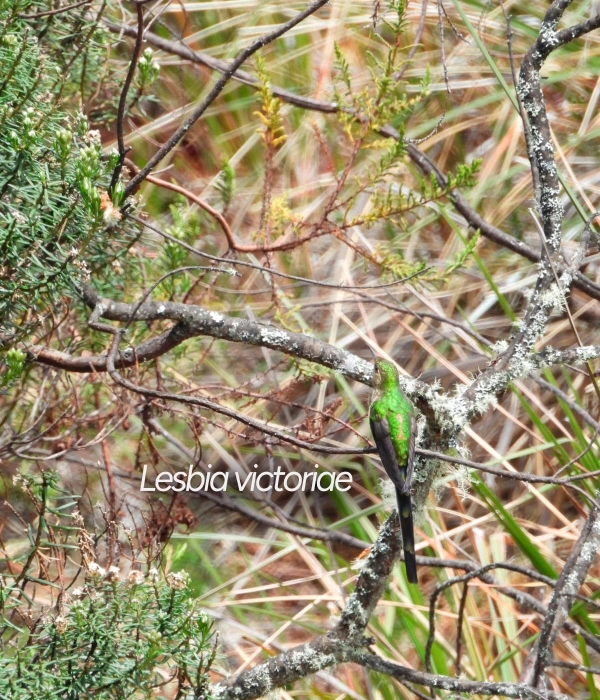
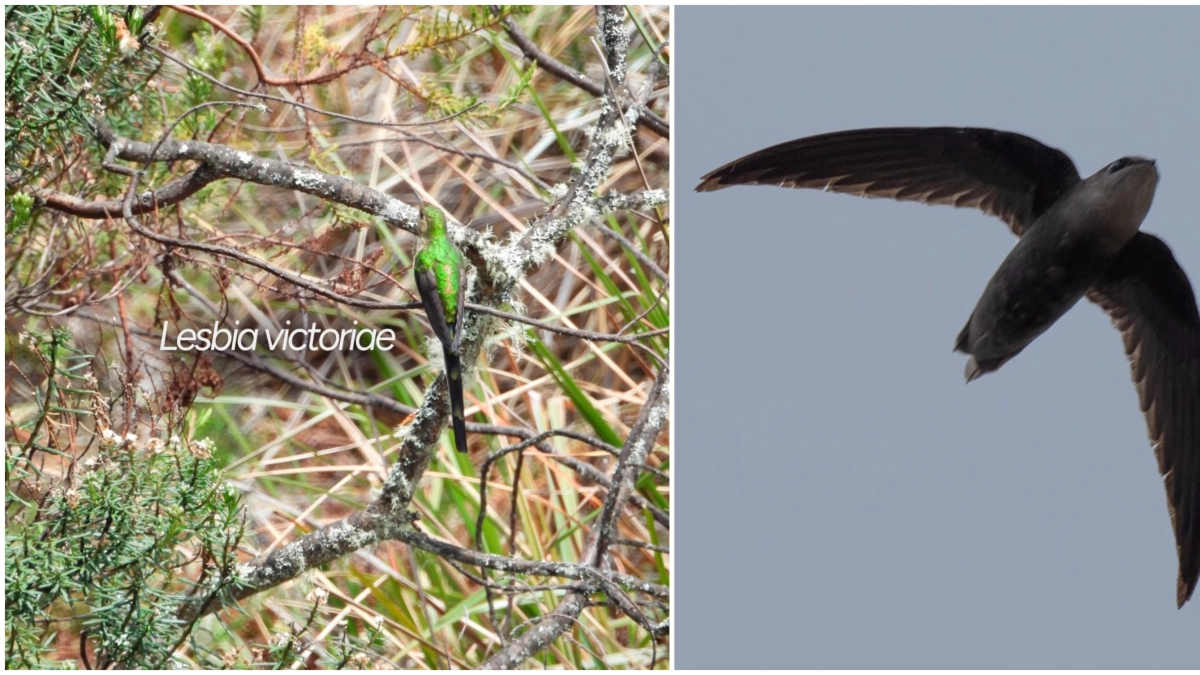
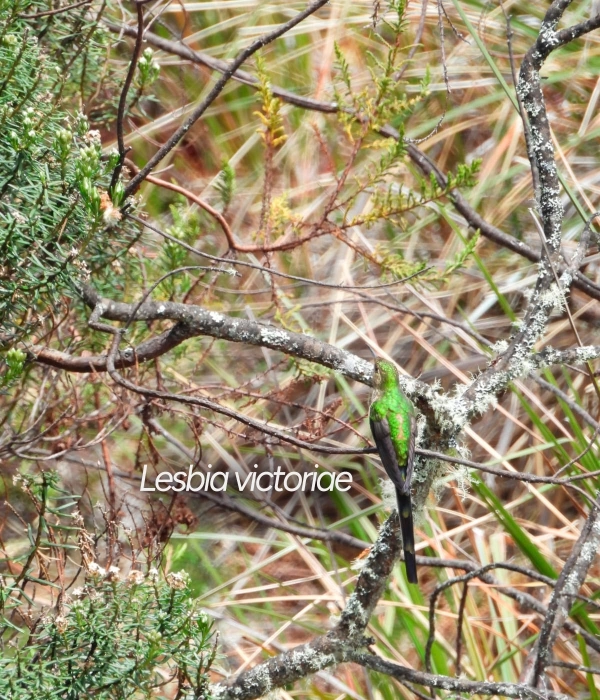
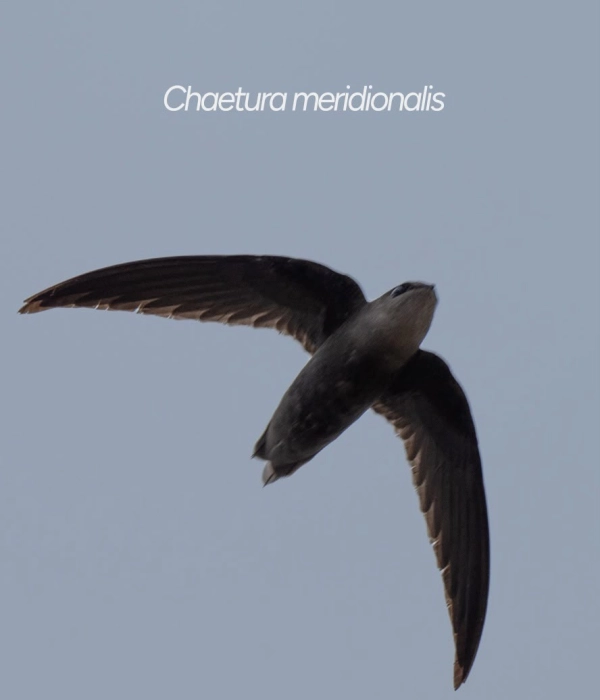
The newly identified species are the black-tailed trainbearer hummingbird (Lesbia victoriae) and the ash-ended swift (Chaetura meridionalis).
The hummingbird was sighted and meticulously photographed high up in the rugged terrain of the Páramo de las Oseras, located in the municipality of Colombia. Meanwhile, the swift was identified amid the agricultural expanse of the El Juncal rice paddies in the municipality of Palermo, during routine monitoring of migratory bird populations.
With these two groundbreaking additions, Huila’s official avifauna inventory has risen to an impressive 760 species. According to the Corporación Autónoma Regional del Alto Magdalena (CAM)—the regional environmental authority—this milestone underscores not only the pristine and varied microclimates found throughout the department but also the invaluable collaborative efforts between local communities, academic researchers, and environmental organizations dedicated to cataloging and preserving Colombia’s natural heritage.
"This is exceptional news for the department of Huila. We have officially registered two new bird species, consolidating a total of 760 species across our entire territory," declared Sebastián Betancourth, a staff ornithologist with the CAM.
Chronology of the Discoveries
The journey to uncovering these two additions to Huila’s checklist occurred across vastly different geographical landscapes and through distinct observational approaches, reflecting the diverse methodologies of modern ornithological exploration.
1. The High-Altitude Discovery: Lesbia victoriae in the Páramo de las Oseras
The first discovery took place during a community-led biodiversity exploration initiative in the Páramo de las Oseras, a protected high-mountain ecosystem in Huila. Eliseo Ortigoza, a resident of Vereda Santana in the municipality of Colombia, was actively participating in local conservation and wildlife-spotting activities when he encountered a striking hummingbird with an exceptionally long, graduated tail.
Ortigoza managed to capture clear photographs of the bird, which immediately drew the attention of regional experts. Upon expert review, the bird was identified as Lesbia victoriae, a species traditionally associated with high-altitude scrublands and Andean slopes in other parts of the country, but never before formally documented within Huila’s borders. This find not only expands the known geographic range of the species but also adds vital ecological data to the management plans of the Páramo de las Oseras protected area.
2. The Aerial Specialist: Chaetura meridionalis in El Juncal
Weeks later, a completely different challenge unfolded in the lowlands of Palermo. During a specialized field expedition focused on tracking migratory birds across regional agricultural matrices, prominent biologists Fernando Ayerbe (from the University of Cauca) and Esteban Ramos turned their focus toward the expansive rice paddies of El Juncal.
Unlike perching birds that can be studied leisurely in trees or wetlands, swifts of the genus Chaetura spend the vast majority of their lives airborne, feeding on flying insects and rarely touching solid ground except when nesting or roosting. This aerial lifestyle makes positive identification exceptionally difficult in the field.
Ayerbe and Ramos managed to photograph a swift exhibiting distinct morphological characteristics that set it apart from resident species. Following the field expedition, the researchers engaged in a rigorous analytical process, cross-referencing high-resolution photographs with specialized taxonomic literature and consulting historical records maintained by other ornithologists. This meticulous cross-examination confirmed that the individual belonged to Chaetura meridionalis, marking the first visual and photographic confirmation of the species in Huila.
Supporting Data and Ornithological Significance
The addition of these two birds to Huila’s avifauna is more than just a numbers game; it provides critical insights into avian migration patterns, altitudinal shifts, and habitat utilization in southwestern Colombia.
The Ecological Profile of Lesbia victoriae
The black-tailed trainbearer (Lesbia victoriae) is renowned among birdwatchers for the male’s dramatic, elongated outer tail feathers, which can span up to twice the length of its body. Typically found in open and semi-open high-altitude Andean habitats, its presence in the Páramo de las Oseras indicates that protected high-mountain corridors in Huila are functioning as effective refuges, providing the specific Andean flowering plants and micro-habitats necessary to sustain specialized nectar-feeders.
The Migratory Dynamics of Chaetura meridionalis
Chaetura meridionalis (the ash-ended swift) is classified as an austral migrant. This ecological categorization means the species breeds during the austral summer in the southern regions of South America (such as Argentina, Paraguay, and southern Brazil) and undertakes remarkable seasonal migrations northward into tropical South America to escape the harsh southern winters.
According to biologist Fernando Ayerbe, documenting this species in Colombia is an arduous task. While researchers occasionally suspect its presence based on acoustic or transient behavioral cues, photographic evidence remains exceedingly rare.
"This is the first record for Huila, but only the second photographic record for all of Colombia," Ayerbe explained. "We have made numerous visual sightings of the species over the years, but verifiable photographic vouchers are virtually non-existent—there are only about two known instances documented visually with imagery in the country."
Because the researchers were unable to capture or isolate the bird’s specific vocalizations during the fast-paced field encounter in El Juncal, the identification relied heavily on subtle plumage characteristics, structural proportions, and the precise timing of the observation relative to the known phenology of austral migration waves.
Official Responses and Institutional Perspectives
Regional environmental authorities have hailed both discoveries as a testament to the success of ongoing conservation frameworks and regional outreach campaigns.
Sebastián Betancourth of the CAM emphasized that these milestones are deeply intertwined with the shifting cultural landscape of rural communities. The fact that one of the discoveries (Lesbia victoriae) was made by a local resident—Eliseo Ortigoza—highlights a paradigm shift where local farmers, landowners, and eco-tourism guides are becoming active stewards of biodiversity.
"This is very gratifying because it elevates the number of species not only for the department as a whole, but specifically for a protected area, which increases its ecological and conservation significance for the region," Betancourth stated. "Every day, more people across our territories are actively engaging in registering and protecting our local biodiversity."
The CAM points out that Huila has rapidly evolved into one of Colombia’s premier destinations for aviturismo (birdwatching tourism). The department’s topography encompasses everything from lowland inter-Andean valleys and tropical dry forests to towering paramos and cloud forests. This immense topographical heterogeneity creates distinct ecological niches that harbor an extraordinary density of endemic, resident, and migratory bird species.
Furthermore, institutional frameworks supported by the regional government and environmental NGOs have increasingly focused on bridging the gap between professional ornithologists and grassroots communities. Training workshops in bird identification, photography, and the use of digital citizen-science platforms (such as eBird) have transformed rural inhabitants into front-line researchers capable of making scientifically valid discoveries.
Implications for Conservation and Future Research
The documentation of Lesbia victoriae and Chaetura meridionalis carries profound implications for environmental management, land-use planning, and future scientific research in Huila.
1. Filling Knowledge Gaps in Protected Areas
Despite decades of biological research in the tropical Andes, significant information gaps remain regarding the exact distribution ranges of many Neotropical bird species. The discovery in the Páramo de las Oseras demonstrates that even within formally declared protected areas, the full inventory of flora and fauna remains partially unmapped. Environmental authorities plan to intensify monitoring efforts within Huila’s paramo ecosystems to understand how climate shifts might be driving high-altitude species to shift their home ranges.
2. Expanding the Scope of Migratory Bird Corridors
The identification of Chaetura meridionalis in the agricultural matrix of El Juncal—specifically within rice cultivation zones—challenges the traditional notion that high-intensity agricultural landscapes hold little value for conservation. Many migratory birds utilize agricultural wetlands, flooded rice fields, and secondary growth corridors as critical refueling stations during their transcontinental journeys. This finding emphasizes the need for wildlife-friendly agricultural practices, such as integrated pest management that reduces pesticide loads, ensuring that these human-modified landscapes can safely support vulnerable migratory species.
3. Boosting Sustainable Eco-Tourism and Local Economies
As Huila’s official bird count reaches 760 species, the region solidifies its competitive edge in Colombia’s burgeoning nature-tourism sector. Aviturismo brings sustainable economic incentives to rural communities, proving that protecting local ecosystems can generate tangible financial benefits through guided tours, lodging, and local services. When local residents like Eliseo Ortigoza directly participate in scientific discoveries, community ownership of conservation initiatives deepens, fostering a sustainable culture of environmental stewardship.
Looking Ahead
As researchers, ornithologists, and local citizen scientists continue combing through Huila’s diverse landscapes armed with telephoto lenses and acoustic monitors, environmental authorities anticipate that the departmental avian checklist will continue to grow. Both the CAM and independent academic institutions stress that every new record reinforces the urgent need to protect the remaining tracts of native forest, paramo, and wetland habitats across the department against the pressures of deforestation, habitat fragmentation, and climate change.
Through the combined vigilance of local observers in the high mountains and expert biologists in the valleys, Huila continues to unveil the hidden marvels of its natural wealth, proving that the skies and forests of Colombia still hold countless secrets waiting to be discovered.
By Angie Rodríguez | Travel & Trends Desk Updated: September 22, 2026 Main Facts The global aviation landscape has a new definitive scorecard. The results of the prestigious 2026 World Airline Awards, organized by the…
By Alexandra Cabrera Published: September 12, 2026 Main Facts: Navigating a Period of Collective Transformation As the celestial sphere shifts into a profound phase of introspection and restructuring, astrologers and esoteric practitioners report a collective…
As the international community navigates a complex matrix of geopolitical friction, extreme weather events, and transnational security threats, a series of critical developments across continents has underscored the fragility of global stability. From escalating conflicts…