By Edwin Caicedo
Environment and Health Journalist
September 9, 2026
Main Facts: The Infrastructure Paradox in Colombia
Constructing a highway, laying down an electrical transmission grid, or launching any other major strategic initiative in Colombia remains a daunting, multi-year administrative marathon before a single shovel hits the ground. While national legislation theoretically mandates a swift 90-business-day window for environmental licensing, bureaucratic inertia often stretches this process past the 800-day mark. Coupled with unpredictable frameworks for prior consultation (consulta previa) with indigenous and Afro-descendant communities, these compounding delays severely threaten the nation’s economic competitiveness and long-term energy security.

This alarming diagnosis forms the cornerstone of a comprehensive policy paper released by Fedesarrollo, charting an ambitious economic and developmental roadmap for the incoming presidential administration spanning 2026–2030. The think tank warns that Colombia is falling dangerously behind in vital transportation and energy infrastructure. However, its central thesis is both nuanced and firm: accelerating national progress does not require dismantling environmental safeguards or undermining the hard-fought constitutional rights of local communities.

Instead, the core dysfunction lies in systemic institutional missteps. The report points to chronic coordination failures across government agencies, a stark deficit in technical capacities at the regional level, volatile regulatory norms, and a passive state apparatus that effectively outsources critical project management burdens onto private developers.
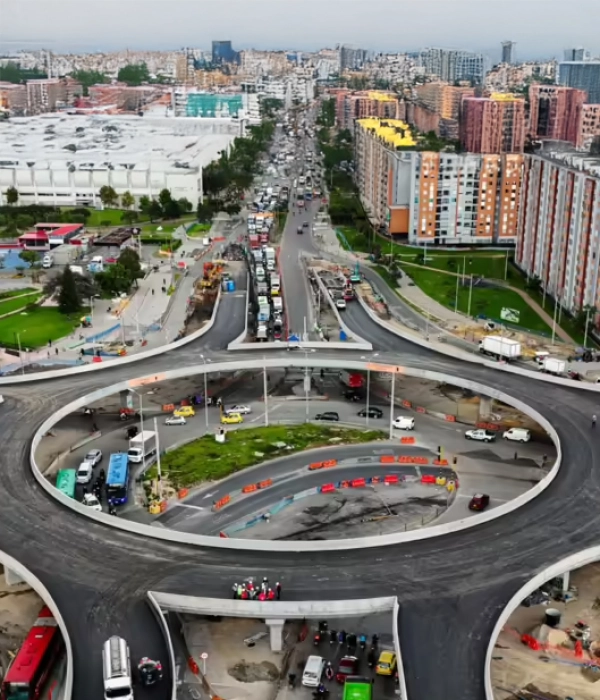
The stakes could not be higher. On the global stage, Colombia currently languishes at 92nd out of 141 countries in economic competitiveness. Its logistical skeleton remains fragile: a staggering 97 percent of national cargo moves by road, yet a meager 14 percent of the country’s entire road network is classified as being in good condition.

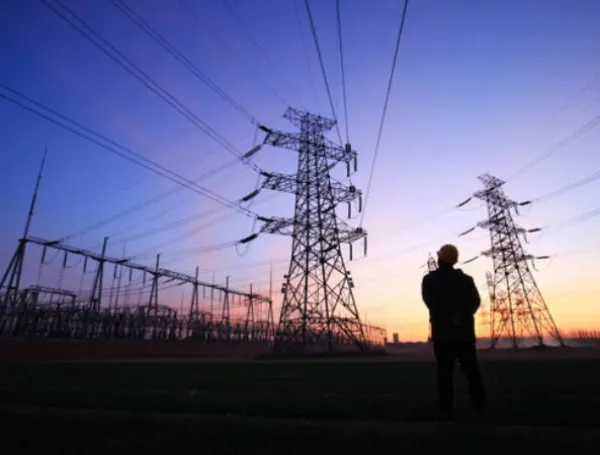
Simultaneously, the energy sector faces a gathering storm. Highly reliant on hydroelectric generation, Colombia’s electrical matrix is projected to encounter severe generation shortfalls as domestic demand surges. Pressuring the grid further is the exponential spike in cooling needs driven by changing climate patterns, which alone could account for a 42.8 percent increase in energy consumption by 2030.
Chronology: From Legal Intentions to Years of Bureaucratic Delays
To understand how essential infrastructure projects become bogged down in a mire of administrative red tape, it is vital to trace the historical evolution and practical execution of Colombia’s environmental and social vetting processes over recent decades.
- Pre-1990s (The Era of Minimal Regulation): Infrastructure development operated under fragmented sectoral oversight. Environmental concerns were secondary, leading to widespread ecosystem fragmentation with little to no community engagement.
- The 1991 Constitution and Law 99 of 1993: A monumental paradigm shift introduced modern environmental governance to Colombia. This era established the Ministry of Environment, the National Environmental System (SINA), and the network of Regional Autonomous Corporations (CARs), while institutionalizing rights for ethnic minorities, laying the groundwork for prior consultation.
- 2010s (The Institutional Strain): As mega-projects scaled up to meet globalization demands, the sheer volume of environmental impact studies overwhelmed regulatory bodies. The creation of the National Authority for Environmental Licenses (ANLA) in 2011 sought to centralize complex projects, but regional fragmentation persisted.
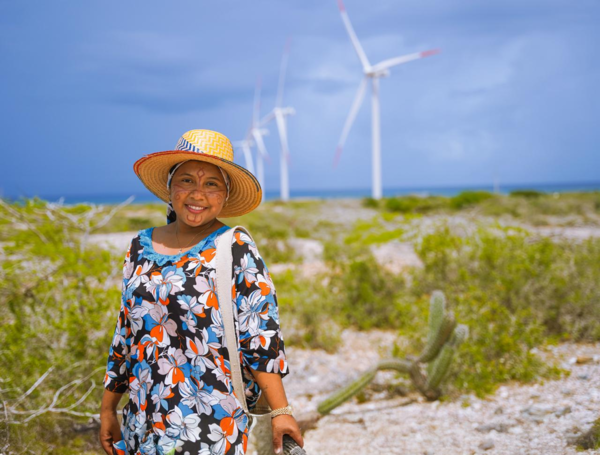
- The Late 2010s to Early 2020s (The Bottleneck Era): Legal timelines of 90 business days became a dead letter. Complex linear projects, such as the Línea Colectora in La Guajira, faced cascading administrative hurdles. The lack of prior territorial planning caused individual consultation demands to balloon from 130 to over 240, stalling the integration of major wind energy parks for nearly four years.
- The 2026–2030 Horizon (Fedesarrollo’s Intervention): With the country facing mounting competitive pressures and imminent energy constraints, Fedesarrollo’s landmark policy paper proposes a structural reorganization of the state’s role, urging a shift from reactive litigation management to proactive, state-led planning.
Supporting Data: Dissecting the Bottlenecks
Fedesarrollo’s empirical analysis of institutional efficiency paints a vivid picture of systemic gridlock. By examining a sample of 76 distinct environmental licensing procedures, the researchers isolated the primary drivers of institutional delay.

1. The Licensing Quagmire
- The Forestry Permit Factor: Within the analyzed sample, simple forestry exploitation permits (permiso de aprovechamiento forestal) accounted for an astonishing 46 percent of all project delays. Developers frequently find themselves trapped in circular dependencies where an ancillary forestry clearance halts the overarching environmental license.
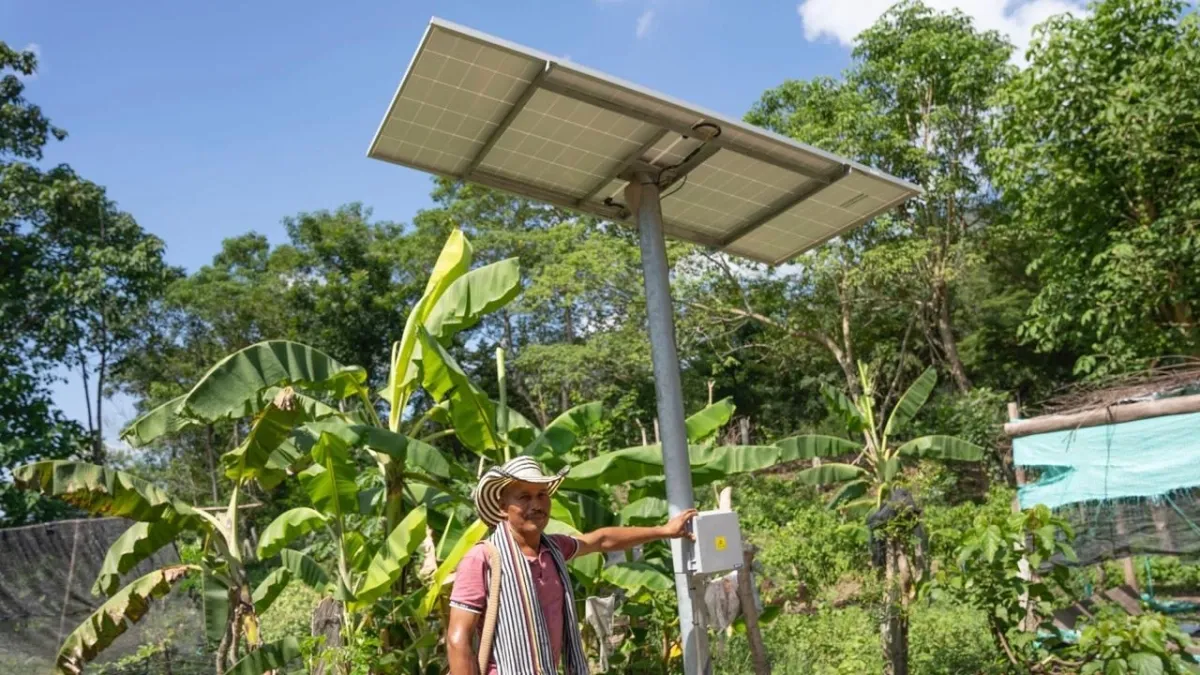
- The Solar Exception: Proving that institutional agility is possible without sacrificing standards, Fedesarrollo highlighted the recent regulatory framework applied to photovoltaic solar projects. By streamlining specific protocols, the average environmental evaluation time for solar initiatives plummeted from 152 days down to just 40 days.
- Institutional Fragmentations: Responsibilities are frequently split between the Ministry of Environment, ANLA, and the CARs. Compounding this structural divide is a reliance on generic terms of reference that fail to account for regional ecological nuances, coupled with severe budget and technical deficits within regional bodies.
2. The Prior Consultation (Consulta Previa) Dilemma
- A Constitutional Vacuum: Colombia still lacks an overarching Statutory Law (Ley Estatutaria) regulating prior consultation. Consequently, the procedure has evolved haphazardly through a patchwork of Constitutional Court rulings, creating a legal gray area.
- Selective Application, Outsized Impact: While prior consultation formally applies to only a fraction of national projects—estimated at roughly 16.8 percent—it dictates the fate of nearly all major energy and transport corridors.
- Externalities and Social Friction: Uncompensated local externalities—such as heavy construction noise, localized property devaluation, and agricultural disruptions—frequently breed fierce community opposition. Furthermore, the report explicitly warns of corruption risks and predatory legal practices associated with the so-called "prior consultation cartel," where bad actors exploit the mechanism for private rent-seeking rather than genuine community defense.
Official Responses and Stakeholder Perspectives
The release of Fedesarrollo’s policy paper has triggered intense debate across government institutions, private sector associations, and civil society groups.

- The Economic Perspective: Business guilds and infrastructure chambers have enthusiastically welcomed the diagnosis. Industry leaders argue that legal insecurity scares away foreign direct investment and stalls projects vital for the country’s energy transition. They emphasize that companies are ill-equipped to act as surrogate local governments tasked with solving historical state neglect in marginalized territories.
- Environmental and Community Advocates: Indigenous organizations and environmental watchdogs have expressed cautious vigilance. While acknowledging that administrative efficiency is desirable, they vigorously defend prior consultation and rigorous environmental licensing as non-negotiable constitutional shields. They argue that attempts to streamline procedures must not curtail community autonomy or whitewash ecological risks.
- State Authorities: Representatives from ANLA and the Ministry of Environment maintain that institutional strengthening is already underway through digitalization and inter-agency task forces. However, officials privately concede that chronic underfunding of regional environmental authorities (CARs) remains an Achilles’ heel that simple administrative decrees cannot fix.
Implications: A Pragmatic Blueprint for the Next Government
Fedesarrollo’s blueprint asserts that Colombia does not face an existential choice between building modern infrastructure, protecting fragile ecosystems, and respecting ethnic rights. Instead, the country can achieve all three through a radical realignment of state responsibilities structured across a clear timeline.
Phase 1: The First 100 Days (Immediate Executive Actions)
- State Re-assumption of Leadership: The national government must reclaim direct operational control over complex prior consultations and strategic licensing before projects are ever put out to tender.
- Inter-Sectoral Task Force: Establish a high-level coordination committee to harmonize mandates between the Ministry of Environment, ANLA, the National Authority for Prior Consultation (DANCP), and regional entities.
- Strengthened One-Stop Shops: Enhance the digital environmental single window (ventanilla única) to systematically track workflow bottlenecks and assign clear jurisdictional boundaries.
Phase 2: Year One (Streamlining and Capacity Building)
- Regulatory Exemptions: Expand simplified fast-tracks and license exemptions for low-impact projects situated strictly within already-intervened utility corridors or road traces.
- Technical Upgrades: Inject targeted technical and financial resources into ANLA, the DANCP, and key CARs to elevate their baseline evaluative capacity.
- Strategic Prioritization: Utilize the Department Nacional de Planeación (DNP) to periodically rank projects using sophisticated frameworks akin to the World Bank’s Infrastructure Prioritization Framework.
Phase 3: Medium-Term Structural Reforms (Legislative Action)
- Statutory Law on Prior Consultation: Pass a comprehensive statutory law to legally delimit timeframes, criteria for direct affectation, territorial scope, and clear closure mechanisms for consultations.
- Unified Registry of Peoples: Create a definitive national registry identifying indigenous, Afro-descendant, and local communities with clear jurisdictional mapping to eliminate ambiguity over who must be consulted.
- Overhaul of Regional Corporations (CARs): Execute a structural reform of the CARs, reducing their total number, professionalizing their administrative staff, and aligning their budgets with national infrastructure corridors.
Redefining Local Compensation
To prevent prior consultation from remaining the sole functional mechanism through which marginalized communities can demand basic state services, Fedesarrollo advocates for pre-operative public investments utilizing instruments such as Obras por Impuestos (Taxes for Works), FENOGE, and payments for environmental services.

Furthermore, the report proposes transforming local populations from passive recipients of cash compensation into active economic stakeholders. By integrating community trust funds, local co-ownership models, royalty-sharing structures, and localized energy tariff discounts, major national projects can foster genuine local alignment.

Ultimately, Fedesarrollo’s roadmap offers a pragmatic path forward: by combining rigorous strategic prioritization, proactive state-led groundwork, and transparent community benefit-sharing, Colombia can unlock its transformative economic potential without compromising its natural or social wealth.