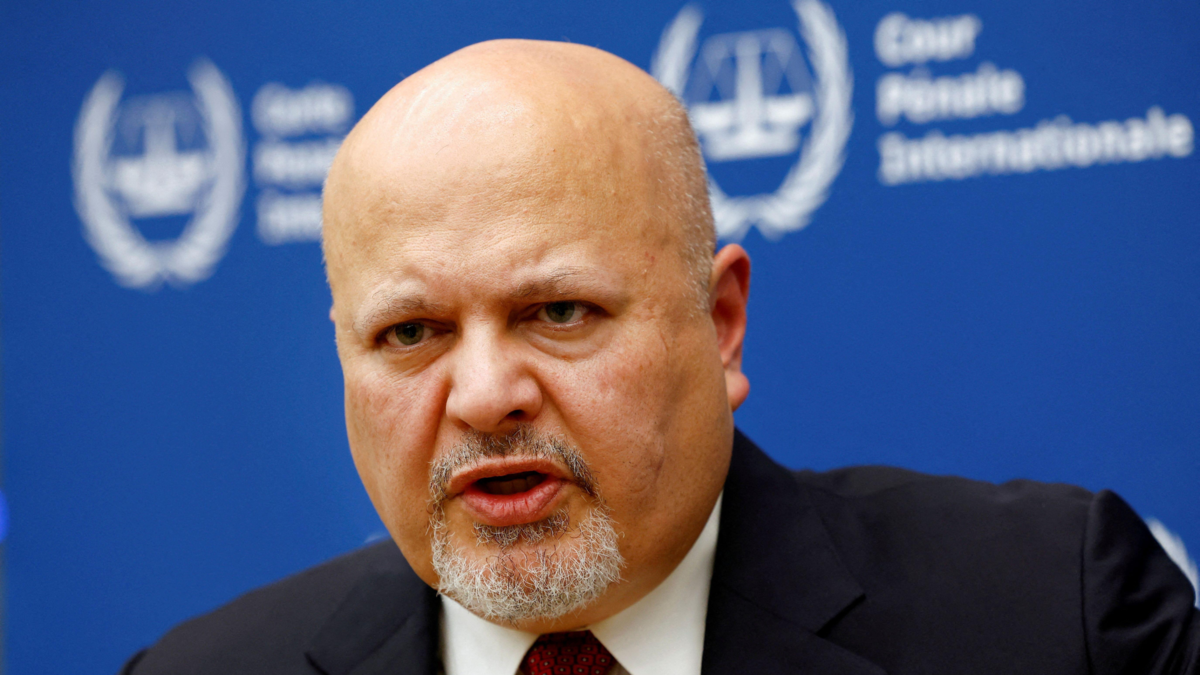
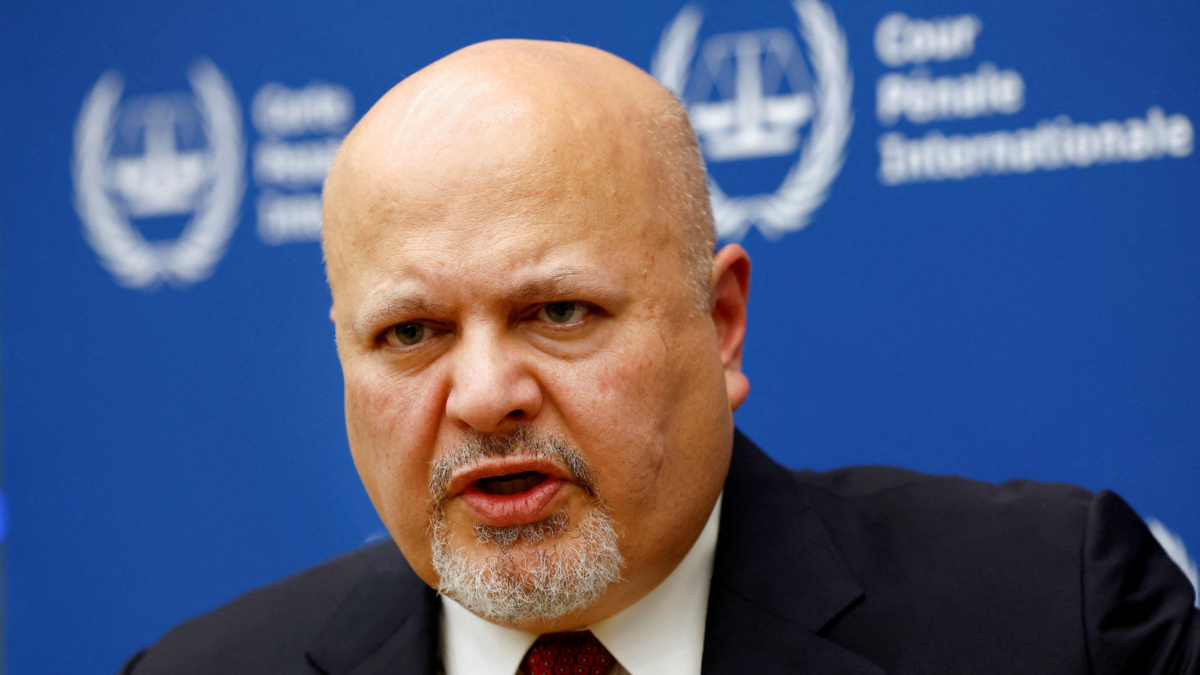
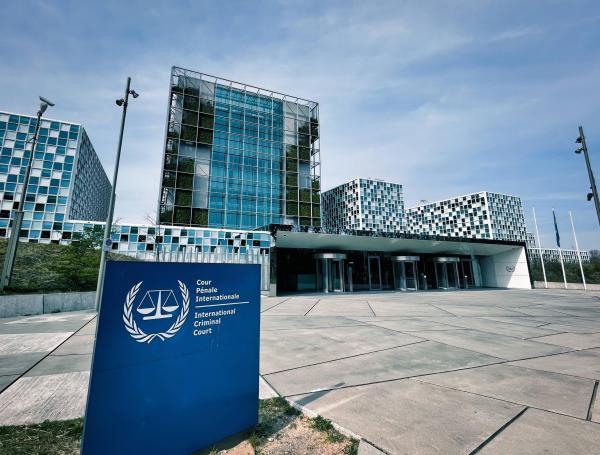
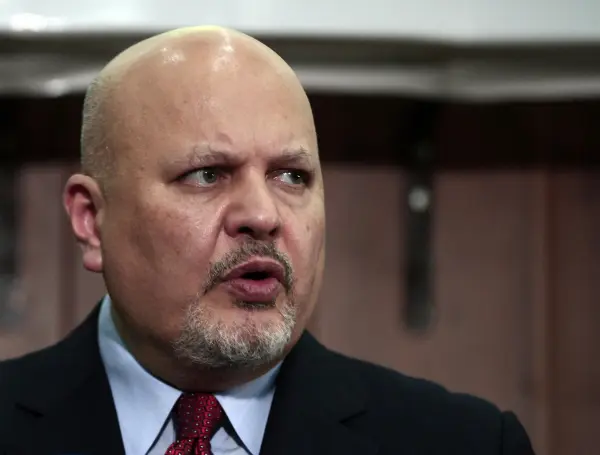
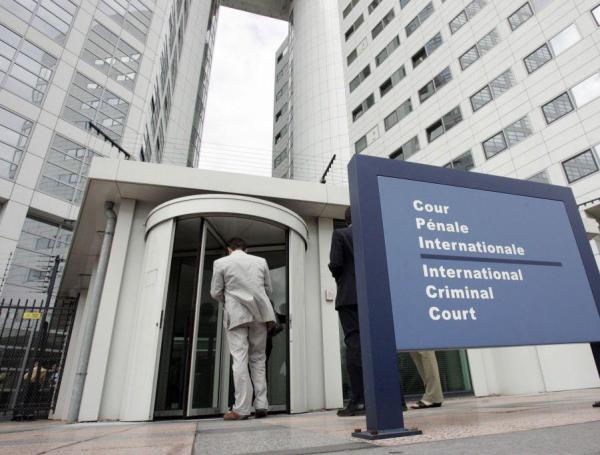
The Hague, Netherlands – July 24, 2026 – In an unprecedented move that sends shockwaves through the international legal community, the States Parties to the International Criminal Court (ICC) have voted overwhelmingly to remove Chief Prosecutor Karim Khan from his post. The decision, confirmed by diplomatic sources and later officially announced, follows a nearly two-year scandal involving serious allegations of sexual misconduct against a member of his staff. Khan, who took office in 2021, vehemently denies the accusations, claiming they are part of a politically motivated campaign designed to undermine his work, particularly his pursuit of arrest warrants against high-profile figures.
This historic dismissal marks the first time since the ICC’s inception in 2002 that a chief prosecutor has been relieved of duties through this mechanism. The outcome underscores the profound commitment of the international body to upholding the highest standards of integrity, even when confronted with the complex and sensitive task of holding its own leadership accountable. The vote, held in New York at the United Nations headquarters, saw 82 of the 125 eligible States Parties cast their ballot in favor of Khan’s removal, comfortably exceeding the absolute majority of 63 votes required for such a decisive action.
The controversy surrounding Khan has cast a shadow over the ICC at a critical juncture, as the court navigates immense geopolitical pressures related to its ongoing investigations into conflicts in various parts of the world, including the highly charged situation in Gaza. While the Assembly of States Parties has affirmed its dedication to due process and the integrity of its internal mechanisms, Khan’s ouster inevitably raises questions about the court’s leadership stability and its future trajectory in a volatile global landscape.
A Historic Precedent: The Vote and Its Aftermath
The decision to remove Karim Khan was the culmination of a protracted and deeply scrutinised process. The Assembly of States Parties, the ICC’s legislative and oversight body, convened to consider the findings of a comprehensive investigation into the allegations against Khan. The vote itself, held this Friday, represented a moment of profound gravity for the institution.
Diplomatic sources, speaking on condition of anonymity due to the sensitive nature of the proceedings, had indicated earlier in the day that a consensus for Khan’s removal was building. The official confirmation later in the day, revealing the decisive 82-vote majority, cemented the gravity of the situation. This numerical outcome, reflecting a broad agreement among member states, signals a collective determination to address serious breaches of conduct at the highest echelons of the court. The threshold of 63 votes, representing an absolute majority of the 125 States Parties with voting rights, was comfortably surpassed, leaving no ambiguity about the international community’s stance.
The significance of this vote cannot be overstated. The ICC, established by the Rome Statute, is a court of last resort, designed to prosecute individuals for the most heinous crimes under international law: genocide, war crimes, crimes against humanity, and the crime of aggression. For an institution charged with holding world leaders accountable, the integrity of its own leadership is paramount. The removal of a Chief Prosecutor, an individual entrusted with immense power and responsibility in pursuing justice globally, sets a powerful, albeit challenging, precedent. It demonstrates that no official, regardless of their position, is above scrutiny or exempt from the ethical and legal standards expected within the international system. This unprecedented event will undoubtedly be scrutinised by legal scholars, international relations experts, and human rights advocates worldwide, serving as a landmark case in the governance of international institutions.
The Allegations Against Karim Khan
At the heart of Karim Khan’s dismissal lie grave allegations of sexual misconduct, which first surfaced in late 2023. The accusations were brought forward by a former female staff member of the Prosecutor’s Office, who alleged non-consensual sexual contact during official trips and within premises linked to the Office of the Prosecutor between March 2023 and April 2024. These claims initiated a rigorous internal investigation that ultimately led to Khan’s downfall.
The investigation was conducted by the United Nations Office of Internal Oversight Services (OIOS), a body renowned for its independence and thoroughness in examining misconduct within the UN system. Following the OIOS report, an independent panel was commissioned to review the evidence. This panel, tasked with providing an impartial analysis, concluded that while the available evidence did not meet the stringent "beyond a reasonable doubt" standard required for criminal conviction, it explicitly stated that this did not imply the accusations were false. Crucially, the panel found sufficient elements to indicate that Khan had engaged in conduct incompatible with his high office. This distinction between criminal standard of proof and a standard sufficient for administrative or disciplinary action is vital in understanding the Assembly’s ultimate decision.
The complainant broke her silence publicly last week, reiterating her accusations in a candid interview with CNN. Her decision to come forward publicly, after a lengthy internal process, undoubtedly added another layer of pressure and visibility to the already sensitive case, bringing the allegations into mainstream public discourse and further solidifying the need for a definitive resolution by the States Parties. The public nature of her allegations, though occurring late in the disciplinary process, underscored the seriousness of the claims and the human impact of such incidents within international bodies.
Chronology of a Scandal: Khan’s Tenure and Downfall
Karim Khan’s tenure as Chief Prosecutor, though relatively brief, has been marked by both significant legal actions and this profound personal scandal. His journey from a distinguished international lawyer to the head of the ICC prosecution and then to his unprecedented dismissal unfolded over several years.

Ascent to the Top
Khan, a 56-year-old British lawyer of Pakistani origin, assumed the role of Chief Prosecutor in June 2021. He arrived with a formidable reputation, having served as an Assistant Secretary-General of the United Nations and as a Special Adviser and Head of the UN Investigative Team to Promote Accountability for Crimes Committed by Da’esh/ISIL (UNITAD) in Iraq. His career was punctuated by high-profile international cases, including defense work at the ICC and other tribunals, earning him widespread recognition as a tenacious and skilled legal professional. His election was seen as a moment of renewal for the Prosecutor’s Office, with hopes for a more dynamic and effective pursuit of justice.
The Initial Accusations and Investigation
The first whispers of misconduct against Khan emerged in late 2023, escalating into formal complaints by early 2024. These initial accusations triggered an internal investigation by the OIOS, a standard procedure for allegations against high-ranking UN officials. The internal process, designed to ensure fairness and confidentiality, involved gathering evidence, interviewing witnesses, and allowing Khan to present his defense. This phase was critical in laying the groundwork for the subsequent disciplinary actions.
Stepping Aside and Formal Suspension
As the investigation progressed and the gravity of the allegations became undeniable, Khan proactively stepped aside from his functions in May 2025. This decision, aimed at allowing him to focus on his defense without impeding the work of the Prosecutor’s Office, was a tacit acknowledgment of the seriousness of the situation. Subsequently, in June 2026, the Assembly of States Parties formally suspended him from his duties, pending the conclusion of the disciplinary proceedings. This suspension was a clear signal that the States Parties were taking the allegations with the utmost seriousness, recognizing the potential impact on the court’s credibility.
Disqualification from High-Profile Cases
The shadow of the scandal also impacted Khan’s involvement in other high-profile cases. Notably, he was removed from the emblematic process against former Philippine President Rodrigo Duterte, who faced accusations of crimes against humanity related to his brutal "war on drugs." While the specific reasons for his removal from this case were not explicitly linked to the sexual misconduct allegations in the public domain, it occurred during the period of heightened scrutiny, suggesting a broader loss of confidence in his ability to lead such sensitive investigations effectively while under personal investigation. This removal highlighted the practical implications of the allegations on his official duties and the imperative for the court to maintain unimpeachable leadership in its most critical cases.
Official Responses and Legal Framework
The dismissal of Karim Khan was conducted under the strictures of the Rome Statute, the foundational treaty of the International Criminal Court, specifically Article 46. This article outlines the procedure for the removal of elected officials, including the Prosecutor, in cases of "grave misconduct or a serious breach of his or her duties."
Päivi Kaukoranta, the Finnish diplomat serving as President of the Assembly of States Parties, formally announced the decision at the close of the session. She stated unequivocally that the Assembly had determined Khan was indeed guilty of "grave misconduct" and a "serious breach of his duties" in accordance with Article 46. Kaukoranta detailed the rigorous process that led to this conclusion, emphasizing that the decision was reached after a thorough examination of multiple documents: the resolution adopted by the Bureau of the Assembly in June, the comprehensive investigative report from the UN OIOS, underlying evidence, an analysis provided by an independent panel of experts, and finally, the allegations presented by both Khan and the complainant during the procedural stages.

President Kaukoranta underscored that the case was treated as an internal workplace complaint of prohibited conduct by an elected official against a staff member. She assured that the Assembly acted "respecting the legal framework of the ICC, the due process rights of the Prosecutor, and the rights of the affected individuals." Before concluding the session, she reiterated the confidential nature of such internal investigations within the ICC’s legal framework and called for "respect for the dignity and privacy of the individuals involved." This emphasis on due process and privacy aimed to reinforce the integrity of the institutional response despite the public nature of the outcome.
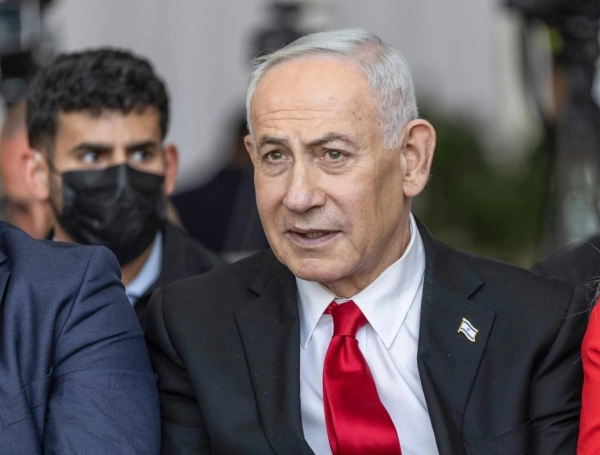
Karim Khan, through his legal representatives, promptly responded to the decision, vehemently denying the allegations and announcing his intention to challenge his dismissal through "all available legal avenues." In a statement shared with news agencies, Khan asserted that the decision was "not supported by any legal conclusion or properly substantiated finding" that he had engaged in misconduct or failed in his obligations as Prosecutor. His lawyers reiterated that he has "consistently denied" the accusations of sexual misconduct from the outset and continues to do so. Khan further alleged that the accusations were part of a coordinated "campaign to remove him from office," a campaign he believes was initiated after he sought arrest warrants in May 2024 against Israeli Prime Minister Benjamin Netanyahu and then-Defense Minister Yoav Gallant. This assertion introduces a layer of political intrigue, suggesting external forces at play in his downfall, linking his personal scandal to the highly sensitive geopolitical cases he was pursuing.

Geopolitical Ramifications and the ICC’s Future
Karim Khan’s dismissal comes at an exceptionally delicate moment for the International Criminal Court, an institution already grappling with intense political pressure and scrutiny on multiple fronts. The court’s ongoing investigations, particularly into the conflict in Gaza, have placed it at the center of a complex geopolitical storm, making Khan’s removal even more impactful.
The Gaza Investigation Context
Khan’s assertion that the allegations against him are a retaliatory "campaign" directly links his personal scandal to his official actions as Prosecutor. His decision in May 2024 to seek arrest warrants for Prime Minister Benjamin Netanyahu and then-Defense Minister Yoav Gallant of Israel, alongside leaders of Hamas, sent shockwaves globally. This move sparked outrage in Israel and drew criticism from several Western allies, most notably the United States. Khan argues that the timing of the revived or intensified allegations of misconduct is not coincidental but rather a deliberate effort to discredit him and undermine the court’s independence in prosecuting high-level political and military figures. While the Assembly of States Parties has maintained that the disciplinary process was entirely internal and followed due procedure, Khan’s narrative adds a layer of controversy that highlights the extreme pressures faced by the ICC’s leadership.

US Sanctions and International Pressure
The ICC has long operated under a cloud of political pressure, but recent years have seen this intensify. The United States, a powerful nation that does not recognize the court’s jurisdiction, has notably imposed sanctions against several ICC officials, including Khan himself. These sanctions were a direct response to the court’s investigations into alleged war crimes involving American personnel in Afghanistan and, more recently, to the arrest warrants sought against Israeli officials. The US stance, characterized by a complex relationship of conditional support for some ICC actions but fierce opposition to others involving its allies or personnel, exemplifies the delicate balance the court must strike. The geopolitical landscape is further complicated by countries like Venezuela, which announced its definitive withdrawal from the ICC, accusing it of "partialized action." Such pressures highlight the fragility of international legal institutions in a world often governed by realpolitik.
Continuity of ICC Work
Despite the high-profile nature of Khan’s departure, both the Assembly and Khan himself have stressed that his dismissal will not affect the ongoing work of the court. The existing arrest warrants issued by ICC judges, including those against Netanyahu and Gallant, remain valid and enforceable. Similarly, the myriad of investigations currently underway by the Prosecutor’s Office, spanning conflicts from Ukraine to Darfur and the Palestinian territories, will continue. The institution is designed with checks and balances to ensure continuity, with an acting prosecutor likely to step in until a new Chief Prosecutor is elected. This resilience is crucial for the court’s mission to combat impunity, ensuring that the pursuit of justice is not derailed by changes in leadership.

The Road Ahead for the ICC
The removal of Karim Khan initiates a new chapter for the ICC. The Assembly of States Parties will now embark on the crucial task of electing a new Chief Prosecutor. This process is often lengthy and complex, requiring consensus among a diverse group of nations. The next Prosecutor will inherit a challenging mandate, needing to restore internal confidence, navigate a fraught geopolitical environment, and uphold the court’s independence and impartiality. The successor will face the immediate challenge of proving that the court can maintain its focus on its core mission despite internal turmoil and external pressures. This moment demands a leader of exceptional legal acumen, unimpeachable integrity, and astute diplomatic skill to steer the ICC through what promises to be one of its most defining periods.
Conclusion
The dismissal of Karim Khan from his role as Chief Prosecutor of the International Criminal Court marks a pivotal and unprecedented moment in the court’s history. Driven by allegations of sexual misconduct and a comprehensive internal investigation, the decision by the States Parties underscores a resolute commitment to accountability and ethical governance at the highest levels of international justice. While Khan vehemently denies the charges, claiming political motivations linked to his high-stakes investigations, the overwhelming vote signals a clear message from the international community: the integrity of the ICC and the conduct of its leadership are non-negotiable.

This historic event, while undoubtedly challenging for the court’s immediate stability, also presents an opportunity for introspection and reinforcement of its foundational principles. As the ICC embarks on the search for a new Chief Prosecutor, the global community will watch closely, anticipating a leader who can restore full confidence, navigate the complex geopolitical landscape, and steadfastly advance the court’s vital mission of ending impunity for the world’s gravest crimes. The continuity of ongoing investigations, including those in Gaza and the existing arrest warrants, affirms that the pursuit of justice remains unwavering, even as the institution itself undergoes profound change. The ICC stands at a crossroads, poised to either emerge stronger from this crisis or face lingering questions about its internal fortitude and external effectiveness.