By Edwin Caicedo, Environment and Health Correspondent
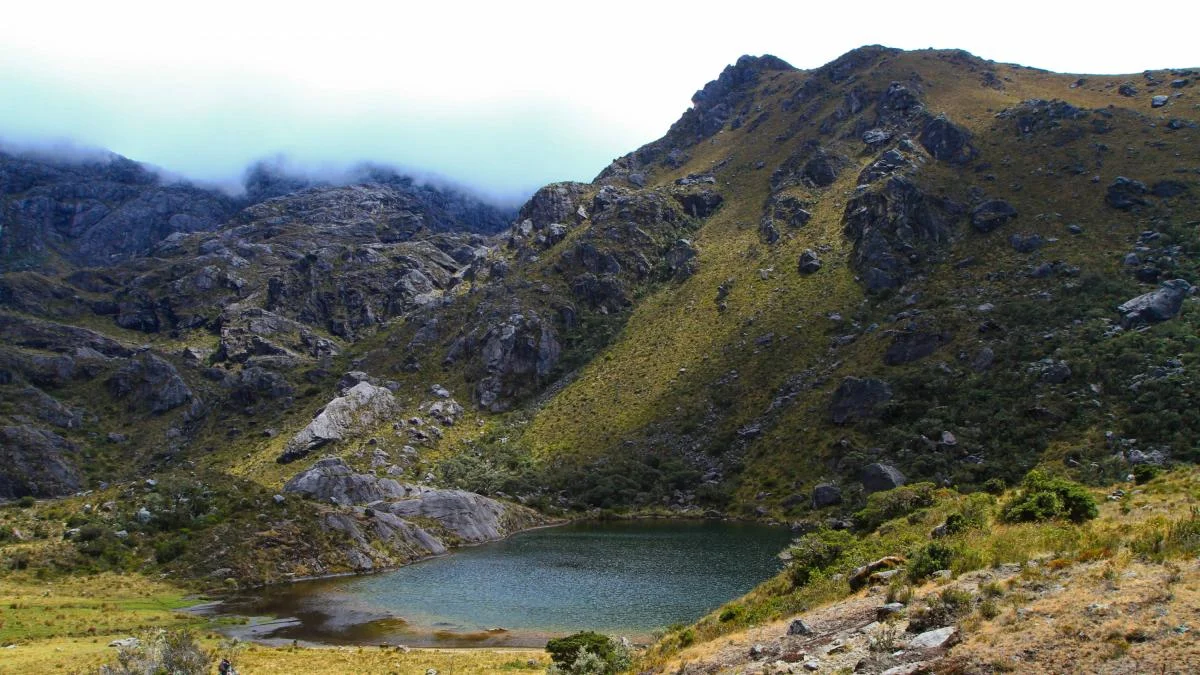
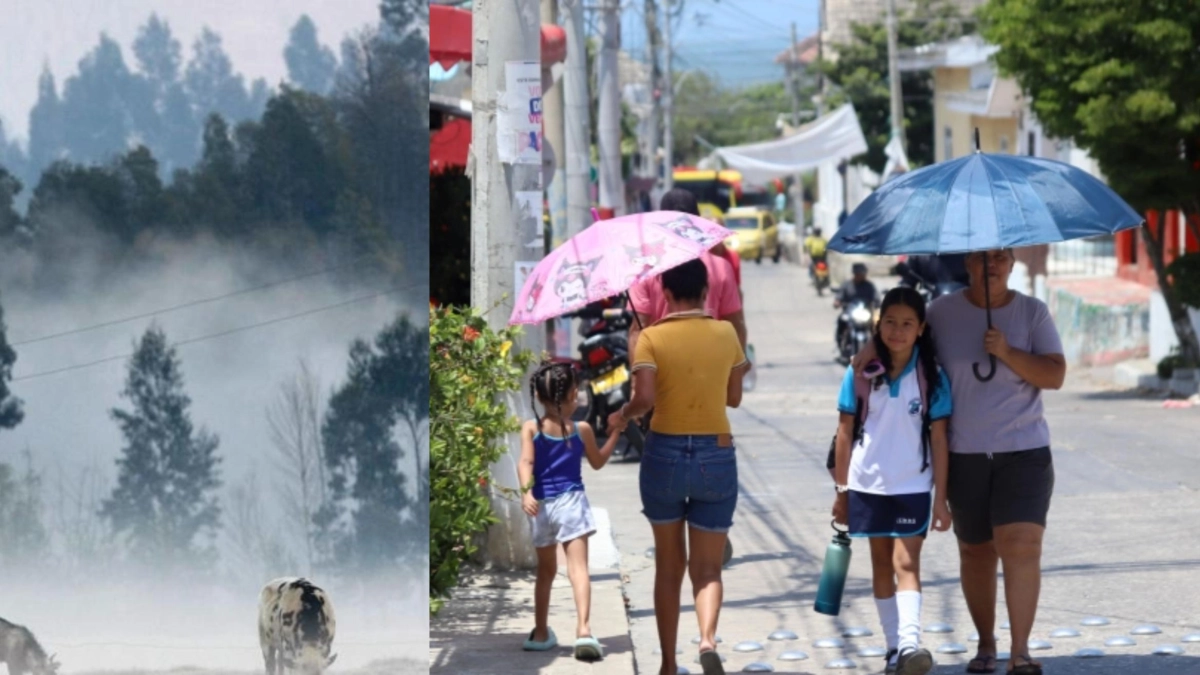
Colombia is currently experiencing a striking meteorological dichotomy that has left citizens reaching for heavy coats in the early hours while battling sweltering, humid conditions by midday. As the nation navigates a complex transition period between its primary climatic seasons, the country’s diverse geography—ranging from high-altitude paramo ecosystems to tropical coastal plains—is producing wildly disparate weather patterns.
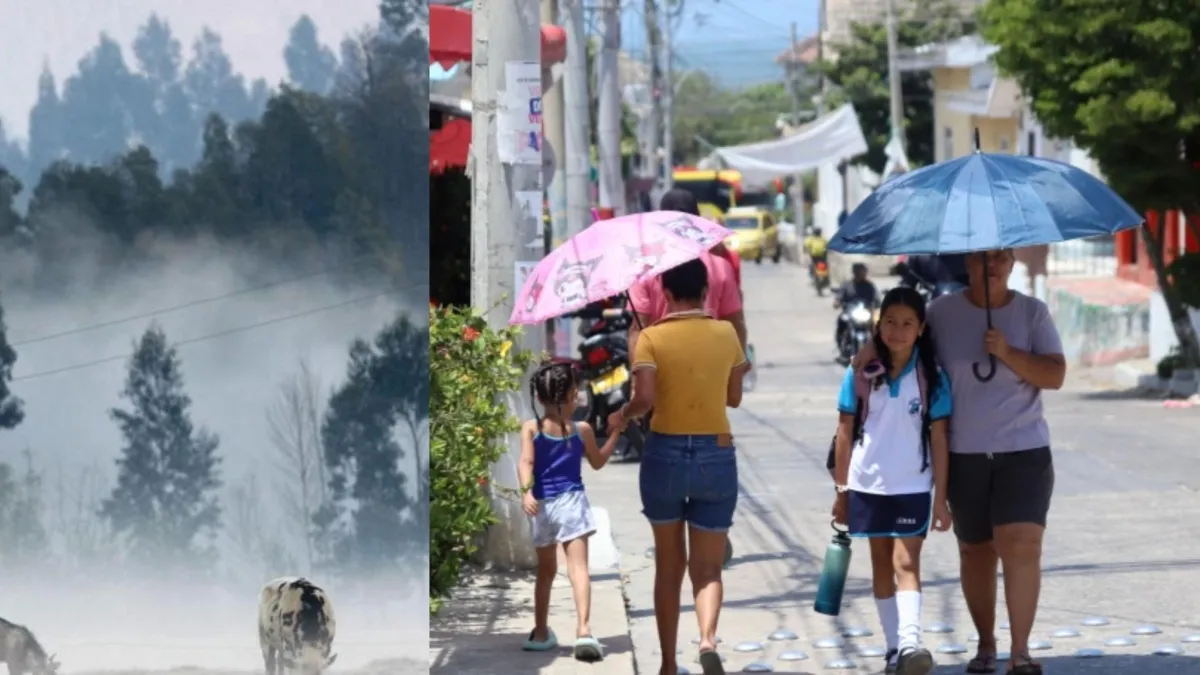
Recent data from the Institute of Hydrology, Meteorology, and Environmental Studies (Ideam) highlights this contrast: while towns nestled in the high Andes have plummeted to near-freezing temperatures, other regions are grappling with record-breaking heat and stifling humidity that pushes thermal sensation to extreme levels.
The Cold Snap: A Winter-like Awakening in the Highlands
The most dramatic cooling occurred in the Colombian altiplano, where clear, cloudless nights and weak winds allowed heat to escape rapidly from the earth’s surface. This phenomenon, known as radiative cooling, resulted in some of the lowest temperatures of the year for these regions.

In Paipa, Boyacá, the thermometer dropped to a shivering 2.4°C, a stark reminder of the vulnerability of high-altitude agriculture to sudden temperature fluctuations. Similar conditions were observed in Aldana, Nariño, which recorded 2.6°C, and Choachí, Cundinamarca, where the temperature fell to 5.4°C.
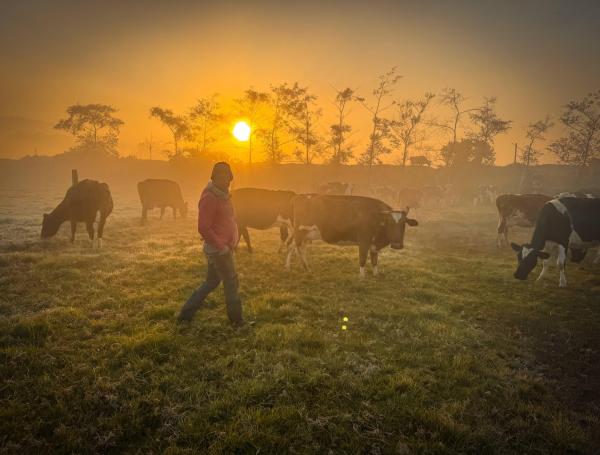
Bogotá, the nation’s capital, and the municipality of Túquerres in Nariño, both saw their mercury dip to 5.6°C. Other regions, including Toca (Boyacá), Mosquera (Cundinamarca), and Pupiales (Nariño), followed closely with temperatures ranging between 6.2°C and 6.4°C. For residents in these areas, the sudden shift has necessitated a shift in daily routines, with farmers expressing concern over the impact of these "frost-like" conditions on livestock and crop production, particularly dairy farming, which remains highly sensitive to thermal stress.

Yopal’s Record-Breaking Morning
Perhaps the most unusual event occurred in Yopal, the capital of Casanare. While the Llanos Orientales are typically associated with warm, tropical climates, the local airport station recorded a minimum temperature of 17.6°C.
While this figure might seem mild compared to the freezing temperatures of the Andes, it is climatologically significant. This reading fell 0.4 degrees below the historical record for that specific station, which had stood since September 22, 1998. The event serves as a reminder that even in regions accustomed to heat, meteorological anomalies can disrupt established norms, forcing residents and local authorities to reassess their preparedness for uncharacteristic weather events.
The Other Side of the Coin: The Caribbean and the Inter-Andean Valleys
As the highlands experience an unexpected chill, the rest of the country is suffering from the polar opposite: intense, oppressive heat. The Ideam’s forecast for the week warns of maximum temperatures significantly higher than the historical averages for the regions of the Alta Guajira and the inter-Andean valleys of the Magdalena and Cauca rivers.
In these sectors, the issue is not just the thermometer reading, but the "thermal sensation." The combination of high ambient temperatures and elevated humidity levels is creating a "bochorno" (stifling heat) that poses health risks, particularly for vulnerable populations.

Jennifer Dorado, Head of the Office of Forecasting and Early Warnings at Ideam, explains that this is a result of the country’s current transition phase. "We are moving through a transition of climatic extremes. It is within the expected range to see these shifts, especially given the varied orographic sectors that define our territory," Dorado stated.
The Caribbean region, in particular, is experiencing a double-edged sword: the passage of tropical waves has brought some much-needed precipitation, but this moisture, coupled with high temperatures, has drastically increased the heat index.

Understanding the "Climatic Transition"
To understand why Colombia is seeing such drastic variations, one must look at the calendar and the country’s unique topographical layout. September is historically a transition month in Colombia, shifting from the drier period of June, July, and August into the second, more humid rainy season of the year, which typically spans from September through November.
The Role of Topography
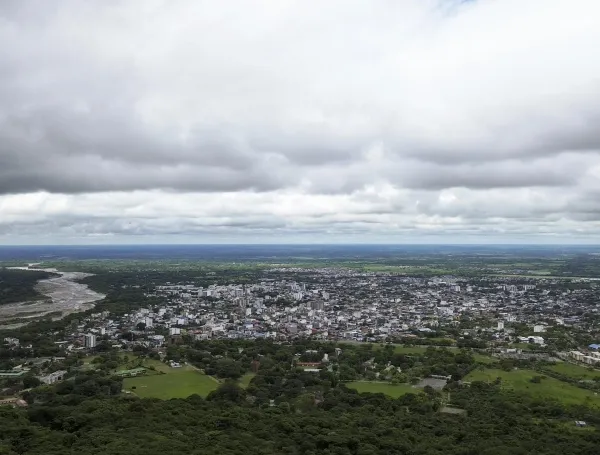
Colombia’s geography is arguably its most influential meteorological factor. The presence of three distinct branches of the Andes Mountains creates a "patchwork" of microclimates.
- Monomodal vs. Bimodal patterns: Different regions of the country respond differently to the movement of the Intertropical Convergence Zone (ITCZ). While one region might be under the influence of a moisture-rich tropical wave, another might be trapped in a rain shadow, leading to dry, hot conditions.
- The Orographic Effect: Mountains act as barriers. As air masses rise over these peaks, they lose moisture (precipitation on the windward side) and descend on the other side as dry, warm air (the Foehn effect), which explains why regions like the Magdalena and Cauca valleys are currently experiencing elevated temperatures.
Currently, Tropical Wave Number 46 is traversing the national territory. This system is expected to increase cloud cover and rainfall in the Caribbean and the northern Andes, while simultaneously leaving other areas, such as central Boyacá and western Cundinamarca, under dry, clear skies.
The Silent Threat: Wildfires in a Time of Transition
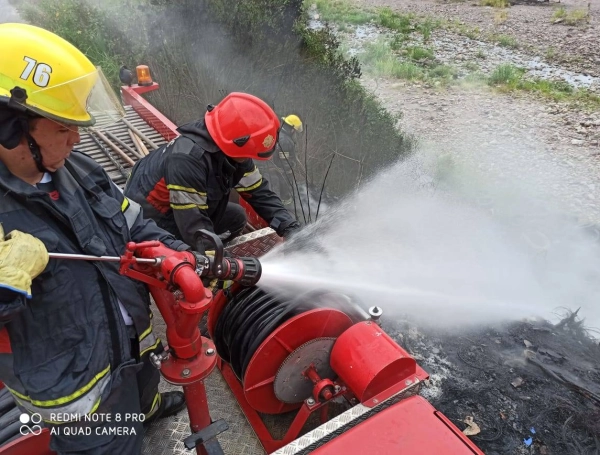
The persistence of dry conditions in specific sectors of the country has elevated concerns regarding forest fires. According to the latest Ideam reports, 236 municipalities are currently under some level of alert for forest fires.

The departments of Tolima, Nariño, and Huila are currently the most affected, with several municipalities placed under "Red Alert." The irony of the situation is not lost on experts: while some regions struggle with flood management due to intense rains, others face the imminent threat of fire. This disparity creates a logistical nightmare for national disaster response agencies, which must maintain a constant state of readiness for two completely different types of emergencies simultaneously.
Is "El Niño" to Blame?
A common question among citizens when facing extreme weather is whether the "El Niño" phenomenon—known for causing significant drought and heat in Colombia—is responsible.
However, Ideam officials have been cautious to avoid immediate attribution. Jennifer Dorado clarified that while the agency is monitoring indicators related to El Niño, it is currently too early to confirm its presence or influence on these specific weather events.
"We are currently discussing climatic extremes related to current atmospheric variability," Dorado noted. She emphasized that even if an El Niño phase were to be confirmed in the future, it would not necessarily mean the complete disappearance of rain or moisture across the country. "The conditions will continue to differ from one region to another based on our complex geography."

What is becoming increasingly evident, however, is a downward trend in cumulative precipitation for the upcoming months. The expected intensity of the second rainy season is showing signs of being weaker than average in certain areas, which could lead to long-term water management challenges for the agricultural and energy sectors.
Implications for the Future
The current weather patterns serve as a microcosm of the challenges Colombia faces regarding climate variability. The combination of intense heat in the lowlands and freezing temperatures in the highlands affects everything from energy consumption—as air conditioning demand peaks in the Caribbean—to food security, as the cost of dairy and produce fluctuates due to weather-related production drops.
As the country continues to navigate this transition period, experts emphasize the importance of regionalized weather monitoring. A "one-size-fits-all" approach to climate policy is insufficient for a nation that can experience a 20-degree Celsius temperature difference within a few hours of travel.
For the average citizen, the message is clear: expect the unexpected. Whether it is the need for a jacket in the high-altitude morning mist or the requirement for hydration and sun protection in the sweltering Caribbean afternoons, Colombia’s current meteorological state demands constant adaptation.
As the Ideam continues to track the progress of tropical waves and the potential development of larger climate phenomena, the focus remains on early warning systems. By providing precise, localized data, the institute hopes to help farmers, urban planners, and residents mitigate the impacts of these extreme oscillations. For now, the "paradoxical" climate of Colombia remains a testament to the nation’s extraordinary and complex environmental diversity—a land where the morning frost and the midday heat are two sides of the same, ever-changing coin.